Kitchen Sink Smells Bad? An Ice-and-Citrus Reset, Then the Enzyme Fix
Food film in the drain feeds the smell. Reset it tonight with hot water, ice and citrus, then use an enzyme cleaner to stop it coming back.
By Jamilur Rahman Updated November 5, 2026 · 6 min read
- Time
- 30 min
- Cost
- Under $20
- Difficulty
- Easy
In this guide
Quick answer
When your kitchen sink smells bad, the cause is usually a slimy film of food, grease and bacteria on the drain walls, the stopper or the disposal. Scrub the visible parts, flush with hot water, baking soda and vinegar, and run ice and citrus through it. If it comes back, an enzyme drain cleaner used overnight keeps the film from rebuilding. If the smell is strong sewage, the problem is the plumbing, so see below.
Free fix vs. permanent fix
The ice-and-citrus reset
- Scrub the stopper, drain rim and overflow with a brush
- Pour baking soda and vinegar, let it fizz, flush with hot water
- Run ice and citrus peels through a disposal
- Rinse with hot water after every washing-up
How long it lasts: A week or two. The film builds again if grease and food bits keep going down.
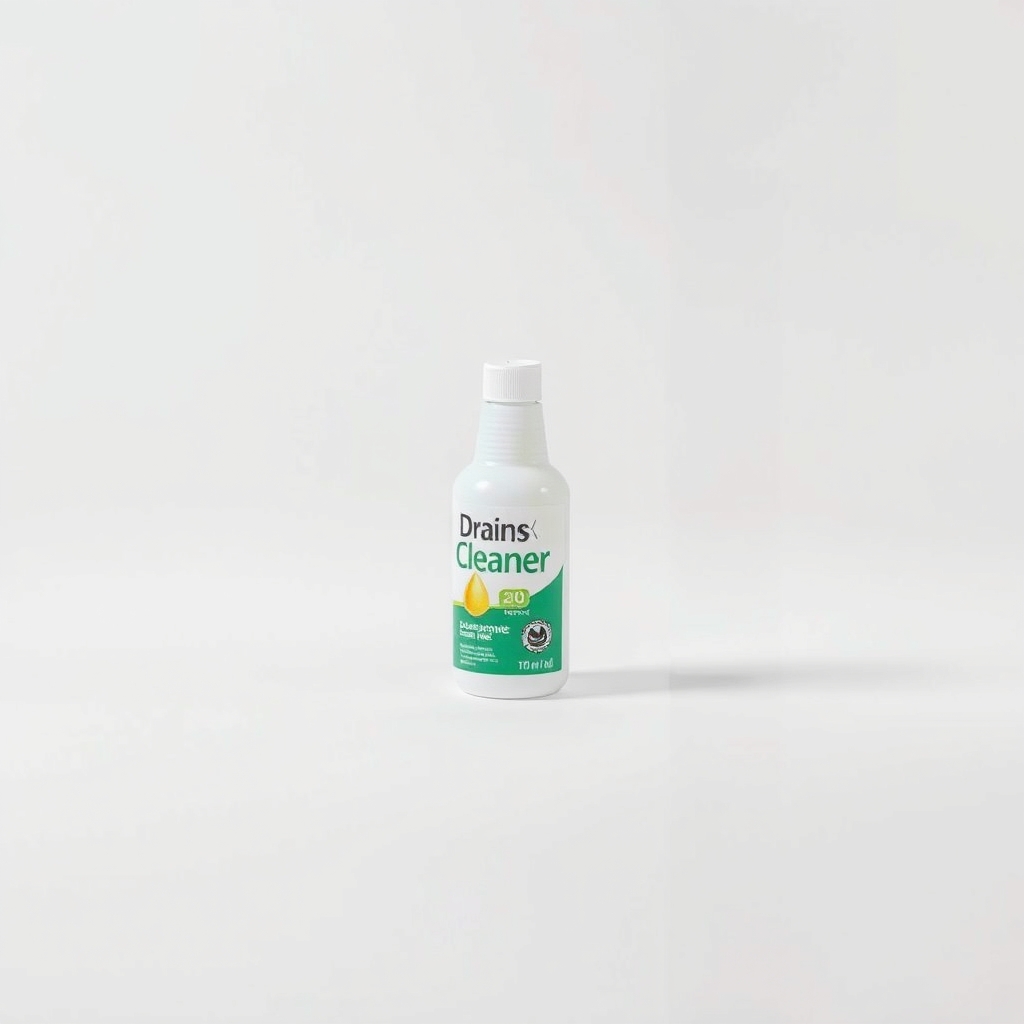
An enzyme drain cleaner, used monthly
Enzyme or bacteria-based cleaners break down grease and food residue inside the pipe, where a brush cannot reach. They work slowly and are gentle on pipes. The free reset removes the smell tonight, and the enzyme cleaner keeps it away.
What to get: Enzyme or bacteria-based drain cleaner for kitchen sinks
How long it lasts: As long as you keep using it. It eats the organic film before the smell starts.
As an Amazon Associate I earn from qualifying purchases.
What you'll need
-
Rubber gloves
For lifting out the stopper and scrubbing
You have it -
Baking soda and white vinegar
The fizzing flush
You have it -
Old toothbrush
For the drain rim and under the stopper
You have it -
Ice cubes and citrus peels
For a sink with a disposal
Free - Our pick Illustration
Enzyme drain cleaner
Bacteria or enzyme formula, used overnight
- Illustration
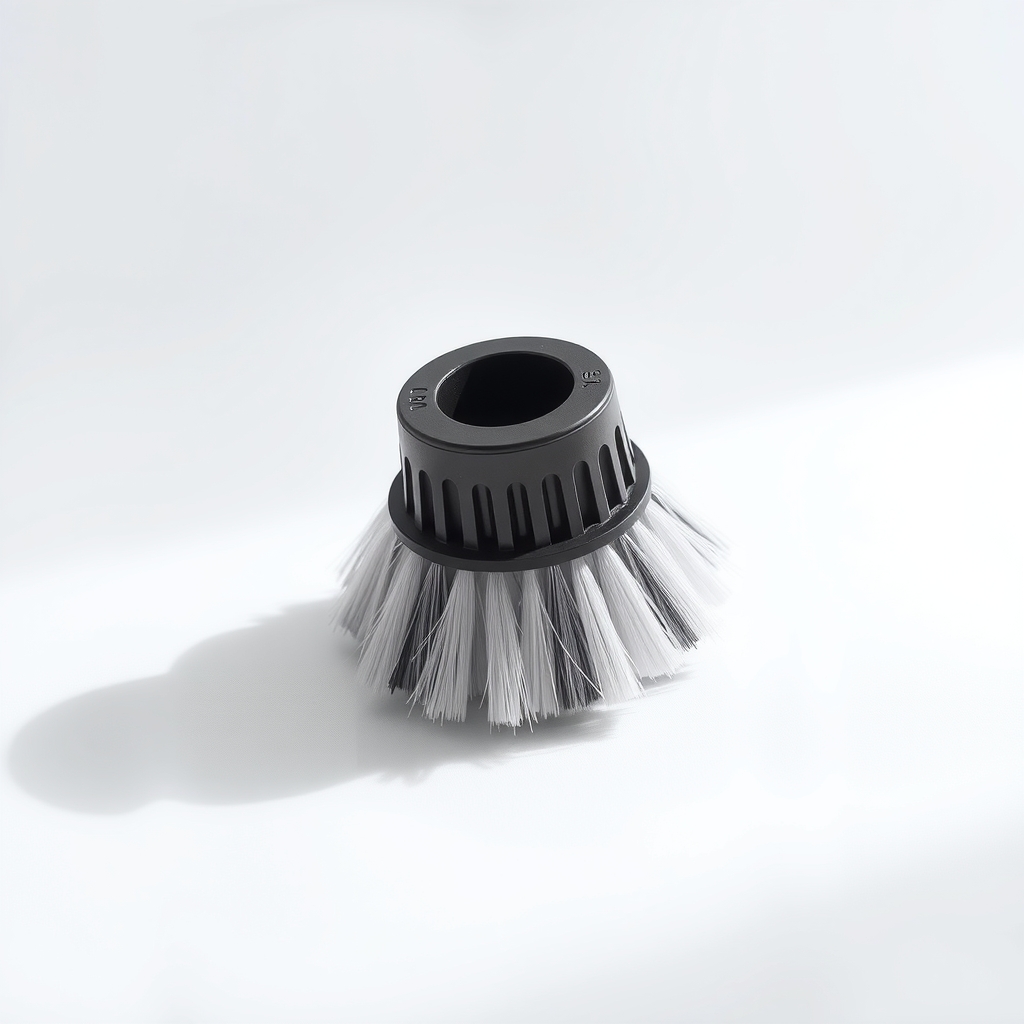
Flexible drain brush
Reaches the first foot of pipe below the drain
Why it happens
Food and grease film in the drain
Every rinse leaves a thin layer on the drain walls. Bacteria feed on it and produce the sour, rotten smell. This is the most common reason a kitchen sink stinks.
A dirty stopper, drain rim or overflow
The underside of the stopper and the rim of the drain catch slime you never see. Many kitchen sinks also have an overflow hole that can sour.
A disposal full of old food
Bits of food stick to the grinding chamber and the underside of the splash guard. If your sink has a disposal, that is often the source.
A dry or leaking trap, or a blocked vent
The U-shaped trap holds water that blocks sewer gas. If it dries out, leaks or the vent is blocked, the room smells like sewage, not food.
Try this first (free)
Do these in order, starting with the simplest.
-
Scrub what you can reach
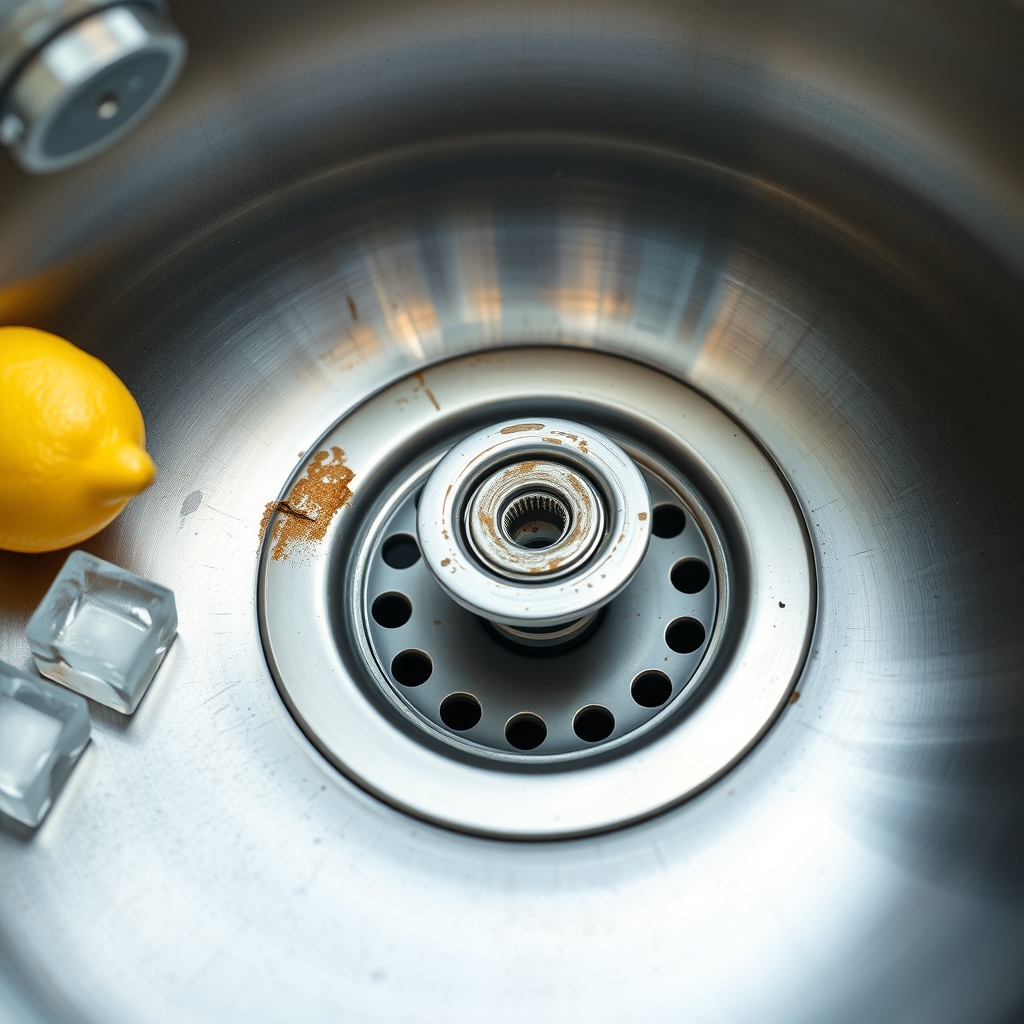
Tool used: Old toothbrushWear gloves, pull the stopper and strainer out and scrub the underside and the drain rim with a toothbrush and dish soap. Wipe around the overflow hole if there is one.
-
Fizz it with baking soda and vinegar
Tool used: Baking soda and white vinegarPour half a cup of baking soda down the drain, then half a cup of white vinegar. Let it fizz for 10 minutes, then flush with a kettle of very hot tap water. Do not use boiling water in a PVC pipe.
-
Run ice and citrus through a disposal
Tool used: Ice cubes and citrus peelsIf you have a disposal, drop in a handful of ice cubes and a few lemon or orange peels, run cold water and switch it on for 30 seconds. The ice scrapes the chamber, and the peels leave a clean scent.
-
Scrub the first foot of pipe
Tool used: Flexible drain brushPush a flexible drain brush down the drain and twist, then rinse. This clears the film that a flush leaves behind.
IllustrationCheck price on AmazonTool for this step
Flexible drain brush · Reaches the first foot of pipe below the drain
-
Finish with the enzyme cleaner overnight
Tool used: Enzyme drain cleanerPour the enzyme cleaner into the drain at bedtime, following the label, and do not run the water until morning. Then flush with warm water.
IllustrationCheck price on AmazonTool for this step
Enzyme drain cleaner · Bacteria or enzyme formula, used overnight
When free fixes aren't enough
If the smell comes back within days of the reset, there is film further down the pipe, where baking soda and a brush cannot reach. A monthly enzyme treatment works there. Never mix an enzyme cleaner with bleach or chemical drain cleaner, since each cancels the other. If the whole kitchen smells like sewage or rotten eggs, a trap has dried out, a connection leaks or a vent is blocked, so call a plumber. A rotten-egg smell near the stove or a gas appliance may be natural gas. Leave the house, then call your gas company from outside.
Buy the fix
Still stuck after the free fixes? These are the products we would look at.
| Pick | Product | Fixes | Who it's for | Buy |
|---|---|---|---|---|
| Best pick | Enzyme or bacteria-based drain cleaner for kitchen sinks | the film that causes the smell, inside the pipe | Anyone whose sink smells again within a couple of weeks of cleaning. | Check price |
| Budget pick | Flexible drain cleaning brush | slime on the drain walls that a flush leaves behind | People who want a cheap, chemical-free way to scrub the top of the pipe. | Check price |
Enzyme or bacteria-based drain cleaner for kitchen sinks
Fixes: the film that causes the smell, inside the pipe
Look for: Enzyme or live-bacteria formula, not caustic; Safe for pipes and septic systems; Directions for monthly or overnight use.
- Who it's for
- Anyone whose sink smells again within a couple of weeks of cleaning.
- Honest downside
- The drain is fully clogged and water is not draining. Enzymes are slow and will not clear a hard blockage.
Flexible drain cleaning brush
Fixes: slime on the drain walls that a flush leaves behind
Look for: Narrow enough for your drain opening; Bristles all the way around; Washable and quick to dry.
- Who it's for
- People who want a cheap, chemical-free way to scrub the top of the pipe.
- Honest downside
- Your drain has a disposal. Use a brush in the splash guard, never down the disposal chute with the power on.
As an Amazon Associate I earn from qualifying purchases. We don't show prices because they change, so use the button to see today's price.
How we picked: How we picked: this page is based on plumbing and drain-care guides, enzyme cleaner label directions and what owners report in reviews. We do not test products by hand.
Sink with a disposal or without?
- With a disposal: clean the underside of the splash guard first. It is the most common source. Then run the ice and citrus.
- Without one: skip the ice. Lift the strainer, scrub it and the rim and use the brush and the enzyme cleaner.
What to skip
Bleach, chemical drain cleaners and boiling water
Bleach masks smells for a day and kills the bacteria you want in an enzyme cleaner. Never mix it with vinegar or ammonia, since the fumes are dangerous. Caustic drain cleaners are rough on pipes, and boiling water can soften PVC joints.
Frequently asked questions
Why does my kitchen sink smell or stink even after I clean it?
Why does my kitchen sink smell like sewer?
Why does my kitchen sink drain smell musty?
How do I stop my kitchen sink from smelling for good?
Can I mix bleach and vinegar in a drain?
Related problems
 Free fix inside
Kitchen · Kitchen Sink
Kitchen Sink Keeps Clogging? Stop the Grease Buildup for Good
Read the fix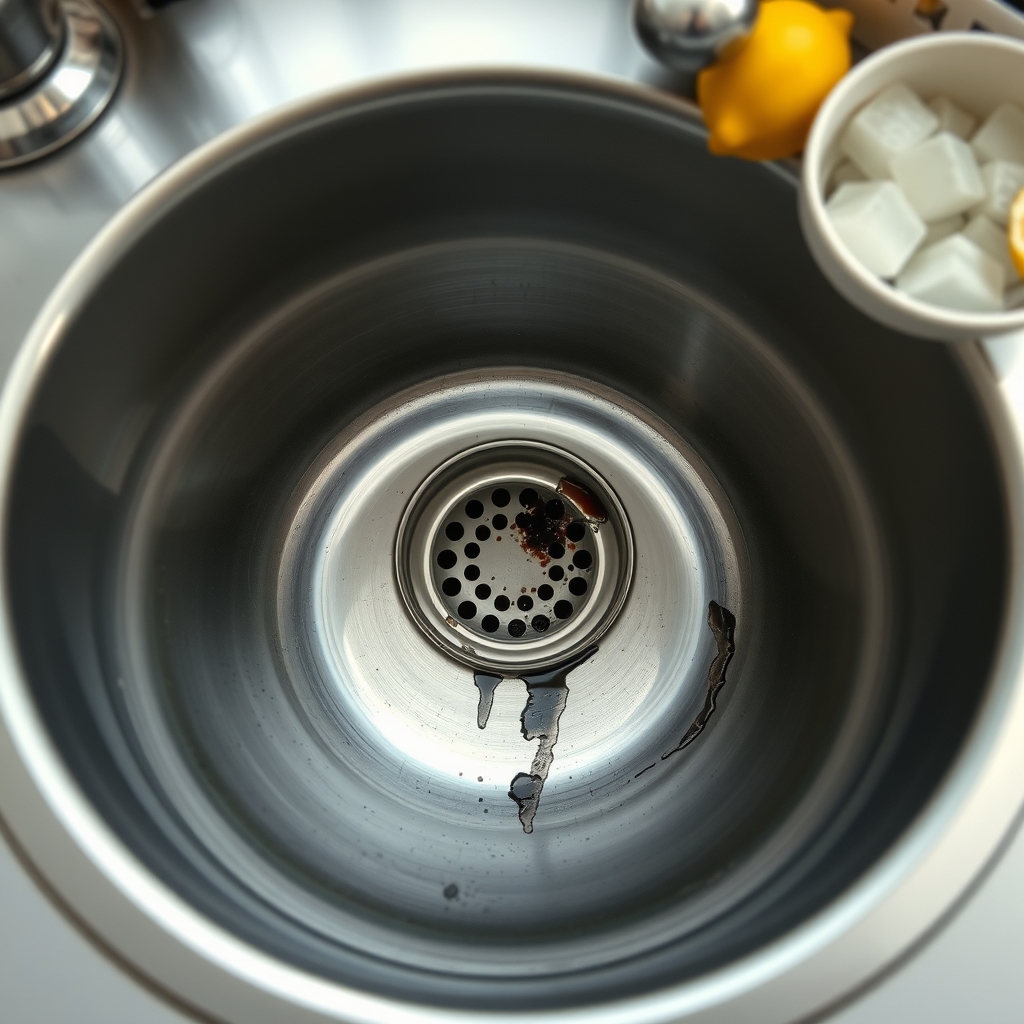 Free fix inside
Kitchen · Garbage Disposal
Garbage Disposal Smells? Ice, Lemon, and a Cleaner That Lasts
Read the fix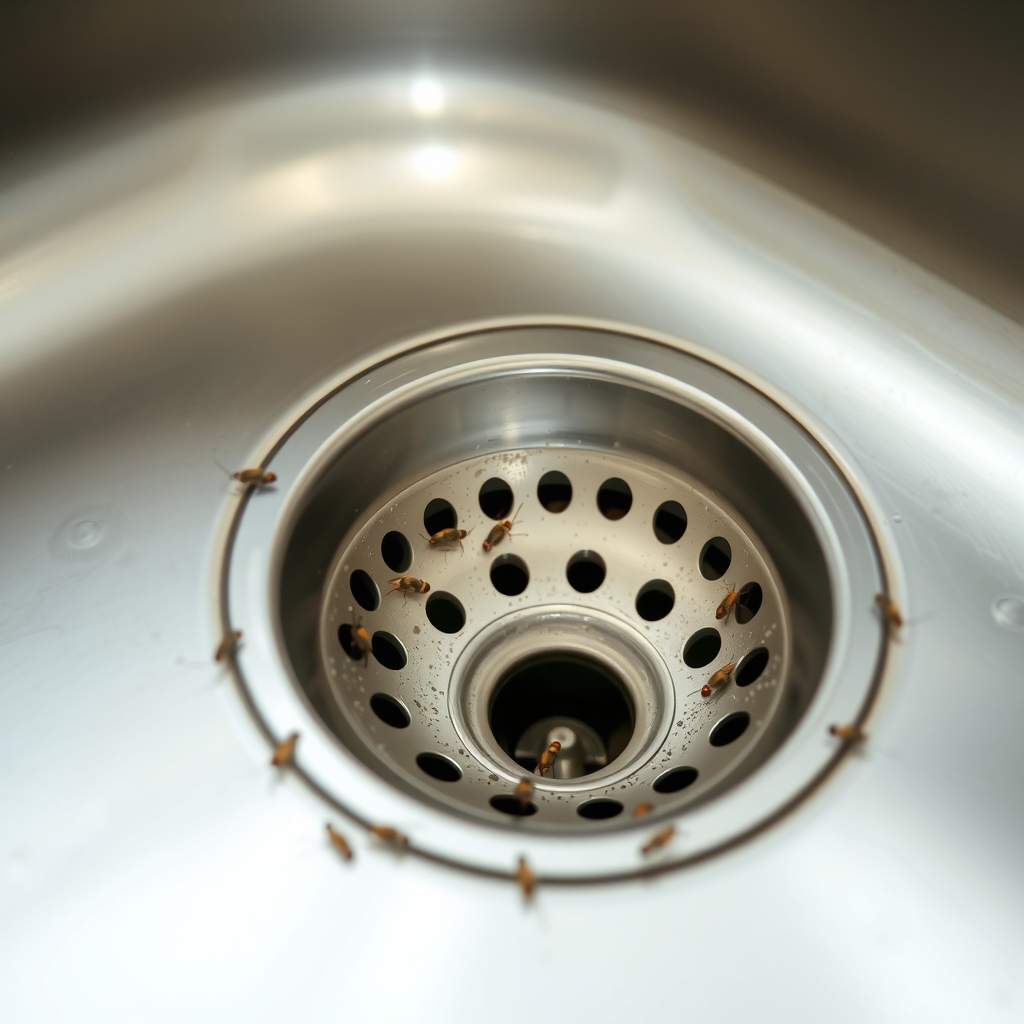 Free fix inside
Kitchen · Fruit Flies
Fruit Flies Coming From the Drain? The Enzyme Gel That Reaches Them
Read the fix Free fix inside
Kitchen · Kitchen Sink Gurgling
Kitchen Sink Gurgling? What the Sound Means and the 5-Minute Fix
Read the fixAs an Amazon Associate I earn from qualifying purchases. Affiliate disclosure