Kitchen Sink Keeps Clogging? Stop the Grease Buildup for Good
Grease and starchy scraps coat the pipe until it narrows. Clear today's clog in 30 minutes, then keep a hand-crank drain auger under the sink for the next one.
By Jamilur Rahman Updated November 5, 2026 · 7 min read
- Time
- 30 min
- Cost
- $20-$50
- Difficulty
- Medium
In this guide
Quick answer
A kitchen sink keeps clogging because grease, coffee grounds and starchy scraps coat the pipe and narrow it a little more with every wash. Plunge it, clean the P-trap and flush with hot soapy water. If the sink slows again within weeks, the coating is farther down the line, and a hand-crank drain auger is the tool that reaches it and clears it out.
Free fix vs. permanent fix
Plunge, flush and clean the trap
- Plunge with the second drain and the dishwasher line blocked
- Flush with hot soapy tap water, never boiling
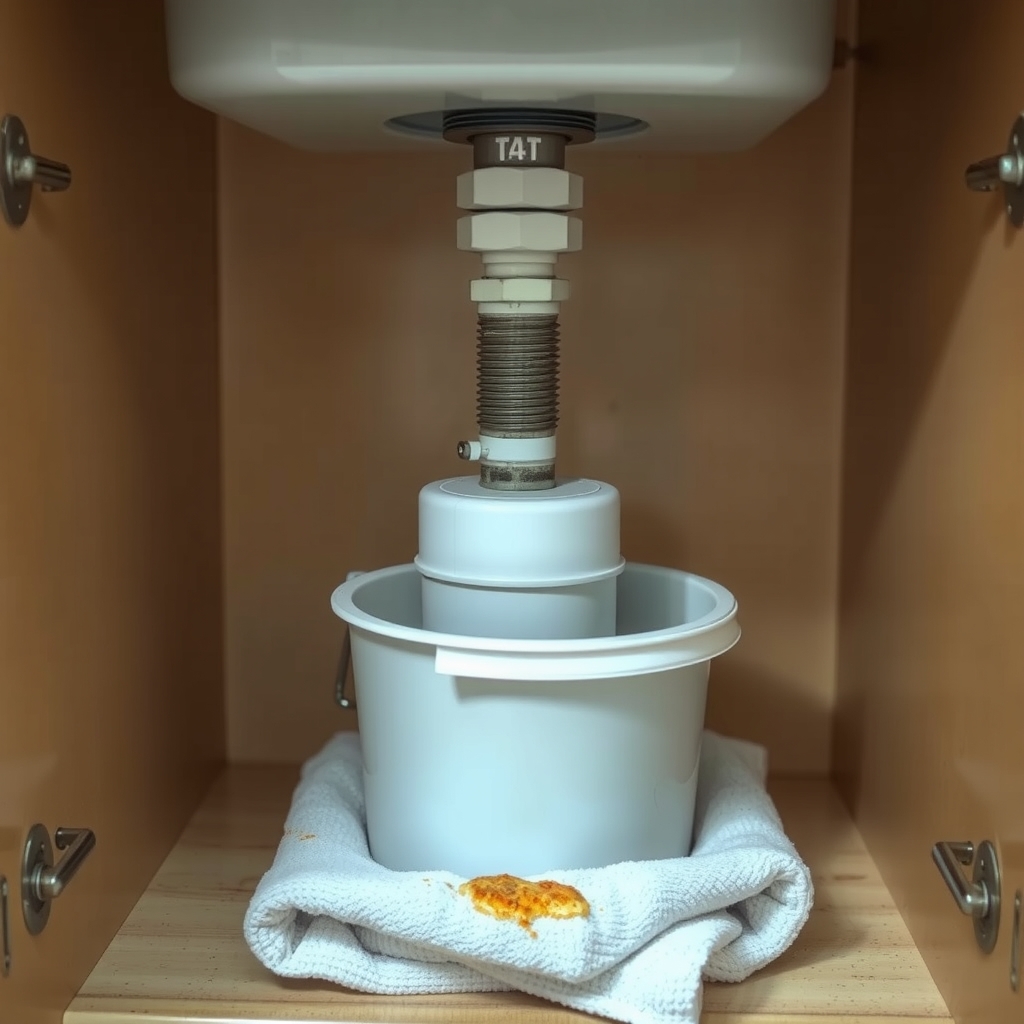
- Take the P-trap off over a bucket and scrape it clean
- Skip chemical cleaners if you plan to plunge or snake
How long it lasts: A few weeks, if the clog sat near the trap. If the grease lining runs farther back, the sink slows again, often sooner than last time.
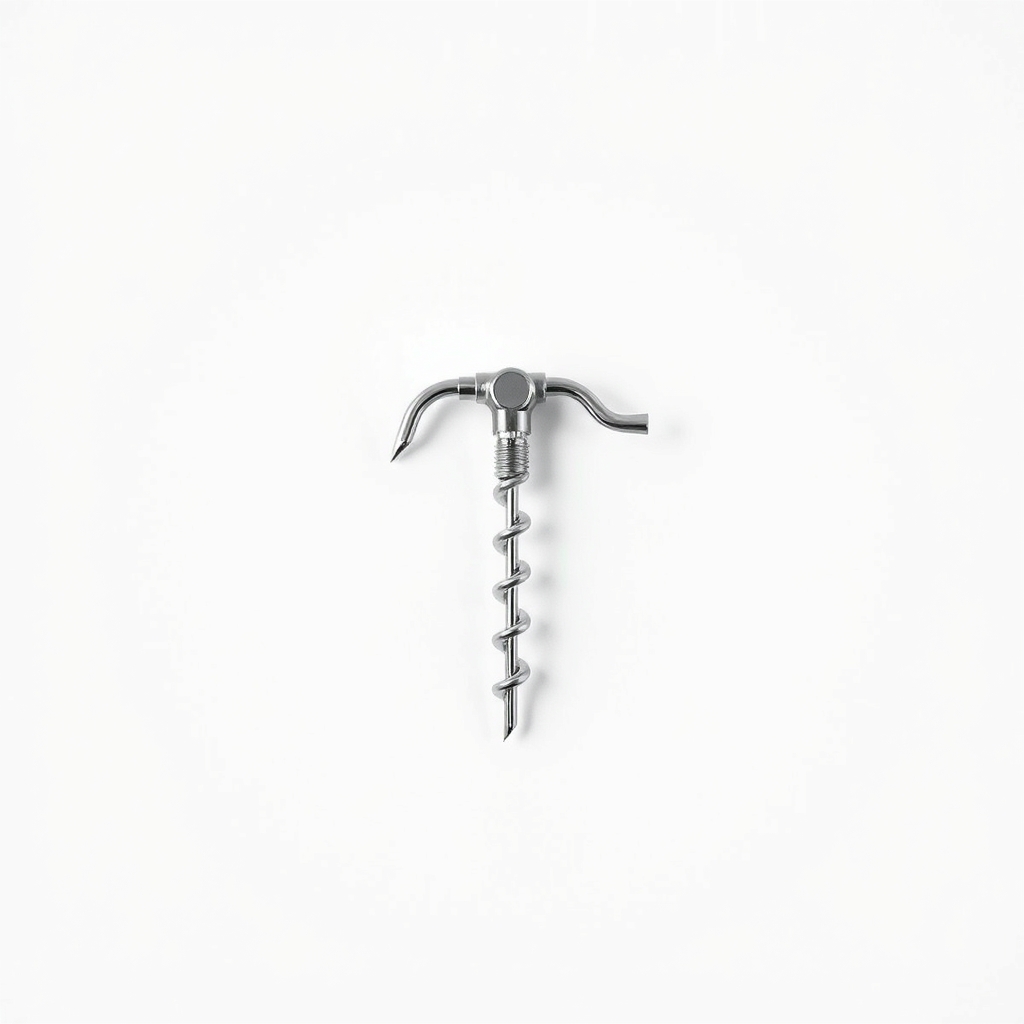
A hand-crank drain auger for kitchen sinks
A plunger and the trap only reach the first couple of feet of pipe. Grease builds up as a lining all the way to the wall and beyond. An auger goes past the trap, breaks that lining loose and pulls it out, so the sink drains at full speed again. Add a strainer and a grease habit, and the lining stays thin.
What to get: Hand-crank drain auger (snake) for kitchen sinks
How long it lasts: Years. One tool under the sink turns a clog into a ten-minute job.
As an Amazon Associate I earn from qualifying purchases.
What you'll need
-
Bucket and old towel
To catch the water and sludge from the trap
You have it -
Rubber gloves
Old grease is not pleasant
You have it - Illustration
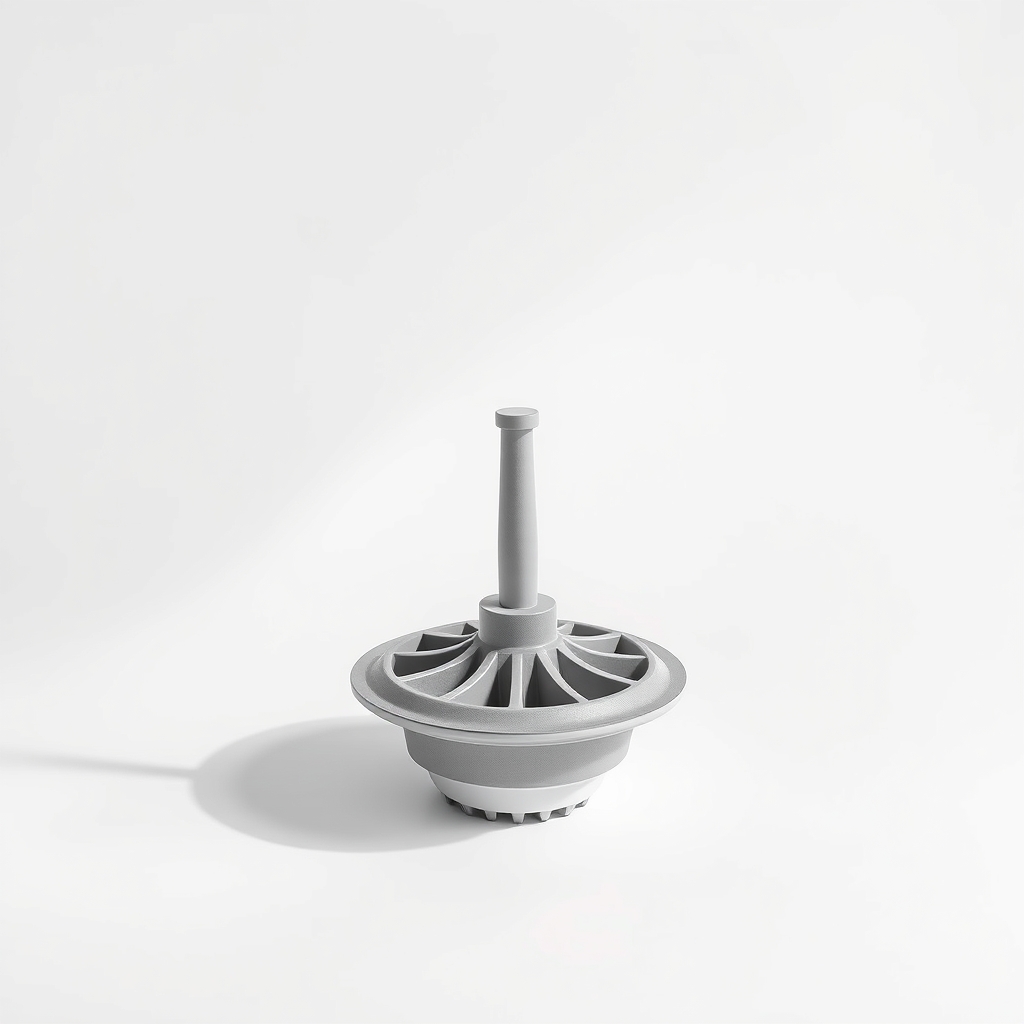
Flat-bottom sink plunger
A flat cup seals on a sink floor; a toilet plunger does not
- Our pick Illustration
Hand-crank drain auger
Reaches past the trap to the grease lining
- Illustration
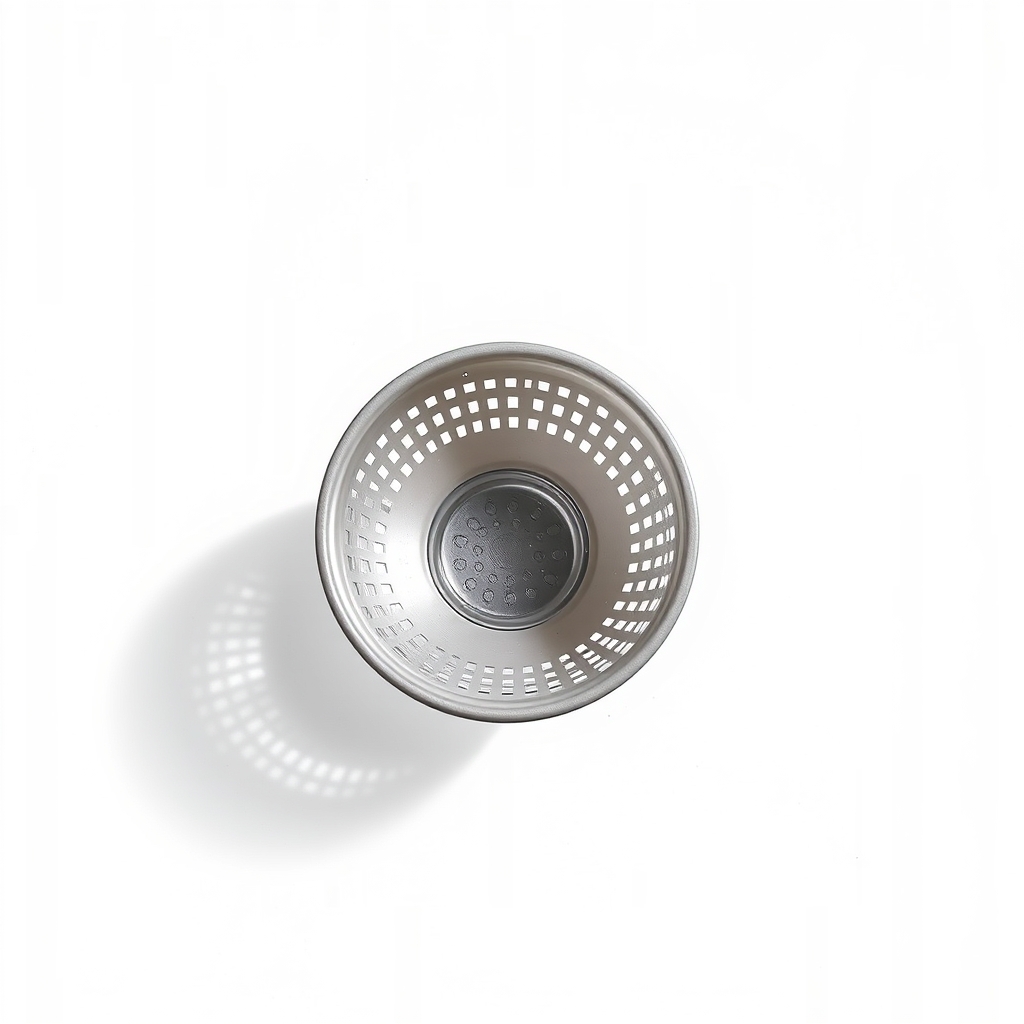
Sink strainer basket
Keeps food scraps out of the pipe
Why it happens
Grease that cools and sticks
Warm fat runs down the drain as a liquid. Farther along the pipe it cools and turns into a waxy coat on the wall. Dish soap breaks it up for a moment, but the fat sets again further down.
Starchy and fibrous scraps
Rice, pasta, potato peels, coffee grounds and celery stick to the grease and form a paste. A garbage disposal grinds them small, but they still land in the same pipe.
A long, nearly flat run of pipe
Many kitchen drains run sideways inside the wall with little slope. Gravity moves the paste slowly, so it settles in the low spots and builds up there.
A clog that was never fully cleared
Water squeezes through a small channel, so the sink looks fixed. The leftover mass catches new scraps, and the clog returns, often within a few weeks.
Try this first (free)
Do these in order, starting with the simplest.
-
Check which side is slow
Run the tap. If only one bowl of a double sink is slow, the clog is in that bowl's trap. If both are slow, the clog is past the point where they join. If the dishwasher drains into this sink, hold off running it until the sink is clear.
-
Plunge with the other drain sealed
Tool used: Flat-bottom sink plungerAdd enough water to cover the plunger cup. Press a wet rag into the second drain and the dishwasher port. Pump 15 to 20 firm strokes, then pull the plunger off the drain. Do not plunge if a chemical cleaner is sitting in the sink.
IllustrationCheck price on AmazonTool for this step
Flat-bottom sink plunger · A flat cup seals on a sink floor; a toilet plunger does not
-
Flush with hot soapy water
Squirt in a generous amount of dish soap, then run the hottest tap water for two or three minutes. Hot tap water is enough. Boiling water can soften PVC joints.
-
Open the P-trap and clean it
Tool used: Bucket and old towelSet a bucket under the U-bend and hand-loosen the two slip nuts. Lower the trap, empty it and scrape out the sludge. Refit it with the washers flat and tighten the nuts by hand, then a gentle snug.
-
Run an auger past the trap
Tool used: Hand-crank drain augerWith the trap off, feed the cable straight into the wall pipe and crank clockwise as it goes in. When it stops, crank to hook the clog and push a little farther. Pull back slowly while winding, and wipe the cable as it comes out. Refit the trap, then run hot water for two minutes.
IllustrationCheck price on AmazonTool for this step
Hand-crank drain auger · Reaches past the trap to the grease lining
-
Strain scraps and wipe greasy pans
Tool used: Sink strainer basketScrape plates into the trash. Wipe greasy pans with a paper towel before washing. Drop a strainer in the drain and empty it daily.
IllustrationCheck price on AmazonTool for this step
Sink strainer basket · Keeps food scraps out of the pipe
When free fixes aren't enough
If plunging and cleaning the trap clears the sink but it slows again within a month or two, the grease lining sits farther back, and that is where an auger works. Many kitchen augers reach 15 to 25 feet of pipe and break the coating loose in minutes. Call a plumber if the tub or shower gurgles, other drains are slow, or you smell sewage. That points to the main line, not the kitchen branch. Never run an auger into a drain with a chemical cleaner still standing in it.
Buy the fix
Still stuck after the free fixes? These are the products we would look at.
| Pick | Product | Fixes | Who it's for | Buy |
|---|---|---|---|---|
| Best pick | Hand-crank drain auger (snake) for kitchen sinks | grease and food paste farther down the pipe than a plunger can reach | Anyone whose kitchen sink has slowed or clogged more than once in a year. | Check price |
| Budget pick | Flat-bottom sink plunger | a soft clog close to the drain opening | A first clog, or anyone who wants to try the cheapest tool before buying an auger. | Check price |
Hand-crank drain auger (snake) for kitchen sinks
Fixes: grease and food paste farther down the pipe than a plunger can reach
Look for: A cable long enough for your run (many sink models are 15 to 25 feet); A hand crank, so you do not need a drill; A coated cable that will not scratch the pipe; A head that hooks or cuts grease, not just a smooth tip.
- Who it's for
- Anyone whose kitchen sink has slowed or clogged more than once in a year.
- Honest downside
- You have old cast-iron or fragile pipes, or other drains in the house are slow too. A plumber has the right tools for those.
Flat-bottom sink plunger
Fixes: a soft clog close to the drain opening
Look for: A flat-bottom cup, since a flanged toilet plunger will not seal on a sink floor; A cup wide enough to cover the drain opening; A firm handle you can push hard on.
- Who it's for
- A first clog, or anyone who wants to try the cheapest tool before buying an auger.
- Honest downside
- The sink clogs again within weeks, or the other bowl backs up. A plunger only moves what is near the drain.
As an Amazon Associate I earn from qualifying purchases. We don't show prices because they change, so use the button to see today's price.
How we picked: How we picked: this page draws on plumbing guides, drain tool makers' instructions and the clog problems and fixes owners describe in reviews. We do not test products by hand.
Have a garbage disposal? Do this first
Switch the disposal off at the wall and unplug it before you touch the trap. Feed the auger through the trap or the wall pipe, not up through the disposal, since the cable can bend and the blades can scratch it. If the disposal hums and will not spin, see the related page before going further.
Three habits that slow the next clog
- Wipe greasy pans with a paper towel before you wash them.
- Keep coffee grounds, rice, pasta and potato peels out of the sink.
- Run hot water for 30 seconds after you wash greasy dishes.
What to skip
Chemical drain cleaners and hot-water-only fixes
Liquid cleaners often melt a channel through the grease and leave the rest behind. The caustic water that sits in the pipe can splash on you when you plunge or open the trap. Hot water alone just pushes the grease farther down, where it cools and sets again. Put cooled cooking fat in a can in the trash instead.
Frequently asked questions
Why does my kitchen sink keep clogging even though I use hot water?
Why is my kitchen sink not draining but not fully blocked?
Does baking soda and vinegar fix a clogged kitchen sink?
How often should I run a drain snake?
Related problems
As an Amazon Associate I earn from qualifying purchases. Affiliate disclosure