House Flies Everywhere? Traps and Habits That Clear Them Out
Flies indoors mean something nearby is feeding and breeding them. Find the source, close the gaps, then use traps to catch the ones left over.
By Jamilur Rahman Updated November 5, 2026 · 7 min read
- Time
- 1 hour, then daily habits
- Cost
- Under $20
- Difficulty
- Easy
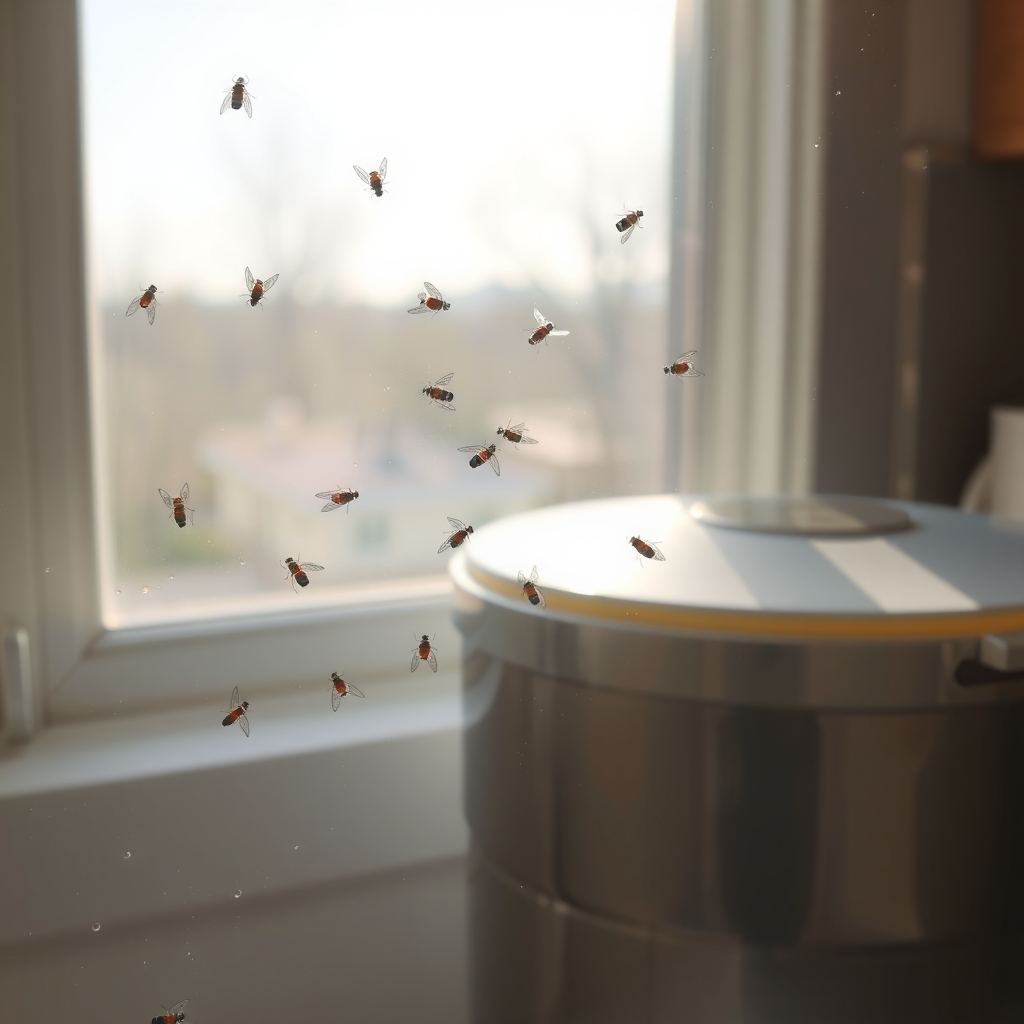
In this guide
Quick answer
To stop house flies, find what they are breeding in (usually trash, spoiled food, pet waste, or a dirty bin), remove it, and close the gaps they use to get in. Swat or vacuum the flies already inside. Then use indoor fly traps to catch the rest while the next batch dies out. A sudden swarm with a rotting smell can mean a dead animal in a wall or attic, so check for that before you blame the kitchen.
Free fix vs. permanent fix
Remove the source and shut them out
- Empty the trash daily and rinse the can
- Cover food and wipe up crumbs, spills, and pet bowls
- Patch screens and close gaps under doors
- Swat or vacuum the flies already inside
How long it lasts: If you find the breeding spot, flies fade in one to two weeks. They come back as soon as waste sits out again or a door stays open.
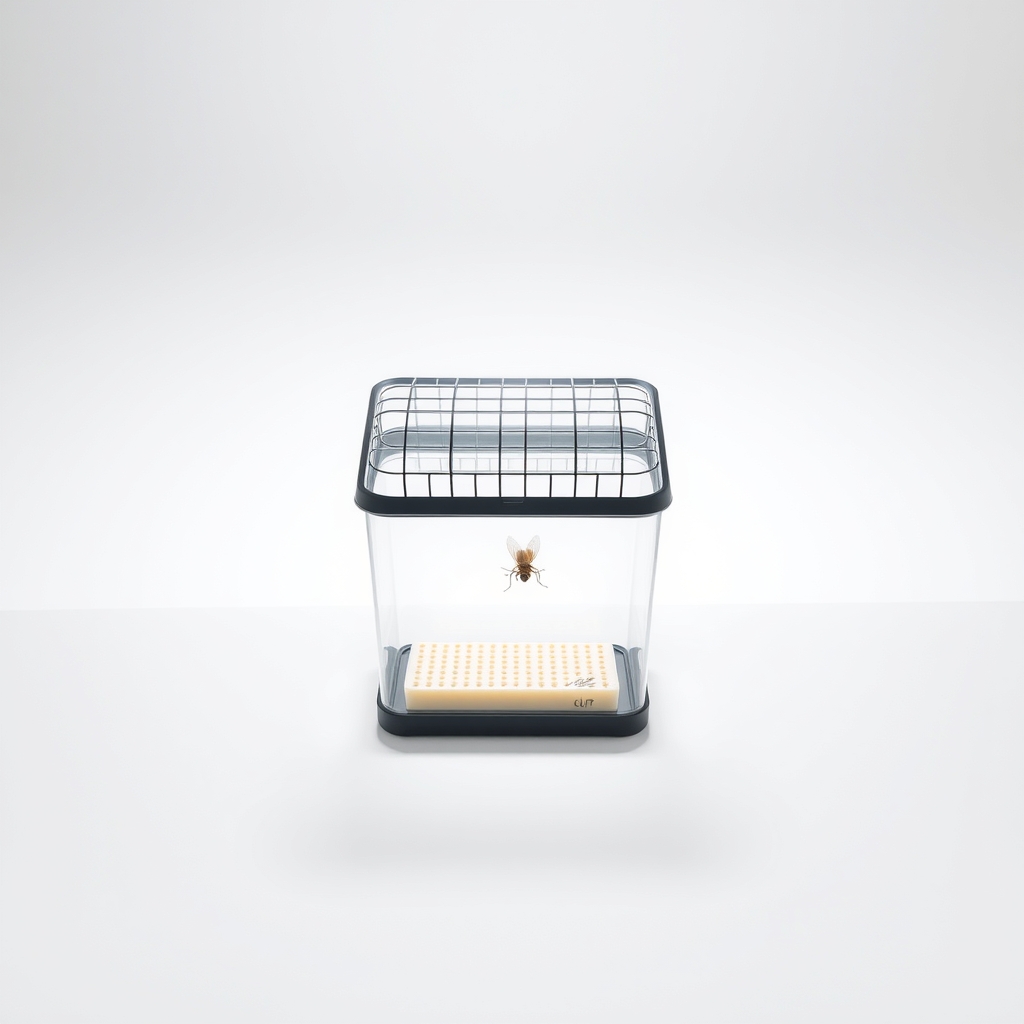
An indoor fly trap that works around the clock
Eggs laid before you cleaned up keep hatching for a week or two, and a few flies always slip in through an open door. A light or glue trap catches them as they land, so you stop chasing them. It is the cleanup step after you remove the source, not a replacement for it.
What to get: Indoor light fly trap with replaceable glue board
How long it lasts: Weeks per refill, and it catches flies while you sleep or are out
As an Amazon Associate I earn from qualifying purchases.
What you'll need
-
Fly swatter
For slow flies on windows and walls
You have it -
Vacuum with a hose attachment
Pulls flies off ceilings and windows; empty the bin outside afterward
You have it - Illustration
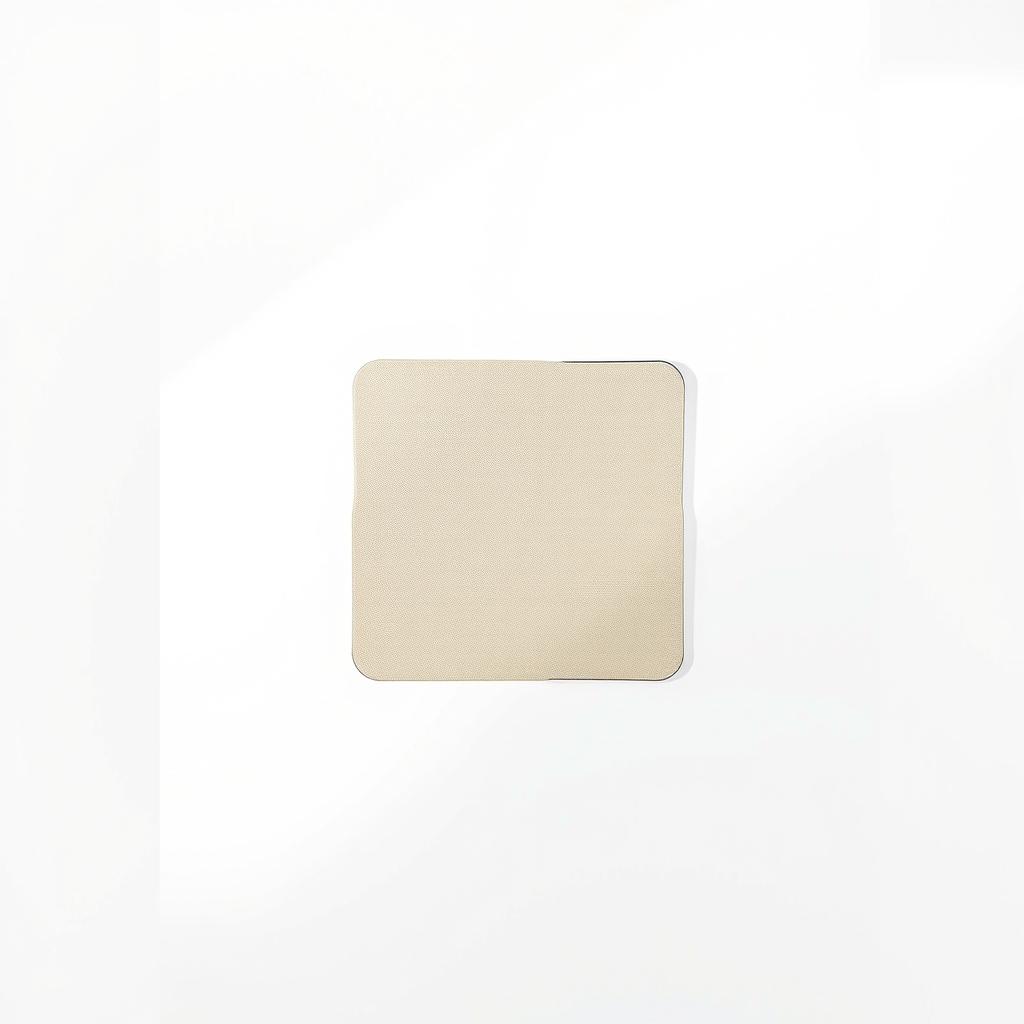
Window screen repair patches
Seals small holes and tears in screens
- Illustration
Door sweep
Closes the gap under an exterior door
- Our pick Illustration
Indoor fly trap
Catches what the habits miss
- Illustration
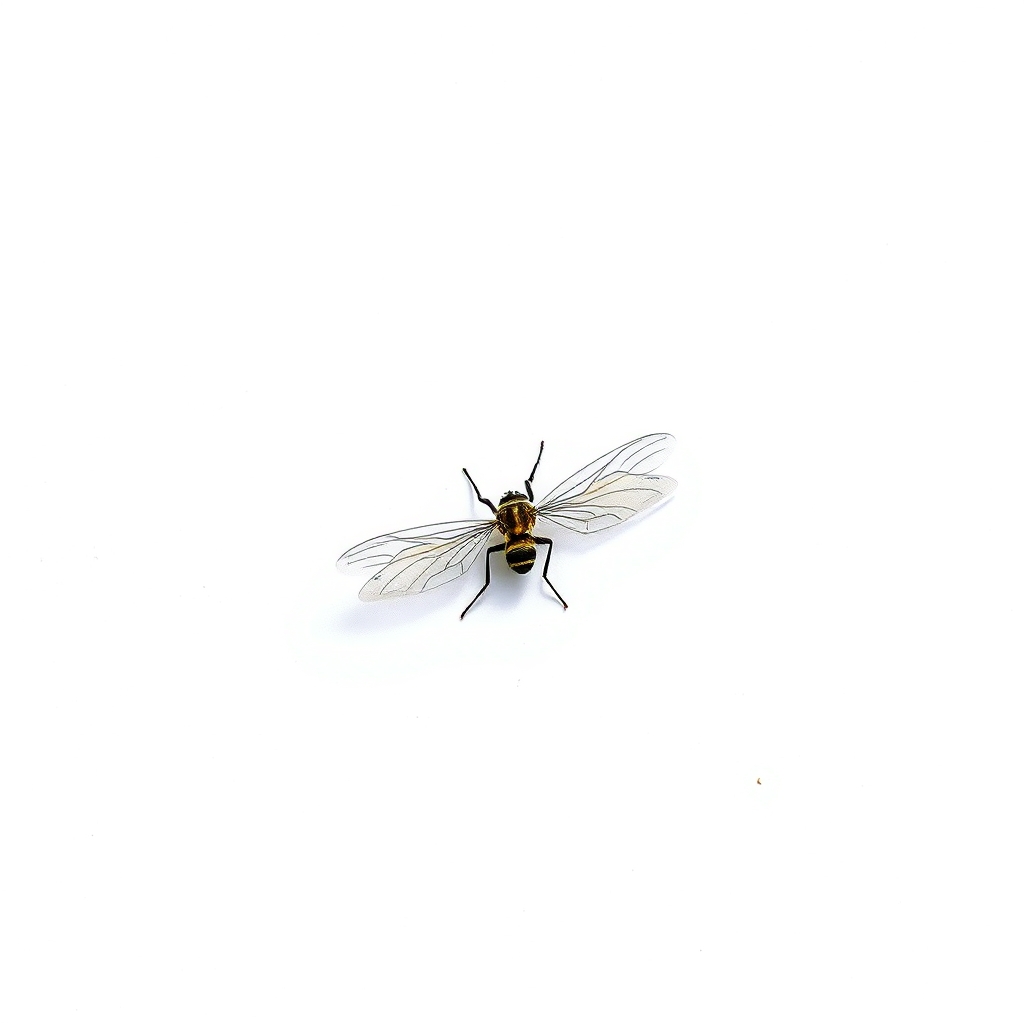
Sticky fly strips
Cheap trap for windows and doors
Why it happens
Garbage and food waste
House flies lay eggs in rotting food, trash, and compost. In warm weather an egg can turn into an adult fly in about one to two weeks, so one forgotten bag can produce dozens.
Pet waste, litter boxes, and pet food
Dog waste, litter that is not scooped, and damp pet food are favorite egg-laying spots. Flies in a house with pets often start there.
Open doors and torn screens
Flies mostly come in from outside. A gap under a door, a ripped screen, or a door propped open near the trash lets in a steady stream.
A hidden source inside the walls or attic
A dead mouse or bird in a wall, vent, or attic draws flies in numbers, and the smell gives it away. In fall, cluster flies also gather in wall voids and show up at sunny windows.
Try this first (free)
Do these in order, starting with the simplest.
-
Find and remove the breeding spot
Check the bottom of the trash can, under the sink, pet bowls, the garage bin, and any compost. Small white maggots mean you have found it. Bag whatever is rotting and put it in an outdoor bin with a lid.
-
Wash the trash can and keep the lid shut
Scrub the can with hot soapy water, dry it, and use a lid that closes fully. Take the trash out every day until the flies are gone, and rinse cans and bottles before they go in.
-
Close the ways in
Tool used: Window screen repair patchesPatch holes in screens, add a door sweep where you can see daylight under a door, and keep doors closed behind you. Flies find even small gaps around windows that are propped open.
IllustrationCheck price on AmazonTool for this step
Window screen repair patches · Seals small holes and tears in screens
-
Clear the flies already inside
Tool used: Fly swatterFlies on windows are slow, so swat them or pull them off with a vacuum hose. Empty the vacuum bin outside right away so they do not crawl back out.
-
Put traps where flies land
Tool used: Indoor fly trapHang sticky strips or place a light trap near windows, the back door, and the trash area, away from where you prepare food. Check them weekly and replace them when they are full.
IllustrationCheck price on AmazonTool for this step
Indoor fly trap · Catches what the habits miss
When free fixes aren't enough
If the trash and food sources are gone and you still see flies after two weeks, there is a source you have not found. Check wall voids, the attic, sink traps, the garage, and bins outdoors near the door. A sharp rotting smell in one room can mean a dead animal, and a pest pro can find and remove it. If the flies keep coming from outside, traps become your main defense, because no door or screen is perfect.
Buy the fix
Still stuck after the free fixes? These are the products we would look at.
| Pick | Product | Fixes | Who it's for | Buy |
|---|---|---|---|---|
| Best pick | Indoor light fly trap with replaceable glue board | flies that keep arriving after you remove the source | Homes with flies near the kitchen, back door, or trash area. | Check price |
| Budget pick | Sticky fly strips or window traps | stray flies at windows and doors | Anyone with a small number of flies who wants the cheapest option. | Check price |
Indoor light fly trap with replaceable glue board
Fixes: flies that keep arriving after you remove the source
Look for: A replaceable glue board, so there is no zapper mess; Coverage that fits the room size in the listing; A cover or grille so kids and pets cannot touch the glue.
- Who it's for
- Homes with flies near the kitchen, back door, or trash area.
- Honest downside
- You only see two or three flies a week. Sticky strips cost less and do the job.
Sticky fly strips or window traps
Fixes: stray flies at windows and doors
Look for: Non-toxic glue that does not drip; Clear panels that stick to glass; Easy to peel off and replace.
- Who it's for
- Anyone with a small number of flies who wants the cheapest option.
- Honest downside
- You see more than a few flies a day. A light trap catches more.
As an Amazon Associate I earn from qualifying purchases. We don't show prices because they change, so use the button to see today's price.
How we picked: How we picked: this page is based on extension-service pest guides, pest-control basics, trap makers' use instructions, and the problems and fixes owners report in reviews. We do not test products by hand.
Which fly is it? A quick check
- House fly: gray, about a quarter inch, buzzes around trash and food. This page.
- Fruit fly: tiny and tan, hovers over fruit, drains, and wet sponges.
- Drain fly: fuzzy and moth-like, rests on walls near sinks and showers.
- Cluster fly: larger, slow, dark, gathers at sunny windows in fall and spring.
Where to place traps
Put traps where flies already land: on sunny windows, near the back door, and a few feet from the trash can. Keep them away from food prep areas and out of reach of children and pets. A trap placed in the middle of an empty room catches little. Replace sticky strips when they are covered, and move a light trap if it catches nothing for a week.
What to skip
Indoor bug sprays and foggers
Aerosols only kill the flies you hit, and they leave fumes in a room where you cook and eat. They do nothing to the eggs and maggots in your trash. Fix the source, and let traps do the rest.
Frequently asked questions
Why is my house infested with flies?
How do I get rid of house flies fast?
Do vinegar traps work on house flies?
Why are there flies in my house in winter?
How long do house flies live?
Related problems
 Free fix inside
Kitchen · Kitchen Trash Can
Flies in the Kitchen Trash Can? Tight Lids and Habits That Stop Them
Read the fix Free fix inside
Kitchen · Fruit Flies
How to Get Rid of Fruit Flies in the Kitchen: Traps That Beat Vinegar
Read the fix Free fix inside
Kitchen · Fruit Flies
Fruit Flies Coming From the Drain? The Enzyme Gel That Reaches Them
Read the fix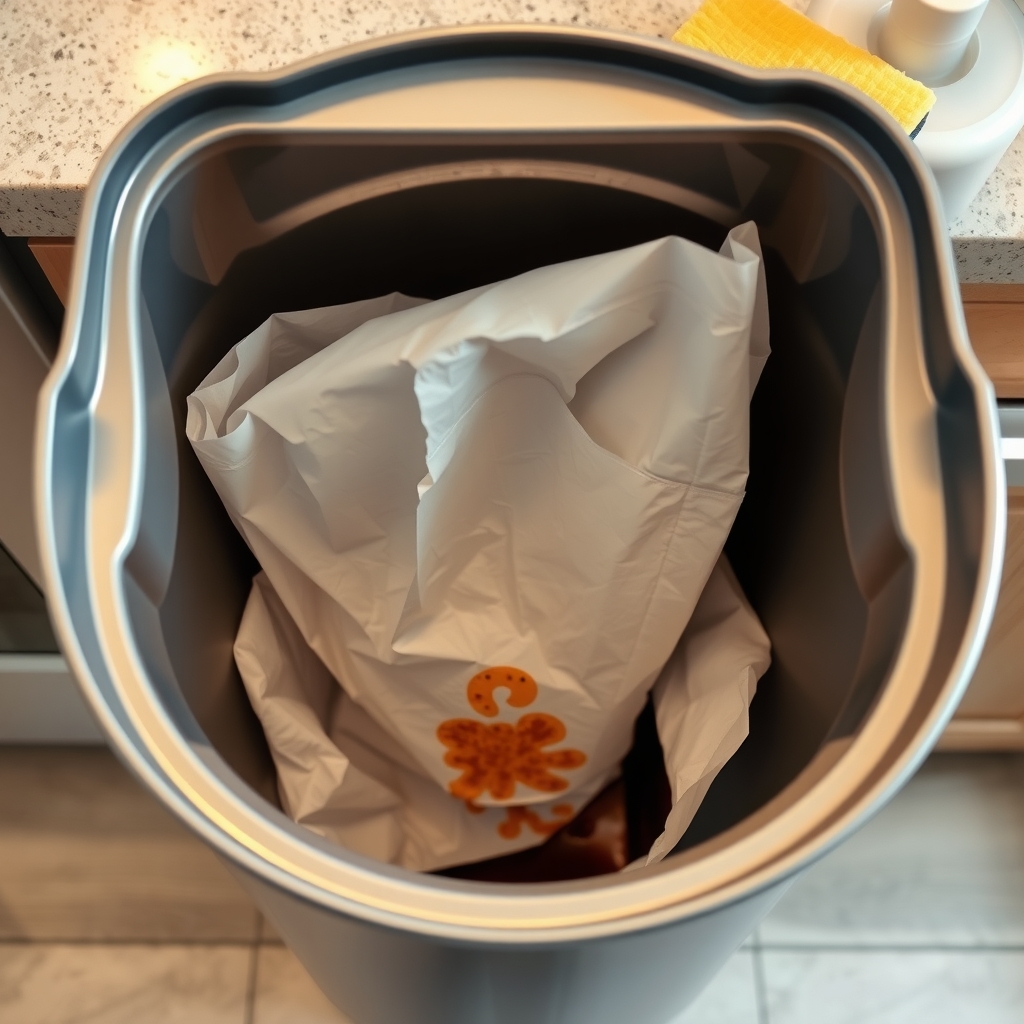 Free fix inside
Kitchen · Kitchen Trash Can
Kitchen Trash Can Always Smells? Why It Happens and What Lasts
Read the fixAs an Amazon Associate I earn from qualifying purchases. Affiliate disclosure