Dishwasher Not Draining? The Filter and Hose Checks, in Order
Standing water means something is blocking the way out. Check the filter, then the sink connection and the drain hose, before you blame the pump.
By Jamilur Rahman Updated November 5, 2026 · 7 min read
- Time
- 45 min
- Cost
- $20-$50
- Difficulty
- Medium
In this guide
Quick answer
Dishwasher not draining is usually a blocked path: a clogged filter, the disposal or sink connection, or a kinked or clogged drain hose. Turn off the power, scoop out the water, clean the filter, then check the sink side and the hose in that order. A hose that is crushed, cracked or clogged beyond cleaning is the part to replace.
Free fix vs. permanent fix
Clean the filter and clear the path
- Cut power and scoop out the standing water
- Take out and rinse the filter, then check the sump
- Run the disposal and check the air gap
- Straighten kinks and look inside the drain hose
How long it lasts: Months to years if food debris was the cause. A kinked or brittle old hose can clog again.
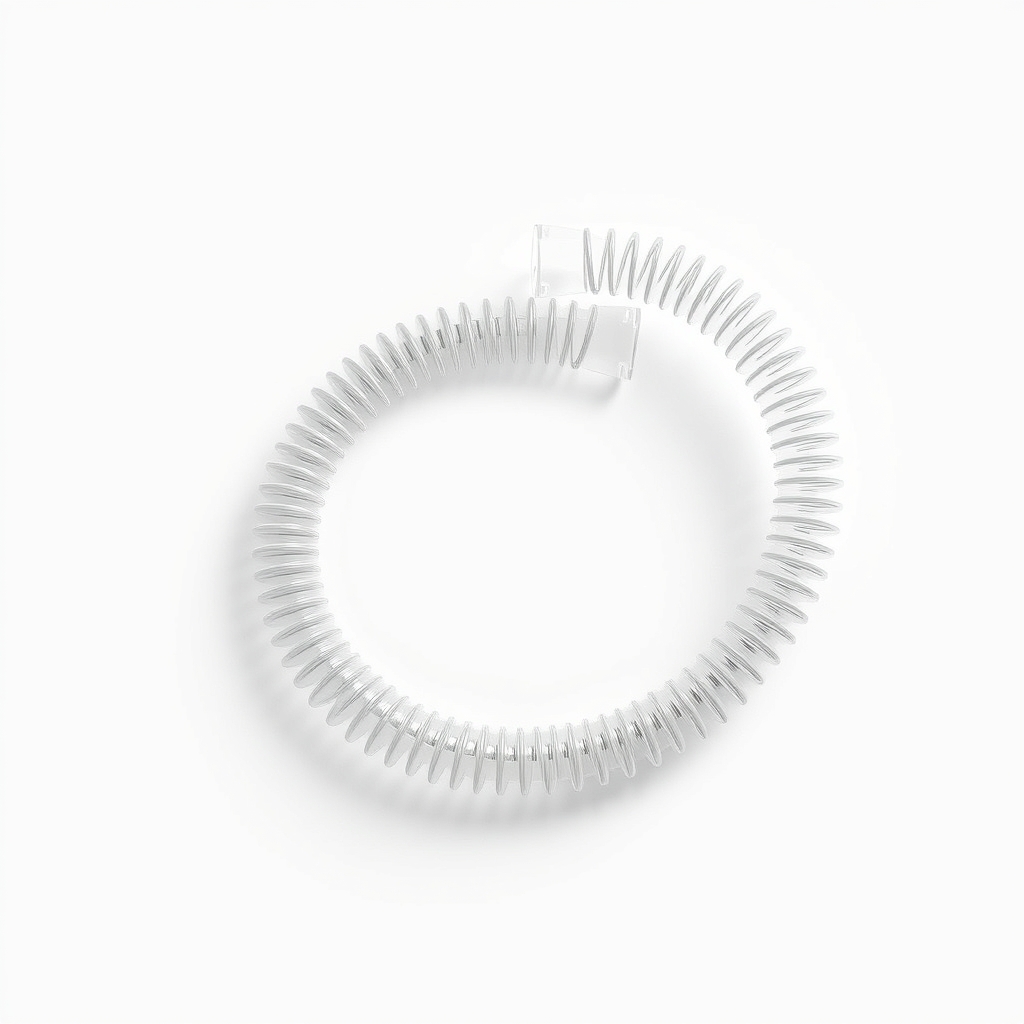
A new drain hose
If the hose is crushed, cracked or packed with grease, cleaning only helps for a while. A new hose gives wastewater a clear path out, and the high loop stops sink water running back in. The free checks tell you whether the hose is the culprit.
What to get: Dishwasher drain hose
How long it lasts: Years. A smooth, correctly sized hose with a high loop keeps the drain flowing.
As an Amazon Associate I earn from qualifying purchases.
What you'll need
-
Flashlight
For looking into the sump and under the sink
You have it -
Towels and a shallow pan
For the water that comes out
You have it -
Soft brush
An old toothbrush cleans the filter and air gap
You have it -
Screwdriver and pliers
For the hose clamps
You have it - Our pick Illustration
Replacement dishwasher drain hose
Match the length and the end fittings to your old one
- Illustration
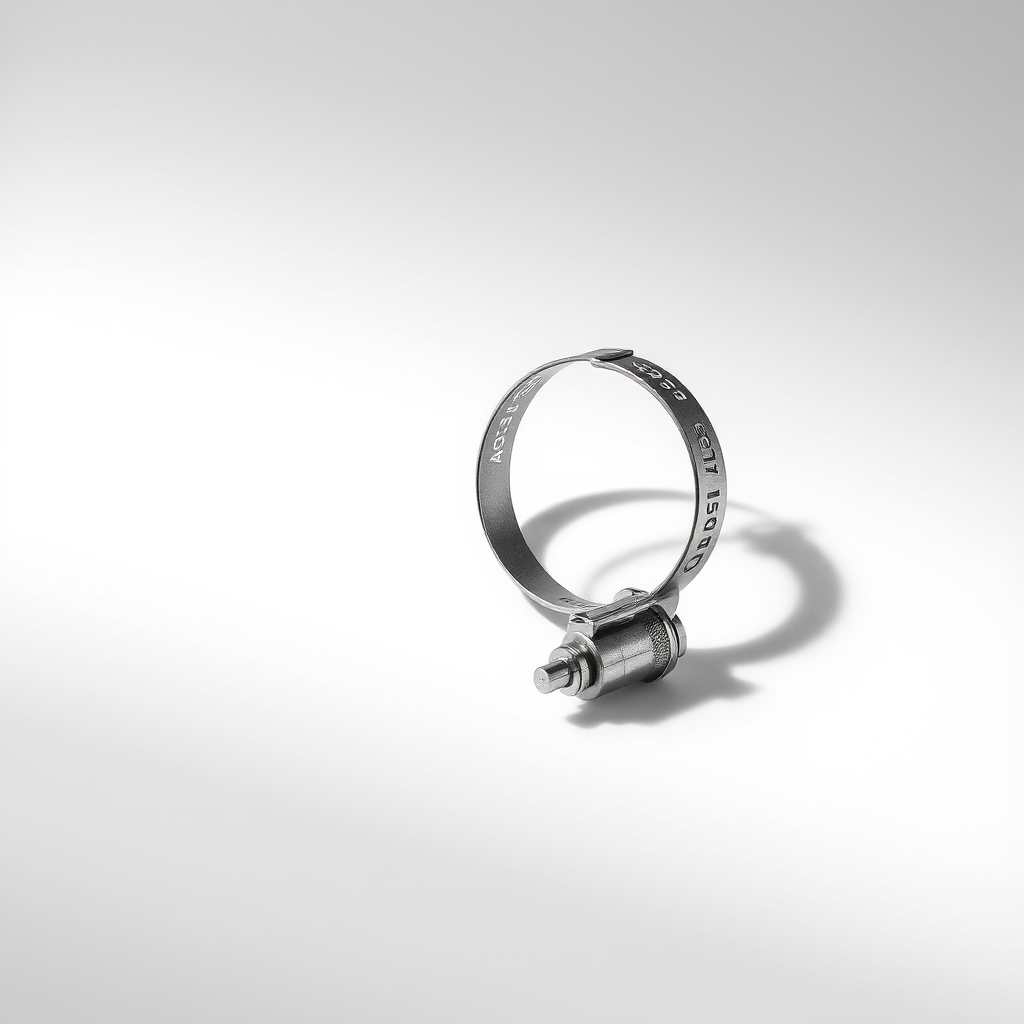
Hose clamps
Fit new ones whenever you replace the hose
Why it happens
A clogged filter
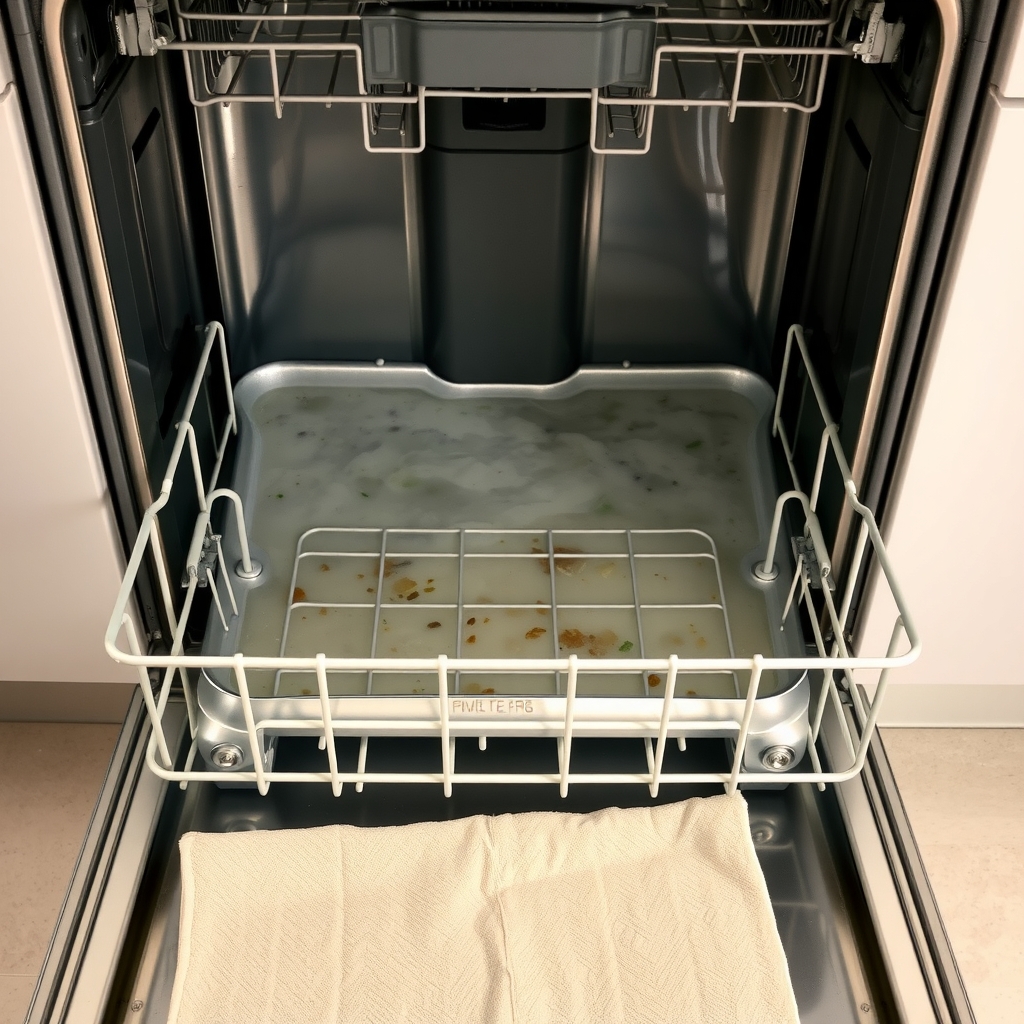
Food, labels and bits of glass collect in the filter and the sump. Water cannot pass, so it sits in the bottom.
A blocked disposal or sink connection
The dishwasher drains into the garbage disposal or the sink drain pipe. A clogged disposal or sink drain stops it. A new disposal with its dishwasher knockout plug still in place blocks the port.
A clogged or kinked drain hose
The hose can be kinked behind the unit, crushed or packed with food and grease. Old hoses go soft and collapse.
A clogged air gap
If your sink has a small cap beside the faucet, that is an air gap. Debris can clog it and back water into the dishwasher.
A jammed or failed drain pump
A pump jammed with glass or with a dead motor leaves water in the tub. You may hear a hum, or nothing at all, when it should drain.
Try this first (free)
Do these in order, starting with the simplest.
-
Cut the power and scoop out the water
Tool used: Towels and a shallow panSwitch off the breaker, or unplug the cord if you can reach it. Bail out standing water with a cup and sponge. Put towels down first.
-
Clean the filter and sump
Tool used: Soft brushPull the lower rack, twist out the filter and rinse it under warm water with a soft brush. Check the sump below it for glass, labels and seeds. Put the filter back in firmly.
-
Run the disposal and clear the sink
Turn on the garbage disposal and run cold water for 30 seconds. Remove anything stuck in the sink drain. If the sink drains slowly too, the clog is in the sink line, not in the dishwasher.
-
Check the air gap
Tool used: Soft brushIf you have one, pop off its cap and clear the gunk with a small brush. Run water through it to be sure it flows.
-
Check the drain hose
Tool used: FlashlightLook under the sink for the ribbed hose. It should rise to a high loop under the countertop before it reaches the disposal or drain. Straighten any kinks. If you can, loosen the clamp, point the end into a pan and look inside for clogs.
-
Replace a hose that is crushed or clogged
Tool used: Replacement dishwasher drain hoseMatch the length and the end fittings to your old hose. Use new clamps, make the high loop under the counter, and run a short cycle to test.
IllustrationCheck price on AmazonTool for this step
Replacement dishwasher drain hose · Match the length and the end fittings to your old one
When free fixes aren't enough
If the filter is clean, the disposal and sink drain freely, and the hose is clear, the next suspect is the drain pump or its control. A pump that hums but does not move water is jammed, and a silent one has failed. If the hose is old, hard, cracked or collapsed, a new hose costs little and is the better fix than another cleaning. If the dishwasher is over 10 years old, compare the repair price with a new machine. Keep the power off whenever you reach near the pump.
Buy the fix
Still stuck after the free fixes? These are the products we would look at.
| Pick | Product | Fixes | Who it's for | Buy |
|---|---|---|---|---|
| Best pick | Dishwasher drain hose | a crushed, kinked, cracked or clogged drain hose | Anyone whose old hose is brittle, collapsed or packed with debris. | Check price |
| Upgrade pick | 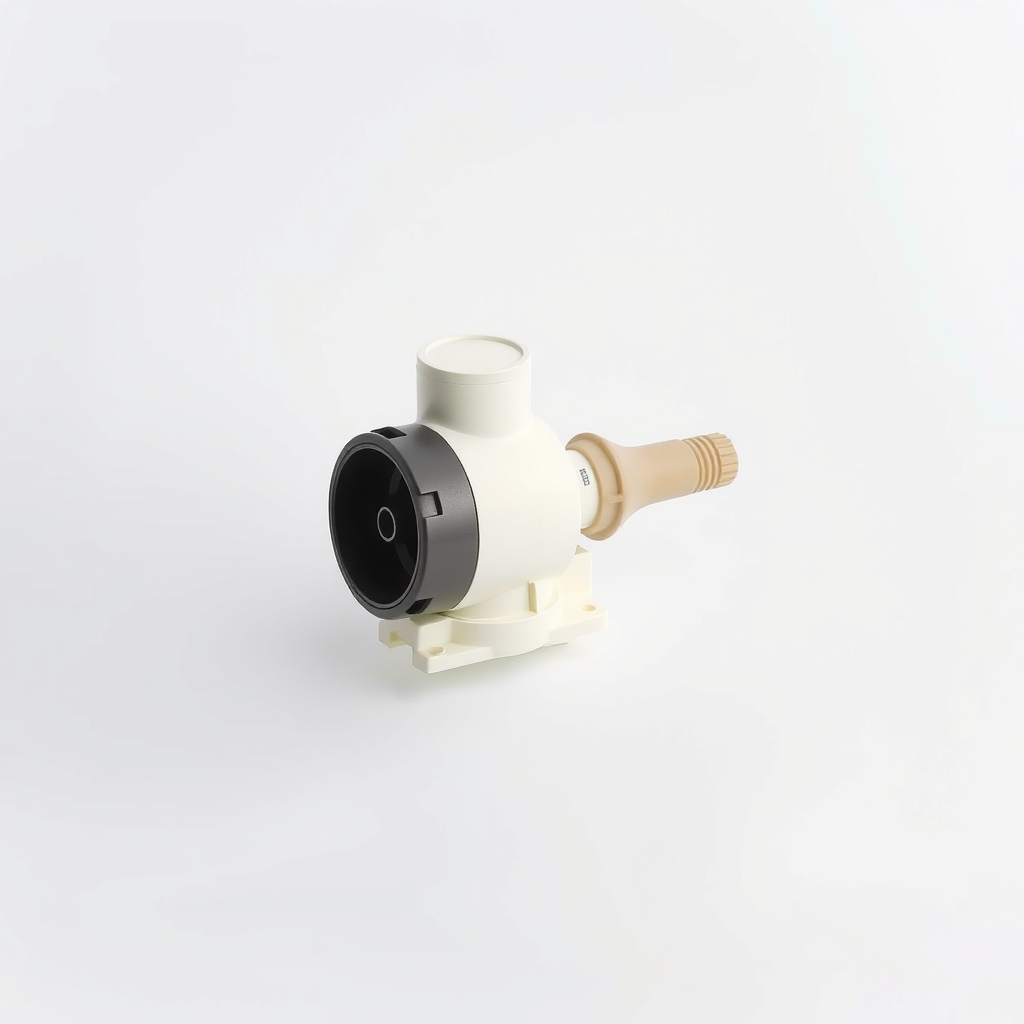 Dishwasher drain pump | a drain pump that hums, is jammed or does not run | Owners who found the filter, sink and hose all clear and are comfortable with a repair. | Check price |
Dishwasher drain hose
Fixes: a crushed, kinked, cracked or clogged drain hose
Look for: A length that reaches the sink with room for a high loop; A diameter and end fittings that match your old hose; A ribbed or reinforced wall that resists kinking; Clamps included, or bought separately.
- Who it's for
- Anyone whose old hose is brittle, collapsed or packed with debris.
- Honest downside
- The hose is clear and straight when you check it. The problem is elsewhere.
Dishwasher drain pump
Fixes: a drain pump that hums, is jammed or does not run
Look for: Listed for your dishwasher's brand and exact model number; Includes the seals or gaskets it needs; Matches the connectors on your old pump.
- Who it's for
- Owners who found the filter, sink and hose all clear and are comfortable with a repair.
- Honest downside
- You are not comfortable working on an unplugged appliance, or the dishwasher is over about 10 years old and a new one costs about the same.
As an Amazon Associate I earn from qualifying purchases. We don't show prices because they change, so use the button to see today's price.
How we picked: How we picked: this page is based on dishwasher owner's manuals, appliance repair guides, and what owners report in reviews of drain hoses and pumps. We do not test products by hand.
The high loop: why the hose bends up
Most dishwasher drain hoses rise to the underside of the countertop and then drop to the disposal or drain. That loop keeps sink water from running back into the dishwasher. If yours runs low along the cabinet floor, water can back up and the dishwasher can drain slowly. Hold the loop in place with a strap or bracket under the counter, as your manual shows.
What to skip
Chemical drain cleaner in the tub
Do not pour drain cleaner into the dishwasher. It can damage rubber seals and hoses, and it is dangerous if it splashes when you reach in. Clearing the clog by hand works better. Running more cycles hoping it clears just adds water.
Frequently asked questions
Why is my dishwasher not draining after I installed a new garbage disposal?
Why does my dishwasher not drain even when the filter is clean?
Dishwasher not draining all the way, or dishwasher not draining completely: is that normal?
How to fix dishwasher not draining without calling a repair person?
How to fix dishwasher that won't drain and hums?
Related problems
 Free fix inside
Kitchen · Dishwasher Leaks
Dishwasher Leaking? Check the Door Seal First, Then the Hose
Read the fix Free fix inside
Kitchen · Kitchen Sink Gurgling
Kitchen Sink Gurgling? What the Sound Means and the 5-Minute Fix
Read the fix Free fix inside
Kitchen · Kitchen Sink
Kitchen Sink Keeps Clogging? Stop the Grease Buildup for Good
Read the fix Free fix inside
Kitchen · Dishwasher
Dishwasher Smells Bad? Clean the Filter First, Then Run This Cycle
Read the fixAs an Amazon Associate I earn from qualifying purchases. Affiliate disclosure