Robot Vacuum Stuck Under the Couch? Risers or Barriers: Which Wins
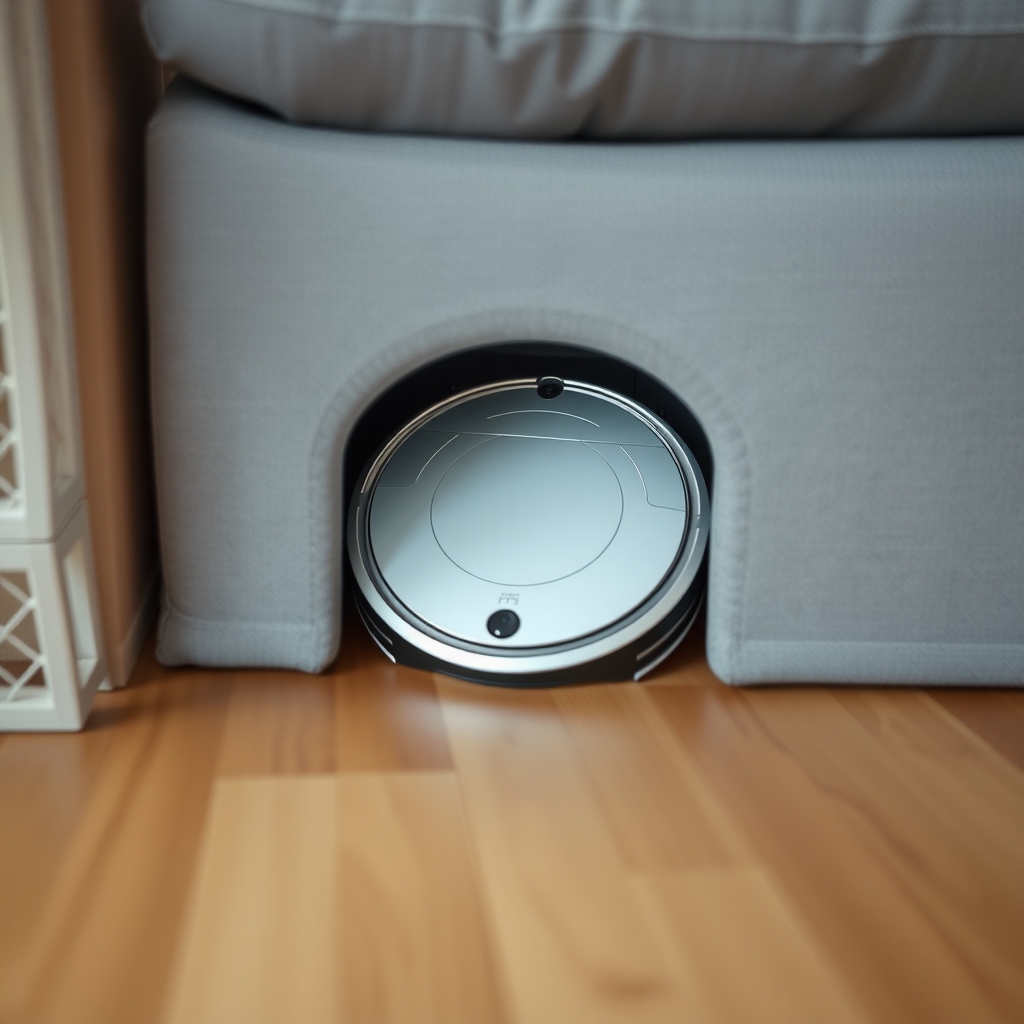
The gap is a hair too tight for the robot to turn or back out. Lift the couch with risers so it clears, or block the gap when lifting is not an option.
By Jamilur Rahman Updated November 5, 2026 · 6 min read
- Time
- 20 min
- Cost
- $20-$50
- Difficulty
- Easy
In this guide
Quick answer
A robot vacuum gets stuck under the couch because the gap is just a bit taller than the robot, or because the robot cannot turn around once it is in. Measure the robot and the gap. If the gap leaves less than about an inch above the robot, raise the couch with risers, which also lets the robot clean under it. If you cannot lift the couch, block the gap with a barrier or draw a no-go zone in the app.
Free fix vs. permanent fix
Block the gap or set a no-go zone
- Measure the robot and the gap
- Draw a no-go box in the app, if your robot has a map
- Line the front of the couch with rolled towels or a pool noodle
- Clear cords and fringe from under the couch
How long it lasts: As long as the barrier stays put. A towel or pillow shifts, and then the robot is back under there. Dust under the couch keeps building.
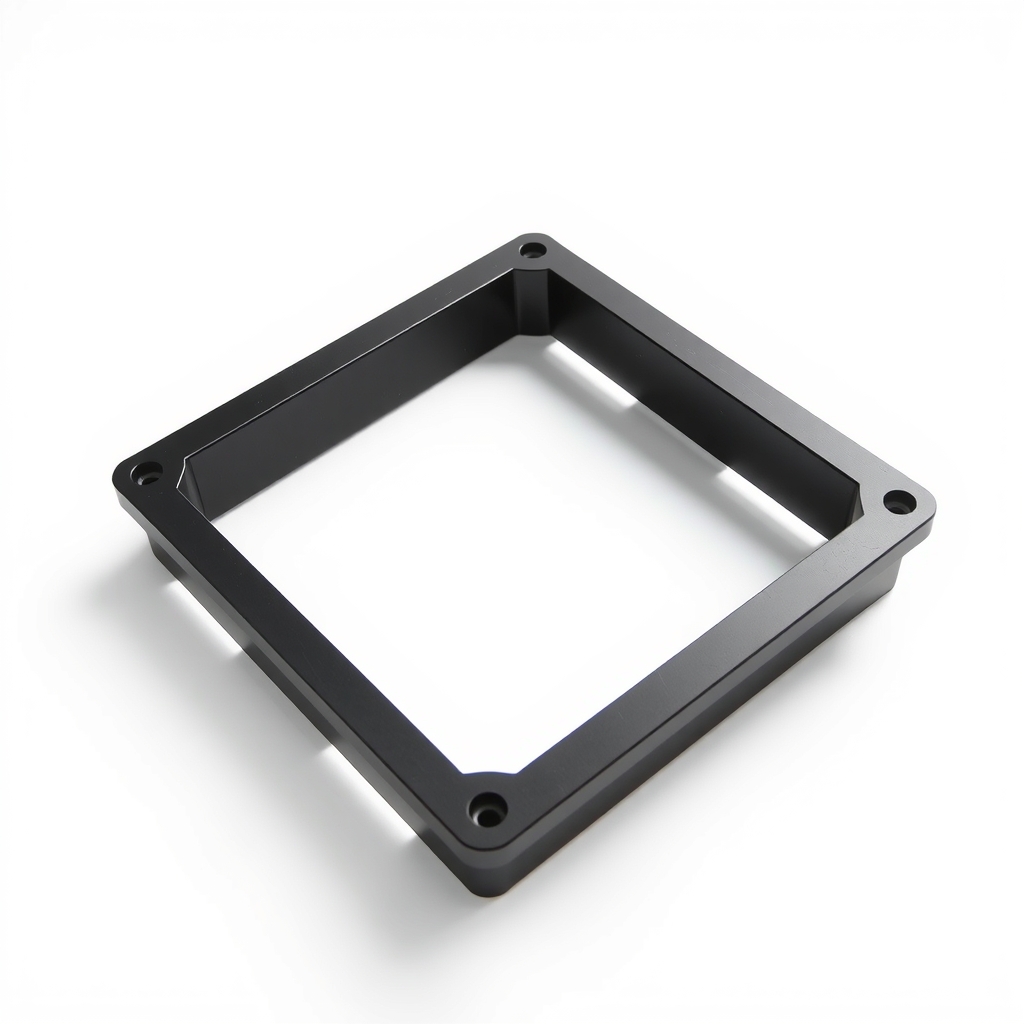
Furniture risers for the couch legs
The robot sticks because the gap is a little too low. Risers add height at the legs, so it clears with room to turn. A barrier keeps the robot out but leaves the dust. Risers fix the cause, and they let the robot clean the spot where dust and pet hair collect.
What to get: Furniture risers for couch legs
How long it lasts: Years. The gap stays the same height, so the robot goes in, cleans and gets out.
As an Amazon Associate I earn from qualifying purchases.
What you'll need
-
Tape measure
To measure the robot and the gap
You have it -
Rolled towels or a pool noodle
A quick stopgap barrier
Free - Our pick Illustration
Furniture risers for couch legs
Pick a height that gives the robot room to spare
- Illustration
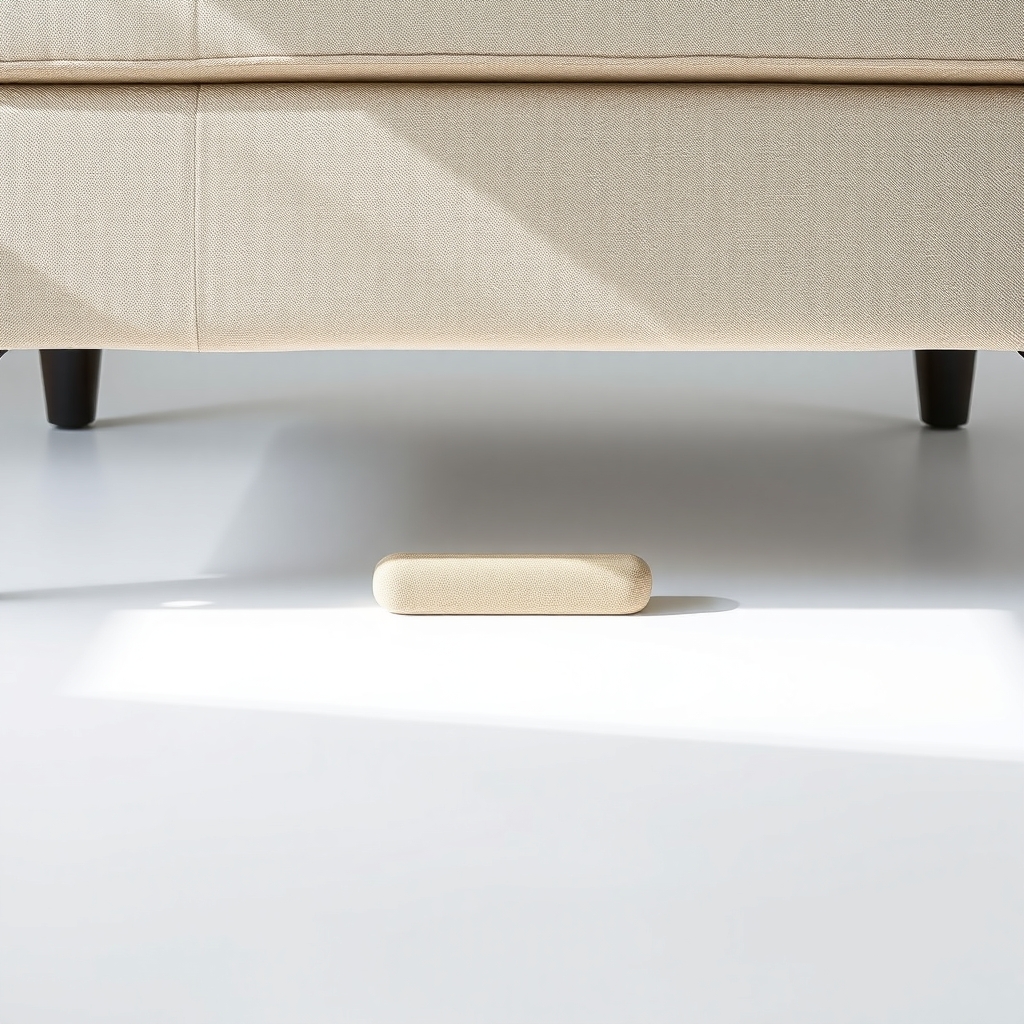
Under-couch gap blockers
For couches you cannot lift
Why it happens
A gap that is only slightly too tall
Many robots stand about 3 to 4.5 inches tall, and your spec sheet lists yours. A gap just above that lets the robot in, but it jams on a cross bar or the sag in the frame.
A sagging couch frame
Couches sag with age. The middle drops lower than the legs, so the robot wedges at the center or at the back.
Fringe, skirts and cords
Couch skirts, tassels and cables wind around the brushes or lift the wheels off the floor.
A robot that cannot back out
Once the robot is under a low couch, its sensors may read as blocked on all sides, so it cannot tell which way is out.
A thick rug under the front legs
A plush rug lifts the robot's wheels or makes the gap lower than it looks, so the wheels spin and it stalls.
Try this first (free)
Do these in order, starting with the simplest.
-
Measure both heights
Tool used: Tape measureMeasure the robot from floor to the top of its highest point, including any raised sensor. Then measure the gap under the couch at its lowest spot, usually the center. Aim for the robot's height plus at least an inch of clearance.
-
Set a no-go zone
If your robot has an app with a map, draw a no-go box in front of the couch. If it does not, use the brand's boundary strips or virtual wall, if it supports them.
-
Block the gap while you decide
Tool used: Rolled towels or a pool noodleLay a rolled towel or a pool noodle along the front edge of the couch, so the robot bumps it and turns away.
-
Clear what snags
Pick up cords and loose items, and tuck or clip up any couch skirt. Trim loose threads that can tangle the brushes.
-
Lift the couch with risers
Tool used: Furniture risers for couch legsRaise one end of the couch with a helper and slide a riser under each leg, then do the other end. Check each riser sits flat and the couch does not rock.
IllustrationCheck price on AmazonTool for this step
Furniture risers for couch legs · Pick a height that gives the robot room to spare
-
Watch one full cleaning run
Start the robot and watch it. If it still sticks, check the gap height again. A sagging center may need a taller riser or a barrier.
When free fixes aren't enough
A towel or noodle works for a week or two, until it gets kicked aside. A no-go zone only works if the robot's map is accurate. Neither one cleans under the couch, where dust and pet hair gather. Risers change the gap itself. If the couch is heavy, a sleeper sofa or a sectional, check the riser weight rating covers every leg, including any center legs, and use a helper. If lifting still leaves a gap that is too short, a barrier is the better choice.
Buy the fix
Still stuck after the free fixes? These are the products we would look at.
| Pick | Product | Fixes | Who it's for | Buy |
|---|---|---|---|---|
| Best pick | Furniture risers for couch legs | a gap too low for the robot to enter and leave | Anyone who wants the robot to clean under the couch. | Check price |
| Budget pick | Under-couch gap blockers | a robot that keeps going under furniture you cannot raise | Couches with a built-in base, or a heavy sectional where lifting is not an option. | Check price |
Furniture risers for couch legs
Fixes: a gap too low for the robot to enter and leave
Look for: A weight rating that covers your couch across all its legs; A cup or slot that holds the leg so it cannot slip out; A non-slip base for hardwood or tile; A height that lifts the gap to at least the robot's height plus an inch.
- Who it's for
- Anyone who wants the robot to clean under the couch.
- Honest downside
- Your couch sits on a solid base with no legs, or the legs are part of the frame. Use a barrier instead.
Under-couch gap blockers
Fixes: a robot that keeps going under furniture you cannot raise
Look for: Adjustable height to match your gap; A snug fit that the robot cannot push aside; A color close to your couch or floor.
- Who it's for
- Couches with a built-in base, or a heavy sectional where lifting is not an option.
- Honest downside
- You want the area under the couch cleaned. A barrier keeps the robot and its brushes out.
As an Amazon Associate I earn from qualifying purchases. We don't show prices because they change, so use the button to see today's price.
How we picked: How we picked: this page draws on robot vacuum spec sheets and manuals, furniture riser instructions and the stuck-robot problems and fixes owners describe in reviews. We do not test products by hand.
Risers or barriers: pick by your couch
- Couch with legs, gap just short: risers. The robot cleans under it.
- Couch on a solid base: a barrier or a no-go zone.
- Sectional: check every leg, including the center ones.
- Pets or kids that push things: risers do not move, and barriers can.
Lift a couch safely
Empty the couch first. Lift one end at a time with a helper, from the frame and not the arms. Keep your back straight. If the frame creaks or a leg feels loose, stop and use a barrier instead.
What to skip
Stacked books, bricks and wood blocks
Loose books, bricks or wood blocks under the legs can slip and tip the couch. They are also not rated for the weight. Use risers made for furniture.
Frequently asked questions
How high should a couch be for a robot vacuum?
Why does my robot vacuum keep getting stuck?
How do I stop my robot vacuum from going under the couch?
Are furniture risers safe for a couch?
Related problems

As an Amazon Associate I earn from qualifying purchases. Affiliate disclosure