Robot Vacuum Falling Down Stairs? Stop It With Boundary Strips
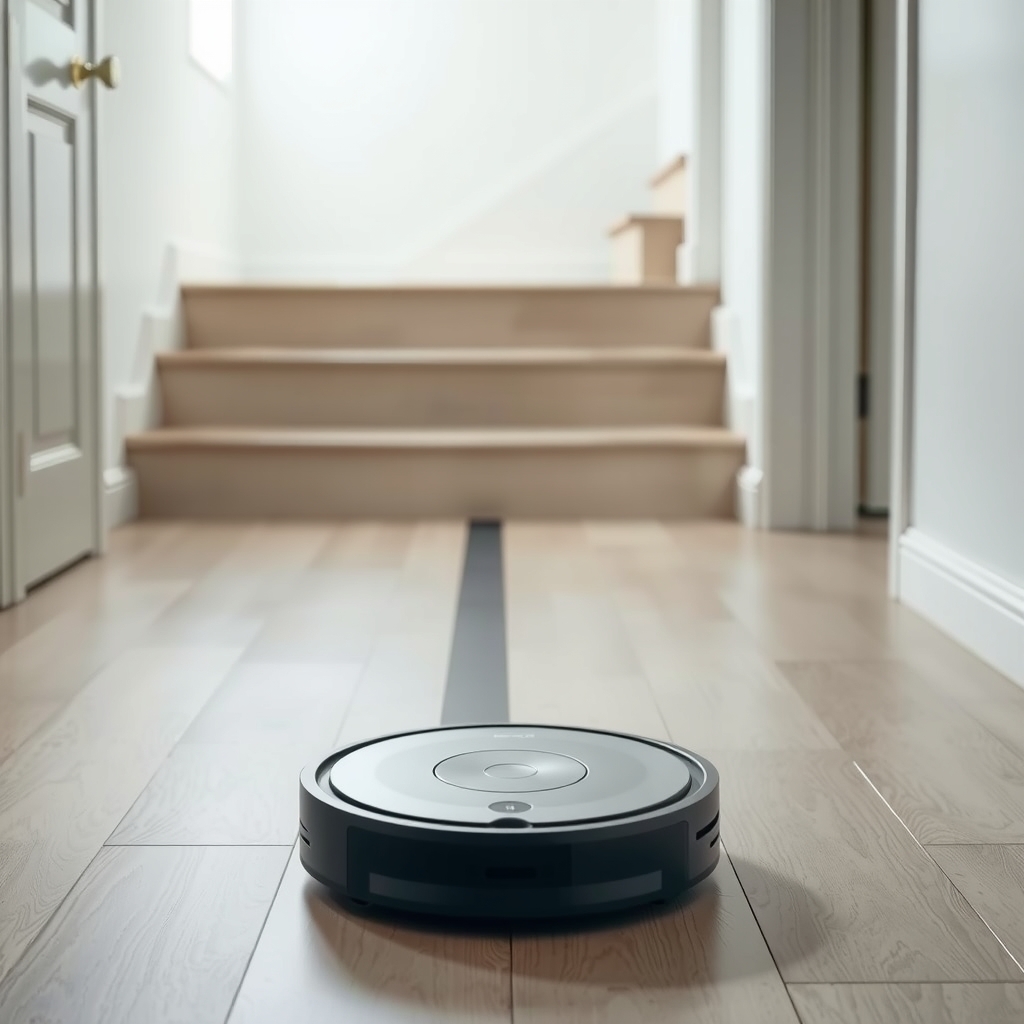
Dirty or confused cliff sensors can miss a drop. Wipe them, then lay boundary strips across the top step so the robot turns before the edge.
By Jamilur Rahman Updated November 5, 2026 · 6 min read
- Time
- 15 min
- Cost
- Under $20
- Difficulty
- Easy
In this guide
Quick answer
Most robot vacuums have cliff sensors that watch for a drop, but dust, dark or shiny floors and strong sunlight can fool them. Wipe the sensors on the underside, then lay boundary strips across the top step. Check your manual first: magnetic strips only work on robots built to read them. If yours is not, use a gate or a shut door at the stairs instead.
Free fix vs. permanent fix
Wipe the sensors and block the stairs
- Wipe the cliff sensors on the underside
- Shut the stair door or put a gate across the top
- Set a no-go zone in the app if yours has one
- Watch the first few runs from a safe distance
How long it lasts: While the sensors stay clean and the barrier stays put. Dust builds back up within weeks, and a door left open lets the robot through.
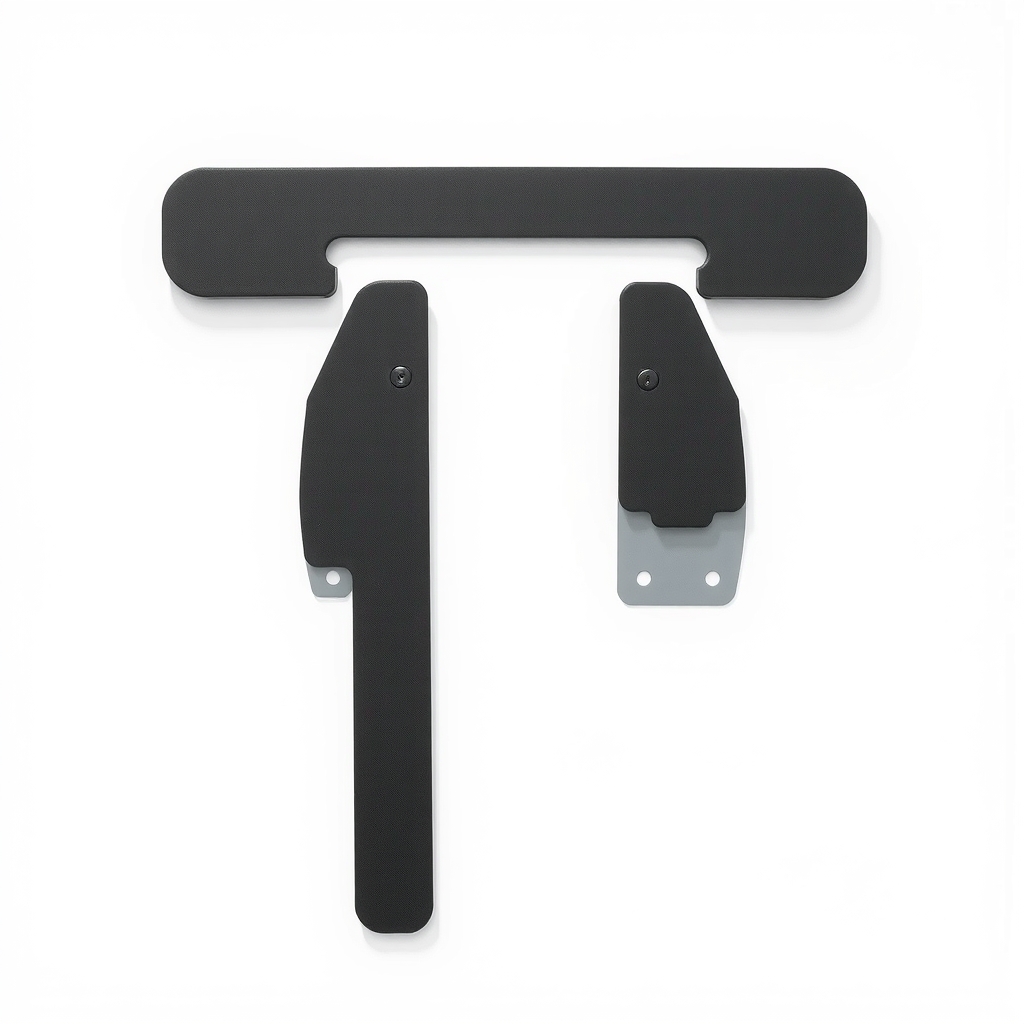
Magnetic boundary strips across the top step
Cliff sensors rely on reflected light, and light can mislead them. A magnetic strip is a line the robot reads and turns away from before it reaches the edge, so it acts as a second guard on a model that supports it.
What to get: Magnetic boundary strips for robot vacuums
How long it lasts: As long as the strip stays flat and stuck down. It does not depend on a sensor seeing the edge.
As an Amazon Associate I earn from qualifying purchases.
What you'll need
-
Microfiber cloth or cotton swabs
To wipe the cliff sensors
You have it -
Robot vacuum manual
Look for magnetic strip or boundary strip support
You have it -
Scissors
Most strips can be cut to length; check the product notes
You have it - Our pick Illustration
Magnetic boundary strips
Only for robots that list support for them
- Illustration
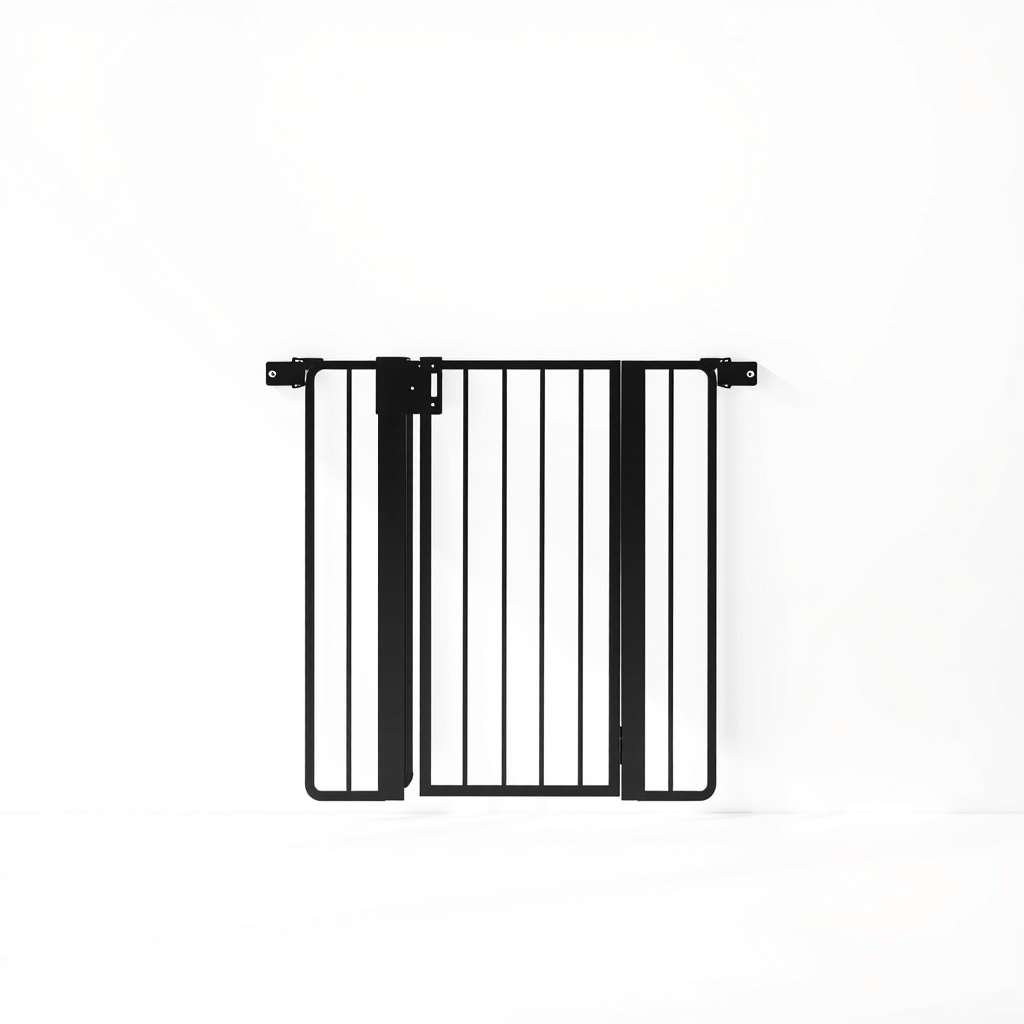
Hardware-mounted stair gate
Works with every robot
Why it happens
Dirty cliff sensors
The sensors are small windows on the underside that shine infrared light at the floor. Dust, hair or pet fur can cover them, and a dirty sensor can fail to see the drop.
Dark, shiny or patterned floors
Black carpet, dark stair edges and glossy floors can confuse infrared sensors, so a real drop can be missed or a flat floor can look like a drop.
Sunlight and glare
Direct sun on the floor near a stair window adds infrared light and can wash out the sensor's reading.
A worn or failed sensor
A cracked or damaged sensor gives no warning at all. If cleaning does not help and the robot drives over other drops, contact the maker.
Try this first (free)
Do these in order, starting with the simplest.
-
Wipe the cliff sensors
Tool used: Microfiber cloth or cotton swabsTurn the robot over and wipe each sensor window with a dry microfiber cloth or cotton swab. Check them each week, and more often with pets.
-
Check the manual for strip support
Tool used: Robot vacuum manualLook for magnetic strip or boundary strip in the manual or app. If your model does not list it, strips will do nothing. Use a gate or a shut door instead.
-
Block the stairs with something solid
Shut the stairwell door, or fit a gate across the top. Until you trust the setup, do not run the robot when nobody is home.
-
Lay the strip
Tool used: Magnetic boundary stripsPut the strip across the top of the stairs, set back from the edge as the instructions say, and flat with no gaps. Stick it down on hard floors, and on carpet press it flat and check that it does not lift.
IllustrationCheck price on AmazonTool for this step
Magnetic boundary strips · Only for robots that list support for them
-
Test from a distance
Start a run with the robot a few feet from the strip and watch it. It should turn away at the line. Repeat from different angles, in sun and in shade.
When free fixes aren't enough
Cleaning helps with dust. It cannot help with dark flooring, strong sun or a failing sensor, and a gate can be left open. A strip gives the robot a rule it reads every run. If your robot cannot read magnetic strips, buying them will not help, and a gate or a shut door is the fix. If the robot has already fallen and now makes odd noises, wanders or shows error codes, check it for damage. Do not leave it unattended near stairs, since a falling robot can hurt someone at the bottom.
Buy the fix
Still stuck after the free fixes? These are the products we would look at.
| Pick | Product | Fixes | Who it's for | Buy |
|---|---|---|---|---|
| Best pick | Magnetic boundary strips for robot vacuums | a robot that goes past the top step | Anyone whose robot manual lists magnetic strip support. | Check price |
| Upgrade pick | Hardware-mounted stair gate | robots with no strip support, and a backup for any robot | Your robot cannot read strips, or kids and pets also need the stairs blocked. | Check price |
Magnetic boundary strips for robot vacuums
Fixes: a robot that goes past the top step
Look for: Listed as compatible with your robot's brand and model; Long enough for the width of your stair opening, with a little spare; Flat and low enough that the robot rolls over it without catching.
- Who it's for
- Anyone whose robot manual lists magnetic strip support.
- Honest downside
- Your robot has no magnetic sensor. The strip will be ignored, so use a gate.
Hardware-mounted stair gate
Fixes: robots with no strip support, and a backup for any robot
Look for: Hardware-mounted, not pressure-mounted, for the top of stairs; Fits the width of your opening; A bottom gap smaller than your robot is tall.
- Who it's for
- Your robot cannot read strips, or kids and pets also need the stairs blocked.
- Honest downside
- You only need to keep the robot out. A shut door costs nothing.
As an Amazon Associate I earn from qualifying purchases. We don't show prices because they change, so use the button to see today's price.
How we picked: How we picked: this page is based on robot vacuum manuals and care guides, instructions from product makers, and the problems and fixes owners report in reviews. We do not test products by hand.
Will strips work with your robot? Three checks
- The manual or app lists them: look for magnetic strip or boundary strip.
- The maker sells them as an accessory: that is a good sign they work.
- The strip is from the same maker or listed for your model: universal strips may not trigger it.
Other ways to keep a robot off the stairs
- Shut the door to the stairwell.
- Fit a hardware-mounted gate at the top.
- Draw a no-go zone in the app, and check the map is correct.
- Use a virtual wall beacon, if your model supports one.
What to skip
Tape, rolled towels and trusting the sensors alone
A rolled towel or a line of tape at the top step is not a barrier. The robot can climb it or drag it into the brushes. Do not rely on cliff sensors alone near stairs, even on models that advertise them, and do not leave a robot running alone near an open stairwell until you have watched it turn at the barrier several times.
Frequently asked questions
How do I keep my robot vacuum from going down stairs?
Will magnetic boundary strips work with any robot vacuum?
Why does my robot vacuum ignore the stairs?
Do I need a virtual wall instead?
My robot fell once. Is it ruined?
Related problems
As an Amazon Associate I earn from qualifying purchases. Affiliate disclosure