Rug Sliding on Carpet? Grippers That Hold (and Ones to Skip)
A rug on carpet creeps because pile slides on pile. Anchor it with furniture, flatten the ripples, then add a gripper pad made for carpet.
By Jamilur Rahman Updated November 5, 2026 · 7 min read
- Time
- 30 min
- Cost
- $20-$50
- Difficulty
- Easy
In this guide
Quick answer
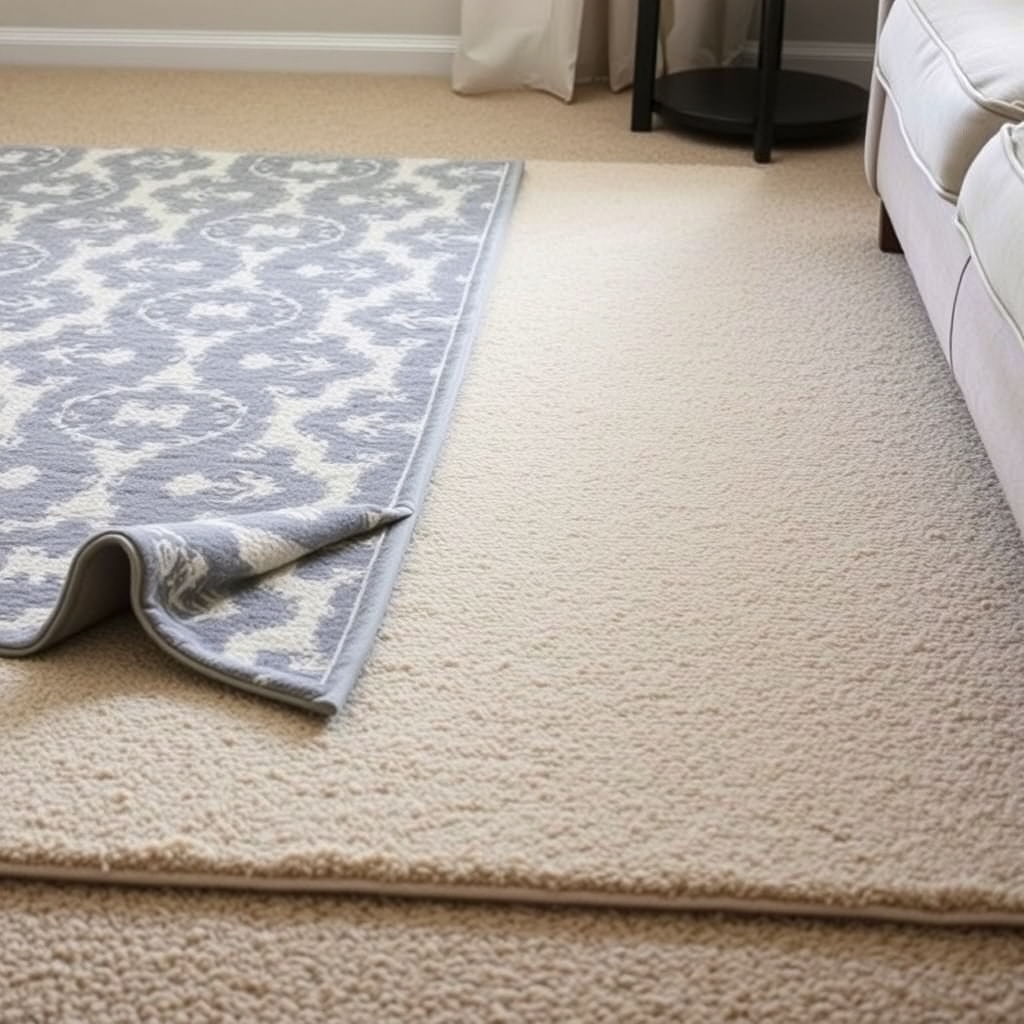
A rug creeps on carpet because soft carpet fibers bend with each footstep, so there is nothing firm for the rug to grip. Anchor it with furniture, flatten any ripples, then add a gripper pad made for carpet, which grips on both sides. Rubber pads made for hard floors will not work here.
Free fix vs. permanent fix
Anchor it and flatten the ripples
- Put the front legs of a sofa, bed or heavy chair on the rug
- Roll the rug backward and weigh it down overnight to flatten ripples
- Vacuum under it so grit does not keep it sliding
- Re-center it after cleaning
How long it lasts: Holds in a quiet corner under a sofa or bed. In a hallway or doorway the rug starts creeping again within weeks.
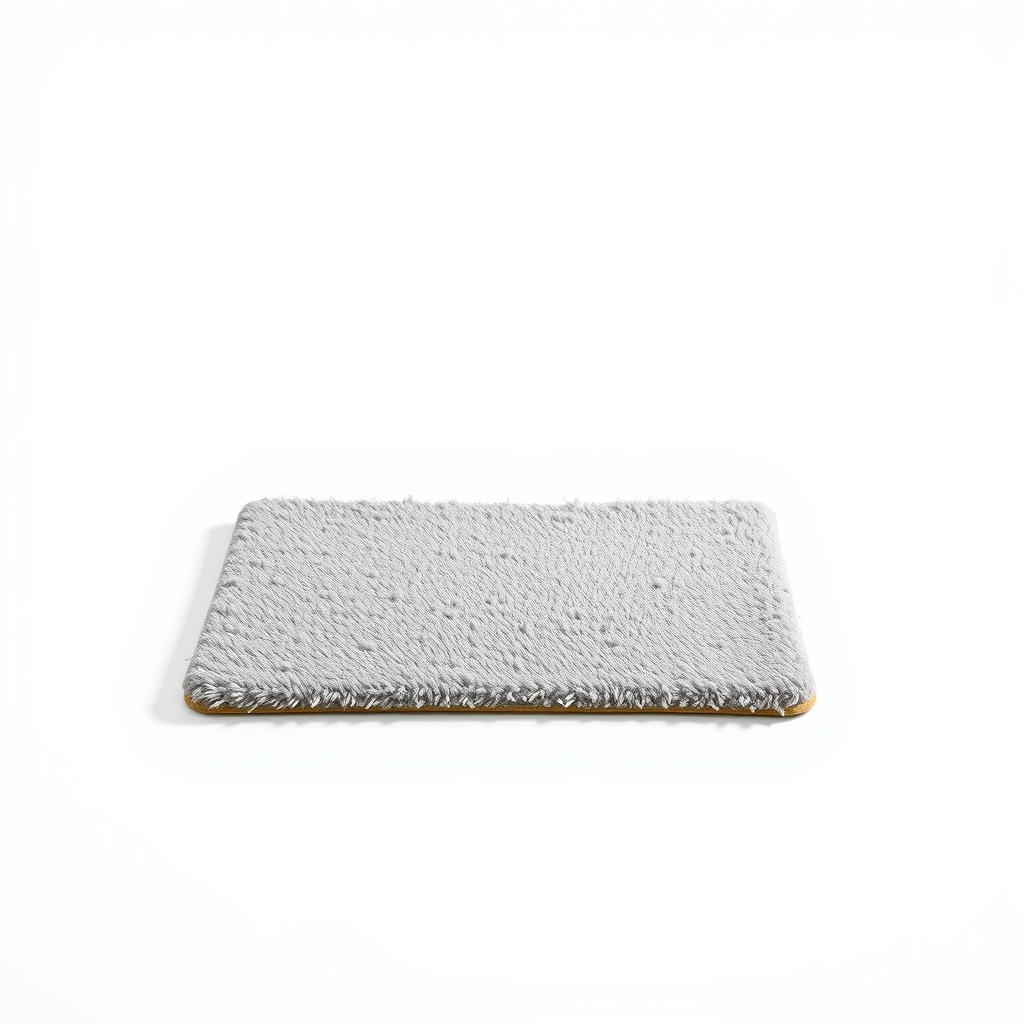
A rug gripper pad made for carpet
A carpet gripper pad has a textured grip on both sides. One side grabs the rug backing and the other bites into the carpet pile. The rug stops creeping and stops bunching because it has something solid to hold on to.
What to get: Rug gripper pad made for carpet
How long it lasts: Years. It sits flat between the rug and the carpet and does not need replacing unless it wears out.
As an Amazon Associate I earn from qualifying purchases.
What you'll need
-
Heavy books or weights
For flattening a rug overnight
You have it -
Scissors or utility knife
To trim the pad to size
You have it - Our pick Illustration
Rug gripper pad for carpet
Choose one labeled for use on carpet, not hard floors
- Illustration
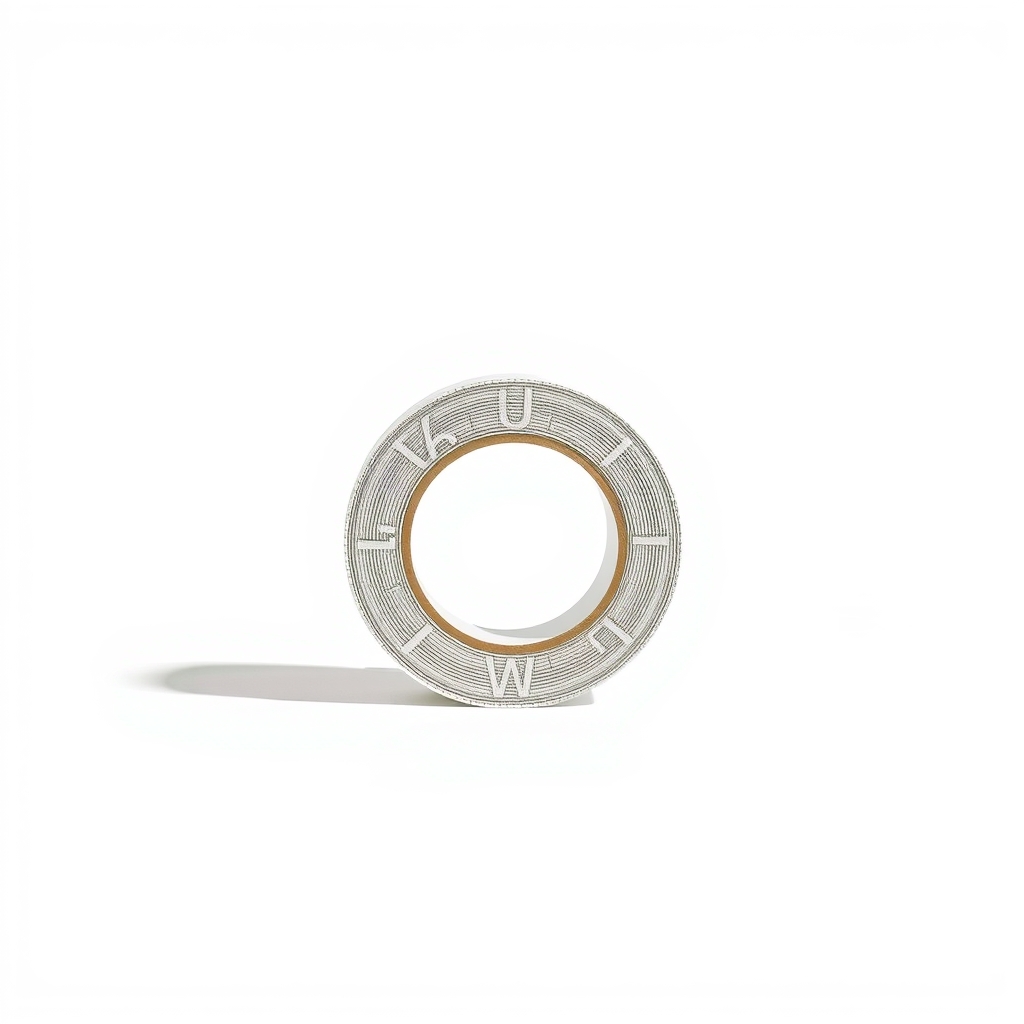
Double-sided rug tape
For runners and small rugs
- Illustration
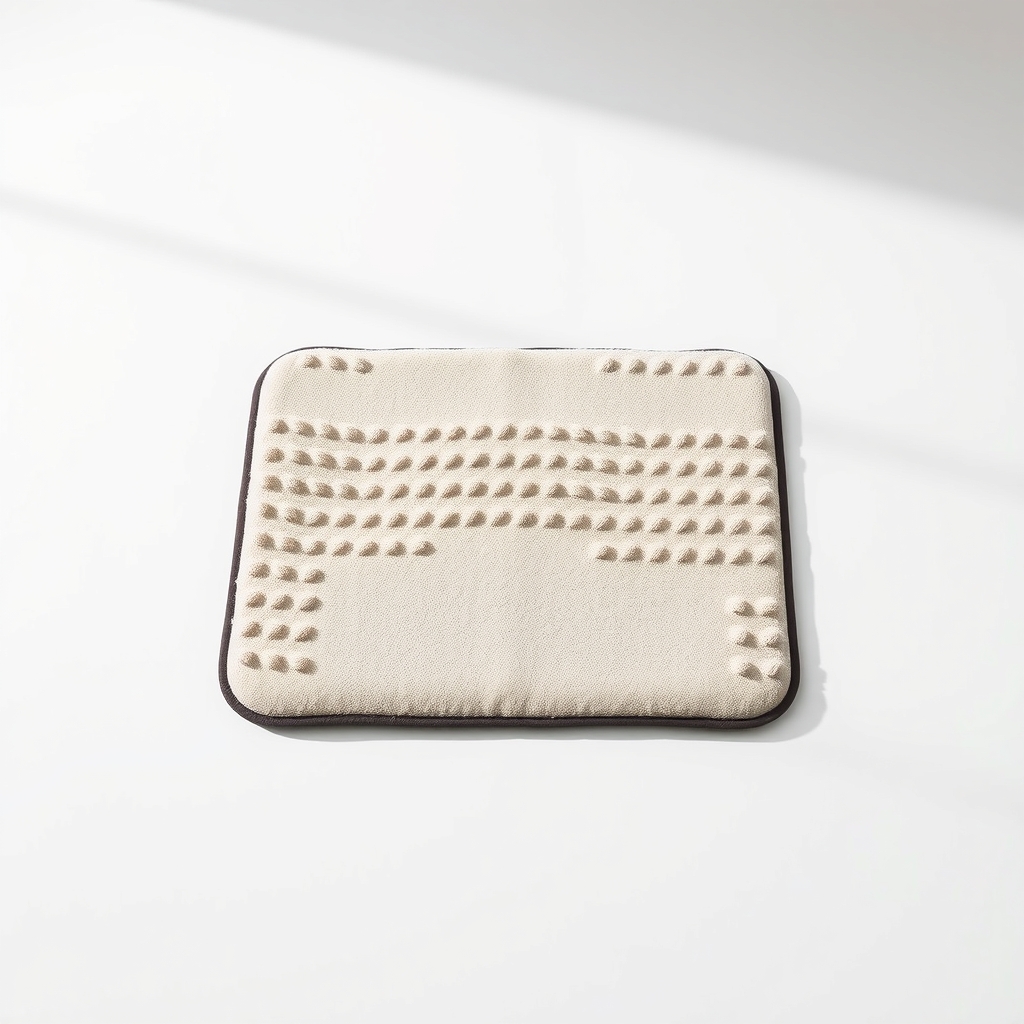
Cushioned felt-and-grip rug pad
For a bigger rug you want to feel plusher
Why it happens
Pile against pile
Carpet fibers bend and lean with every footstep. A rug resting on them has no firm surface to hold on to, so it creeps a little each day.
A pad made for hard floors
Smooth rubber waffle pads grip the back of the rug but just slide over carpet fibers. Pads made for hardwood and tile are the wrong tool here.
Worn or thin rug backing
Backing wears smooth with use and washing. Thin backing also ripples more, and ripples turn into bunching.
Foot traffic in one direction
Doorways and hallways push a rug the same way every day. It creeps, bunches and slides out of line, and a bunched edge is a trip hazard.
Try this first (free)
Do these in order, starting with the simplest.
-
Anchor it with furniture
Put at least the front legs of a sofa, bed or heavy chair on the rug, so they hold the corners in place. If the rug is too small to reach, plan to add a pad.
-
Flatten the ripples
Tool used: Heavy books or weightsRoll the rug tightly with the pattern facing out, opposite the way it curls or bunches. Leave it for a night with weights on top, then unroll it. Rugs that spent months folded often need two nights.
-
Vacuum and check the backing
Vacuum the carpet under the rug and wipe the back. Grit and a dusty backing lower grip. If the backing is crumbling or worn smooth, a pad matters even more.
-
Cut and place a gripper pad
Tool used: Rug gripper pad for carpetMeasure the rug and trim the pad about an inch short on every side, so the edges never show or curl. Lay the pad flat on the carpet, then lay the rug over it and smooth outward from the middle.
IllustrationCheck price on AmazonTool for this step
Rug gripper pad for carpet · Choose one labeled for use on carpet, not hard floors
-
Tape the ends of a runner
Tool used: Double-sided rug tapeFor a hallway runner or small rug, press double-sided rug tape along the short ends and the long edges. Test one corner first and lift it after a day to check for residue.
IllustrationCheck price on AmazonTool for this step
Double-sided rug tape · For runners and small rugs
When free fixes aren't enough
Furniture only anchors the part of the rug it sits on, and rolling flattens ripples only until the next set of footsteps. If the rug keeps moving after a week, or it sits in a doorway, a hallway or a spot nobody can put a sofa leg on, the free steps cannot hold it. A gripper pad gives the whole rug something to grip. If the rug is also thin and ripples when you walk on it, a cushioned pad adds the weight and thickness that keep it flat.
Buy the fix
Still stuck after the free fixes? These are the products we would look at.
| Pick | Product | Fixes | Who it's for | Buy |
|---|---|---|---|---|
| Best pick | Rug gripper pad made for carpet | a rug that creeps and bunches over carpet | Most people with a rug over wall-to-wall carpet, especially in busy rooms. | Check price |
| Budget pick | Double-sided rug tape for carpet | runners and small rugs that slide at the edges | Runners, small rugs and rented homes where you want a quick fix. | Check price |
| Upgrade pick | Cushioned felt-and-grip rug pad | bunching on a thin rug that also feels flat | Large rugs in a living room that you want to feel plusher underfoot. | Check price |
Rug gripper pad made for carpet
Fixes: a rug that creeps and bunches over carpet
Look for: A listing that says it is made for use on carpet, with grip on both sides; A thin, flat profile so edges do not curl or catch toes; Trim-to-size, so you can cut it about an inch smaller than the rug; A size that covers your rug without a seam, or a clear way to join pieces.
- Who it's for
- Most people with a rug over wall-to-wall carpet, especially in busy rooms.
- Honest downside
- Your carpet is very deep or shaggy. Pads grip less in deep pile, so also put furniture on the rug.
Double-sided rug tape for carpet
Fixes: runners and small rugs that slide at the edges
Look for: A label that says it works on carpet, not only on hard floors; A removable or low-residue adhesive; A width that covers the rug edge or runner end.
- Who it's for
- Runners, small rugs and rented homes where you want a quick fix.
- Honest downside
- You move the rug often or have delicate or looped carpet, since adhesive can pull fibers.
Cushioned felt-and-grip rug pad
Fixes: bunching on a thin rug that also feels flat
Look for: A felt top with a grip layer underneath; A thickness that stays below doors and furniture legs; A pad you can trim with scissors.
- Who it's for
- Large rugs in a living room that you want to feel plusher underfoot.
- Honest downside
- The rug sits under a door or against low furniture, where extra thickness will catch.
As an Amazon Associate I earn from qualifying purchases. We don't show prices because they change, so use the button to see today's price.
How we picked: How we picked: this page is based on rug-care guides from rug and pad makers, general flooring advice, and what owners report in reviews of carpet gripper pads. We do not test products by hand.
Pad or tape? How to choose
- Large rug in a living room: a gripper pad, cut an inch short on every side.
- Hallway runner: a pad plus tape on the short ends.
- Small rug or a rental: removable tape on the edges, with a test on one corner first.
A sliding rug is a trip hazard
A rug that bunches or slides can catch a toe or a cane. If the rug is in a hallway, near stairs or used by older adults or children, fix it first and do not wait for a better time.
What to skip
Hard-floor rubber pads, shelf liner and spray adhesive
A rubber waffle pad made for hardwood grips the rug but slides across carpet pile. Shelf liner is too thin and slick for it. Spray adhesive and strong tape can pull carpet fibers or leave residue when you remove them.
Frequently asked questions
Why does my rug keep moving on carpet?
How do I stop a rug from bunching up?
Can I use a regular rug pad on carpet?
How do I stop a carpet runner from moving on carpet?
Related problems
As an Amazon Associate I earn from qualifying purchases. Affiliate disclosure