Couch Sliding Across Wood Floors? Furniture Grippers Keep It Put
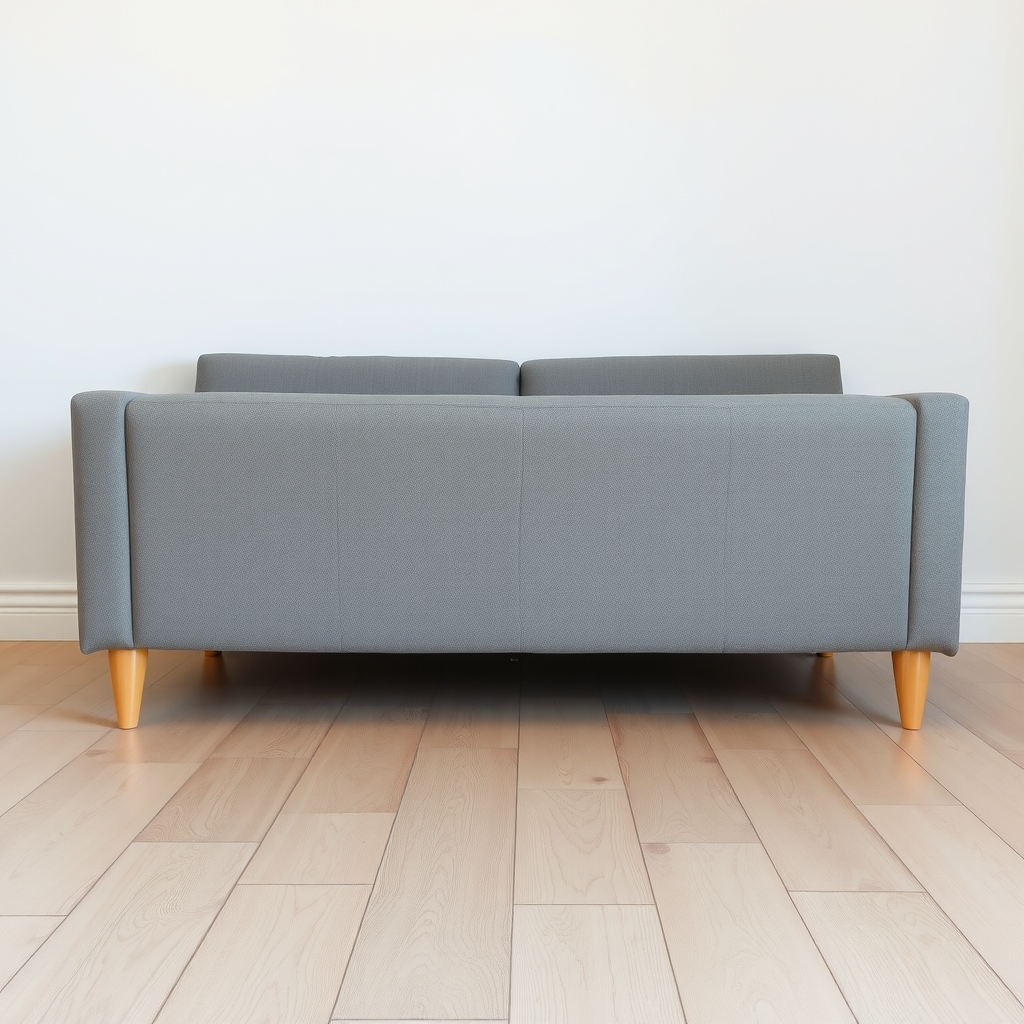
Smooth leg tips glide on a polished floor every time someone sits or stands. Grippers give the couch grip, so it stays put and the floor stays unmarked.
By Jamilur Rahman Updated November 5, 2026 · 7 min read
- Time
- 15 min
- Cost
- Under $20
- Difficulty
- Easy
In this guide
Quick answer
A couch slides because its smooth plastic or metal leg tips have almost no grip on a polished wood floor, and each sit, stand or lean pushes it a little. Clean the legs and the floor, then slip a non-slip pad under each leg. For a fix that lasts, fit rubber furniture grippers on the legs, so rubber, not the slick tip, touches the floor.
Free fix vs. permanent fix
Non-slip shelf liner under each leg
- Wipe the legs and floor so grit does not act like ball bearings
- Cut squares of non-slip liner and tuck one under each leg
- Push the back of the couch to the wall
- Check that the floor and the legs are level
How long it lasts: Weeks to months. Scraps shift, curl and collect grit, and some cheap rubber or vinyl can mark a floor finish over time.
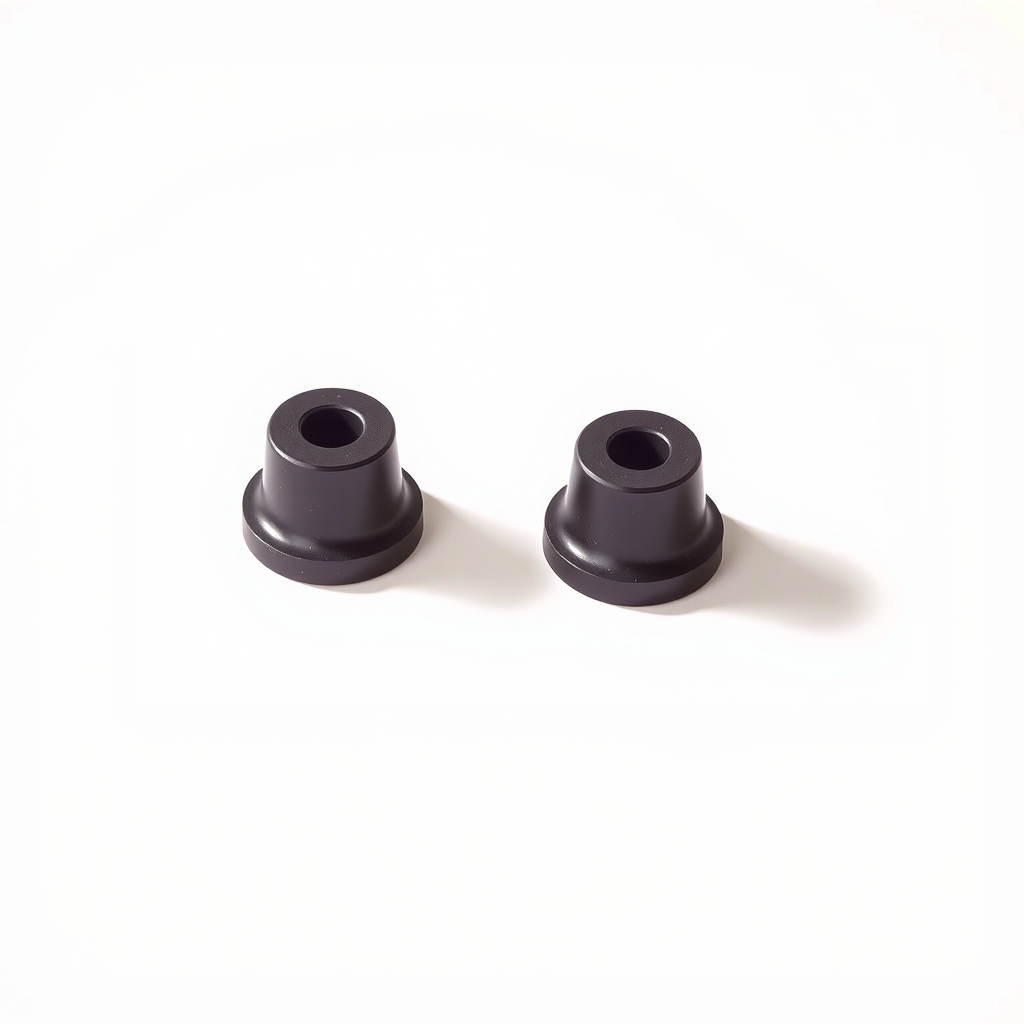
Rubber furniture grippers for the couch legs
Grippers swap the slick leg tip for a rubber contact patch that resists sliding. Cup-style ones stay on the leg, so they do not walk away like scraps do. Rubber made for floors is also gentler on the finish than a hard plastic or metal tip.
What to get: Rubber furniture grippers (cup style)
How long it lasts: Years. The rubber grips the floor and stays on the leg.
As an Amazon Associate I earn from qualifying purchases.
What you'll need
-
Damp cloth and dry towel
Clean legs and floor before anything else
You have it -
Non-slip shelf liner
A stopgap that costs nothing if you already own some
You have it -
Ruler or tape measure
To size the grippers to your legs
You have it - Our pick Illustration
Rubber furniture grippers
Cup or pad style, sized to your legs
- Illustration
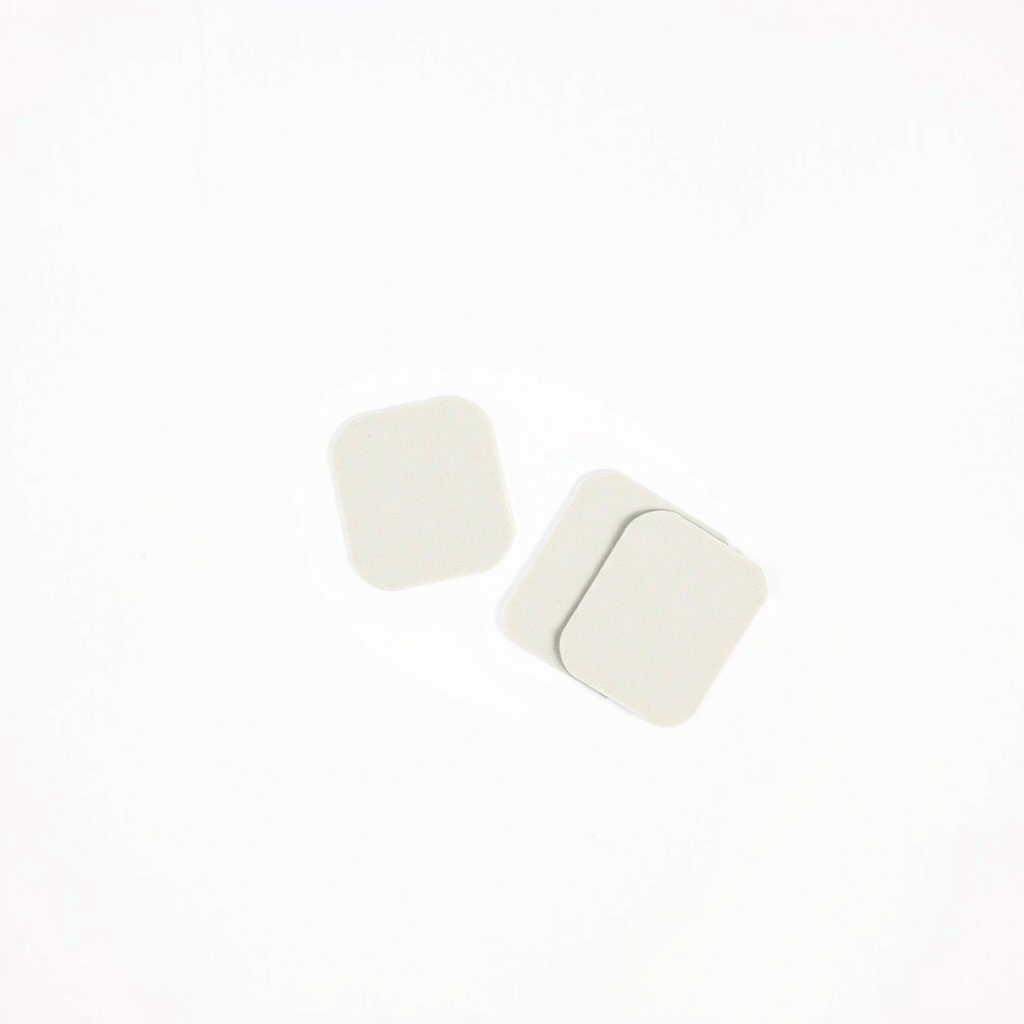
Self-adhesive rubber pads
For flat-bottom legs only
- Illustration
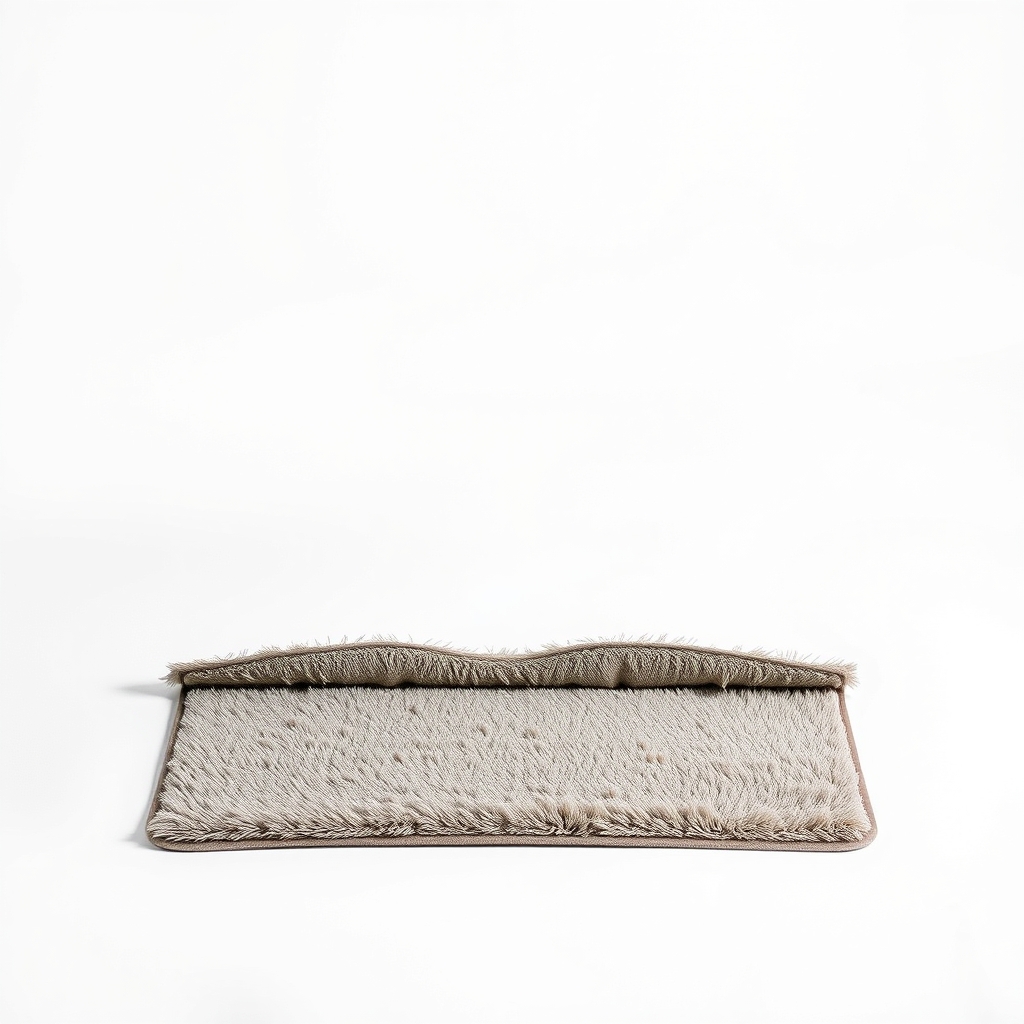
Non-slip rug pad
To pair with a rug under the front legs
Why it happens
Smooth leg tips on a hard finish
Plastic, metal and glide tips have very little friction on a polished wood floor. A couch does not need much force to move on them.
Dust and grit under the legs
Fine dirt works like tiny ball bearings between the leg and the floor, so a clean-looking couch can slide more than it should.
Push from sitting and standing
Each time someone stands up, they push the couch back a hair. A little at a time, it adds up to inches in a week.
A lightweight frame with few contact points
Modern couches with four small legs put less weight on each tip than a heavy sofa with a skirt, so they move more easily.
A floor or a leg that is not level
A slight slope lets gravity do the sliding. One short leg also makes the couch rock and shift.
Try this first (free)
Do these in order, starting with the simplest.
-
Clean the legs and the floor
Tool used: Damp cloth and dry towelWipe each leg tip and the floor under it with a damp cloth, then dry both with a towel. Grit is the first thing to remove.
-
Push the couch tight to the wall
Set the back of the couch against the baseboard, or beside a heavy piece, so it has nowhere to travel.
-
Cut and place non-slip liner
Tool used: Non-slip shelf linerCut non-slip shelf liner into squares a little larger than each leg. With a helper, tip the couch back, slip one under each leg and set it down. Give the arm a firm push to test it.
-
Measure the leg bottoms
Tool used: Ruler or tape measureMeasure the width or diameter across each leg bottom, and check whether the legs are round, square or tapered. You need that to buy grippers that fit.
-
Fit the grippers
Tool used: Rubber furniture grippersLift one end at a time with a helper. Push a gripper cup onto each leg, or stick a pad to a flat leg bottom. Set the couch down and check every leg sits flat.
IllustrationCheck price on AmazonTool for this step
Rubber furniture grippers · Cup or pad style, sized to your legs
-
Test with a firm push
Sit, stand and lean on the arms a few times. If the couch still creeps, re-check the level of the floor and each gripper's fit.
When free fixes aren't enough
Shelf liner and scraps shift, collect grit and wear through. Some cheap rubber or vinyl can also leave a sticky mark on certain floor finishes after months. If the couch still moves after cleaning and liners, or you reset it every week, the leg tips are the problem, and grippers replace them. If your couch sits on a solid base with no legs, or the legs wobble, level it or use a rug pad under the front edge. If it slides on carpet, the carpet or its pad may be shifting, not the couch.
Buy the fix
Still stuck after the free fixes? These are the products we would look at.
| Pick | Product | Fixes | Who it's for | Buy |
|---|---|---|---|---|
| Best pick | Rubber furniture grippers (cup style) | a couch that slides or creeps on hard floors | Couches with four to six legs on hardwood, laminate or tile. | Check price |
| Budget pick | Self-adhesive rubber pads | light creep on flat-bottom legs | Flat, square-bottom legs where cups will not fit, on a tight budget. | Check price |
| Upgrade pick | Non-slip rug pad with an area rug under the front legs | heavy couches that creep, and bare floors that scuff | Anyone who likes a rug under the front of the couch. | Check price |
Rubber furniture grippers (cup style)
Fixes: a couch that slides or creeps on hard floors
Look for: An inner size that fits your leg shape and width; A rubber base labeled non-slip and safe for floors; A load rating that covers your couch's weight across its legs; Non-marking rubber that is safe for finished wood.
- Who it's for
- Couches with four to six legs on hardwood, laminate or tile.
- Honest downside
- Your couch sits on a solid base with no legs. Use a rug pad under the front edge instead.
Self-adhesive rubber pads
Fixes: light creep on flat-bottom legs
Look for: Thick rubber, not thin foam; A strong adhesive backing; A size that fits flat-bottom legs.
- Who it's for
- Flat, square-bottom legs where cups will not fit, on a tight budget.
- Honest downside
- The legs are round, tapered or textured, so the adhesive will not hold, or the couch gets pushed often and the pads can shear off.
Non-slip rug pad with an area rug under the front legs
Fixes: heavy couches that creep, and bare floors that scuff
Look for: Rubber or felt-and-rubber, labeled safe for finished wood; Cut about an inch smaller than the rug on each side; Firm enough to grip the floor without curling.
- Who it's for
- Anyone who likes a rug under the front of the couch.
- Honest downside
- The couch has to sit flush against a wall with no rug. Use grippers instead.
As an Amazon Associate I earn from qualifying purchases. We don't show prices because they change, so use the button to see today's price.
How we picked: How we picked: this page draws on floor care guides, furniture gripper instructions and the sliding-couch problems and fixes owners describe in reviews. We do not test products by hand.
Sliding on carpet is a different problem
On carpet, the legs sink into the pile, and the problem is often the carpet or its pad moving. Wide rubber-bottomed grippers help the couch resist sliding. If the whole carpet shifts with the couch, anchor the carpet edge or add a better pad underneath.
Lift a couch the safe way
Empty the couch first. Lift one end at a time with a helper, using the frame and not the arms. Keep your back straight, and never drag a couch across a wood floor.
What to skip
Felt pads, furniture sliders and double-sided tape
Felt pads and sliders are made to glide, so they make a couch slide more. Double-sided tape fails under weight and leaves residue on legs and floors. Skip all three for a couch you want to keep put.
Frequently asked questions
How do I stop my couch from sliding on a wood floor?
Do rubber pads damage hardwood floors?
How do I stop a couch from sliding on carpet?
Why does my couch keep moving away from the wall?
Related problems
 Free fix inside
Cleaning · Couch
Couch Cushions Sliding Forward? Grippers That Keep Them in Place
Read the fix Free fix inside
Cleaning · Rug
Rug Sliding on a Wood Floor? Pads That Keep It Planted
Read the fix Free fix inside
Cleaning · Rug
Rug Sliding on Carpet? Grippers That Hold (and Ones to Skip)
Read the fix Free fix inside
Cleaning · Couch
Sectional Couch Keeps Separating? Connector Clips That Lock It In
Read the fixAs an Amazon Associate I earn from qualifying purchases. Affiliate disclosure