Glass Shower Door Squeaking? The Right Lube for Rollers and Hinges
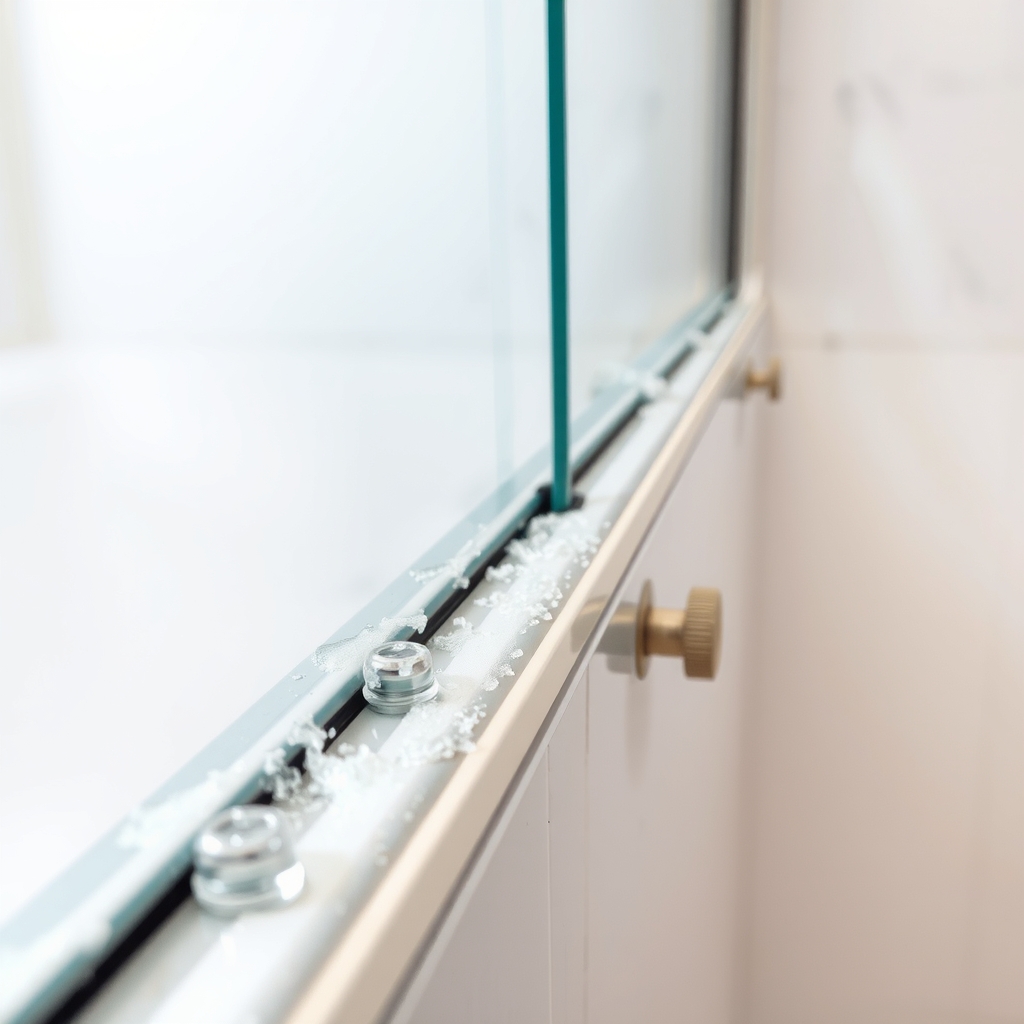
Squeaks come from dry rollers and hinge pivots, plus grit in the track. Clean first, then use a lube that is safe for plastic and rubber.
By Jamilur Rahman Updated November 5, 2026 · 6 min read
- Time
- 10 min
- Cost
- Under $20
- Difficulty
- Easy
In this guide
Quick answer
To stop a glass shower door from squeaking, clean the track and hinges, then spray silicone lubricant onto a rag and wipe it onto the rollers or hinge pivots. Most squeaks come from dry metal or plastic and grit in the track. Silicone is the lube to use because it is safe on plastic, rubber and metal, and it does not gum up the way a thin oil can.
Free fix vs. permanent fix
Clean the track and hinges
- Wipe the track with white vinegar and an old toothbrush
- Dry every part with a cloth
- Check the hinge and roller screws are snug
- Slide or swing the door slowly to find the noisy spot
How long it lasts: A few weeks. Cleaning removes the grit that causes many squeaks, but nothing is left to keep the parts gliding.
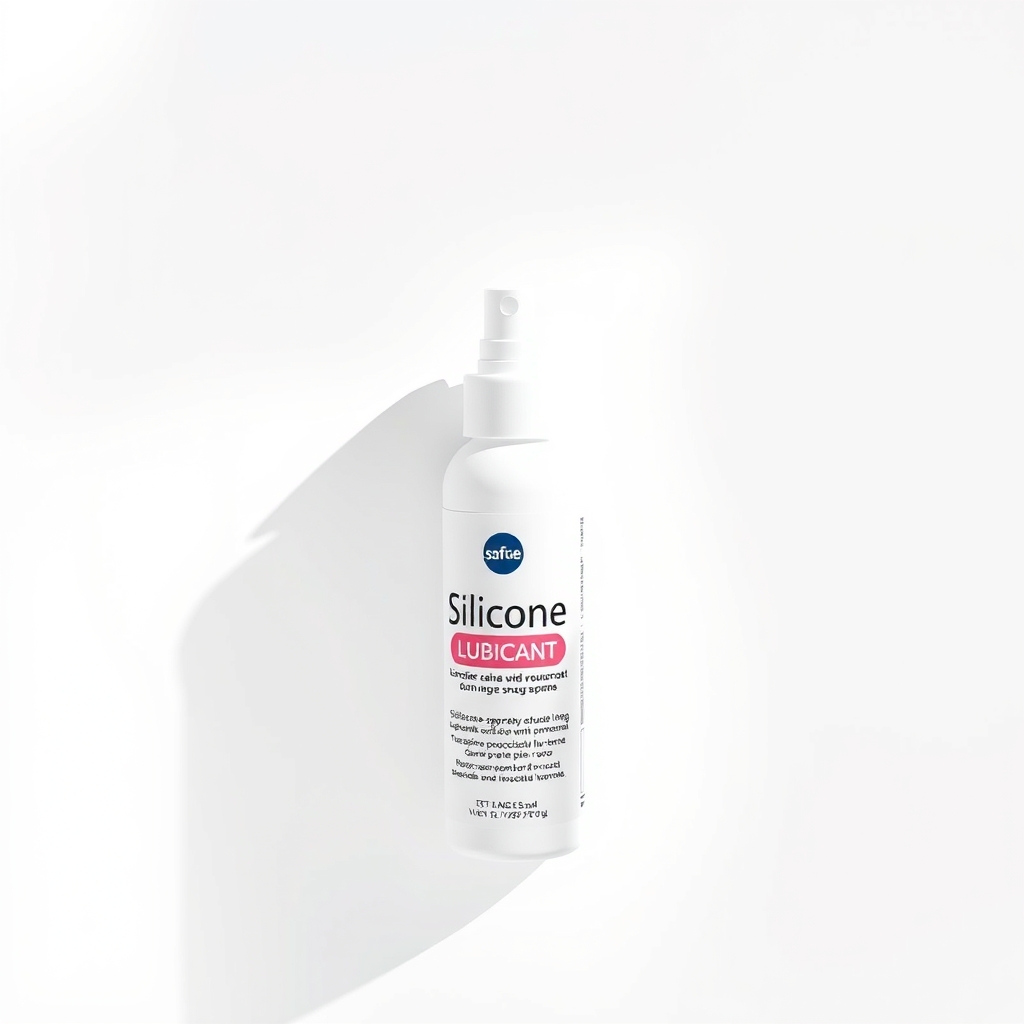
Silicone spray lubricant with a precision straw
A squeak is metal or plastic rubbing with no film between them. Silicone leaves a thin slick film that is safe on rollers, hinges and rubber seals. Put on after cleaning, it keeps the parts quiet far longer than cleaning alone.
How long it lasts: Months of quiet in many homes, less in a very steamy bathroom. Reapply when the squeak returns.
As an Amazon Associate I earn from qualifying purchases.
What you'll need
-
White vinegar
Dissolves soap scum and hard water in the track
You have it -
Old toothbrush
Gets into the track corners
You have it -
Microfiber cloth
Dries the parts and catches drips
You have it - Our pick Illustration
Silicone spray lubricant
Pick one with a thin straw for tight spots
- Illustration
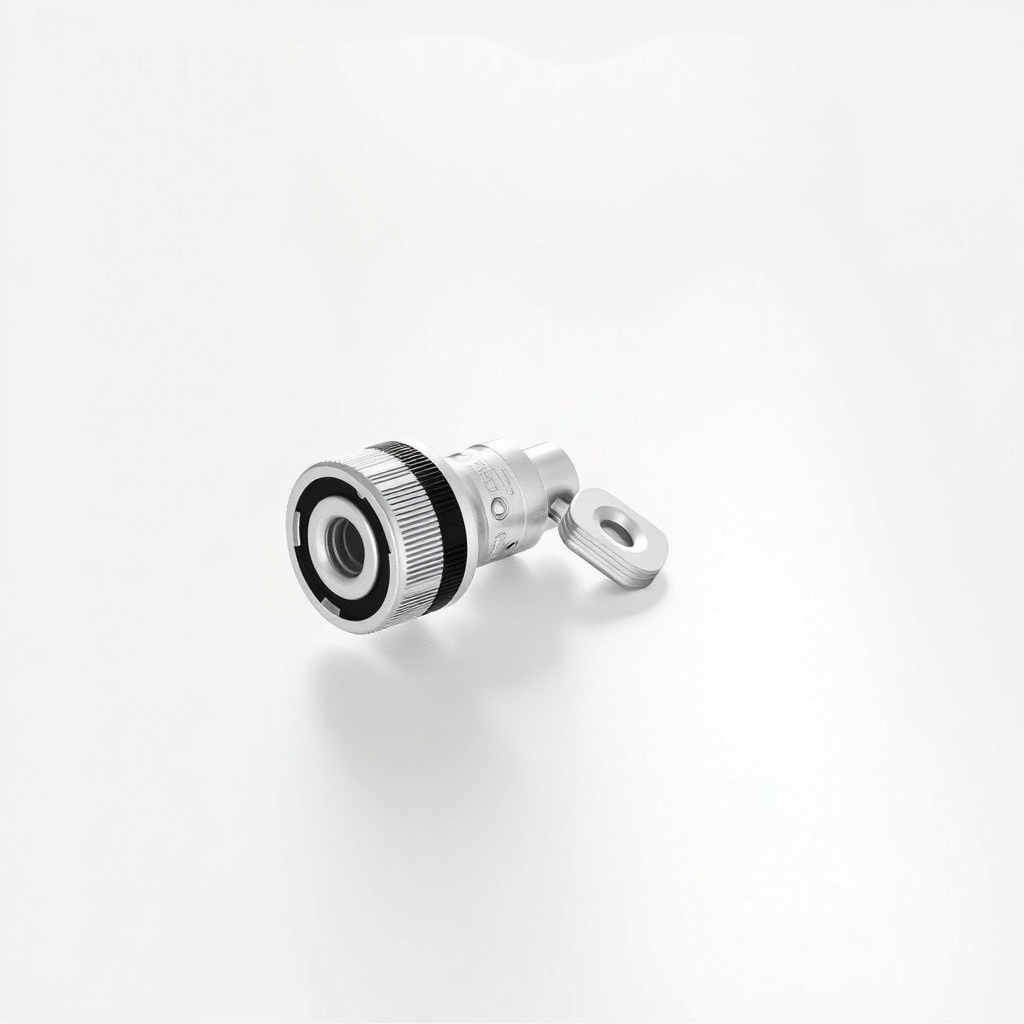
Replacement shower door rollers
Only if the wheels are flat, cracked or stuck
Why it happens
Dry rollers or hinge pivots
Rollers and hinge pins turn on bare metal or plastic. The film of lube wears off, and they groan or squeal with each move.
Grit and soap scum in the track
Hard water minerals and soap residue pile up in the bottom track. The wheels grind over them, which sounds like squeaking or scraping.
Worn or flat rollers
Years of use wear the wheels down, so they scrape instead of roll. No amount of lube fixes a wheel that has lost its round shape.
A door that no longer hangs level
If the door rubs the frame, the curb or the wall, you hear it as a squeak. Hinges that have worked loose make it worse.
Try this first (free)
Do these in order, starting with the simplest.
-
Find the noisy part
Slide or swing the door slowly and listen. A squeak from the bottom is usually the rollers or track. One from the side or top is usually a hinge or top guide.
-
Scrub the track
Tool used: White vinegarWet the track with white vinegar, let it sit for 5 minutes and scrub with an old toothbrush. Wipe out the grit and dry the track. Vinegar can dull natural stone, so keep it off marble and travertine.
-
Snug the screws
Tighten loose hinge or roller screws with the right screwdriver or hex key. Do not overtighten, because too much force can chip or crack the glass.
-
Put silicone on a rag, not the door
Tool used: Silicone spray lubricantSpray a small amount of silicone onto a rag and wipe it onto the roller wheels, hinge pivots and the top guide. Use the straw only where a rag will not reach. Keep spray off the floor and tub, because a slick surface in a shower is a slip hazard.
IllustrationCheck price on AmazonTool for this step
Silicone spray lubricant · Pick one with a thin straw for tight spots
-
Work the door and wipe up
Tool used: Microfiber clothOpen and close the door about 10 times to spread the film, then wipe drips off the glass, tub and floor. Let it sit for a few hours before the next shower.
When free fixes aren't enough
If the squeak returns within a week or two after cleaning and lube, the rollers are probably worn or flat. Look at them. Wheels that do not spin, have flat spots or show crumbling plastic should be replaced. A door that rubs the frame or sags needs adjusting, not more spray. If the glass is loose, cracked or chipped near the hardware, stop using the door and call a glass pro.
Buy the fix
Still stuck after the free fixes? These are the products we would look at.
| Pick | Product | Fixes | Who it's for | Buy |
|---|---|---|---|---|
| Best pick | Silicone spray lubricant with a precision straw | dry rollers and hinge pivots that squeak | Anyone whose door squeaks and has a clean, working track. | Check price |
| Upgrade pick | Replacement shower door rollers | flat or cracked wheels that squeak no matter how much lube you use | Owners of older sliding doors with worn wheels. | Check price |
Silicone spray lubricant with a precision straw
Fixes: dry rollers and hinge pivots that squeak
Look for: Pure silicone, not a petroleum oil; A thin straw nozzle for tight hinges and rollers; Labeled safe on plastic, rubber and metal; Dries clear without a heavy residue.
- Who it's for
- Anyone whose door squeaks and has a clean, working track.
- Honest downside
- The rollers are broken or the door sags. Lube will not fix those.
Replacement shower door rollers
Fixes: flat or cracked wheels that squeak no matter how much lube you use
Look for: Wheel size and mounting that match your door; measure the old one; Smooth, quiet wheels, not rough plastic; Sold as a set of two or four.
- Who it's for
- Owners of older sliding doors with worn wheels.
- Honest downside
- You have a hinged door, or you cannot confirm the size. Rollers vary by brand, and a wrong fit will not work.
As an Amazon Associate I earn from qualifying purchases. We don't show prices because they change, so use the button to see today's price.
How we picked: How we picked: this page is based on shower door hardware care guides, lubricant labels and what owners report in reviews. We do not test products by hand.
Sliding or hinged door? Where each one needs lube
- Sliding door: the wheels at the top or bottom, the track they ride in and the top guide.
- Pivot or hinged door: the hinge pin and the spot where the hinge meets the frame. Keep spray away from the glass and from the hinge's rubber pads.
- Handles and towel bars: these rarely need lube. A squeak from there is usually a loose screw.
A weekly wipe keeps the squeak away
Grit in the track is what wears wheels and cuts the life of the lube. A quick weekly wipe of the track with a damp cloth removes most of it. Once a month, run the toothbrush through the corners. It takes two minutes.
What to skip
Cooking oil, bar soap and heavy grease
Kitchen oil turns sticky and attracts grit. Bar soap melts in a steamy shower. Heavy grease can stain grout and make the floor slick. Thin petroleum oils can also attract dust and may not suit some plastic and rubber parts, so they are not the best choice for shower hardware.
Frequently asked questions
Can I use WD-40 on a shower door?
What lubricant is safe for a glass shower door track?
Why is my shower door still squeaking after I lubricated it?
How often should I lube a shower door?
Related problems
 Free fix inside
Cleaning · Glass Shower Door
Shower Door Off Track? Replace the Rollers and Slide It Back On
Read the fix Free fix inside
Cleaning · Glass Shower Door
Glass Shower Door Sagging? Tighten Hinges, Add a Shim, Re-Level
Read the fix Free fix inside
Cleaning · Shower Door Hardware
Glass Shower Door Hitting the Wall? Add a Bumper Stop
Read the fix Free fix inside
Cleaning · Glass Shower Door
Glass Shower Door Leaking? Replace the Sweep and Seal in 10 Minutes
Read the fixAs an Amazon Associate I earn from qualifying purchases. Affiliate disclosure