Soap Scum in the Tub? A Gentle Method That Won't Scratch Acrylic
Soap scum is soap plus minerals, and it comes off with the right cleaner and a soft pad. Here is a method that will not scratch acrylic.
By Jamilur Rahman Updated November 5, 2026 · 6 min read
- Time
- 30 min
- Cost
- Under $20
- Difficulty
- Easy
In this guide
Quick answer
To get rid of soap scum in a tub, spray a warm vinegar and dish soap mix, let it sit 10 to 15 minutes and wipe with a non-scratch pad. Soap scum is soap mixed with minerals from hard water, so it forms a film that plain water will not rinse off. For thick, old buildup, a non-abrasive soap scum cleaner does the job without scratching acrylic.
Free fix vs. permanent fix
Vinegar, dish soap and a non-scratch pad
- Spray equal parts warm vinegar and water, plus a drop of dish soap
- Wait 10 to 15 minutes
- Wipe with a non-scratch pad, never a scouring pad
- Rinse well and dry
How long it lasts: Clears a light film. Thick, old scum may need two rounds, and it returns within weeks if you use bar soap in hard water.
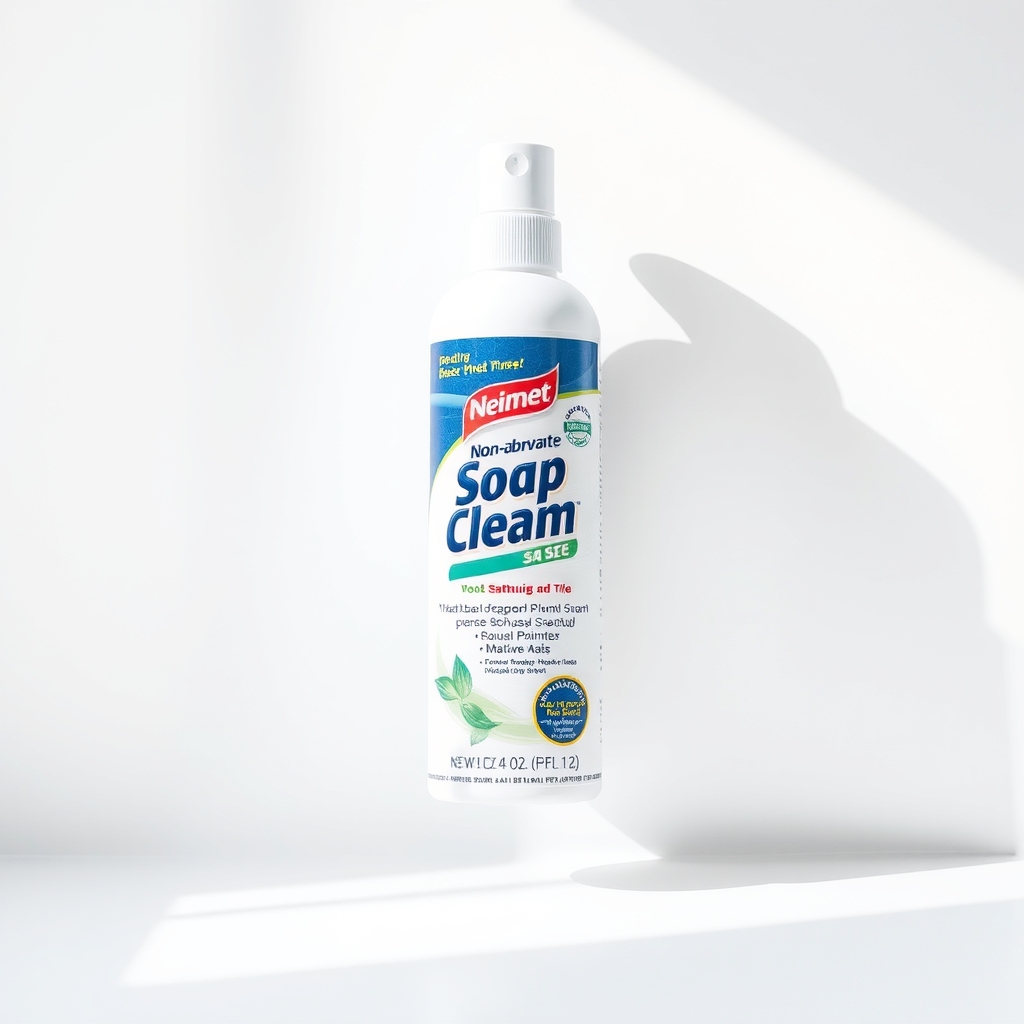
A non-abrasive soap scum cleaner for tubs and tile
These cleaners are built to break down soap and mineral film without grit, so most are safe on acrylic and fiberglass. They finish in one pass what vinegar can need two or three rounds to do, and they also work on the tile and shower walls. Check the label for your tub material.
What to get: Non-abrasive soap scum cleaner for bathtubs and tile
How long it lasts: Each use clears the film. Used every few weeks, it stops buildup before it hardens.
As an Amazon Associate I earn from qualifying purchases.
What you'll need
-
Spray bottle
For the vinegar mix
You have it -
White vinegar
Cuts light soap film
You have it - Illustration
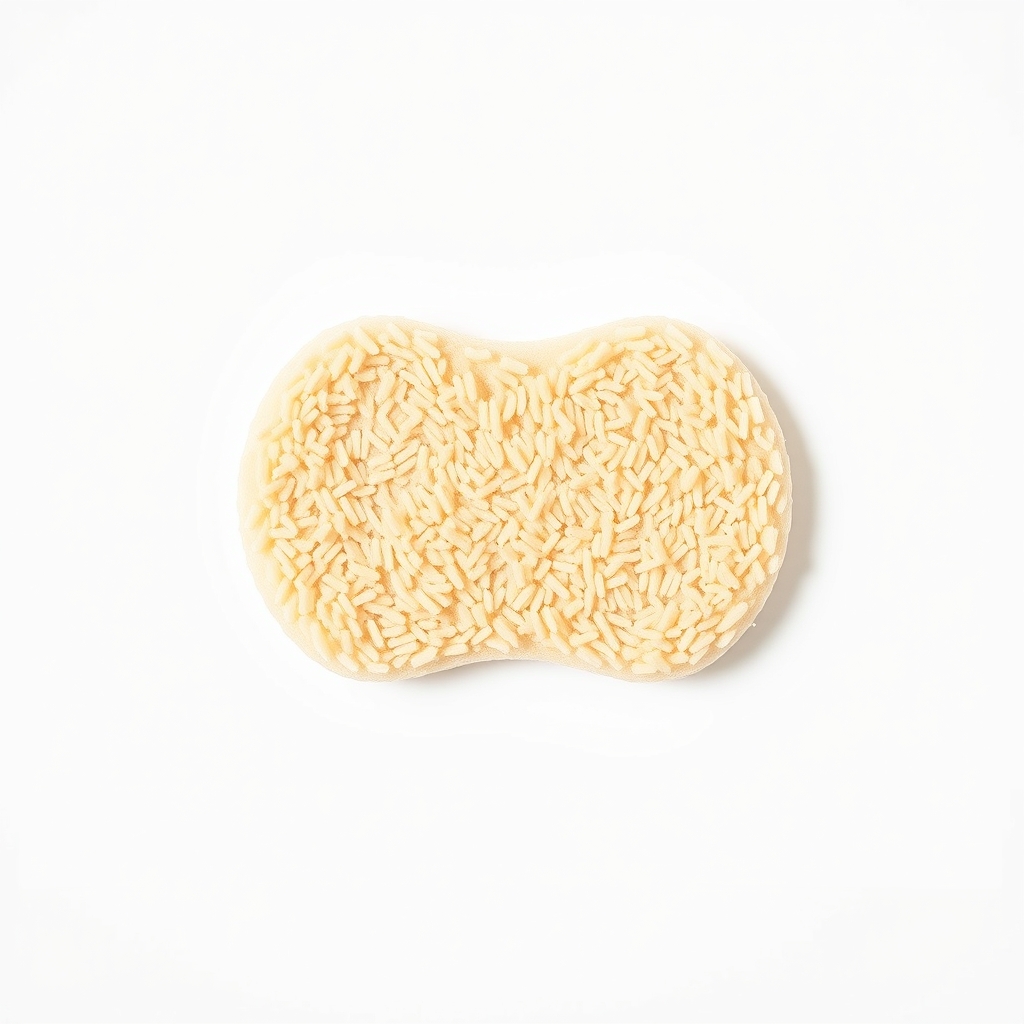
Non-scratch scrub pad
Scrubs without scratching acrylic
- Our pick Illustration
Non-abrasive soap scum cleaner for tubs and tile
For thick or old scum that vinegar leaves
- Illustration
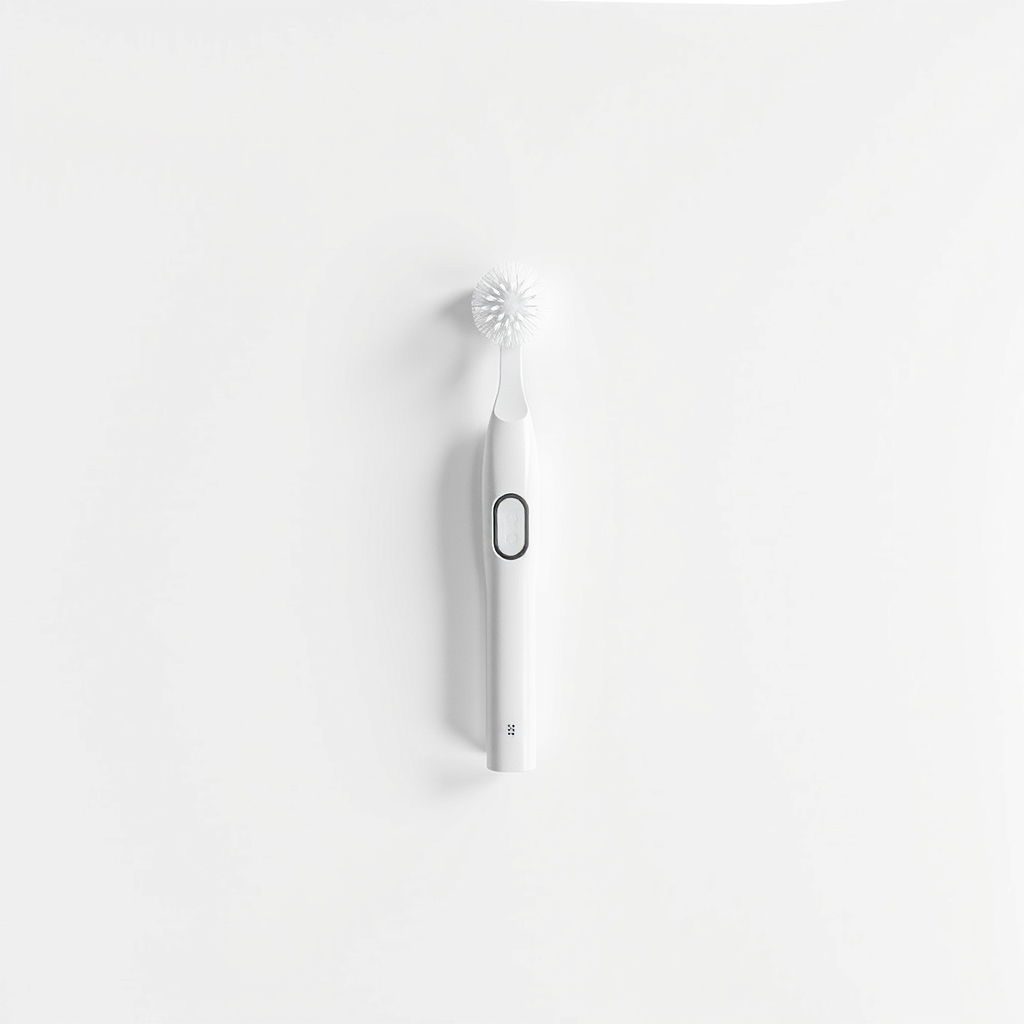
Cordless electric scrub brush
Saves your arms on a big tub and shower
- Illustration
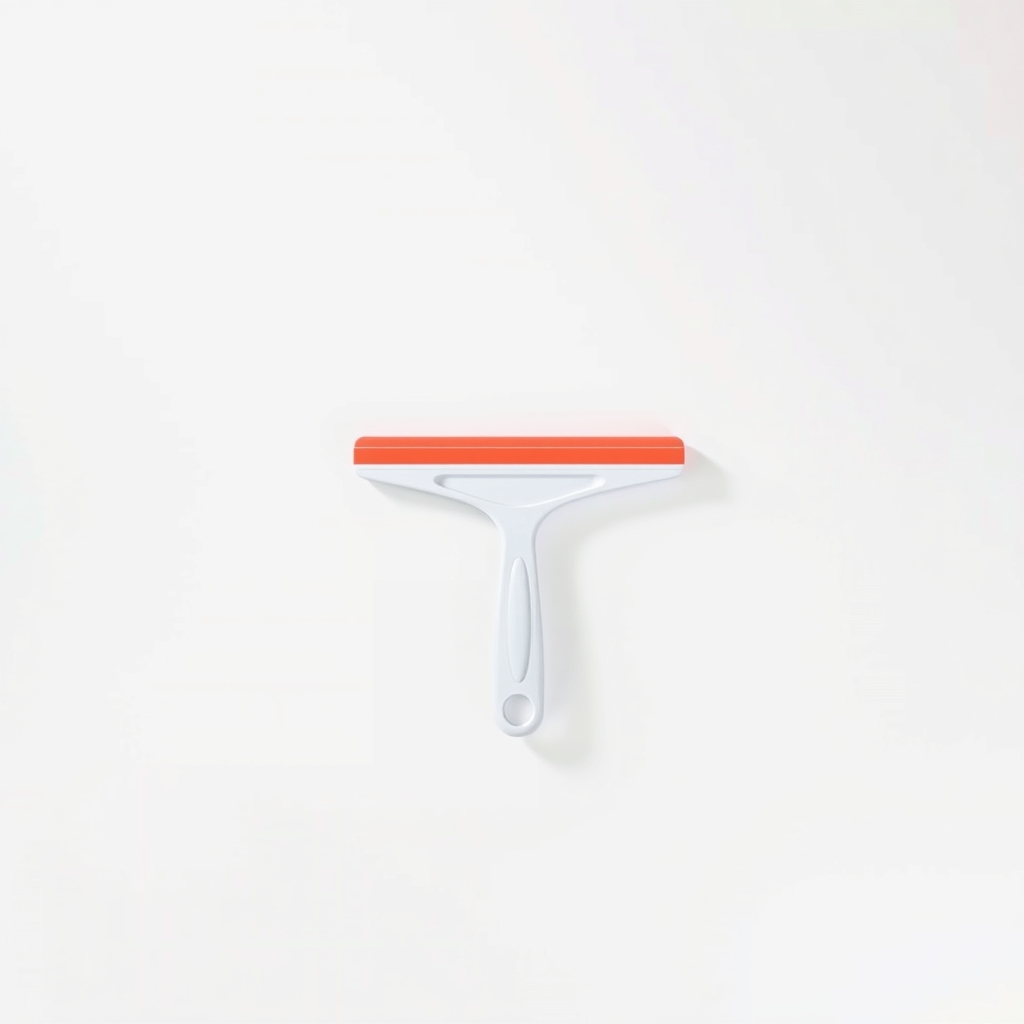
Shower squeegee
A 30-second wipe after each shower stops new film
Why it happens
Soap plus minerals
Soap reacts with calcium and magnesium in hard water and forms a film that does not dissolve. Soft-water homes get less, but body oil still builds a film.
Bar soap
Bar soap contains fats that leave more film than body wash or liquid soap.
Water left to dry
When droplets dry on the wall, the soap and minerals in them stay behind. A thin layer grows with every shower.
A bathroom that stays damp
Poor ventilation keeps surfaces wet for hours, so the film bonds harder and starts to grow mildew.
Try this first (free)
Do these in order, starting with the simplest.
-
1. Test a hidden spot
Check your tub maker's care guide, then test the mix on a small patch near the drain. Acrylic and fiberglass scratch and dull more easily than porcelain.
-
2. Spray a warm vinegar mix
Tool used: Spray bottleMix equal parts warm water and white vinegar with a squirt of dish soap. Spray the scum and wait 10 to 15 minutes. Never mix vinegar with bleach.
-
3. Wipe with a non-scratch pad
Tool used: Non-scratch scrub padUse light pressure and work in small circles. Press harder only on thick patches. A pad with a metal or green scouring side will scratch acrylic.
IllustrationCheck price on AmazonTool for this step
Non-scratch scrub pad · Scrubs without scratching acrylic
-
4. Treat what is left with a scum cleaner
Tool used: Non-abrasive soap scum cleaner for tubs and tileSpray a non-abrasive soap scum cleaner on the remaining film, wait the time on the label, wipe and rinse with warm water.
IllustrationCheck price on AmazonTool for this step
Non-abrasive soap scum cleaner for tubs and tile · For thick or old scum that vinegar leaves
-
5. Rinse and squeegee dry
Tool used: Shower squeegeeRinse with warm water. After each shower, squeegee the walls and tub edge so droplets cannot dry into new film.
IllustrationCheck price on AmazonTool for this step
Shower squeegee · A 30-second wipe after each shower stops new film
When free fixes aren't enough
Vinegar is mild. It cuts light film, but years of hard-water scum can be thick and waxy, and rubbing harder only scratches acrylic. A scum cleaner made for tubs and tile saves the elbow grease. Do not use vinegar on marble, travertine or unsealed grout, since it can etch them. If the surface is dull, rough or stained orange, you may be looking at scratches or iron stains, not scum.
Buy the fix
Still stuck after the free fixes? These are the products we would look at.
| Pick | Product | Fixes | Who it's for | Buy |
|---|---|---|---|---|
| Best pick | Non-abrasive soap scum cleaner for bathtubs and tile | the soap and hard-water film vinegar leaves behind | Anyone whose tub has a thick, cloudy or chalky film. | Check price |
| Budget pick | Non-scratch scrub pad or sponge | scrubbing off scum without scratching the tub | Anyone cleaning with vinegar or dish soap. | Check price |
| Upgrade pick | Cordless electric scrub brush | the effort and bending of scrubbing a whole tub and shower | Anyone with a large tub, or a sore back or shoulder. | Check price |
Non-abrasive soap scum cleaner for bathtubs and tile
Fixes: the soap and hard-water film vinegar leaves behind
Look for: Label says it is safe on acrylic and fiberglass; No grit or scouring powder; Works on tile and shower walls as well; A spray or gel that clings to vertical walls.
- Who it's for
- Anyone whose tub has a thick, cloudy or chalky film.
- Honest downside
- The tub or tile is natural stone and the label does not say it is safe. Never combine it with bleach or ammonia cleaners.
Non-scratch scrub pad or sponge
Fixes: scrubbing off scum without scratching the tub
Look for: Labeled non-scratch or safe for acrylic; Soft enough to follow the curve of the tub; A textured scrub side that is not a scouring pad.
- Who it's for
- Anyone cleaning with vinegar or dish soap.
- Honest downside
- The pad is sold as heavy-duty scouring. Those scratch acrylic.
Cordless electric scrub brush
Fixes: the effort and bending of scrubbing a whole tub and shower
Look for: Soft brush heads that are safe for acrylic; An extension handle so you can stand; A rechargeable battery and a splash-resistant body.
- Who it's for
- Anyone with a large tub, or a sore back or shoulder.
- Honest downside
- You would use only the stiff head on acrylic. Stiff heads scratch.
As an Amazon Associate I earn from qualifying purchases. We don't show prices because they change, so use the button to see today's price.
How we picked: How we picked: this page is based on tub and shower care guides, cleaner labels, and the problems and fixes people report in owner reviews. We do not test products by hand.
A two-minute habit that keeps scum off
- Squeegee the walls and tub edge after each shower.
- Use body wash or liquid soap instead of bar soap.
- Run the exhaust fan for 20 minutes after showering.
- Spray a mild cleaner on the walls once a week.
What to skip
Scouring powder, steel wool and abrasive pads
These scratch acrylic and fiberglass. Scratches hold soap and dirt and make the next clean harder. Bleach does not dissolve soap scum, and it can dull some tub finishes, so skip it for this job.
Frequently asked questions
How do I get rid of soap scum in a bathtub?
How do I get rid of soap scum in the shower?
How do I get rid of soap scum on tile?
How do I get rid of soap scum, and keep it from coming back?
Related problems
 Free fix inside
Cleaning · Soap Scum
Soap Scum on Glass Shower Doors? What Dissolves It and What Doesn't
Read the fix Free fix inside
Cleaning · Hard Water Stains
Hard Water Stains in the Shower? A 30-Second Daily Habit Stops Them
Read the fix Free fix inside
Cleaning · Soap Scum
Soap Scum in the Shower Drain? Pull It Out Before It Clogs
Read the fix Free fix inside
Cleaning · Tile Grout
Tile Grout Dirty or Yellow? Whiten It and Keep It White
Read the fixAs an Amazon Associate I earn from qualifying purchases. Affiliate disclosure