How to Fix a Carpet Seam That's Coming Apart (Iron-On Tape)
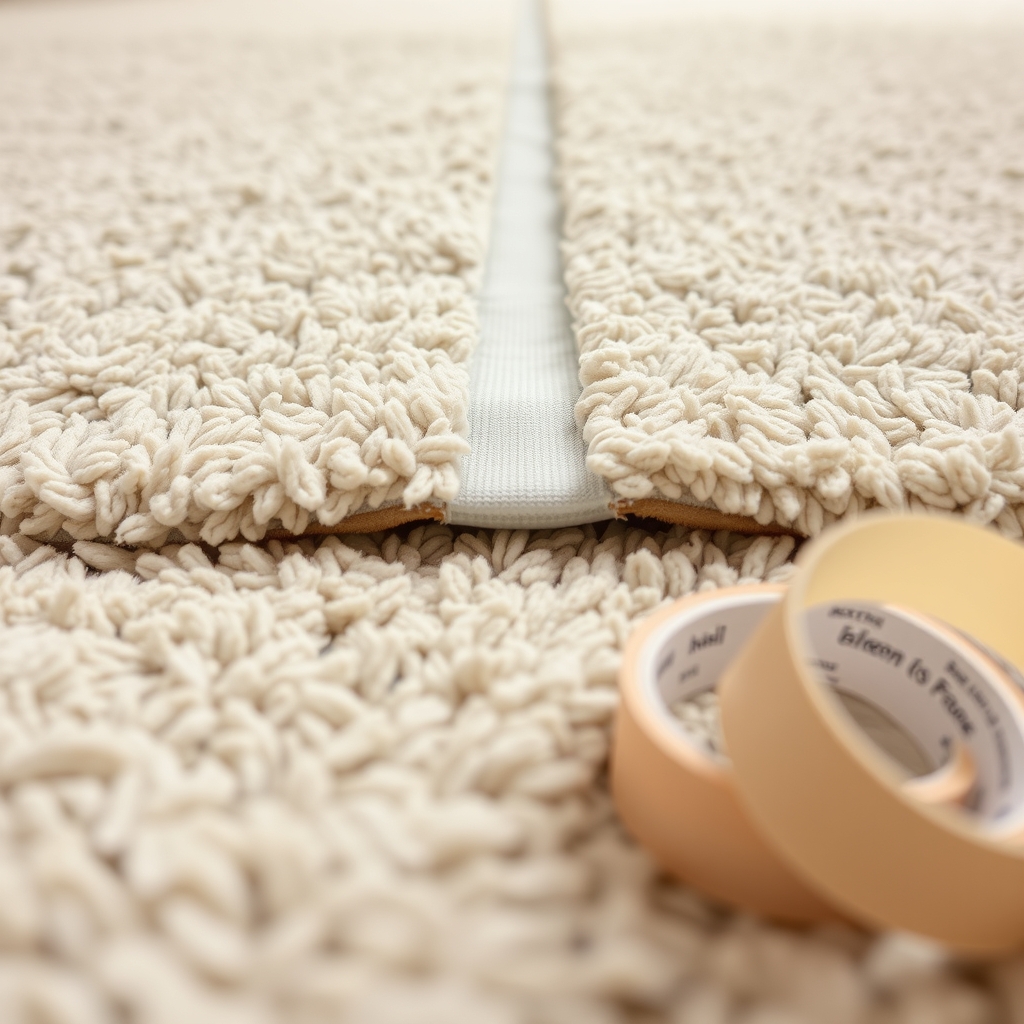
A seam opens when the old tape glue gives out. Hide it for now, then re-bond it with iron-on seaming tape so it stays shut.
By Jamilur Rahman Updated November 5, 2026 · 6 min read
- Time
- 1 hour plus cure time
- Cost
- Under $20
- Difficulty
- Medium
In this guide
Quick answer
To fix a carpet seam that is coming apart, slide new iron-on seaming tape under the open edges, melt the glue with an iron and press the edges together. The usual cause is old tape glue letting go, or loose carpet pulling on the seam. Tucking fibers can hide a small gap, but only new tape stops it opening again.
Free fix vs. permanent fix
Trim, tuck and protect the seam
- Trim loose or frayed fibers with scissors
- Tuck the pile away from the gap with a screwdriver tip
- Keep furniture and chair wheels off the seam
- Vacuum over it with the beater bar off
How long it lasts: Only a short while. It hides a small gap, but the backing is still unglued, so foot traffic opens it again.
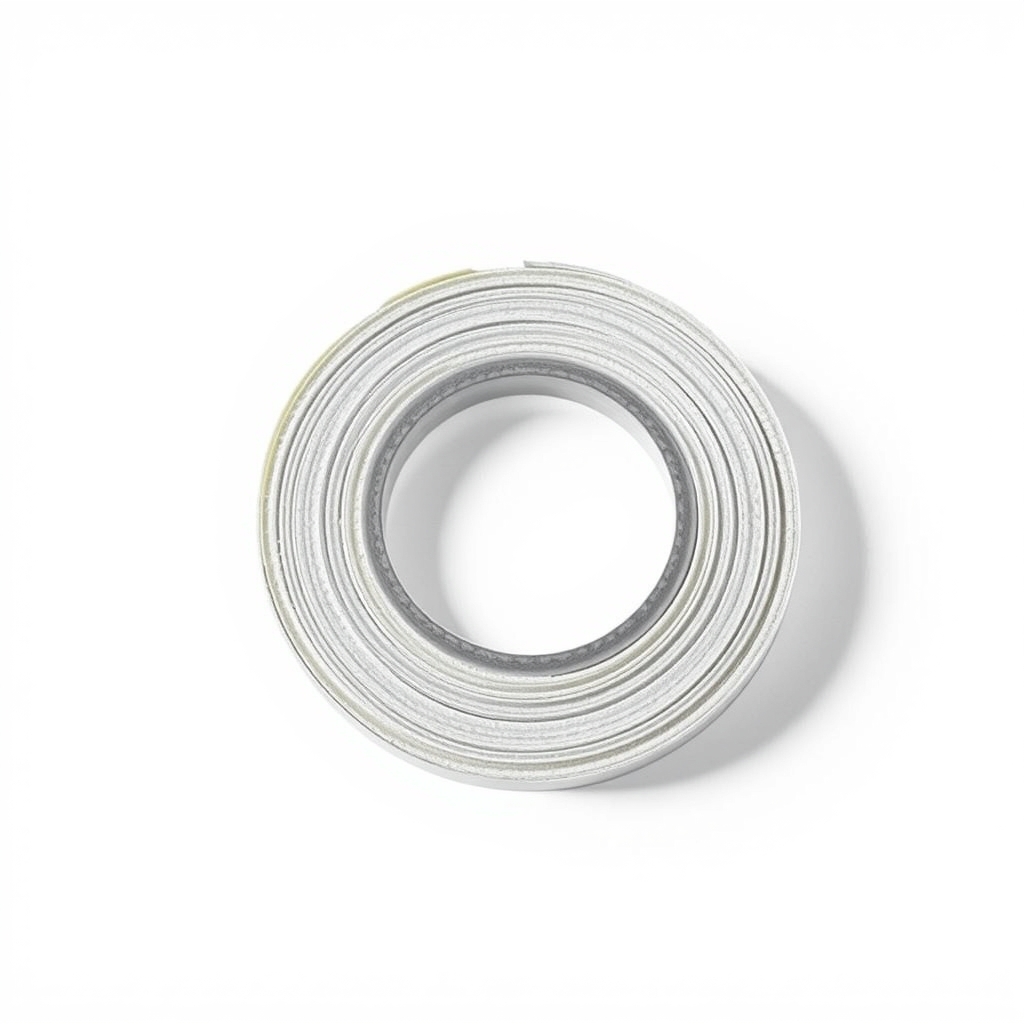
Iron-on carpet seaming tape
The seam opened because the glue under it failed. New hot-melt tape glues both backings back together, out of sight under the carpet. A single strip repairs a whole opened stretch.
How long it lasts: Years, when the hot-melt glue bonds fully to both backings.
As an Amazon Associate I earn from qualifying purchases.
What you'll need
-
Household iron
Works for a short seam; no steam
You have it -
Scissors or utility knife
Trims frayed edges and cuts the tape
You have it -
Heavy books
Weigh the seam while the glue cools
You have it - Our pick Illustration
Iron-on carpet seaming tape
Hot-melt strip that goes under the seam
- Illustration
Latex seam sealer
Stops cut edges from fraying
- Illustration
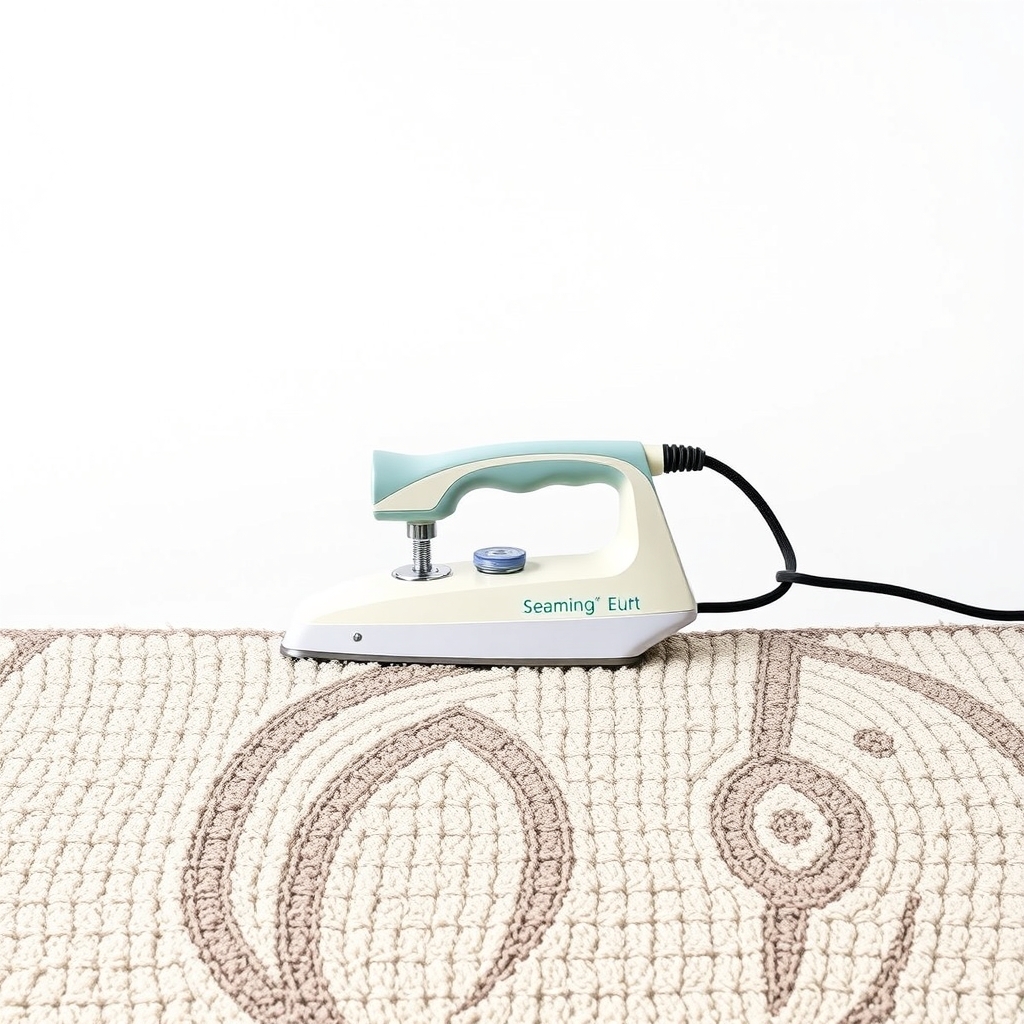
Carpet seaming iron
For long seams or several seams
Why it happens
Old seam tape that let go
The tape under a seam is hot-melt adhesive. Heat, humidity and years of foot traffic can weaken the bond until the two backings pull apart.
Carpet that was not stretched tight
If the carpet is loose, it shifts with every step and pulls on the seam. A seam that keeps reopening in a rippled room may need re-stretching.
Furniture and chair wheels
Heavy furniture dragged across a seam, and rolling chairs, catch the edge and tug it open.
A beater bar snagging loose fibers
A vacuum brush can catch frayed edges and drag them, which starts a gap that keeps growing.
Moisture under the carpet
Water weakens glue and backing. If the seam is damp or the carpet smells musty, dry it fully and find the source before you tape.
Try this first (free)
Do these in order, starting with the simplest.
-
Dry and clean the seam
Vacuum the area with the hose, and make sure the carpet is fully dry. Heat will not bond a damp backing. If you see mold or smell a musty odor, fix that first.
-
Trim and tuck
Tool used: Scissors or utility knifeCut off frayed threads along the edges with sharp scissors, taking as little as you can. Tuck loose pile away from the gap so no fibers get glued into the seam.
-
Slide the tape under the seam
Tool used: Iron-on carpet seaming tapeCut seaming tape about 2 inches longer than the gap at each end. Slide it under the carpet with the glue side up, centered under the opening, and keep it flat.
IllustrationCheck price on AmazonTool for this step
Iron-on carpet seaming tape · Hot-melt strip that goes under the seam
-
Heat and press a few inches at a time
Tool used: Household ironSet the iron the way the tape's directions say, usually the hottest cotton setting with no steam. Rest it on the tape under the edge for the stated time, then slide on a few inches. Press the carpet edges together right behind the iron.
-
Weigh it down and let it cure
Tool used: Heavy booksLay a board or heavy books along the seam and leave them for several hours, or as long as the package says. Keep traffic off it until the glue is cool and firm.
When free fixes aren't enough
Tucking and trimming only buy time. If the gap is wide enough to show the pad or floor, if the backing is torn or crumbling, or if the room's carpet is loose and rippling, tape alone will not hold, because the carpet keeps pulling the seam open. A pro with a power stretcher should re-stretch it. If you see water stains or smell mold, dry the area and find the leak first. For a normal open seam on firm carpet, tape is the repair. A household iron works for a short seam, and a seaming iron holds even heat on long ones.
Buy the fix
Still stuck after the free fixes? These are the products we would look at.
| Pick | Product | Fixes | Who it's for | Buy |
|---|---|---|---|---|
| Best pick | Iron-on carpet seaming tape | a seam that opened because the old glue failed | Anyone with a seam that is coming apart on firm, flat carpet. | Check price |
| Upgrade pick | Carpet seaming iron | uneven heating on long seams or several seams in one room | People repairing more than one seam, or a seam longer than a few feet. | Check price |
Iron-on carpet seaming tape
Fixes: a seam that opened because the old glue failed
Look for: Hot-melt adhesive on one side; Roughly 3 inches wide, long enough to extend past the gap by a couple of inches; Instructions that list the iron setting and hold time.
- Who it's for
- Anyone with a seam that is coming apart on firm, flat carpet.
- Honest downside
- The carpet is loose, rippled or damp. Fix the cause first, or the seam will open again.
Carpet seaming iron
Fixes: uneven heating on long seams or several seams in one room
Look for: A flat base made for seaming tape; Steady, even heat across the plate; A heat-resistant handle and stand.
- Who it's for
- People repairing more than one seam, or a seam longer than a few feet.
- Honest downside
- You have one short seam. A household iron and the tape will do.
As an Amazon Associate I earn from qualifying purchases. We don't show prices because they change, so use the button to see today's price.
How we picked: How we picked: this page is based on carpet-repair guides, seaming tape instructions from tape makers, and the repair problems people report in reviews. We do not test products by hand.
Heat safety
A seaming iron is hot enough to melt synthetic carpet fibers. Keep the iron on the tape and off the pile, and never leave it standing on the carpet. Unplug it when you step away, and keep kids and pets out of the room until everything cools.
What to skip
Glue, double-sided tape or staples
Craft glue and double-sided tape stay gummy and stain the backing. Staples work loose and can poke through the pile. None of them bond the two backings the way hot-melt seaming tape does.
Frequently asked questions
Can I use a regular iron to fix a carpet seam?
How long does seam tape take to set?
What causes a carpet seam to come apart?
Do I have to move all the furniture to repair a seam?
Related problems
 Free fix inside
Cleaning · Carpet Repair
Carpet Edges Fraying? Stop It Before It Unravels Further
Read the fix Free fix inside
Cleaning · Carpet
Carpet Ripples and Bubbles: How to Flatten Them With the Right Tool
Read the fix Free fix inside
Cleaning · Carpet
Carpet Coming Up at the Doorway? Re-Anchor It With a Transition Strip
Read the fix Free fix inside
Cleaning · Carpet Repair
Cat Tore Up the Carpet? Patch It So You Can't See the Repair
Read the fixAs an Amazon Associate I earn from qualifying purchases. Affiliate disclosure