Comforter Crunchy After Washing? Soften It Back Up
Leftover soap and hard-water minerals stiffen a bulky comforter. A white vinegar rinse and a gentle dry bring the softness back.
By Jamilur Rahman Updated November 5, 2026 · 6 min read
- Time
- 2 hours
- Cost
- Under $20
- Difficulty
- Easy
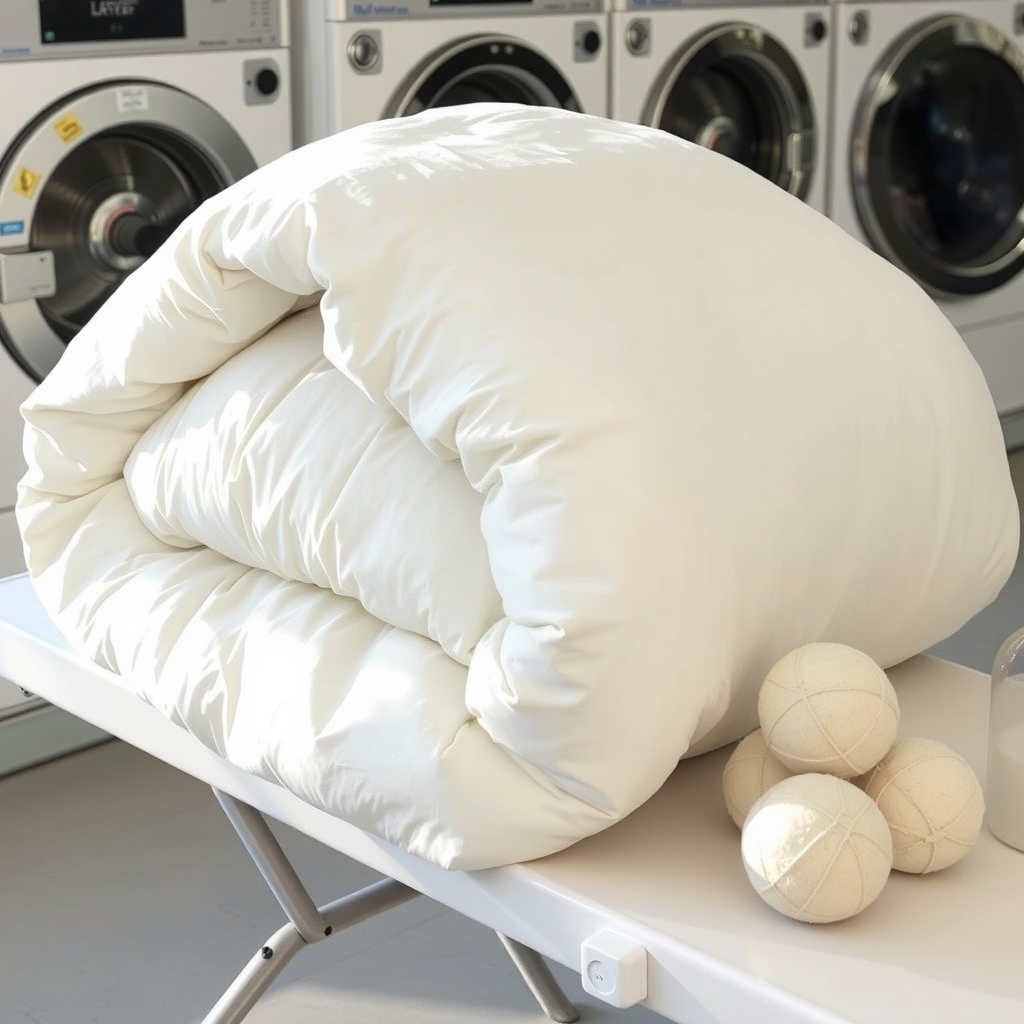
In this guide
Quick answer
Why is your comforter crunchy after washing? Almost always, leftover detergent or hard-water minerals are stiffening the fabric, because a bulky comforter does not rinse out fully. Rewash it with no detergent and 1 to 2 cups of white vinegar in the rinse, add an extra rinse, then dry on low with a few dryer balls. Vinegar dissolves the soap and mineral film, so this cheap fix works for most people, and dryer balls help the fill fluff back up.
Free fix vs. permanent fix
Rewash with a vinegar rinse
- Run it with no detergent and 1 to 2 cups of white vinegar
- Add an extra rinse cycle
- Dry on low with dryer balls or clean tennis balls
- Stop only when it is dry all the way through
How long it lasts: Fixes the crunch for good if residue was the cause. It returns if you overload the washer or use too much soap again.
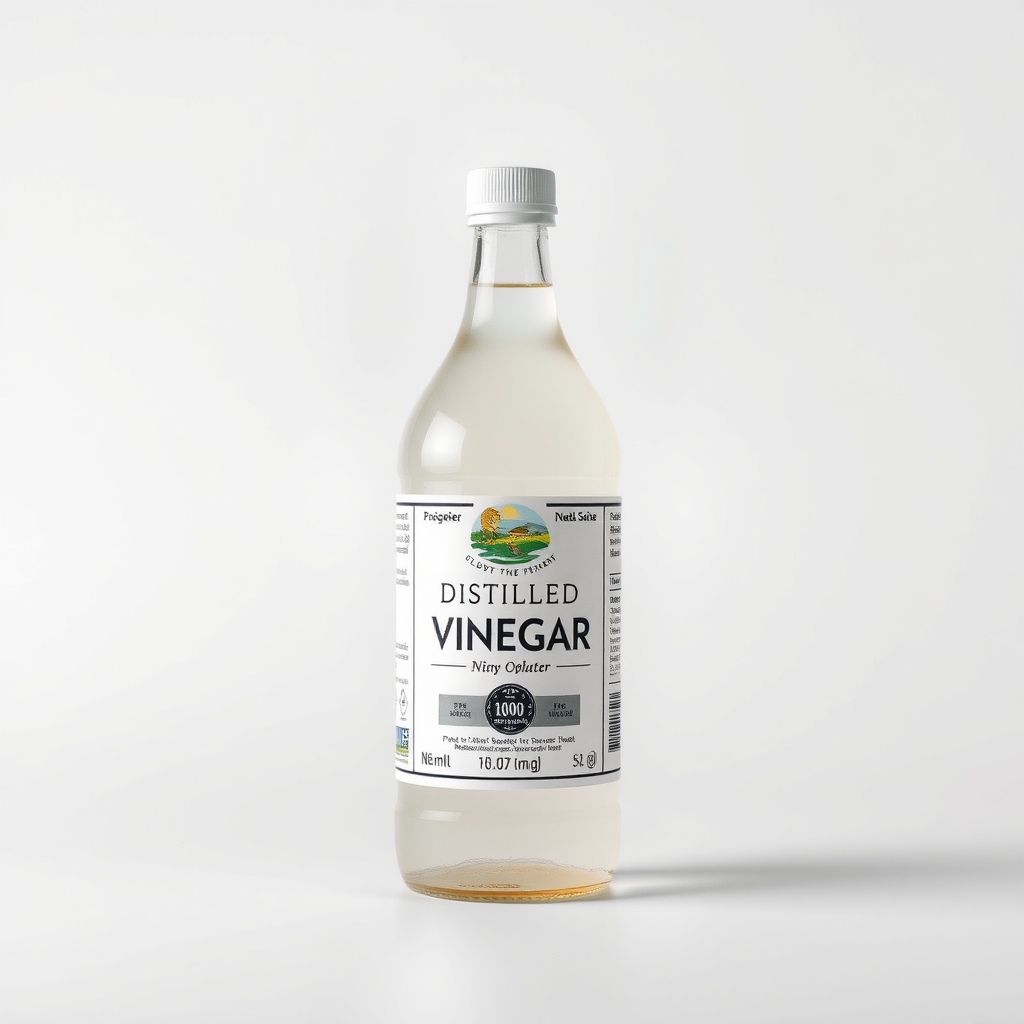
White vinegar in every comforter rinse
Vinegar is a mild acid. It breaks down the mineral deposits and soap film that make fabric stiff, and it rinses out with the water. It is the cheapest fix on this page, and the same jug handles towels and blankets. You may already have some at home. A jug in the laundry room just makes the habit stick.
What to get: Distilled white vinegar
How long it lasts: Add it to every comforter and blanket wash, and the minerals and soap never build up again.
As an Amazon Associate I earn from qualifying purchases.
What you'll need
-
Large-capacity washer or laundromat
A comforter needs room for the water to flow through it
You have it -
Measuring cup
To pour 1 to 2 cups of vinegar
You have it -
Clean tennis balls
A stand-in for dryer balls
Free - Our pick Illustration
Distilled white vinegar
5 percent acidity, in a big jug
- Illustration
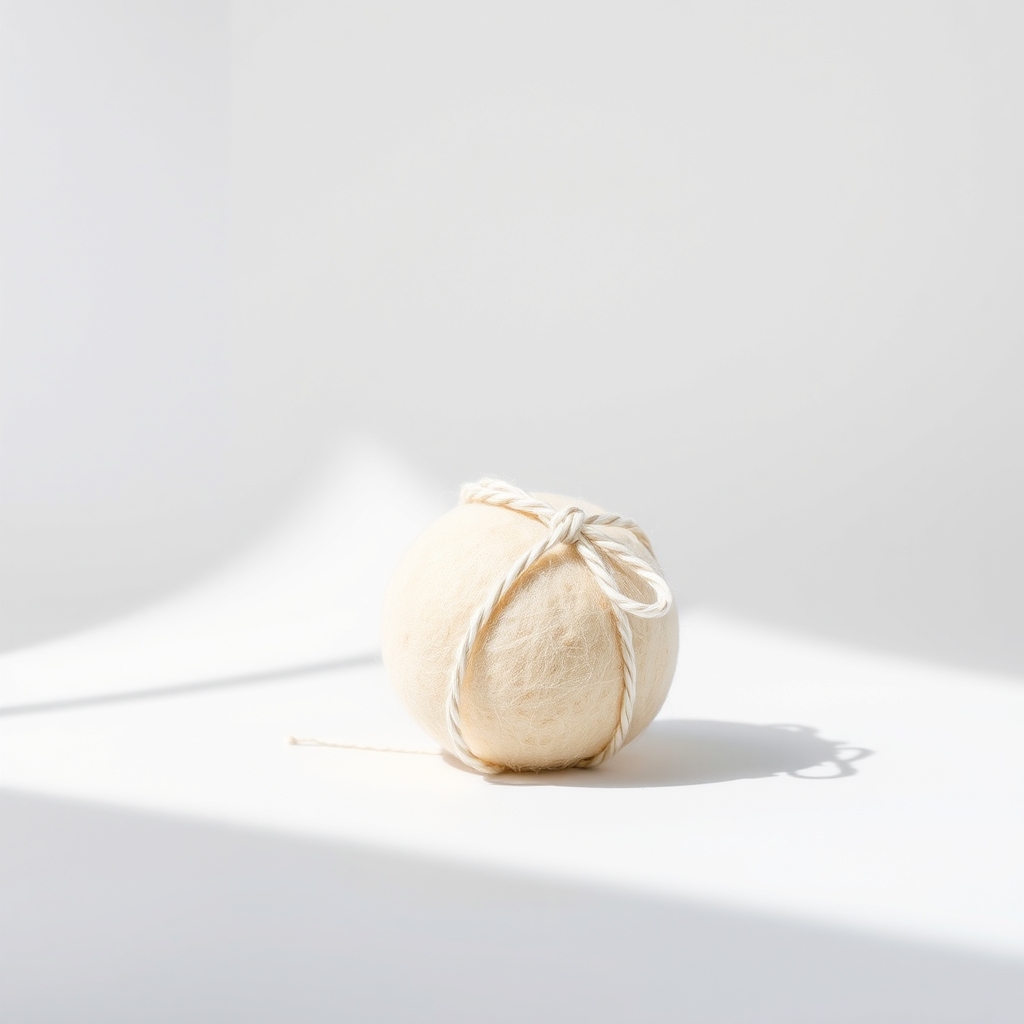
Wool dryer balls
Separate the fill and cut drying time
Why it happens
Too much detergent
A comforter soaks up soap like a sponge. More detergent than the load needs leaves a film in the fill and the fabric, which dries stiff.
A drum that is too small
Packed into a small washer, the comforter cannot move through the water, so soap and minerals stay trapped. If it fills more than about three-quarters of the drum, it will not rinse well.
Hard water
Minerals in hard water bond with soap and leave a chalky layer on the fabric, so it feels rough.
Softener or dryer sheet build-up
Waxy softener residue coats the fibers and can feel stiff or greasy instead of soft.
Too much dryer heat, or damp clumps
High heat can stiffen synthetic fabric and fill. A comforter that is still damp inside clumps and feels hard until it dries all the way.
Try this first (free)
Do these in order, starting with the simplest.
-
Check the label and the size
Tool used: Large-capacity washer or laundromatMake sure the comforter is washable. If it fills more than about three-quarters of your drum, use a large front-loader at a laundromat. A tight fit is the most common reason it will not rinse.
-
Rewash with no detergent
Tool used: Distilled white vinegarRun a wash with no detergent, on the temperature the label allows, with 1 to 2 cups of white vinegar in the fabric softener dispenser or at the start of the rinse. Never combine vinegar with bleach.
IllustrationCheck price on AmazonTool for this step
Distilled white vinegar · 5 percent acidity, in a big jug
-
Add an extra rinse
Tool used: Measuring cupChoose the extra rinse option or run a second rinse, so the soap and vinegar carry away. Check that the comforter is not crowding the drum.
-
Dry on low with dryer balls
Tool used: Wool dryer ballsToss in 3 or 4 wool dryer balls or clean tennis balls and dry on low. Pause every 30 minutes to shake out clumps and fluff the fill.
IllustrationCheck price on AmazonTool for this step
Wool dryer balls · Separate the fill and cut drying time
-
Dry it all the way
Feel the center and the seams, where the fill is thickest. It must be dry all through, or it stays hard and can mildew. Hang it over a line for an hour to finish.
When free fixes aren't enough
If the comforter is still crunchy after one vinegar rewash, repeat it once, because thick fill can need two rinses. If it is still stiff after that, heat may have damaged the fill or fabric, and a rewash cannot undo that. Vinegar is the only product worth buying here, and you may already own it. Wool dryer balls are a useful extra, since they shorten drying time and keep the fill from clumping. A bigger washer, such as a laundromat's large front-loader, does more than any product.
Buy the fix
Still stuck after the free fixes? These are the products we would look at.
| Pick | Product | Fixes | Who it's for | Buy |
|---|---|---|---|---|
| Best pick | Distilled white vinegar | leftover soap and mineral residue that stiffen a comforter | Anyone with a crunchy comforter, blanket or towels. | Check price |
| Upgrade pick | Wool dryer balls | clumping and slow drying that leave the fill hard | Anyone who dries comforters, duvets or pillows at home. | Check price |
Distilled white vinegar
Fixes: leftover soap and mineral residue that stiffen a comforter
Look for: Distilled white vinegar with 5 percent acidity; A large jug, since a comforter takes 1 to 2 cups; Plain, with no flavoring or cleaning additives.
- Who it's for
- Anyone with a crunchy comforter, blanket or towels.
- Honest downside
- Your washer's maker advises against vinegar, because it can wear rubber seals over time. Check the manual and use it only when needed.
Wool dryer balls
Fixes: clumping and slow drying that leave the fill hard
Look for: 100 percent wool, unscented; A large size that bounces through bulky bedding; A set of 4 to 6 for a comforter.
- Who it's for
- Anyone who dries comforters, duvets or pillows at home.
- Honest downside
- You are allergic to wool. Clean tennis balls do the same job.
As an Amazon Associate I earn from qualifying purchases. We don't show prices because they change, so use the button to see today's price.
How we picked: How we picked: this page is based on bedding and laundry care guides, washer manuals, and the fixes and complaints owners share in reviews. We do not test products by hand.
How to wash a comforter so it stays soft
- Use about half the detergent you would for a normal load, and skip softener.
- Wash it in a washer where it fills no more than three-quarters of the drum.
- Add an extra rinse, and a cup of vinegar to the rinse if your water is hard.
- Dry on low with dryer balls, and shake it out every half hour.
What to skip
More detergent, fabric softener and high heat
Adding more soap makes the crunch worse. Fabric softener and dryer sheets coat the fibers and add to the build-up you are trying to remove. High heat sets the residue and can stiffen synthetic fill.
Frequently asked questions
Why is my comforter crunchy?
Why is my comforter hard after washing?
Why does my comforter feel crunchy after drying?
Blanket not soft after washing: does the same fix work?
Can I mix vinegar with bleach or detergent?
Related problems
 Free fix inside
Bedroom & Sleep · Comforter
Comforter Smells Bad After Washing? The Reset That Fixes It
Read the fix Free fix inside
Bedroom & Sleep · Comforter
Comforter Balling Up in the Dryer? Fluff It Back for Good
Read the fix Free fix inside
Bedroom & Sleep · Comforter Care
Comforter Turning Yellow? How to Brighten It and Keep It Clean
Read the fix Free fix inside
Bedroom & Sleep · Comforter
Comforter Pilling? Shave It Smooth and Stop It Coming Back
Read the fixAs an Amazon Associate I earn from qualifying purchases. Affiliate disclosure