Bedroom Too Small? Space-Saving Moves That Don't Cramp Sleep
A small bedroom feels tight because floor space is doing every job. Clear the floor, use the dead space under the bed, and keep a calm sleep zone.
By Jamilur Rahman Updated November 5, 2026 · 5 min read
- Time
- 2 hours
- Cost
- $20-$50
- Difficulty
- Easy
In this guide
Quick answer
If your bedroom is too small, the fix is usually less floor clutter, not less furniture: clear what sits on the floor, rearrange to leave one open walkway and move seldom-used items into the dead space under the bed. Lidded under-bed storage containers hold off-season clothes, shoes and bedding out of sight, and they keep the room feeling calm for sleep.
Free fix vs. permanent fix
Declutter and rearrange
- Donate or toss anything you have not used in a year
- Keep one clear walkway, about 24 to 30 inches wide
- Clear the floor and the top of the dresser
How long it lasts: As long as you keep up with it. Without somewhere to put things, they creep back onto the floor and chairs.
Under-bed storage containers
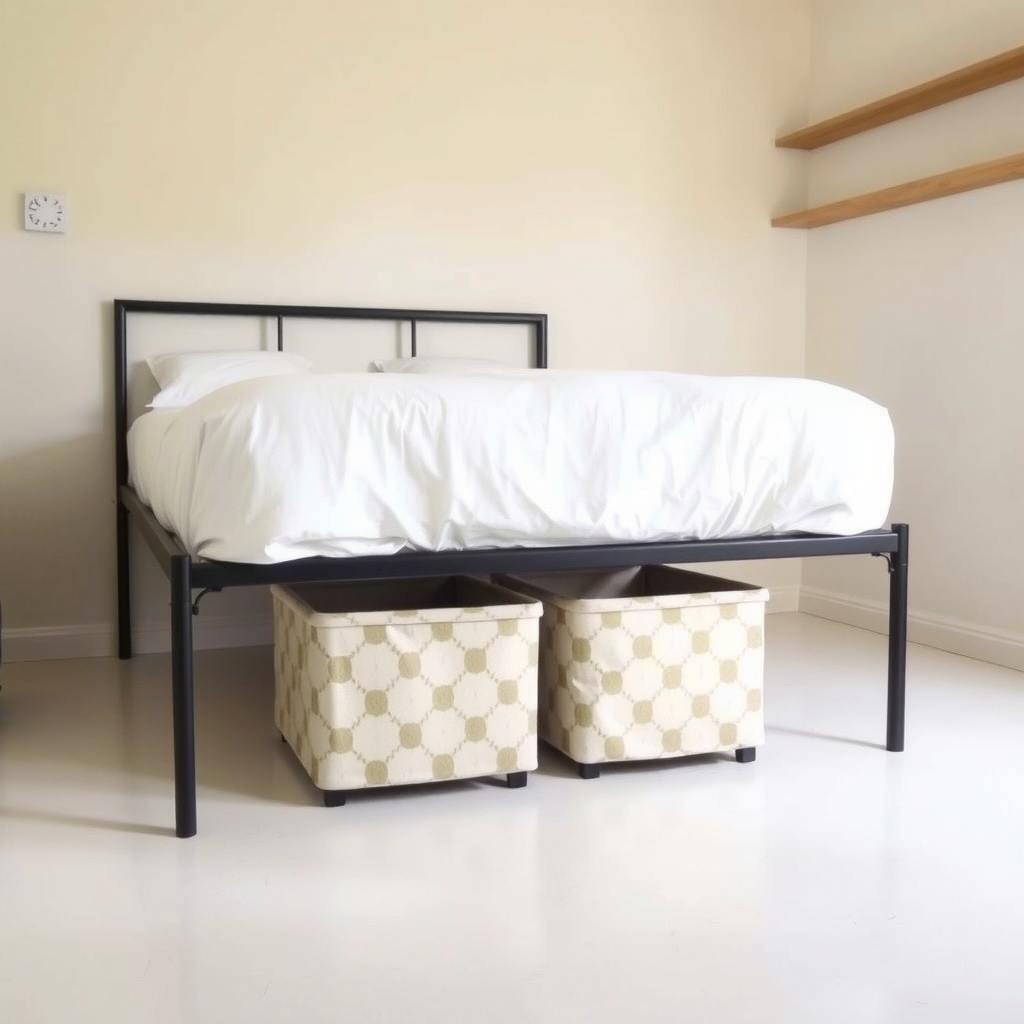
Most beds have 6 to 18 inches of unused space under them. Low, lidded containers use all of it, keep dust off and slide out like a drawer. Decluttering clears the room, and the containers keep it cleared.
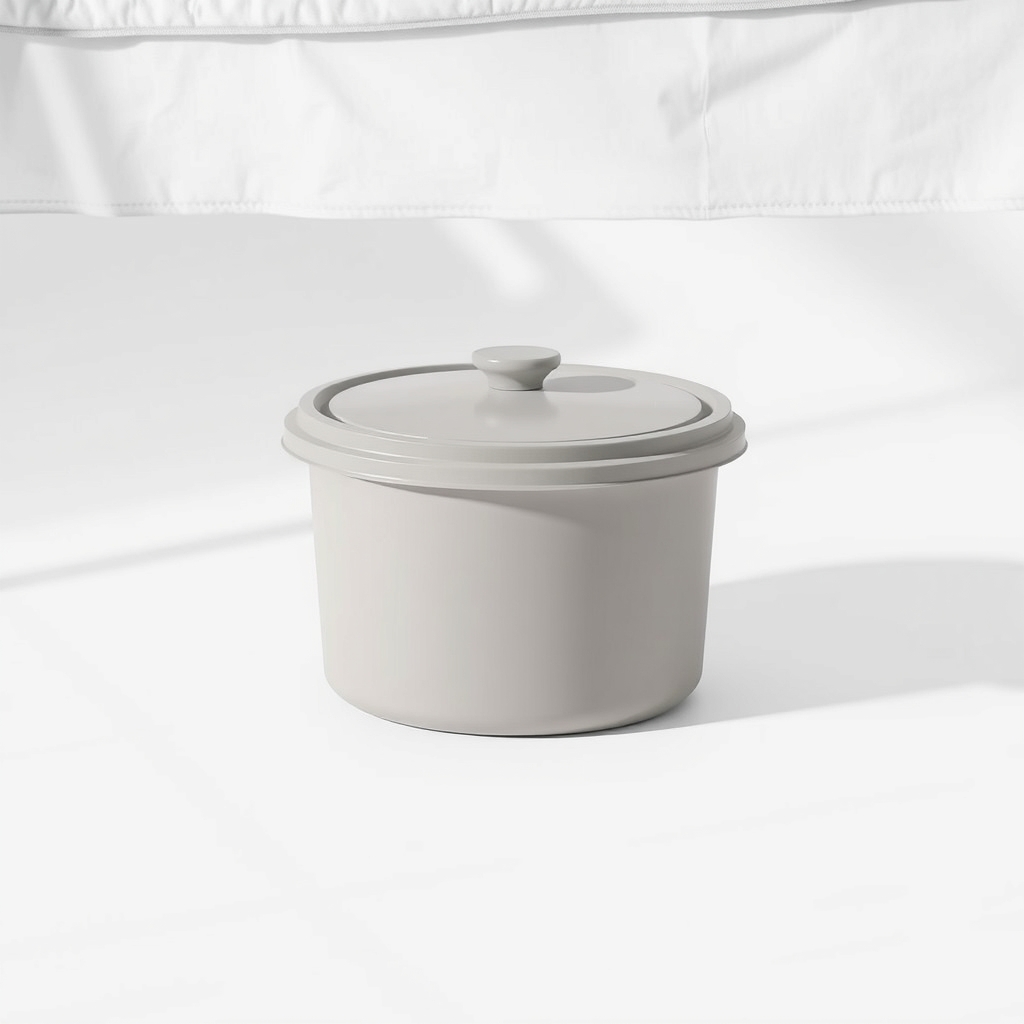
What to get: Lidded under-bed storage containers
How long it lasts: Years. They turn the space under the bed into a closet, so things have a home.
As an Amazon Associate I earn from qualifying purchases.
What you'll need
-
Tape measure
To check clearance under the bed before you buy
You have it -
Donation box or bag
Anything you have not used in a year goes in
Free - Our pick Illustration
Under-bed storage containers
Low and lidded, sized to your measurement
- Illustration
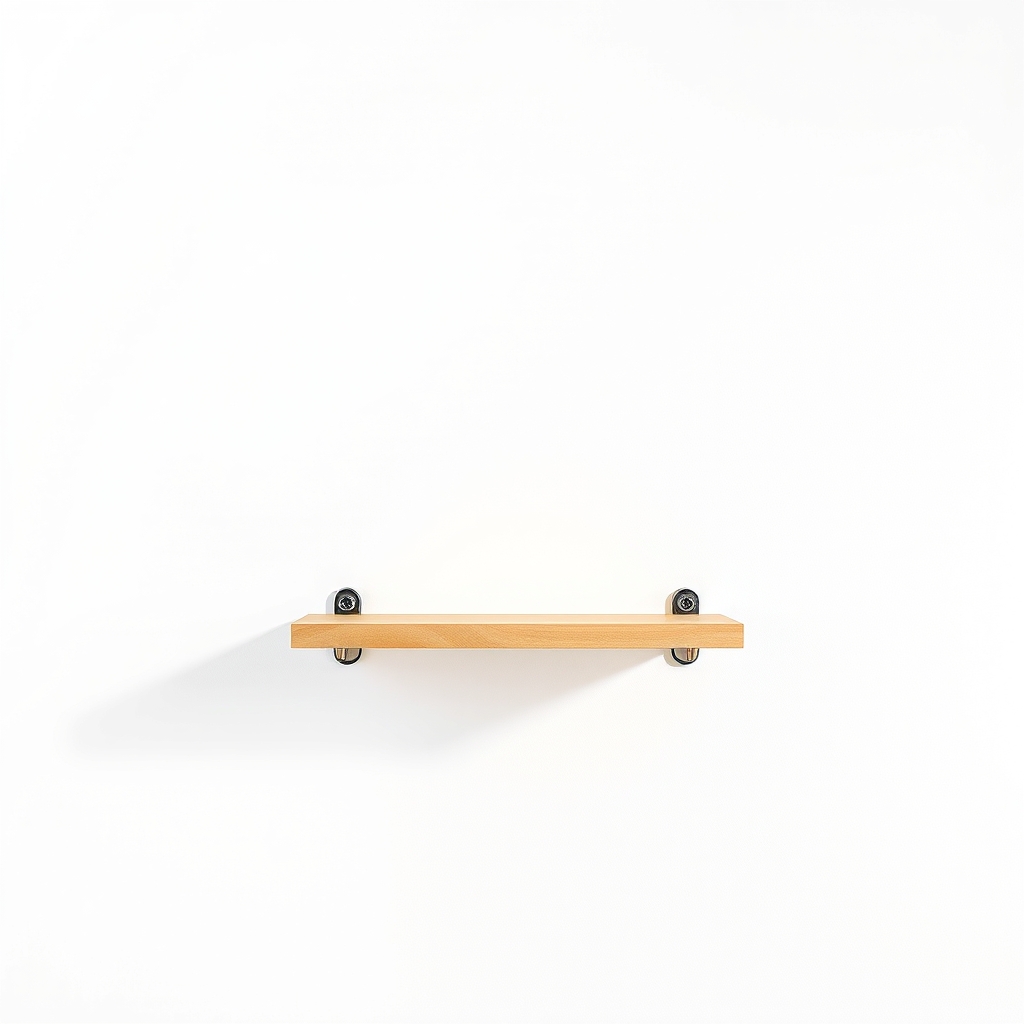
Wall shelf or over-door hooks
For things that should not live on the floor
Why it happens
The floor is doing too many jobs
Clothes, bags, shoes and laundry baskets all land on the floor. In a small room, that quickly adds up to no space to walk.
Furniture that is too big
A bulky dresser, a chair and two nightstands can fill a small room. Every piece should earn its place.
Unused space under and above
The area under the bed and the wall above the dresser stay empty in most small rooms, while the floor gets crowded.
Layout that blocks the walkway
Furniture placed against the wrong wall can leave awkward gaps, and doors that cannot fully swing open waste space.
Try this first (free)
Do these in order, starting with the simplest.
-
Do a one-year sort
Tool used: Donation box or bagTake everything off the floor and chairs. Anything you have not used or worn in a year goes in the donate or bin pile. Be strict, since fewer items means less to store.
-
Measure under the bed
Tool used: Tape measureMeasure the clearance from the floor to the bed frame, and the length and width of the open area. Write down the height. It decides what containers fit.
-
Move seldom-used items under the bed
Tool used: Under-bed storage containersOff-season clothes, spare bedding, shoes and travel bags go in lidded containers under the bed. Keep daily items in the dresser.
IllustrationCheck price on AmazonTool for this step
Under-bed storage containers · Low and lidded, sized to your measurement
-
Clear one walkway
Aim for about 24 to 30 inches of open floor from the door to the bed and the closet. Move the bulkiest piece of furniture out of that path first.
-
Use the walls
Tool used: Wall shelf or over-door hooksSwap a bulky nightstand for a wall shelf, and hang bags, belts and robes on hooks on the back of the door.
IllustrationCheck price on AmazonTool for this step
Wall shelf or over-door hooks · For things that should not live on the floor
When free fixes aren't enough
Decluttering works until the stuff you kept has nowhere to go. That is when it creeps back onto chairs and the floor. The under-bed containers give it a permanent home, and they hide it so the room looks bigger. If the bed sits too low for containers, raise it on bed risers first. And if the room still feels tight with everything put away, the issue is furniture size, not storage. Consider a smaller bed or dresser.
Buy the fix
Still stuck after the free fixes? These are the products we would look at.
Lidded under-bed storage containers
Fixes: items piling on the floor and chairs, by giving them a hidden home
Look for: A height below your measured clearance, with half an inch to spare; A lid or zipper that keeps dust out; Wheels or handles so they slide out easily; Sturdy sides that do not sag when full.
- Who it's for
- Anyone with 6 inches or more of clearance under the bed and a room that feels crowded.
- Honest downside
- Your bed sits flat on the floor or on a platform with no gap. Use shelves or a taller bed frame instead.
As an Amazon Associate I earn from qualifying purchases. We don't show prices because they change, so use the button to see today's price.
How we picked: How we picked: this page is based on small-room layout advice from home organizers and design guides, storage container size charts and what owners report in reviews. We do not test products by hand.
Measure before you buy
Under-bed containers are sold by height, and a box that is half an inch too tall will not slide in. Measure the clearance at the lowest point, including the frame's support legs and slats, then subtract half an inch.
- Under 6 inches: slim flat bins or zippered bags.
- 6 to 12 inches: standard lidded bins.
- 12 inches or more: tall bins, or two layers.
Keep the sleep zone calm
Even in a small room, try to keep the area right around the bed free of piles. Many people find a tidy sleep area helps them settle. Cover open shelves with baskets, and keep surfaces mostly bare.
What to skip
Storing things you use every day under the bed
If you have to drag out a box every time you need socks, you will leave things on the floor. Keep daily items in reach, and use under-bed storage only for things you reach for a few times a season.
Frequently asked questions
How do I make a small bedroom feel bigger?
Is it OK to store things under the bed?
Where should the bed go in a small bedroom?
What if my bed sits too low for containers?
Related problems
 Free fix inside
Small Spaces & Storage · Under-Bed Storage
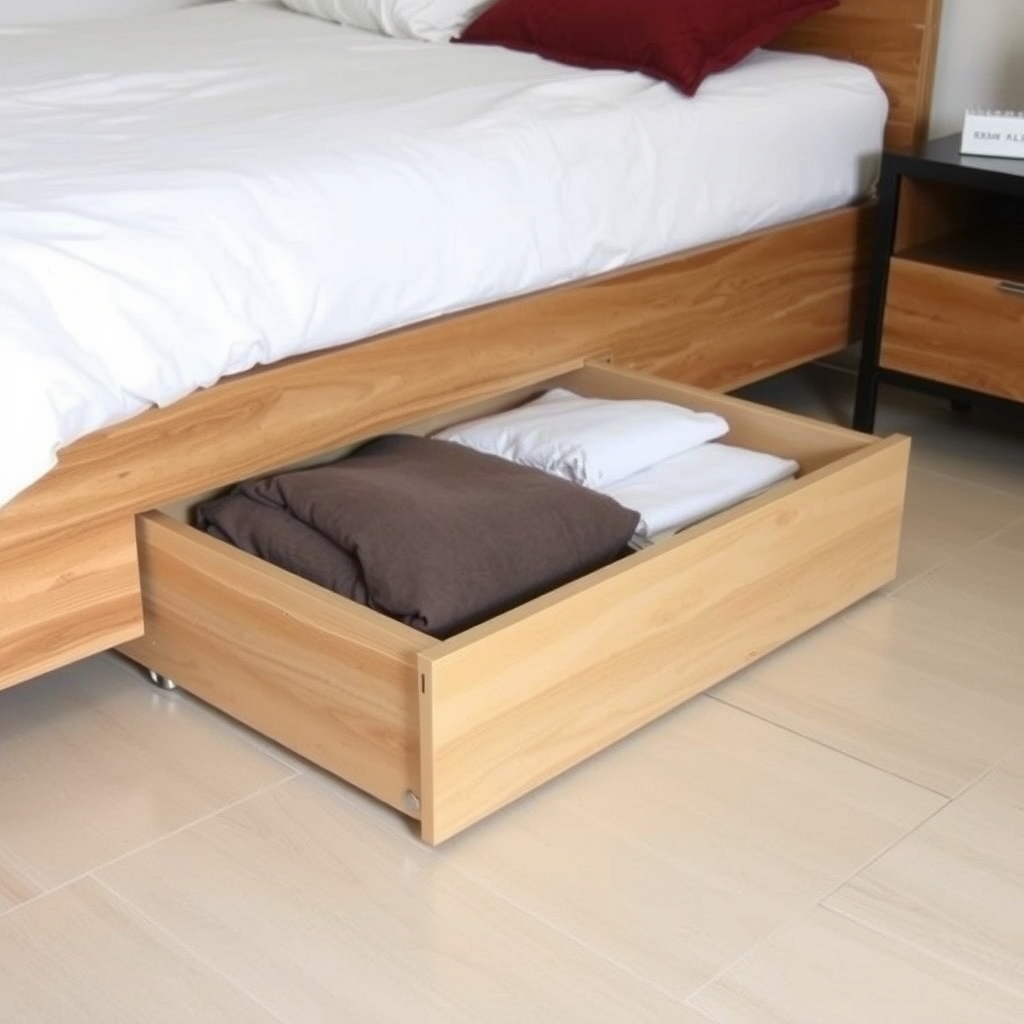
Under Bed Storage Ideas: 5 Types and the Beds They Fit
Read the fix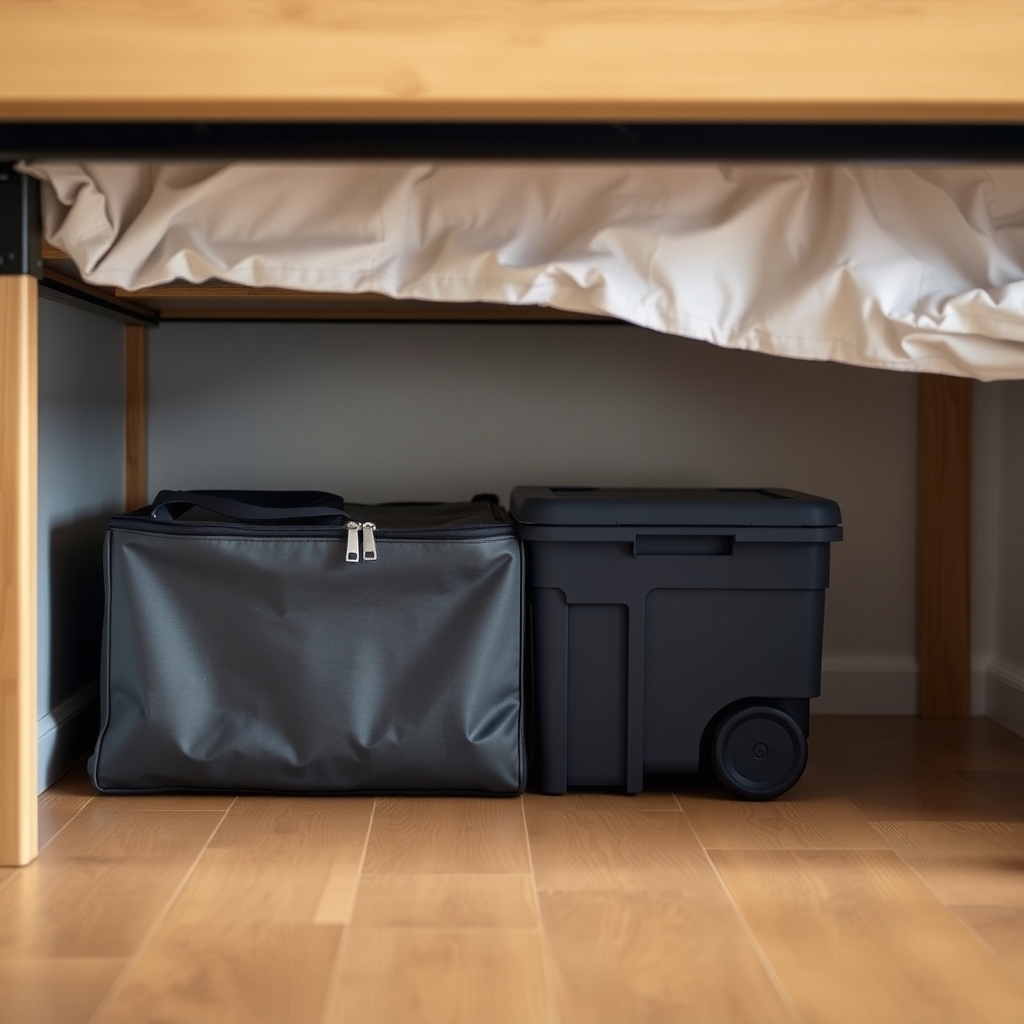 Free fix inside
Small Spaces & Storage · Under-Bed Storage
Under Bed Storage With No Dust: Zippered and Lidded Options
Read the fix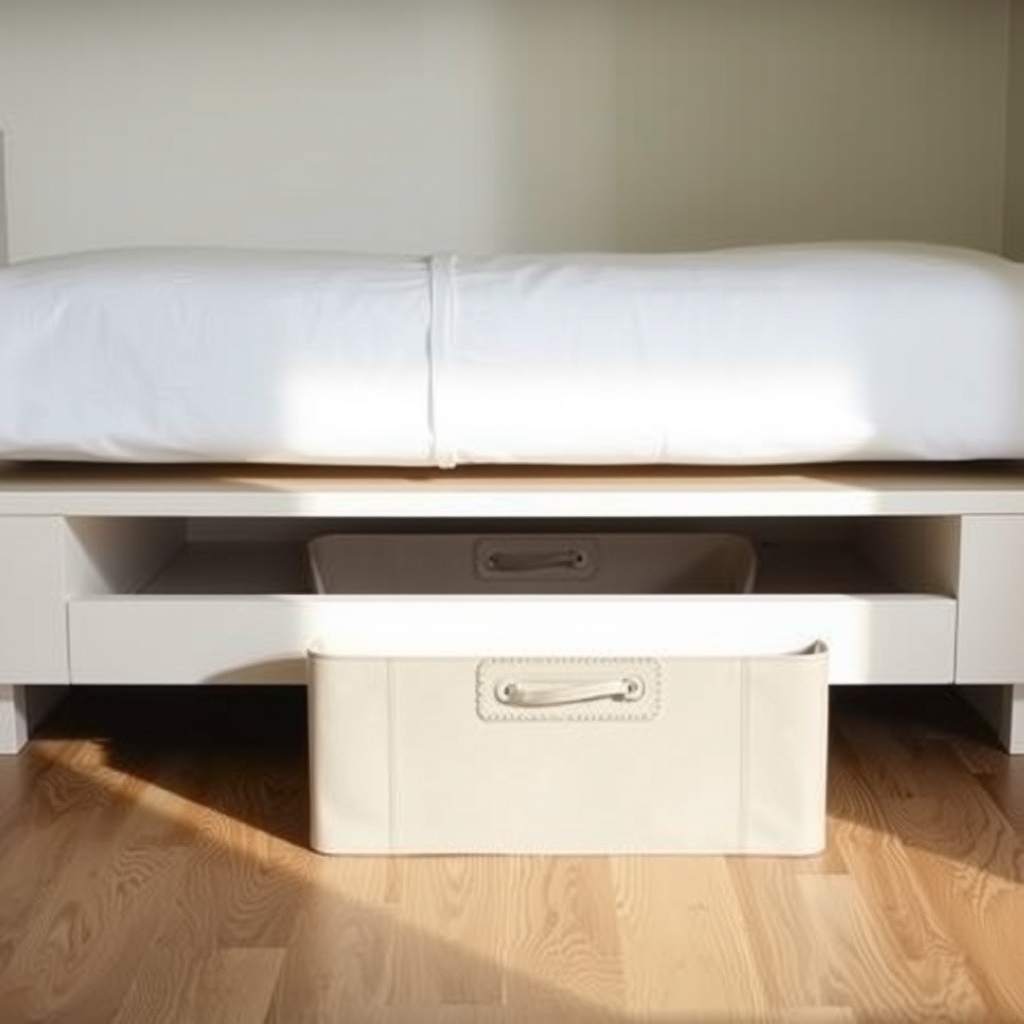 Free fix inside
Small Spaces & Storage · Under-Bed Storage
Under Bed Storage for a Very Low Bed: Slim Bins That Still Slide In
Read the fix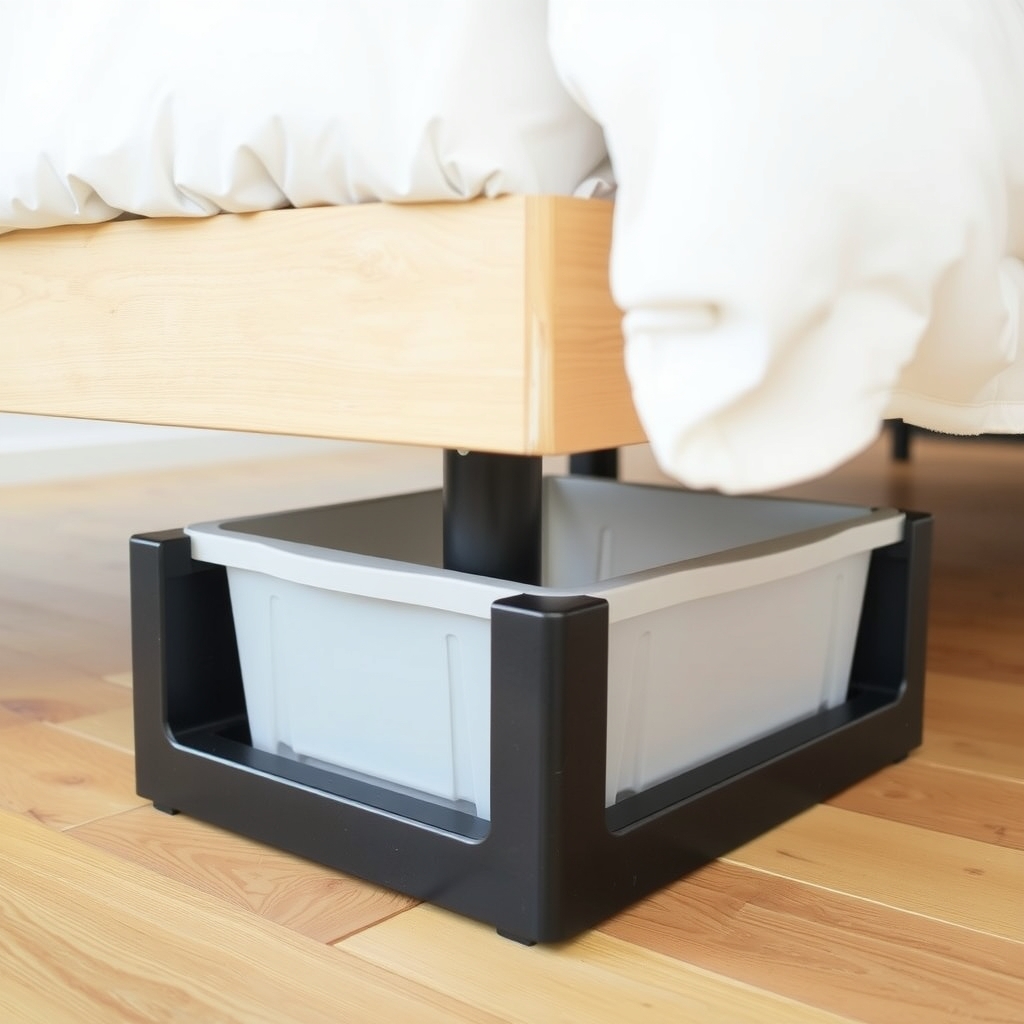 Free fix inside
Small Spaces & Storage · Bed Height
How to Raise a Bed for Storage Underneath (No New Frame Needed)
Read the fixAs an Amazon Associate I earn from qualifying purchases. Affiliate disclosure