Shower Curtain Rod Keeps Falling? Why It Slips and What Holds
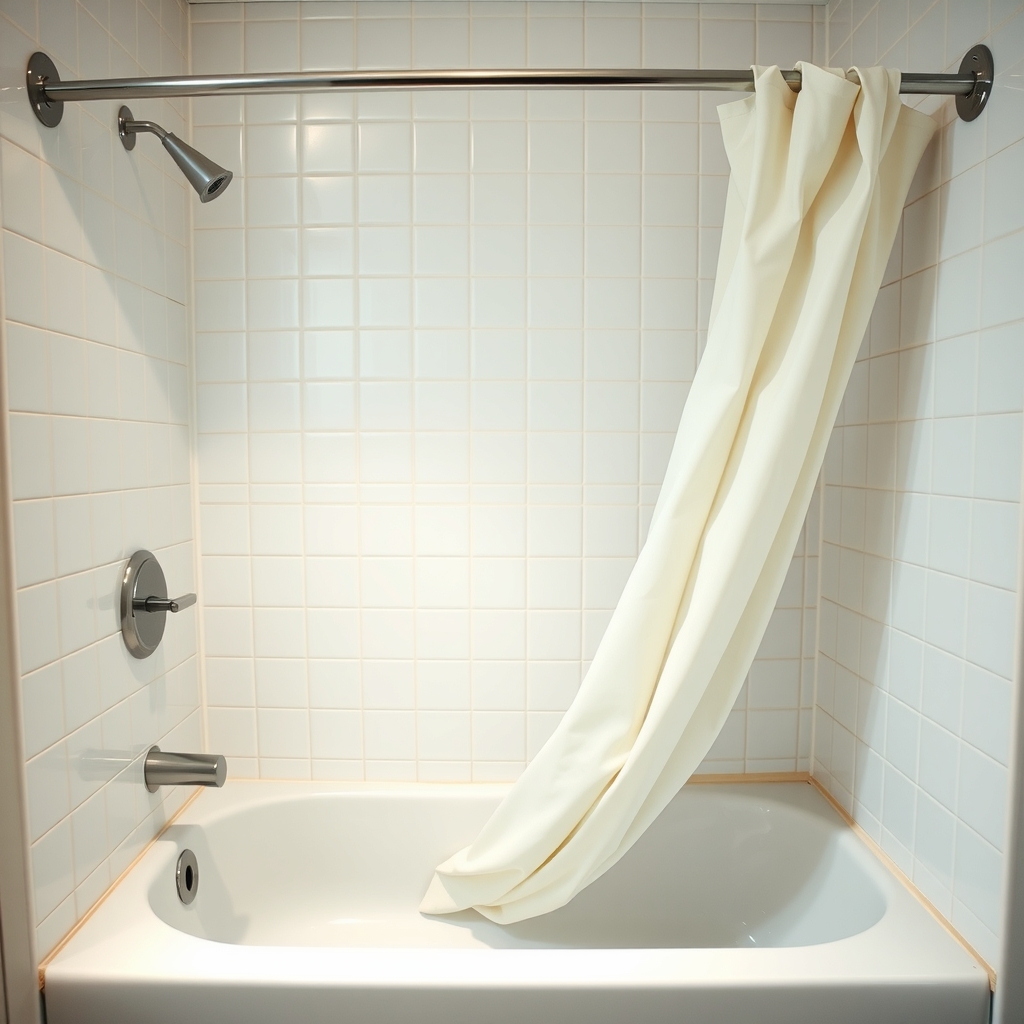
A tension rod falls when slick walls, a weak spring or a heavy curtain beat its grip. Clean and pad the ends first; a heavy-duty rod holds when those fail.
By Jamilur Rahman Updated November 5, 2026 · 7 min read
- Time
- 15 min
- Cost
- $20-$50
- Difficulty
- Easy
In this guide
Quick answer
A tension shower rod stays up only by pressing against two walls, so it falls when the walls are wet and slick, the rod is stretched too far, the spring is worn, or the curtain pulls on it. Wipe the contact spots, add rubber grip under the ends and re-tension it. If it falls again within a week or two, the rod is too weak for your walls. A heavy-duty rod with a locking mechanism, or a screw-mounted rod, is the lasting fix.
Free fix vs. permanent fix
Clean, grip and re-tension
- Wipe both wall spots with rubbing alcohol to remove soap film
- Put a rubber pad under each end cap
- Extend the rod until snug, then add a quarter turn
- Use a lighter curtain, or one fewer layer
How long it lasts: Weeks to months. It holds until the walls get soapy again or an old spring gives out.
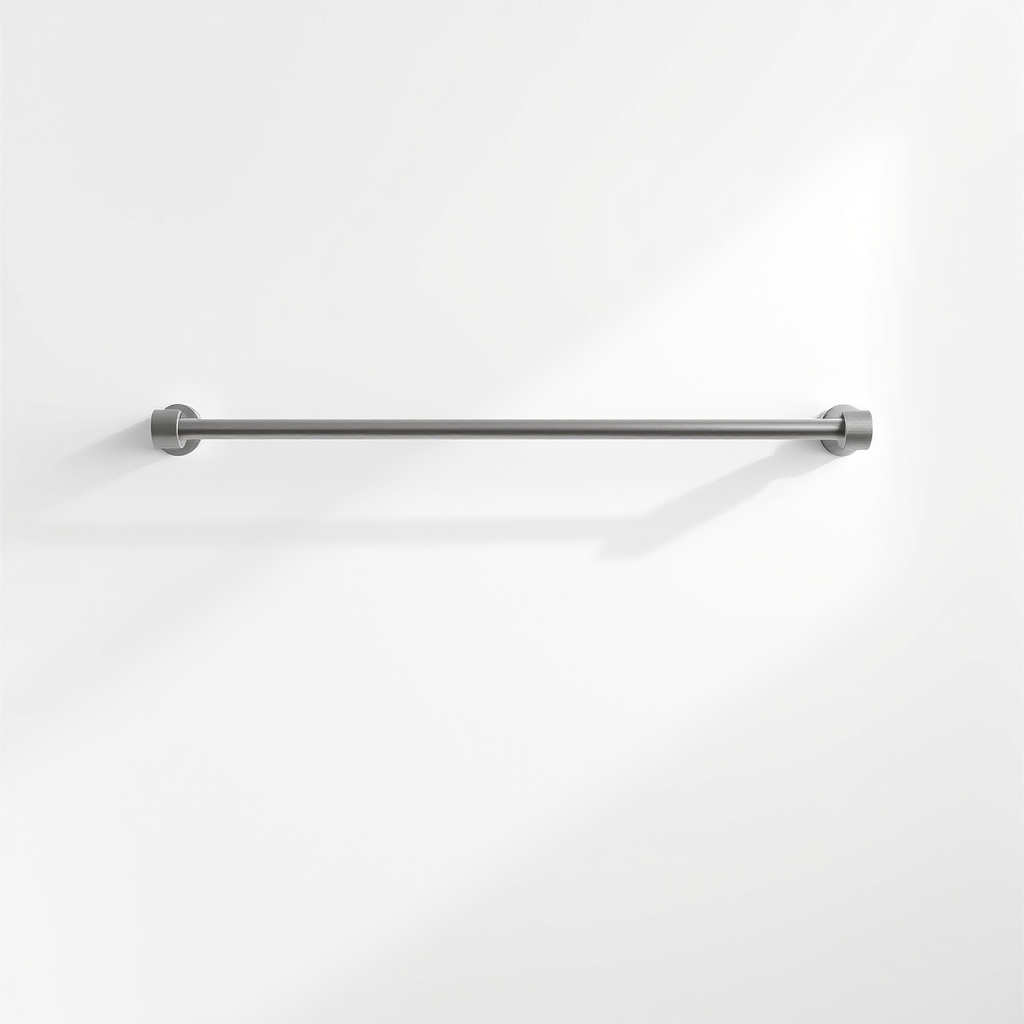
A heavy-duty tension rod with a locking mechanism
A basic rod relies on a thin spring that wears out. A heavy-duty rod has a thicker tube, wider rubber end caps and a mechanism that locks the length, so it keeps its grip and bows less under a wet curtain. Cleaning helps today. The better rod keeps it up.
What to get: Heavy-duty tension shower curtain rod
How long it lasts: Years. A thicker tube and wide rubber ends hold on wet walls longer than a basic spring rod.
As an Amazon Associate I earn from qualifying purchases.
What you'll need
-
Tape measure
To measure wall to wall
You have it -
Rubbing alcohol and a cloth
Removes the soap film at the contact spots
You have it -
Rubber shelf liner
Cut two small circles to go under the end caps
You have it - Our pick Illustration
Heavy-duty tension shower rod
Look for a locking mechanism and wide rubber ends
- Illustration
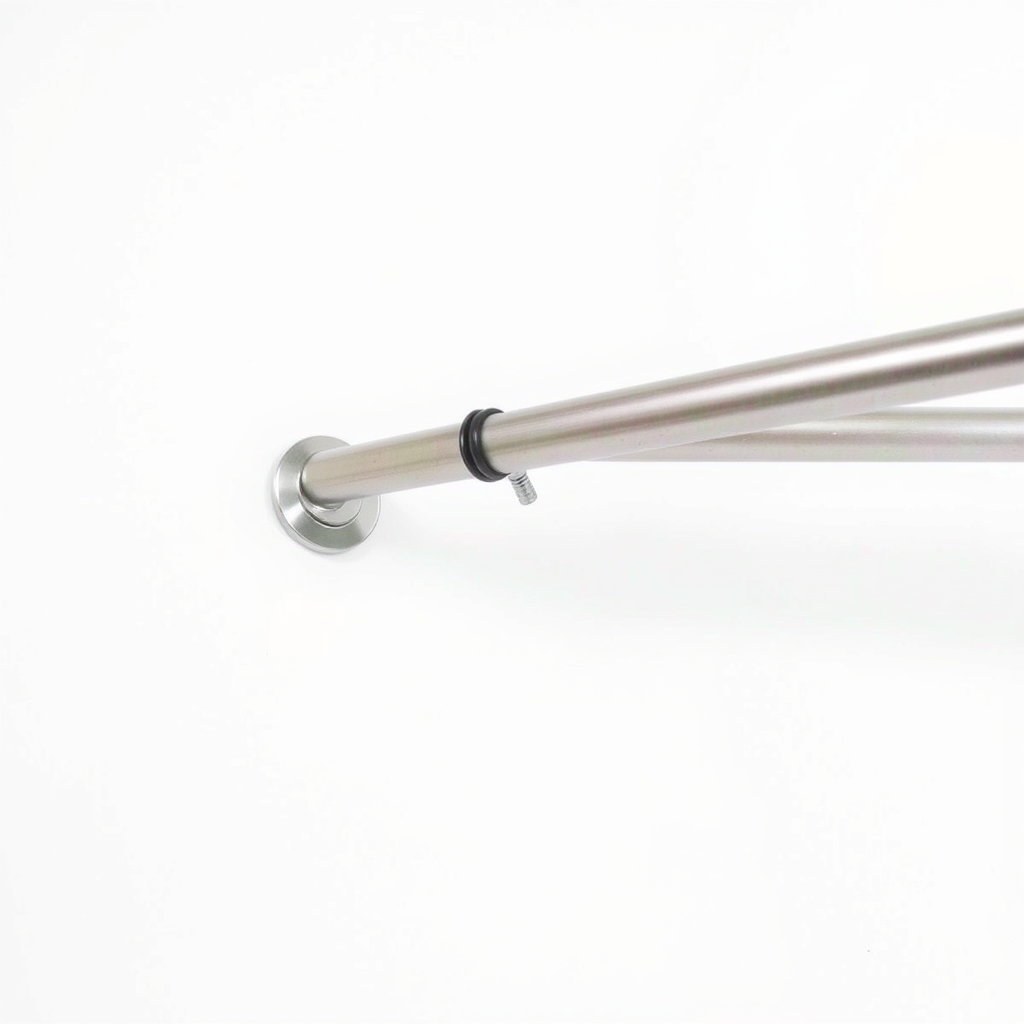
Screw-mount shower curtain rod
For walls that will not hold tension at all
Why it happens
Wet, slick walls
Soap film, shampoo and water make tile and fiberglass slippery. The rubber end caps lose their grip and the rod creeps down a little each day until it drops.
Too little tension, or stretched to its limit
A rod that is barely long enough has its spring at its weakest. One that is too long bows in the middle and cannot push hard on the walls.
A worn spring or hard end caps
Springs lose force over the years, and hard shiny end caps do not grip. Cheap rods wear out fast.
Weight and tugging
A curtain plus a liner, wet and clinging, pulls the rod down and sideways. Yanking the curtain open by the middle jerks it every time.
Walls that are not parallel
A rod set where the walls curve, or on a bulged fiberglass surround, presses unevenly and slides toward the wider side.
Try this first (free)
Do these in order, starting with the simplest.
-
Measure the gap and check the rod
Tool used: Tape measureMeasure wall to wall at the height where the rod sits. Most tubs are about 60 inches wide. Make sure the rod's range covers your width with room to spare, and is not at the very end of its extension.
-
Clean the two wall spots
Tool used: Rubbing alcohol and a clothWipe each contact spot with rubbing alcohol on a cloth, then dry it. Soap film is the top reason end caps slip.
-
Add grip under the ends
Tool used: Rubber shelf linerCut two circles of rubber shelf liner a little bigger than the end caps and put one between each cap and the wall. It gives the rod something to bite.
-
Re-set the tension
Twist the rod until it wedges between the walls, then give it a quarter turn more. It should not bow, and should not budge when you press the middle. Do not crank it hard, since too much force can crack tile or dent a fiberglass wall.
-
Lighten the load
Hang one curtain or one liner, not two heavy layers. Use rings that slide freely, and pull the curtain open by its edge, not the middle.
-
Swap the rod if it still falls
Tool used: Heavy-duty tension shower rodIf it slips within a week after cleaning and padding, the rod is too weak for your walls. Fit a heavy-duty tension rod with a locking mechanism and wide rubber ends.
IllustrationCheck price on AmazonTool for this step
Heavy-duty tension shower rod · Look for a locking mechanism and wide rubber ends
When free fixes aren't enough
If the rod falls again within two weeks, the spring or the walls are the problem, not you. Old springs do not recover, and a thin rod on smooth wet tile will always slide. A heavy-duty rod with a locking mechanism and wide rubber ends holds on surfaces where a basic one cannot. If your walls are crumbly, painted drywall, or flex when you press them, tension cannot work at all. A screw-mounted rod fastened into studs or wall anchors is then the only fix that holds, and it needs a drill.
Buy the fix
Still stuck after the free fixes? These are the products we would look at.
| Pick | Product | Fixes | Who it's for | Buy |
|---|---|---|---|---|
| Best pick | Heavy-duty tension shower curtain rod | a rod that slides off wet walls under the weight of a curtain | Anyone with tile or fiberglass walls who has cleaned the contact spots and still sees the rod slip. | Check price |
| Upgrade pick | Screw-mount shower curtain rod | walls that cannot hold tension at all | People who can drill into the walls, and anyone whose tension rod keeps falling even after a replacement. | Check price |
Heavy-duty tension shower curtain rod
Fixes: a rod that slides off wet walls under the weight of a curtain
Look for: A locking or ratchet mechanism, not just a loose spring; Wide, non-slip rubber end caps; A thick tube that does not bow under a wet curtain; A range that covers your tub with room to spare.
- Who it's for
- Anyone with tile or fiberglass walls who has cleaned the contact spots and still sees the rod slip.
- Honest downside
- Your walls are crumbly, flex, or are not parallel. Use a screw-mount rod instead. Also skip it if your tub is wider than the rod's listed range.
Screw-mount shower curtain rod
Fixes: walls that cannot hold tension at all
Look for: Mounting flanges and screws or wall anchors included; A rust-resistant finish; A length that fits your tub width.
- Who it's for
- People who can drill into the walls, and anyone whose tension rod keeps falling even after a replacement.
- Honest downside
- You rent and cannot drill, or you do not want to drill tile, which needs a carbide-tipped bit and care.
As an Amazon Associate I earn from qualifying purchases. We don't show prices because they change, so use the button to see today's price.
How we picked: How we picked: this page is based on shower hardware installation guides, product specs for tension and screw-mount rods, and the problems and fixes people report in reviews. We do not test products by hand.
Pick the right spot for the rod
Set the rod a few inches above the curtain's top edge, where both walls are flat. Avoid corners and ledges. Try to seat each end cap on one tile or panel rather than across a grout line, since grout is recessed and the cap loses contact.
What to skip
Cranking the tension and using tape or glue
Over-tightening can crack tile or dent a fiberglass wall, and a bowed rod is weaker, not stronger. Duct tape and glue leave residue and fail when wet. Fix the grip and the strength of the rod instead.
Frequently asked questions
Why does my shower curtain keep falling down?
How do I fix a shower curtain rod without screws?
How do I fix a shower curtain rod that fell?
How do I fix a shower curtain rail that came loose?
Related problems
As an Amazon Associate I earn from qualifying purchases. Affiliate disclosure