Shower Curtain Blowing In? 3 Fixes, From Free to a Curved Rod
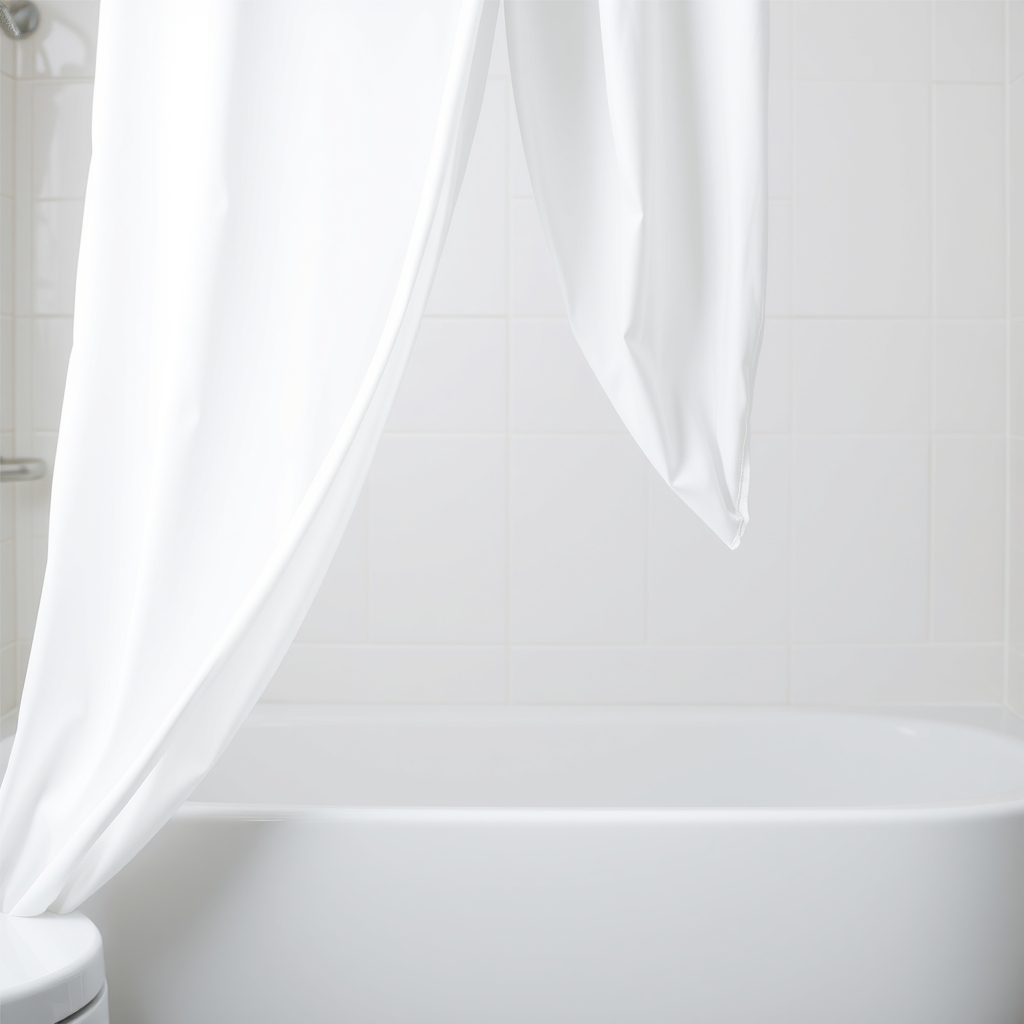
Warm air and falling water pull a light liner inward. Hang it inside the tub first; if it still clings, weigh the hem, then add a curved rod.
By Jamilur Rahman Updated November 5, 2026 · 7 min read
- Time
- 10 min
- Cost
- Under $20
- Difficulty
- Easy
In this guide
Quick answer
To stop a shower curtain from blowing into the shower, hang the liner inside the tub and aim the spray at the wall, not the curtain. A light liner still gets pulled in by warm air and falling water, so the fix that holds is weight at the hem: a liner with built-in magnets or weights. A curved rod is the last step if it still touches you.
Free fix vs. permanent fix
Hang it inside the tub and aim the spray
- Hang the liner inside the tub, with the decorative curtain outside
- Point the shower head at the back wall, away from the curtain
- Turn the heat down a notch; less steam means less pull
- Close it fully and space the rings evenly
How long it lasts: Fine for mild billowing. A thin liner can still drift in when the water runs hot.
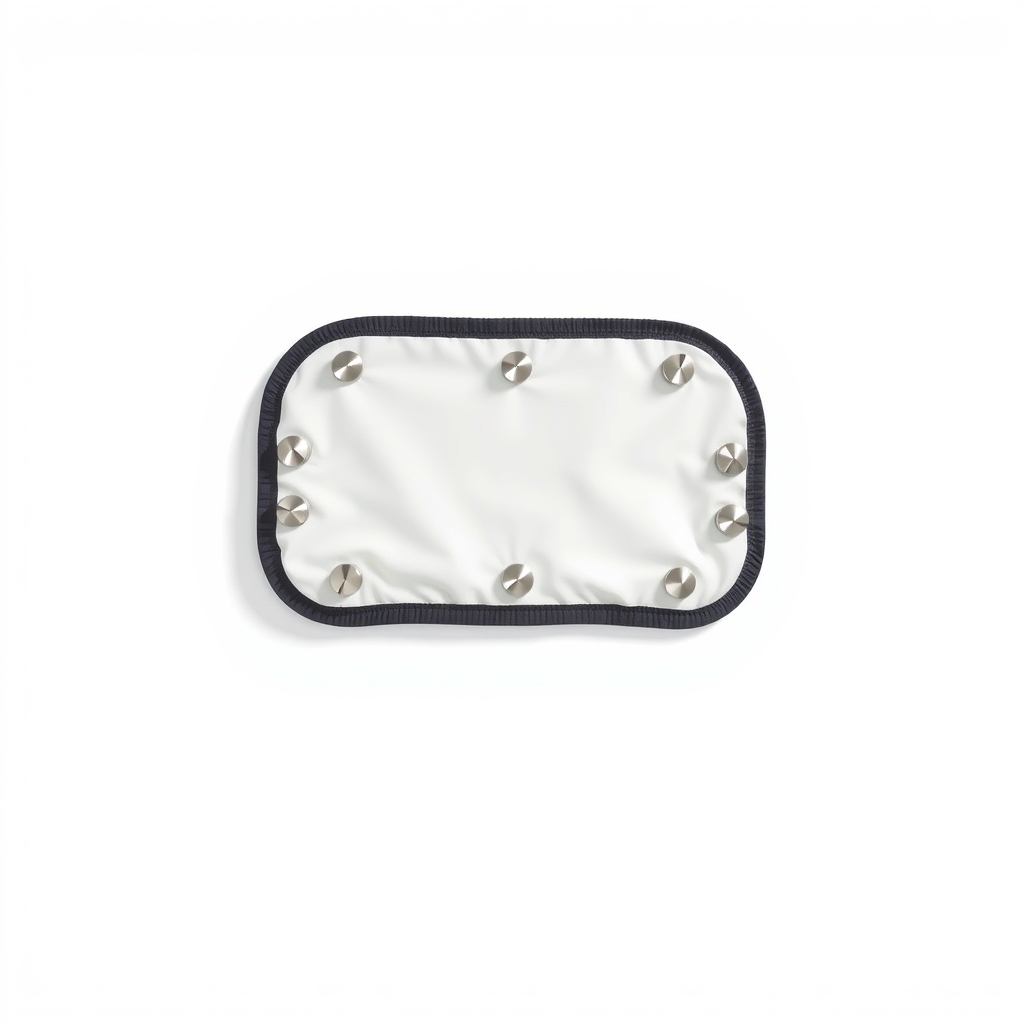
A weighted shower liner with magnets
The liner moves because it is light. Weights and magnets in the hem give it the mass it lacks, and the magnets grab a steel or cast-iron tub wall. The bottom stays put, so the liner stops swinging in toward you.
What to get: Weighted shower liner with magnets
How long it lasts: Years. The weight is built into the hem, so it works every shower.
As an Amazon Associate I earn from qualifying purchases.
What you'll need
-
Your current liner and curtain
Start by hanging the liner inside the tub
You have it - Our pick Illustration
Weighted shower liner with magnets
Magnets hold best on a steel or cast-iron tub
- Illustration
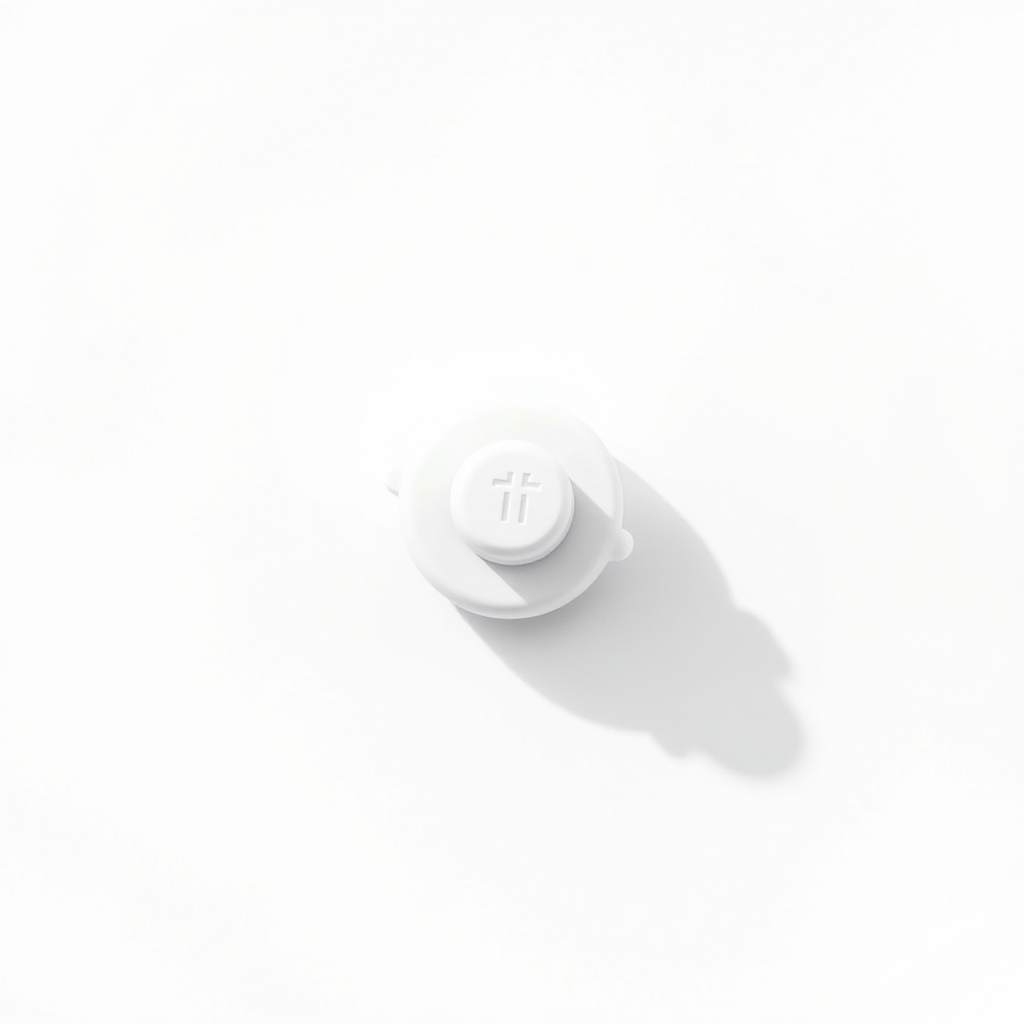
Clip-on shower curtain weights
Adds weight to the liner you already own
- Illustration
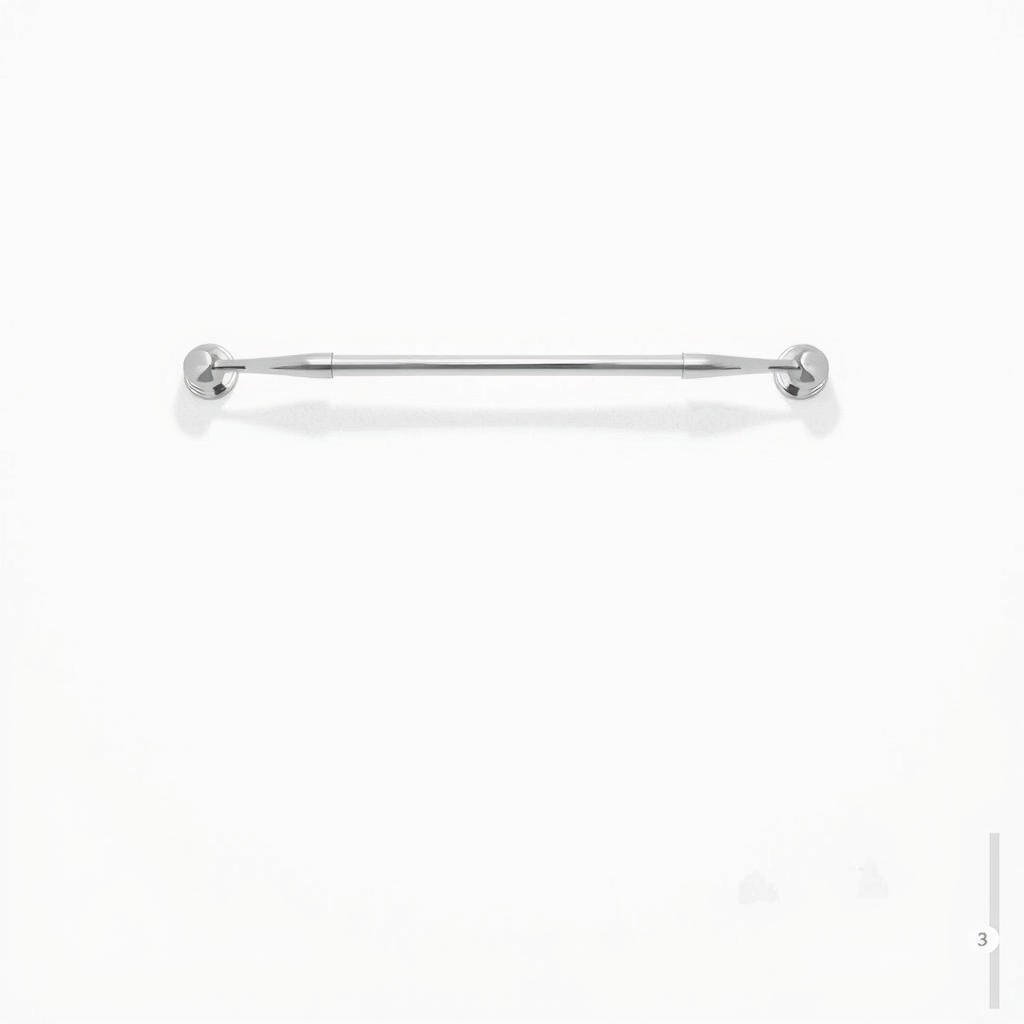
Curved shower curtain rod
Bows outward, so the curtain hangs away from you
Why it happens
Warm air rising
Hot water heats the air in the shower stall. It rises, and cooler room air rushes in at the bottom to replace it. That draft pushes a light liner inward.
Falling water pulling air down
The spray drags the air around it downward, which lowers the pressure inside the shower. Higher-pressure air from the room pushes the curtain in. People still debate how much each effect counts, but both push the same way.
A liner that is too light
Thin plastic has almost no weight to resist a draft. A heavier liner, or one with weights in the hem, barely moves.
Hanging it the wrong way round
A liner hung outside the tub catches the spray and swings. Hung inside, the water pushes it out against the tub wall instead.
Try this first (free)
Do these in order, starting with the simplest.
-
1. Hang the liner inside the tub
Tool used: Your current liner and curtainHang the liner so its bottom rests inside the tub, with the decorative curtain on the outside. The spray then pushes the liner against the tub wall instead of out into the room.
-
2. Aim the water and lower the heat
Point the shower head at the back wall and away from the curtain. Drop the temperature a notch or two if you can. Less steam means a weaker draft.
-
3. Close it fully and spread the rings
Slide the liner all the way across so there is no gap for air to funnel through. Space the rings evenly. Bunched folds catch the draft like a sail.
-
4. Weigh down the hem
Tool used: Weighted shower liner with magnetsIf it still drifts in, add weight at the bottom. A liner with magnets in the hem, or clip-on weights, holds it down. Magnets grip steel and cast-iron tubs. On acrylic or fiberglass they only add weight, which still helps.
IllustrationCheck price on AmazonTool for this step
Weighted shower liner with magnets · Magnets hold best on a steel or cast-iron tub
-
5. Add elbow room with a curved rod
Tool used: Curved shower curtain rodA straight rod leaves little space, so any billow reaches you. A curved rod bows outward, so the curtain hangs away from your body and has farther to travel before it touches you.
IllustrationCheck price on AmazonTool for this step
Curved shower curtain rod · Bows outward, so the curtain hangs away from you
When free fixes aren't enough
If the liner still drifts in after the free steps, it is too light for your shower, and weight is the fix. If it still touches you even with weights, the rod is the problem: a straight rod gives no room, and a curved rod fixes that. The two work well together. If water also runs onto the floor, check that the liner hangs a few inches inside the tub and is wide enough to close.
Buy the fix
Still stuck after the free fixes? These are the products we would look at.
| Pick | Product | Fixes | Who it's for | Buy |
|---|---|---|---|---|
| Best pick | Weighted shower liner with magnets | a light liner that blows in or sticks to you | Most people with a standard tub, especially if the liner billows every shower. | Check price |
| Budget pick | Clip-on shower curtain weights | a liner you like that is just too light | Anyone who wants to keep the liner they own and spend less. | Check price |
| Upgrade pick | Curved shower curtain rod | a curtain that touches you even after weights | People in narrow tubs or small stalls who feel the curtain on their arms and legs. | Check price |
Weighted shower liner with magnets
Fixes: a light liner that blows in or sticks to you
Look for: Magnets or weights sewn into the bottom hem; Heavy fabric or thick PEVA, not thin vinyl; A size that matches your tub or stall, so measure first.
- Who it's for
- Most people with a standard tub, especially if the liner billows every shower.
- Honest downside
- You have a walk-in stall with no tub wall. Magnets have nothing to grab, so look for weights instead.
Clip-on shower curtain weights
Fixes: a liner you like that is just too light
Look for: Rustproof coating that survives daily steam; A clip or magnet style that fits your liner hem; A pack of several, so you can space them along the bottom.
- Who it's for
- Anyone who wants to keep the liner they own and spend less.
- Honest downside
- Your liner hem is very thin. Weights can tear it, so replace the liner instead.
Curved shower curtain rod
Fixes: a curtain that touches you even after weights
Look for: Tension or mounted style that fits your wall width; Rust-resistant finish; An adjustable length with a clear size range.
- Who it's for
- People in narrow tubs or small stalls who feel the curtain on their arms and legs.
- Honest downside
- Your tub is large, or you have a built-in rod that can't be swapped.
As an Amazon Associate I earn from qualifying purchases. We don't show prices because they change, so use the button to see today's price.
How we picked: How we picked: this page is based on shower-curtain product instructions, general airflow explanations, and what owners report in reviews of weighted liners and curved rods. We do not test products by hand.
How to stop a shower curtain or liner from blowing in: pick your fix
- Free: hang the liner inside the tub, aim the spray at the wall and ease off the heat.
- Under $20: add weight at the hem with a magnetic liner or clip-on weights.
- Rod swap: a curved rod for the last bit of space.
Will magnets work on your tub?
Hold a fridge magnet against the tub wall. If it sticks, the tub is steel or cast iron under the enamel, and magnetic hems will grab it. If it falls, the tub is acrylic or fiberglass. A weighted liner still helps there, but the magnets only add weight.
What to skip
Tape and suction cups on the tub wall
Tape and suction cups lose their grip on wet tile and tub walls within days. A liner stuck flat to the wall also stays wet behind it, so it gets moldy faster. Add weight to the hem or change the rod instead.
Frequently asked questions
Why does my shower curtain blow in on me?
How do I stop my shower curtain from sticking to me?
Why is my shower curtain attacking me?
My shower curtain is not keeping water in. What should I do?
My shower curtain keeps blowing into the shower even inside the tub. Why?
Related problems
 Free fix inside
Bathroom · Shower Curtain
Shower Curtain Not Long Enough? An Extra-Long Liner Fixes the Gap
Read the fix Free fix inside
Bathroom · Shower Curtain
Shower Curtain Not Wide Enough? An Extra-Wide Option Closes the Gap
Read the fix Free fix inside
Bathroom · Shower Curtain Hardware
Shower Curtain Rod Keeps Falling? Why It Slips and What Holds
Read the fix Free fix inside
Bathroom · Shower Curtain Hardware
Shower Curtain Keeps Falling Off the Hooks? Rings That Stay Put
Read the fixAs an Amazon Associate I earn from qualifying purchases. Affiliate disclosure