Toilet Ring Won't Scrub Off? Pumice Stick vs Acid Cleaner
A stubborn ring is hardened mineral scale, not dirt. A wet pumice stick removes it without fumes, and an acid cleaner handles the heavy cases.
By Jamilur Rahman Updated November 5, 2026 · 6 min read
- Time
- 30 min
- Cost
- Under $20
- Difficulty
- Easy
In this guide
Quick answer
To get rid of a toilet ring, first soak it with white vinegar to soften the mineral scale, then rub it off with a wet pumice stick. An acid toilet bowl cleaner is the next step for thick scale across the whole bowl. The pumice stick is the safer default, because it has no fumes and can't be mixed with the wrong cleaner.
Free fix vs. permanent fix
Vinegar soak and a firm scrub
- Lower the water level in the bowl
- Soak the ring in white vinegar for an hour or overnight
- Scrub firmly with a toilet brush
- Repeat for old rings
How long it lasts: Light rings come off. Thick scale only softens, and new rings form in weeks if you have hard water.
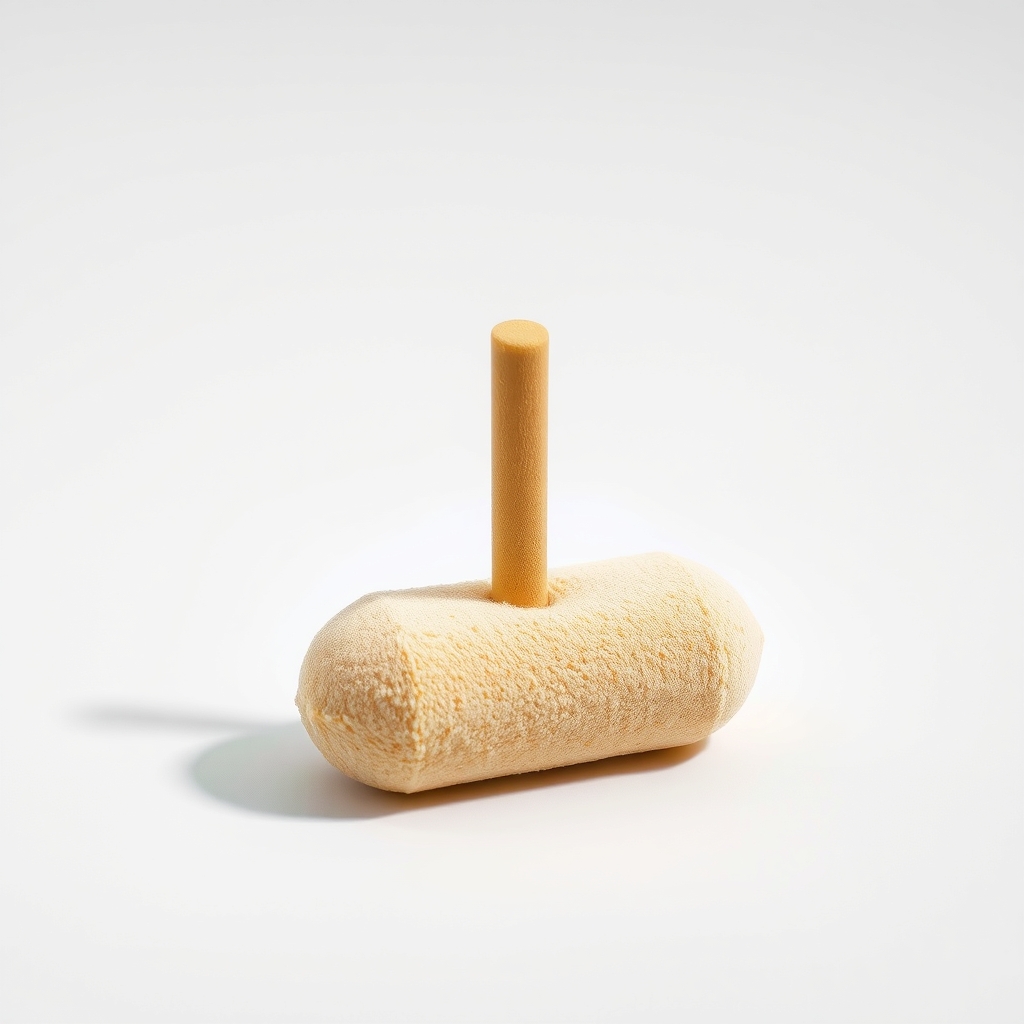
A pumice stick for toilet bowls
Vinegar only softens the crust. Used wet and with light pressure, a pumice stick lifts the mineral scale without scratching glazed porcelain, according to maker directions. It works with no fumes and nothing to mix by accident.
What to get: Pumice stick for toilet bowls
How long it lasts: It removes the ring in one session. Hard water brings rings back, but a quick pass every few weeks keeps them from building up.
As an Amazon Associate I earn from qualifying purchases.
What you'll need
-
Rubber gloves
For every step
You have it -
Toilet brush
Pushes the water down and does the first scrub
You have it -
White vinegar
Softens light mineral scale
You have it - Our pick Illustration
Pumice stick for toilets
Keep it wet while you rub
- Illustration
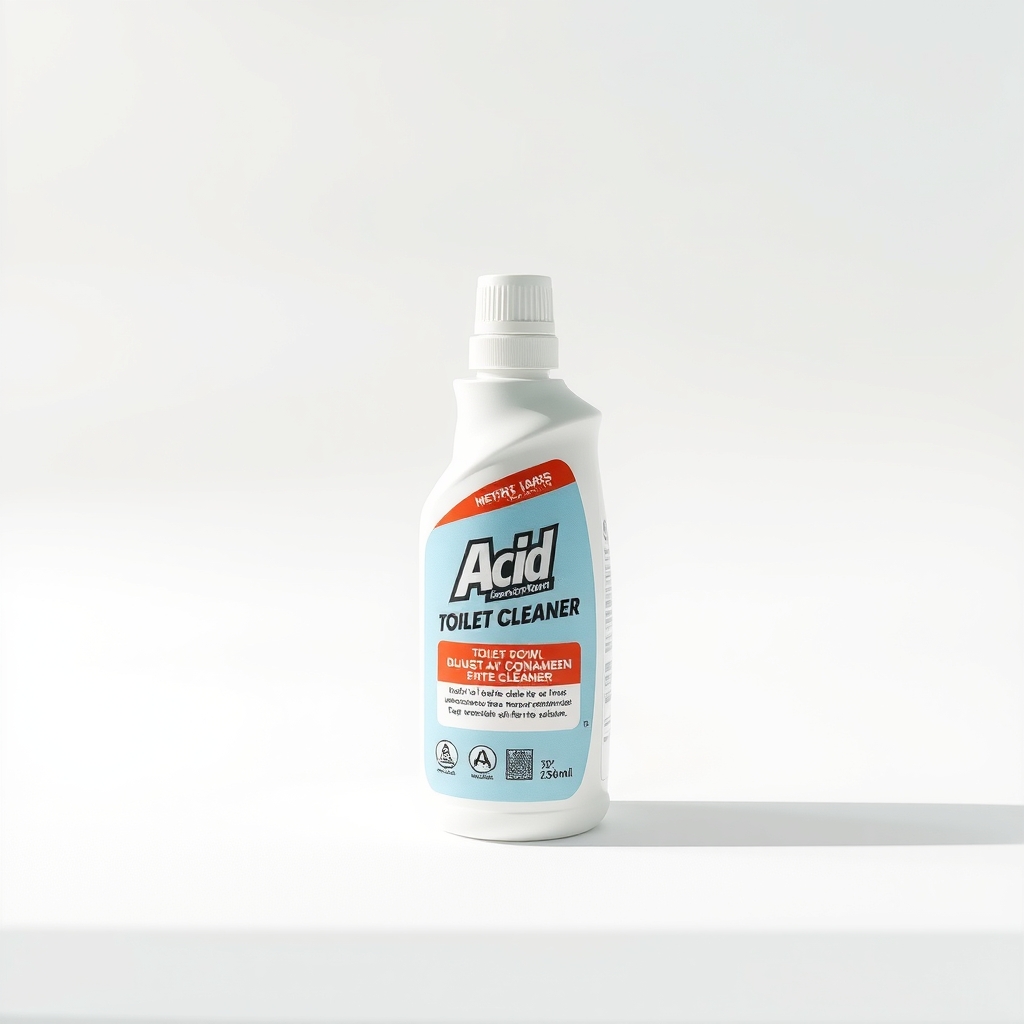
Acid toilet bowl cleaner
For thick scale. Needs gloves, glasses and open window
Why it happens
Hard water minerals
Calcium and magnesium in the water are left behind where the water meets the bowl. Over weeks they harden into a rough, white or beige crust that a brush slides over.
Iron and manganese
Brown, orange or rust-colored rings usually mean iron or manganese in the water, often with well water. They stain the scale as it builds.
A toilet that is used little
Water that sits in a guest bathroom has more time to leave minerals at the waterline.
Cleaning that skips the waterline
A quick swirl with the brush and cleaner does not break down a crust. It polishes the top and leaves the ring.
Try this first (free)
Do these in order, starting with the simplest.
-
1. Lower the water level
Tool used: Toilet brushShut the supply valve behind the toilet, flush, then push the leftover water down the drain with the brush so the ring is exposed. Acid and vinegar work far better on a ring that is not under water.
-
2. Soak the ring with vinegar
Tool used: White vinegarPour white vinegar around the ring, then lay vinegar-soaked toilet paper along it so the liquid stays in contact. Leave it for an hour, or overnight for an old ring.
-
3. Scrub firmly
Brush it hard. Light rings lift. If a ring stays, move on.
-
4. Rub with a wet pumice stick
Tool used: Pumice stick for toiletsWet the stick and the ring, and rub in small circles with light pressure. Rinse the white slurry away. Stop if you feel scratching, and test a hidden spot under the rim first. Do not use it on colored bowls, chipped or crazed glaze, or plastic parts.
IllustrationCheck price on AmazonTool for this step
Pumice stick for toilets · Keep it wet while you rub
-
5. Use acid cleaner last
Tool used: Acid toilet bowl cleanerIf scale remains, apply an acid toilet bowl cleaner exactly as labeled, with gloves, glasses and a window open. Never mix it with bleach or another cleaner. Flush fully afterward.
IllustrationCheck price on AmazonTool for this step
Acid toilet bowl cleaner · For thick scale. Needs gloves, glasses and open window
-
6. Stop the next ring
Every week or two, brush the waterline with a squirt of bowl cleaner and flush. A ring forms slowly, so a short pass prevents a long fight.
When free fixes aren't enough
Vinegar softens a ring but rarely removes a thick, old one. If a firm scrub does nothing, move to the pumice stick. If scale also coats the whole bowl and the underside of the rim, or the ring returns within a few weeks, an acid cleaner clears it faster. It is the one product on this page that can hurt you if misused, so use gloves, eye protection, an open window, and never mix it with bleach. If rings return constantly, hard water is the root cause, and a softener or filter is the real fix. If the bowl is cracked, call a plumber.
Buy the fix
Still stuck after the free fixes? These are the products we would look at.
| Pick | Product | Fixes | Who it's for | Buy |
|---|---|---|---|---|
| Best pick | Pumice stick for toilet bowls | hardened mineral rings and hard water stains at the waterline | Most homes with a stubborn ring that do not want to use a strong acid. | Check price |
| Upgrade pick | Acid toilet bowl cleaner | thick scale across the whole bowl and under the rim | People with heavy scale that a pumice stick would take hours to clear. | Check price |
Pumice stick for toilet bowls
Fixes: hardened mineral rings and hard water stains at the waterline
Look for: A handle, so your hand stays out of the bowl; Made for toilets and porcelain, not a rough landscaping stone; A sturdy head that holds up wet.
- Who it's for
- Most homes with a stubborn ring that do not want to use a strong acid.
- Honest downside
- Your bowl is colored, chipped or crazed. Use a gentler cleaner and test first.
Acid toilet bowl cleaner
Fixes: thick scale across the whole bowl and under the rim
Look for: Label directions for rings and hard water scale; A bottle with an angled neck that reaches under the rim; Safe for porcelain, with septic notes on the label.
- Who it's for
- People with heavy scale that a pumice stick would take hours to clear.
- Honest downside
- Children or pets can reach it, or you keep bleach nearby and might mix them by accident.
As an Amazon Associate I earn from qualifying purchases. We don't show prices because they change, so use the button to see today's price.
How we picked: How we picked: this page is based on toilet and hard-water cleaning guides, product directions from pumice and acid cleaner makers and what owners report in reviews. We do not test products by hand.
Pumice stick vs acid cleaner: which one should you use?
- Pumice stick: no fumes, cheap, nothing to mix by mistake. Takes some rubbing. Best for most rings.
- Acid cleaner: faster on thick or widespread scale. Needs gloves, glasses and ventilation, and must never meet bleach.
- Start with the stick. Move to the acid only if the stick leaves scale behind.
How to get rid of stubborn toilet ring stains, water rings and bowl rings
Most stubborn toilet water rings are mineral scale, sometimes stained brown or yellow by iron. Expose the ring by lowering the water, soak it, then use the stick or cleaner. If the ring comes back in a few weeks, treat the water, not just the bowl.
What to skip
Tank tablets and metal scrapers
Bleach tablets dropped in the tank can wear out rubber flappers and seals over time, and they do not remove a ring. Steel wool and metal scrapers scratch porcelain, and scratches hold stains faster.
Frequently asked questions
How to get rid of a toilet ring without scrubbing?
How to remove hard water stains from a toilet bowl?
Why does my toilet have hard water stains, and how do I prevent them?
What does a yellow or brown toilet ring mean?
Is a pumice stick safe on a toilet bowl?
Related problems
 Free fix inside
Bathroom · Bathroom Tile
Bathroom Tiles Turning White? That's Usually Hard Water Scale
Read the fix Free fix inside
Cleaning · Hard Water Stains
Hard Water Stains in the Shower? A 30-Second Daily Habit Stops Them
Read the fix Free fix inside
Bathroom · Toilet Clogs
Toilet Flushing Slow or Weak? Clear the Rim Jets (Mirror Trick)
Read the fix Free fix inside
Bathroom · Toilet Bowl
Bathroom Smells Like Urine? Check the Toilet Base and Grout First
Read the fixAs an Amazon Associate I earn from qualifying purchases. Affiliate disclosure