Bathroom Sink Stopper Stuck Shut? Replace the Pop-Up in 10 Minutes
A stuck pop-up is usually a slipped rod or a gunked-up stopper. Free the linkage first; if the stopper is bent or corroded, a new one takes ten minutes.
By Jamilur Rahman Updated November 5, 2026 · 6 min read
- Time
- 20 min
- Cost
- Under $20
- Difficulty
- Easy

In this guide
Quick answer
To fix a bathroom sink stopper stuck shut, look under the sink. A pivot rod that slipped out of the stopper, or a loose clevis strap, is the usual cause. Reconnect and tighten them, then clean the stopper. If the stopper is corroded, cracked or bent, a replacement costs little and takes about ten minutes.
Free fix vs. permanent fix
Reset the rod and clean the stopper
- Check the strap and pivot rod under the sink
- Loosen the pivot nut and lift the stopper out
- Scrub off hair and slime
- Put it back and adjust the strap so it seals
How long it lasts: Years if the parts are sound. If the metal is corroded, it will jam again.
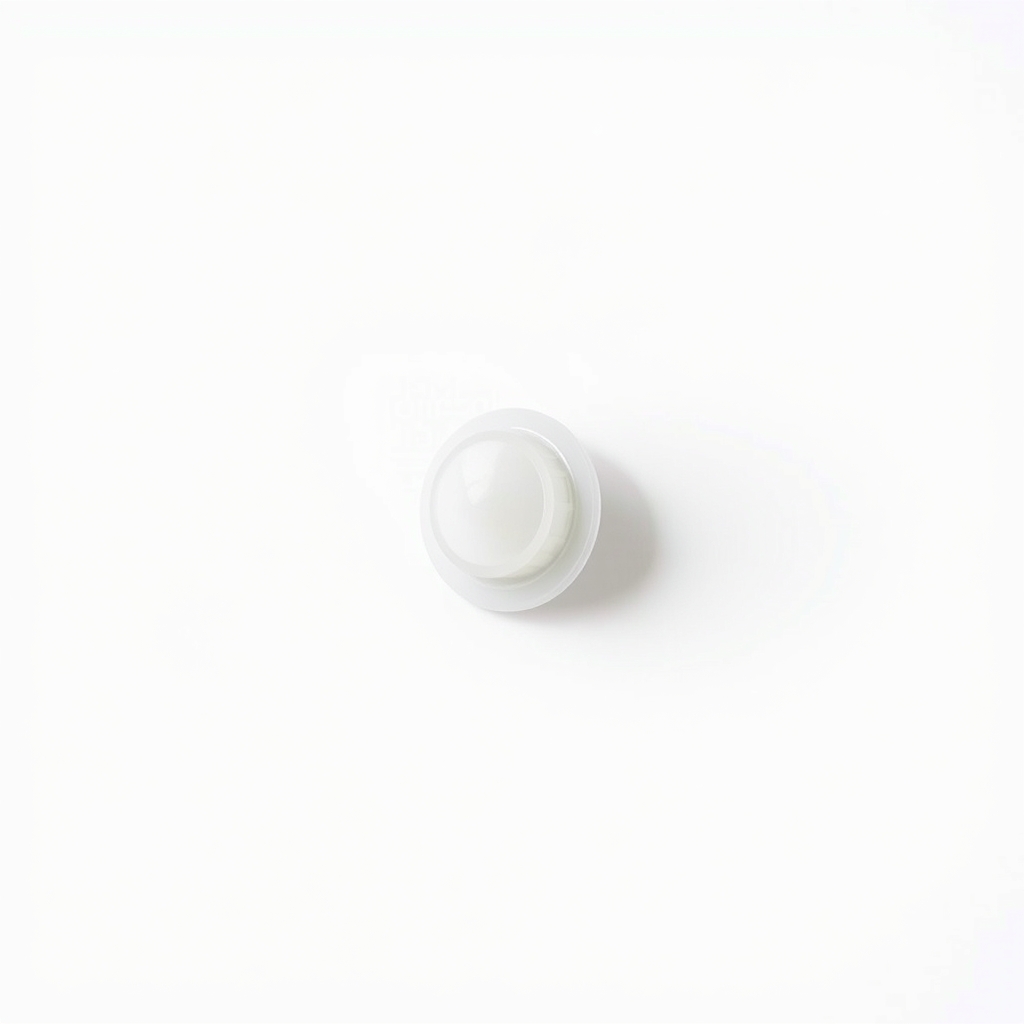
A new push-to-seal pop-up stopper
A push-to-seal stopper presses down to close and up to open, so the lever linkage that jams is out of the picture. It is the easier fix when the old rod, strap or stopper is worn out. Measure your drain first so it fits.
What to get: Push-to-seal pop-up drain stopper
How long it lasts: Years. There is no rod or strap left to slip or corrode.
As an Amazon Associate I earn from qualifying purchases.
What you'll need
-
Flashlight
To see the linkage under the sink
You have it -
Bucket and old towel
Catches drips when you loosen the pivot nut
You have it -
Adjustable pliers
For a nut that is too tight by hand
You have it -
Old toothbrush
Scrubs slime off the stopper and drain
You have it - Our pick Illustration
Push-to-seal pop-up drain stopper
Replaces a stopper that is worn, bent or corroded
- Illustration
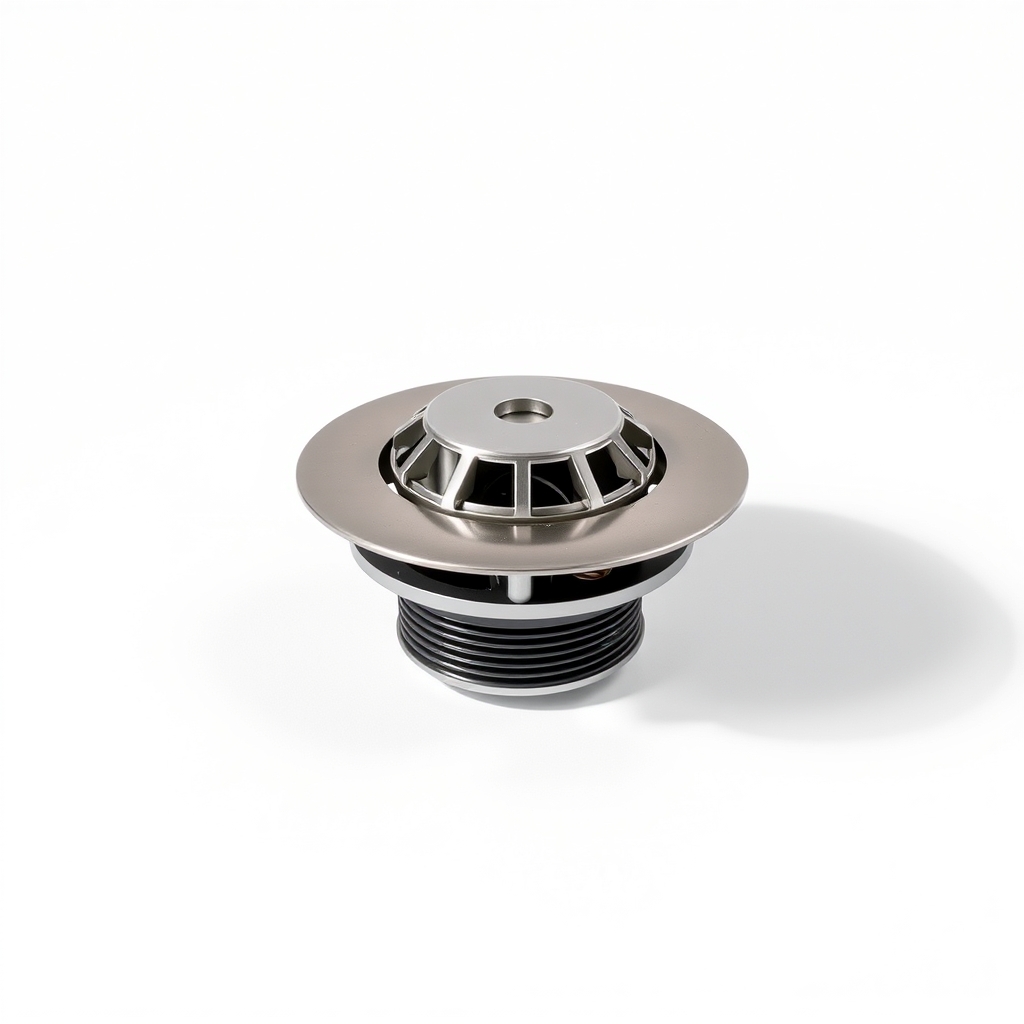
Complete pop-up drain assembly with lift rod
Only if you want the lever behind the faucet back
Why it happens
The pivot rod slipped out of the stopper
A thin rod runs from the drain pipe into a hole in the bottom of the stopper. If it slips out, the stopper sits closed and the lever does nothing.
A loose clevis strap
The strap links the lift rod to the pivot rod. If its screw loosens, the strap slides down and the stopper will not rise.
Hair and soap slime
Hair and slime wedge between the stopper and the drain body, especially around its sides, so it will not move freely.
Corrosion or hard-water crust
Old plated parts corrode, and the pivot ball and rod stick. Mineral crust makes it worse.
A bent or poorly fitted stopper
A stopper that has been pried at, or a replacement that does not match the drain seat, jams or never seals well.
Try this first (free)
Do these in order, starting with the simplest.
-
Look under the sink
Tool used: FlashlightPut a bucket under the drain pipe and shine a flashlight at it. Find the vertical lift rod with its strap and the horizontal pivot rod going into the pipe. If the rod end is no longer in the stopper, that is your problem.
-
Loosen the clevis screw
Tool used: Adjustable pliersLoosen the screw on the strap so it slides freely. Push the lift rod up and down and watch the pivot rod. It should rock the stopper up and down.
-
Release the pivot rod and lift out the stopper
Tool used: Bucket and old towelUnscrew the pivot nut, the big nut where the rod enters the drain pipe, by a turn or two. Pull the rod out, then lift the stopper straight up from the top. Keep the nut and washer in order. Some water will drip, so keep the bucket under it.
-
Clean everything
Tool used: Old toothbrushScrub the stopper, the rod hole and the drain body with an old toothbrush. Pull out hair and slime. White vinegar loosens hard-water crust.
-
Reinstall and adjust
Drop the stopper in with its rod hole facing the back. Slide the pivot rod through the nut and into the hole, hand-tighten the nut, then set the strap so the stopper rises enough for water to flow freely. Tighten the strap screw, run water and check for leaks.
-
Swap in a new stopper if the old one is worn
Tool used: Push-to-seal pop-up drain stopperIf the edge is cracked, the plating is peeling or the rod keeps slipping, replace it. If the new stopper does not use the old pivot rod, leave the rod and nut in place so the pipe does not leak.
IllustrationCheck price on AmazonTool for this step
Push-to-seal pop-up drain stopper · Replaces a stopper that is worn, bent or corroded
When free fixes aren't enough
If the stopper is warped, cracked or no longer holds water, the old pop-up is worn out and more cleaning will not fix it. The same goes for a pivot rod and ball that are pitted and stick even after cleaning. A push-to-seal stopper removes the rod, strap and nut from the equation. If the drain itself leaks or the flange is loose, that is a bigger job: the flange needs resealing with plumber's putty, or call a plumber.
Buy the fix
Still stuck after the free fixes? These are the products we would look at.
| Pick | Product | Fixes | Who it's for | Buy |
|---|---|---|---|---|
| Best pick | Push-to-seal pop-up drain stopper | a stopper that sticks shut and a rod linkage that keeps slipping | Most people. There is no rod to adjust and nothing to line up. | Check price |
| Upgrade pick | Complete pop-up drain assembly with lift rod | a worn lever linkage when you want the lift rod to work again | People who like the lever and whose whole linkage is worn. | Check price |
Push-to-seal pop-up drain stopper
Fixes: a stopper that sticks shut and a rod linkage that keeps slipping
Look for: Fits your drain opening, so measure across the flange first; A design that still allows overflow if your sink has an overflow hole; Metal or thick plastic that will not corrode.
- Who it's for
- Most people. There is no rod to adjust and nothing to line up.
- Honest downside
- You want to keep the lever behind the faucet, or your drain is an unusual size. Then pick the full lift-rod assembly.
Complete pop-up drain assembly with lift rod
Fixes: a worn lever linkage when you want the lift rod to work again
Look for: Matches your faucet finish and drain size; Includes the stopper, pivot rod, clevis strap and lift rod; Metal parts rather than thin plastic.
- Who it's for
- People who like the lever and whose whole linkage is worn.
- Honest downside
- You do not want to take the drain apart. A full assembly means loosening the tailpiece and sometimes resealing the flange.
As an Amazon Associate I earn from qualifying purchases. We don't show prices because they change, so use the button to see today's price.
How we picked: How we picked: this page is based on plumbing guides for pop-up drain assemblies, product instructions for replacement stoppers, and the problems and fixes people report in reviews. We do not test products by hand.
Which stopper type do you have?
- Lever pop-up: a small rod behind the faucet, with linkage under the sink.
- Push-to-seal: press the top to open or close it. No linkage.
- Lift-and-turn: you grip the top and turn it to lock it open or closed.
- Plug on a chain: found on older sinks.
What to skip
Prying with a screwdriver and pouring in drain cleaner
Forcing a stuck stopper with a screwdriver scratches the sink and can bend the stopper or snap the rod. Pouring chemical drain cleaner into a basin with a closed stopper leaves strong chemicals sitting in the bowl, where they can splash.
Frequently asked questions
How do I fix a bathroom sink stopper that won't go up?
How to fix a bathroom sink stopper that won't hold water?
How do I get a pop-up stopper out?
Do I need a plumber to replace a sink stopper?
Related problems
 Free fix inside
Bathroom · Bathroom Sink
Bathroom Sink Not Draining? Pull the Stopper, Then Try This
Read the fix Free fix inside
Bathroom · Bathroom Sink
Bathroom Sink Smells? The Overflow Hole Is the Usual Culprit
Read the fix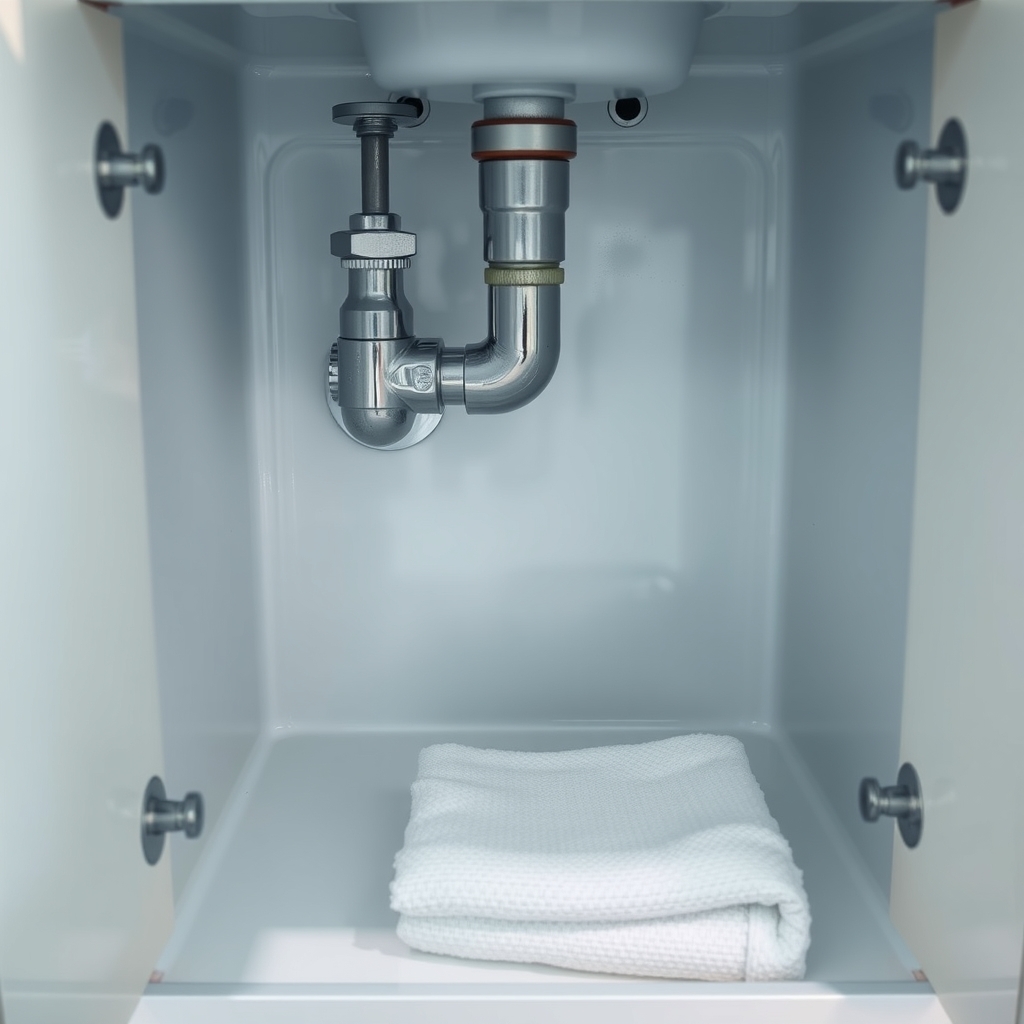 Free fix inside
Bathroom · Bathroom Sink
Bathroom Sink Leaking Underneath? Find the Source in 3 Minutes
Read the fix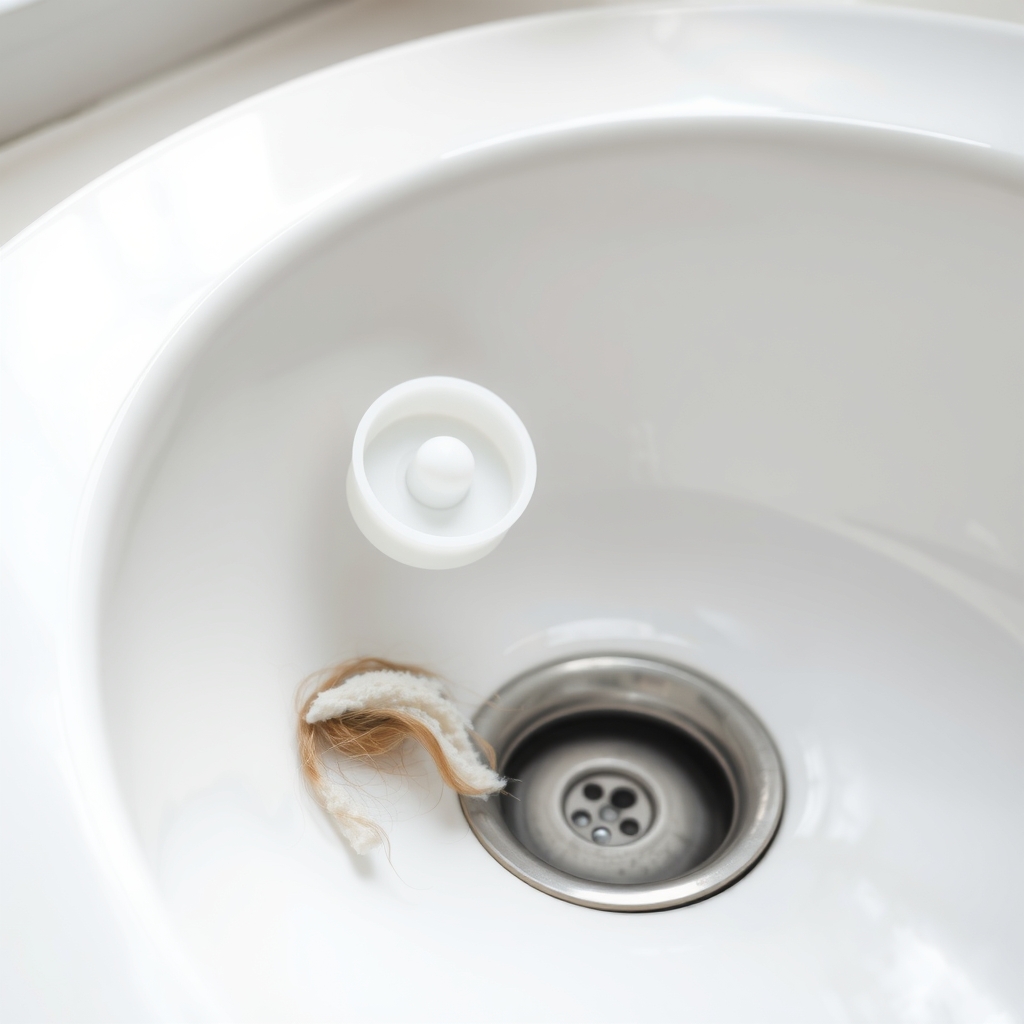 Free fix inside
Bathroom · Bathroom Sink
How to Stop a Bathroom Sink From Clogging: A Simple Hair Catcher
Read the fixAs an Amazon Associate I earn from qualifying purchases. Affiliate disclosure