Air Conditioner Ducts Sweating? Insulate Them the Easy Way
Cold air inside a duct meets warm, humid air outside it, and water forms. Dry it, seal the leaks, then wrap the duct so it stops dripping.
By Jamilur Rahman Updated November 5, 2026 · 7 min read
- Time
- 1-2 hours
- Cost
- $20-$50
- Difficulty
- Medium
In this guide
Quick answer
Ducts sweat when cold air inside them chills the outer surface below the dew point of the warm, humid air around them. Dry the area, replace a dirty filter, seal leaky joints, then cover any bare or damaged duct with vapor-barrier duct wrap. The wrap is the fix that lasts, because it keeps warm, damp air from ever touching the cold metal.
Free fix vs. permanent fix
Dry it, fix the airflow, slide the old wrap back
- Wipe the duct and the wood near it dry with towels
- Replace a dirty filter and open all supply vents
- Slide any loose insulation back over bare spots
- Raise the thermostat a few degrees on the muggiest days
How long it lasts: Days to weeks. On the next humid afternoon a bare duct sweats again, because nothing separates the cold surface from the warm air.
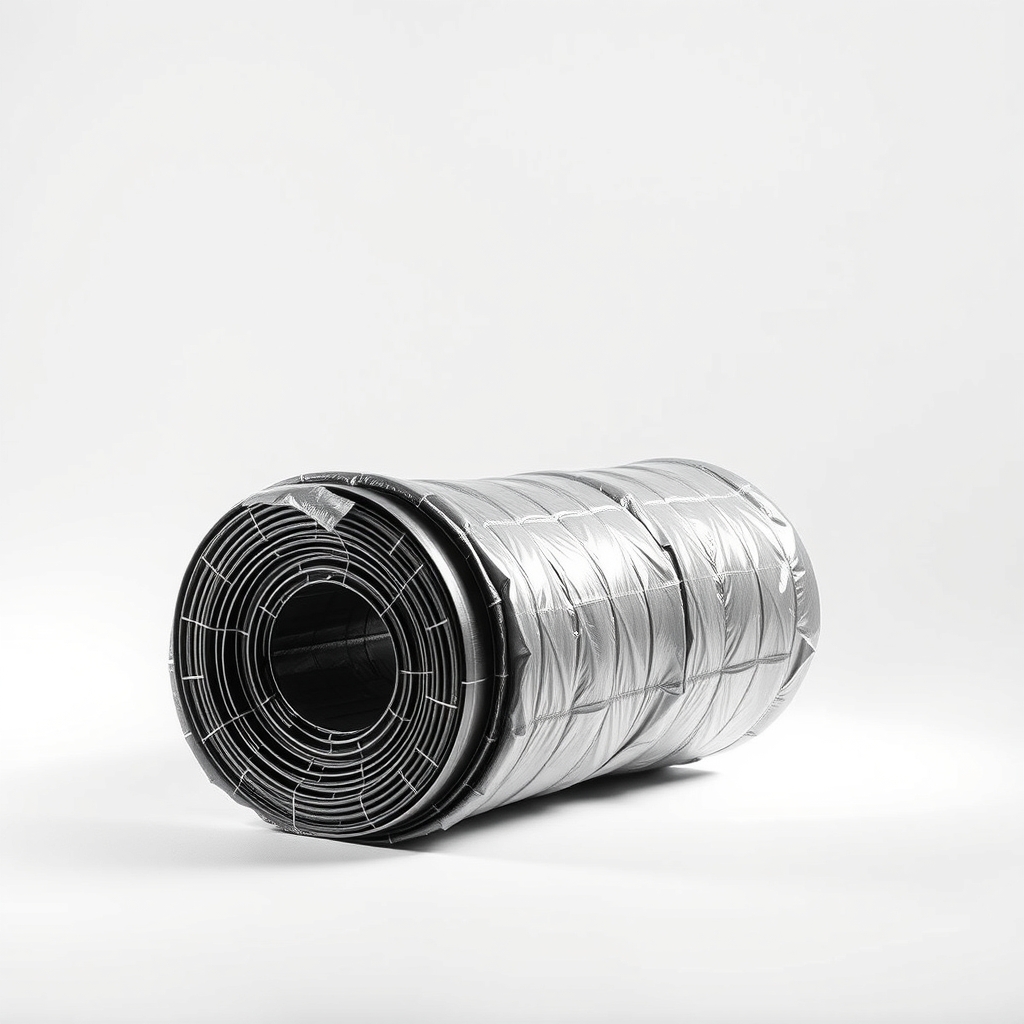
Vapor-barrier duct insulation wrap
Wrap keeps the duct's outer skin close to the temperature of the space, so humid air never meets a cold surface. The vapor barrier on the outside stops moisture from soaking into the insulation. Tape every seam, since one open gap lets water in.
How long it lasts: Years, as long as the outer foil or vinyl stays sealed.
As an Amazon Associate I earn from qualifying purchases.
What you'll need
-
Gloves, mask and safety glasses
Fiberglass wrap itches and the attic is dusty
You have it -
Old towels
To dry the duct and the wood below it
You have it -
Utility knife and tape measure
To size and cut the wrap
You have it - Illustration
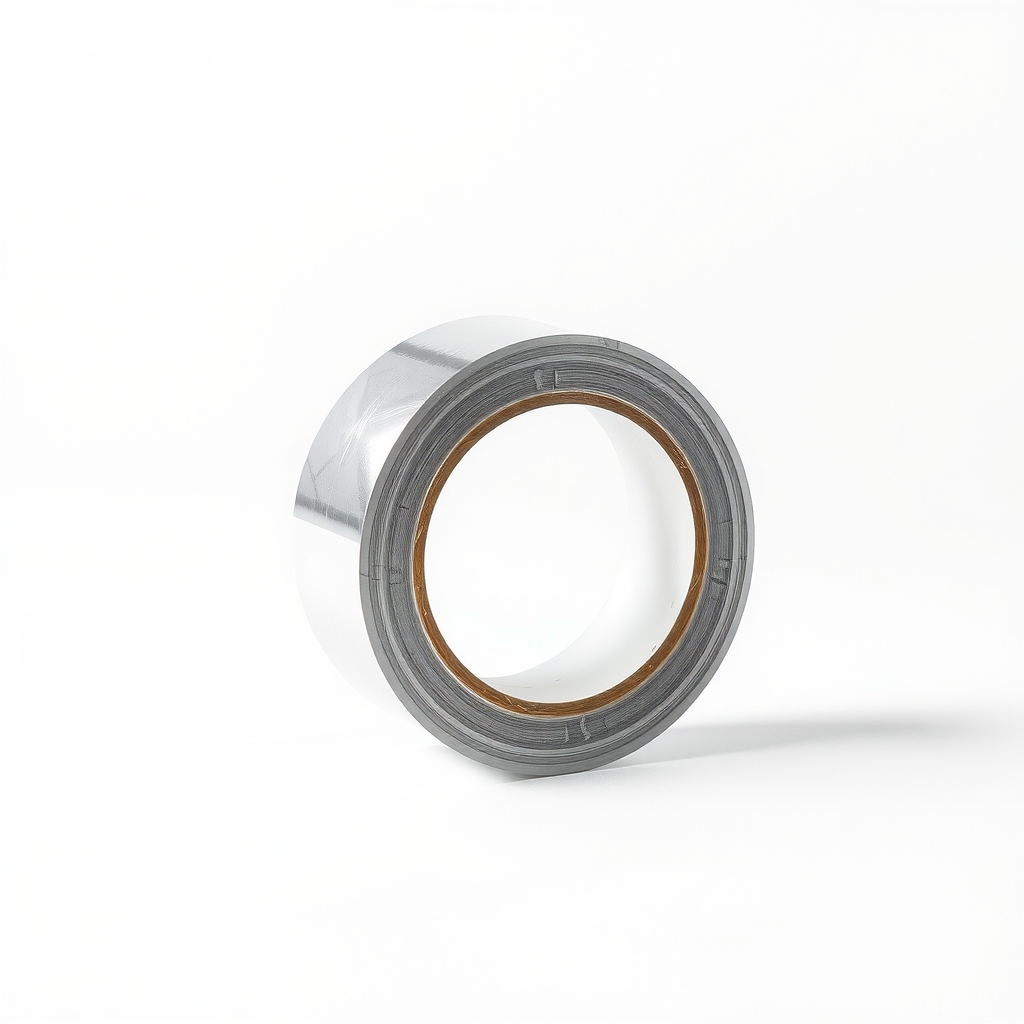
Foil HVAC tape
Seals joints and the seams of the wrap
- Our pick Illustration
Duct insulation wrap
Pick one with a foil or vinyl vapor barrier
Why it happens
Cold air in a bare duct
Air leaving the AC is far colder than an attic, crawl space or garage around it. A bare metal duct takes on that cold and chills the air touching it.
Humid air outside the duct
When damp air touches a surface colder than its dew point, water beads out, just like on a cold glass on a porch. Attics, crawl spaces and basements are often damp in summer.
Missing, torn or slipped insulation
Old wrap gets crushed, soaked, pulled loose or chewed by pests. Bare patches sweat first, and a single patch can drip onto the ceiling below.
Leaky joints
Gaps where duct sections meet let cold air out and humid air in. The duct then sweats at the joint, even if the rest is wrapped.
Weak airflow
A dirty filter, closed vents or a kinked duct slow the air, which makes the air in the duct colder and the sweating worse.
Try this first (free)
Do these in order, starting with the simplest.
-
1. Find where it sweats
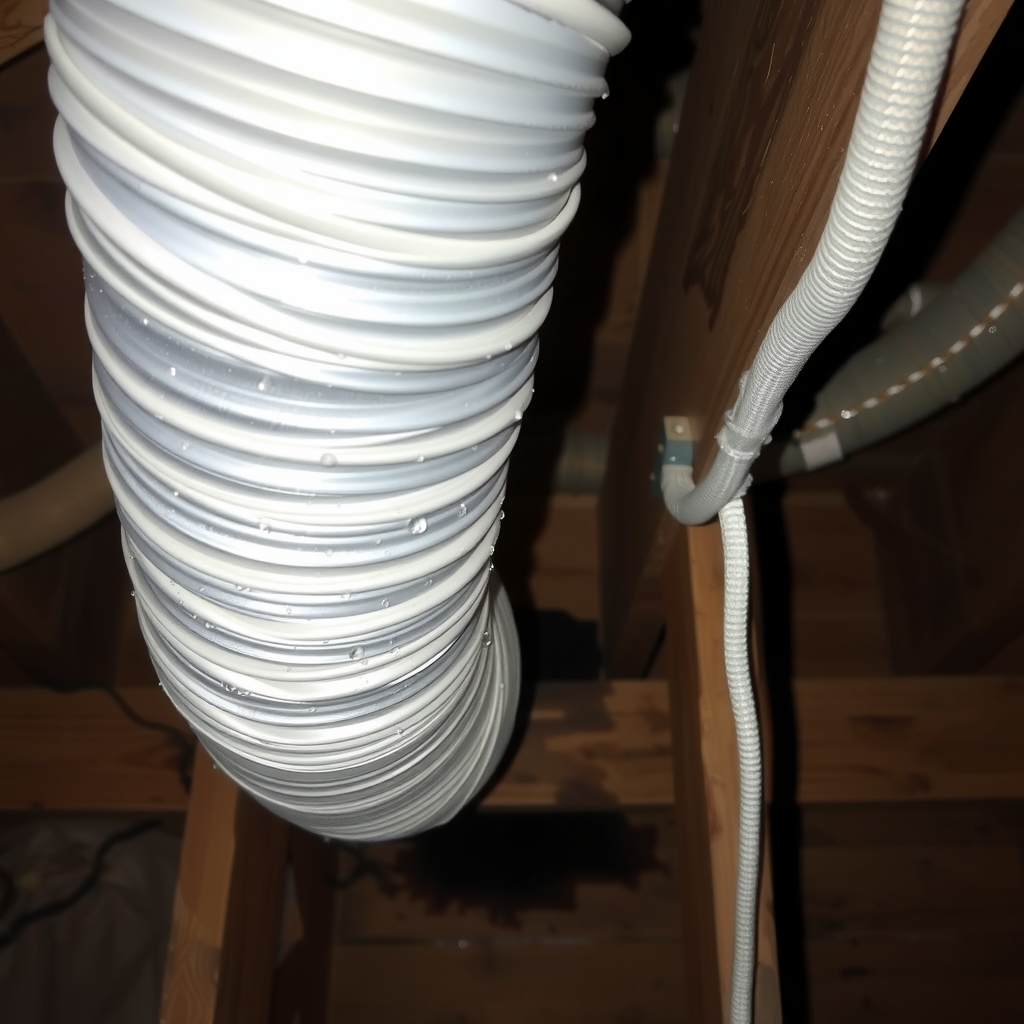
On a humid afternoon with the AC running, check with a flashlight. Is the whole duct wet, only the joints, or only near a register? A water stain on the ceiling below tells you where it has been dripping.
-
2. Dry it and check the wood
Tool used: Old towelsWipe the duct and nearby surfaces dry with towels. Press the wood or drywall below with a finger. If it feels soft or crumbles, there has been water for a while, and you should see the safety note below.
-
3. Get the airflow back
Replace a dirty filter, open every supply vent and make sure no duct is crushed or kinked. More airflow means the air leaving the coil is less cold, which eases the sweating.
-
4. Seal leaking joints with foil tape
Tool used: Foil HVAC tapeWipe the joint clean and dry, then press foil HVAC tape over it and smooth it with a squeegee or an old card. Cloth duct tape dries out and peels off ductwork, so do not use it.
IllustrationCheck price on AmazonTool for this step
Foil HVAC tape · Seals joints and the seams of the wrap
-
5. Wrap the bare duct
Tool used: Duct insulation wrapCut the wrap with a utility knife and wrap the duct with the foil side out. Butt the edges tight, do not squash the insulation, and tape every seam with foil tape. Wrap right up to the register boot at one end and the plenum at the other.
IllustrationCheck price on AmazonTool for this step
Duct insulation wrap · Pick one with a foil or vinyl vapor barrier
When free fixes aren't enough
Drying the duct and clearing the filter only buys you time. If the duct is bare, the same warm, damp air brings the water back on the next humid day. Stains on the ceiling, soft drywall, a musty smell or wet insulation mean this has been going on for a while. Wrap stops the cause. If you find mold spread across more than about 10 square feet, wet insulation in the ceiling, a bulging ceiling or a damp attic overall, call an HVAC or mold professional, because the moisture may be coming from somewhere bigger.
Buy the fix
Still stuck after the free fixes? These are the products we would look at.
| Pick | Product | Fixes | Who it's for | Buy |
|---|---|---|---|---|
| Best pick | Vapor-barrier duct insulation wrap | cold ducts sweating in warm, humid spaces | Anyone with bare or damaged duct running through an attic, crawl space, garage or basement. | Check price |
| Budget pick | Foil HVAC tape | leaking joints and small torn patches on a duct | People whose insulation is mostly fine, with sweating at joints, seams or one damaged spot. | Check price |
Vapor-barrier duct insulation wrap
Fixes: cold ducts sweating in warm, humid spaces
Look for: R-6 or higher for attic ducts, so check your local code or the rating on the old wrap; A foil or vinyl vapor barrier on the outside; Wide and long enough to wrap your duct, so measure its girth and length first; Comes with or pairs with foil tape for the seams.
- Who it's for
- Anyone with bare or damaged duct running through an attic, crawl space, garage or basement.
- Honest downside
- The duct is already well wrapped and only leaks at joints. Then seal the joints and leave the rest.
Foil HVAC tape
Fixes: leaking joints and small torn patches on a duct
Look for: Aluminum foil backing, not cloth; Marked for HVAC use, such as UL 181; Strong adhesive that sticks once you wipe off the dust.
- Who it's for
- People whose insulation is mostly fine, with sweating at joints, seams or one damaged spot.
- Honest downside
- A long stretch of duct is bare. Tape cannot insulate a bare duct.
As an Amazon Associate I earn from qualifying purchases. We don't show prices because they change, so use the button to see today's price.
How we picked: How we picked: this page is based on energy-efficiency and HVAC guidance on duct sealing and insulation, instructions from duct wrap and tape makers, and what homeowners report in reviews. We do not test products by hand.
Metal duct or flex duct? Wrap the right way
- Metal duct: wrap it with foil-faced insulation, foil side out, and tape every seam.
- Flex duct: it usually has an insulated jacket. If the outer layer is torn, patch it with foil tape and wrap over the damaged spot. Do not squeeze the duct while you do it.
- Register boots and joints: these sweat first. Seal them and wrap right up to the vent.
Work safely in the attic
Attics can get dangerously hot, so work in the morning and take water. Step only on joists, not on the ceiling below. Keep the wrap away from furnace flues, chimneys and other heat sources. If you see damaged wiring, scorch marks or a burning smell, stop and call a pro.
What to skip
Cloth duct tape, towels and plastic sheeting
Despite its name, cloth duct tape dries out and lets go on ductwork. Towels or plastic sheeting wrapped around a duct soak up water and hold it against the metal, which makes mold more likely.
Frequently asked questions
Is it normal for AC ducts to sweat?
Will a dehumidifier stop my ducts from sweating?
What R-value do I need?
How do I tell sweating from a leaking AC?
Related problems

As an Amazon Associate I earn from qualifying purchases. Affiliate disclosure