House Smells No Matter What You Clean? Hunt Down the Source
When cleaning does not fix a smell, the source is hiding in a drain, a damp spot or soft goods. Find it, remove it, then mop up what is left with charcoal.
By Jamilur Rahman Updated November 5, 2026 · 7 min read
- Time
- 1 to 2 hours of hunting
- Cost
- Under $20
- Difficulty
- Medium
In this guide
- Quick answer
- Free vs. permanent fix
- What you'll need
- Why it happens
- Try this first (free)
- When free fixes aren't enough
- Buy the fix
- Can't find the bad smell in your house, even after you clean?
- Why does my studio apartment smell bad? Apartment and small apartment smells, and how to keep them fresh
- When a smell is a safety problem
- What to skip
- FAQ
- Related problems
Quick answer
If your house smells no matter what you do, the source is almost always hidden, not dirty: a dry drain trap, a damp spot, a fridge or washer gasket, or fabric that soaked up an old spill. Hunt it down room by room, fix the source, and ventilate. An activated charcoal odor absorber gel is a helper for faint leftover smell in small spaces, not a fix for the source.
Free fix vs. permanent fix
Find the source and remove it
- Step outside for 10 minutes, then walk in and sniff each room
- Check drains, trash, fridge, washer gasket and under-sink cabinets
- Wash or vacuum fabrics that hold odor
- Open windows and run vent fans to clear the air
How long it lasts: For good, once the real source is gone. Cleaning around the source only hides it for a day.
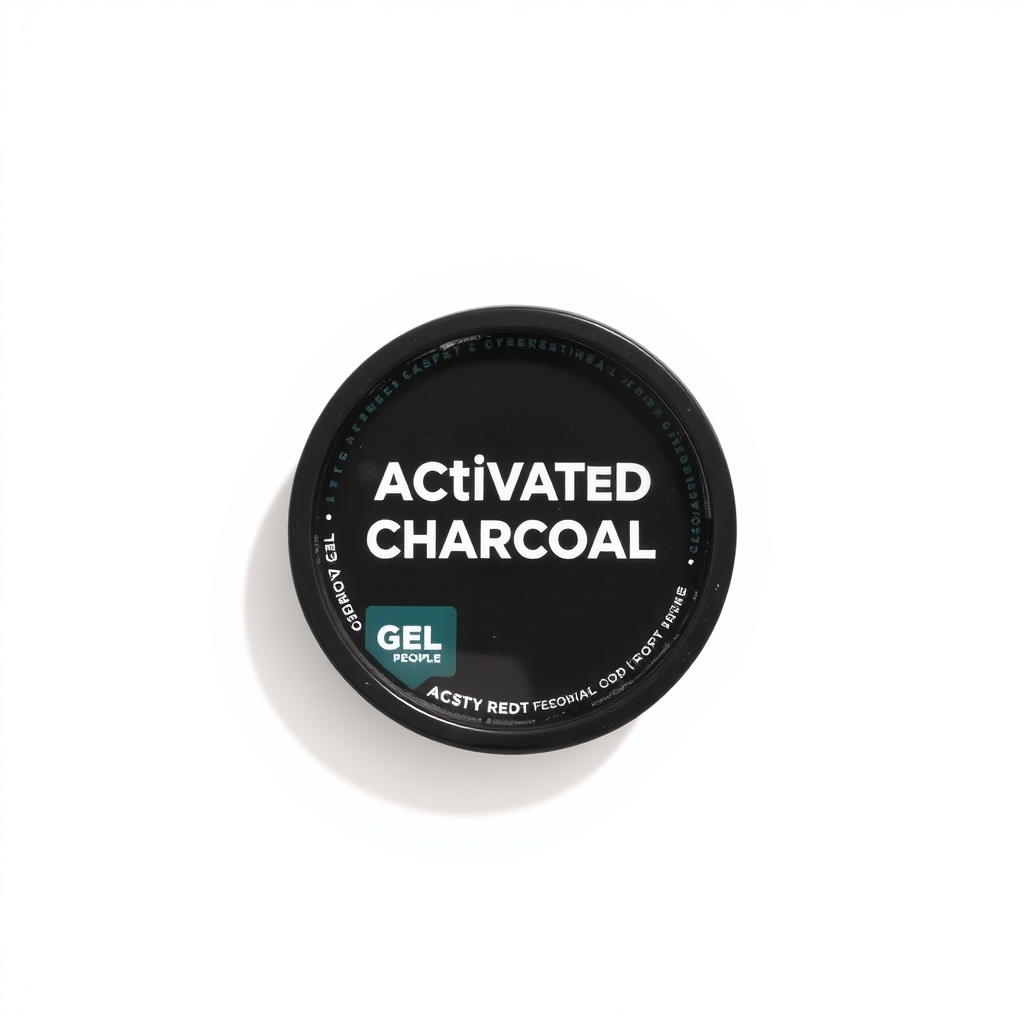
An activated charcoal odor absorber gel
After the source is gone, faint odor can linger in closets, cabinets and still corners. Activated charcoal traps odor molecules in small spaces. It is a finishing touch, and it does not replace finding the source.
What to get: Activated charcoal odor absorber gel
How long it lasts: Weeks to a few months in a closet or cabinet. Replace it when you stop noticing a difference.
As an Amazon Associate I earn from qualifying purchases.
What you'll need
-
Flashlight
Look behind appliances, under sinks and inside cabinets
You have it -
Water pitcher
Refill dry drain traps and floor drains
You have it -
Baking soda
Sprinkle on carpets and sofas, then vacuum
You have it - Illustration
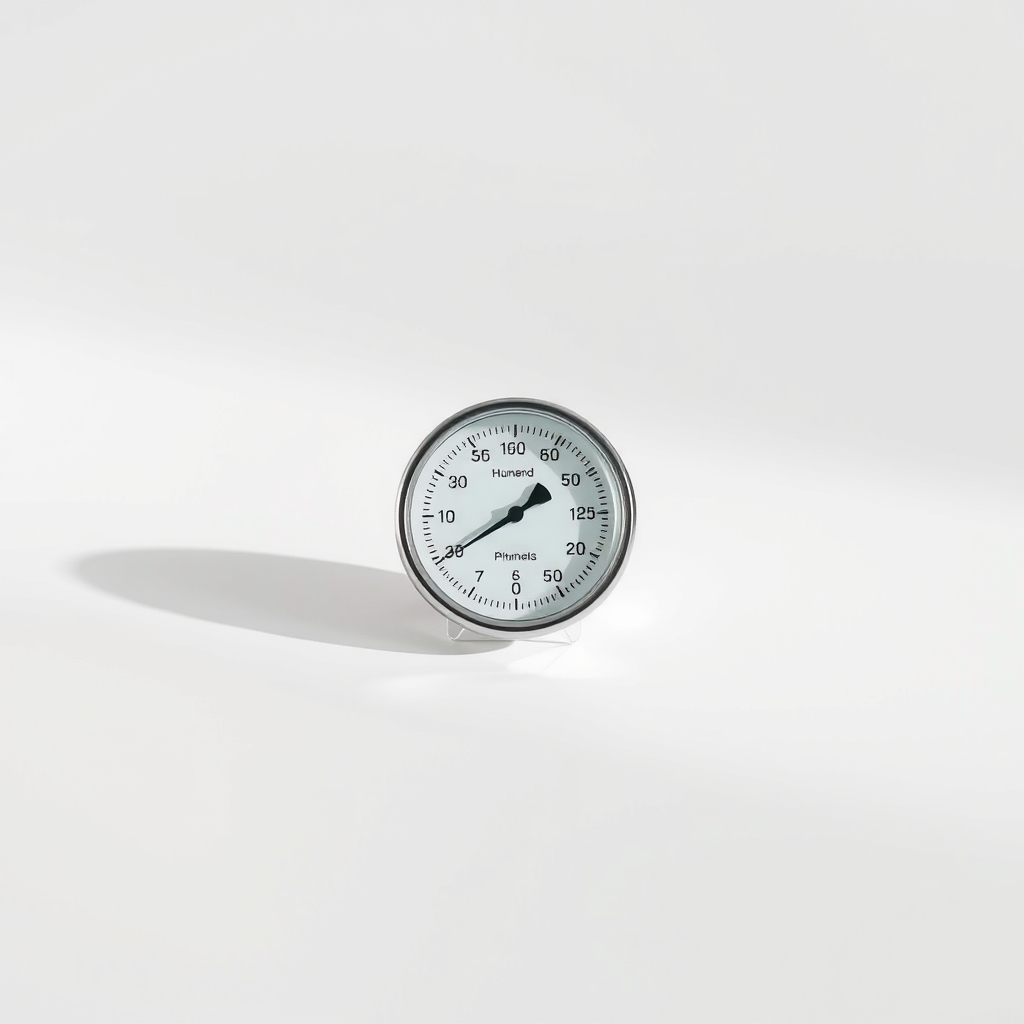
Hygrometer
Shows whether a room is damp enough, above about 60 percent, to grow mildew
- Our pick Illustration
Activated charcoal odor absorber gel
For small closed spaces after the source is gone
Why it happens
Dry drain traps
A rarely used sink, shower or floor drain can lose the water seal in its trap. Without it, sewer gas rises into the room. Pouring water in is the first and easiest check.
Hidden damp or mold
Behind furniture on outside walls, under carpet, inside cabinets or in a basement, damp gives off a musty smell. Cleaning the surface does not remove it.
Food and appliances
A spill under the fridge, a dishwasher filter, a washer gasket, a disposal or a trash can lid can smell strong while the rest of the kitchen looks clean.
Soft goods that hold odor
Carpet, rugs, curtains, sofas, mattresses and shoes soak up smells from pets, smoke, cooking and spills, then release them when the room warms up.
The HVAC system
A dirty filter, a damp drain pan or dusty ducts spread a smell through the whole house, which is why it seems to be everywhere.
Nose blindness
You stop noticing the smell of your own home, which is why guests notice it first and why it seems to come and go.
Try this first (free)
Do these in order, starting with the simplest.
-
Reset your nose, then sniff room by room
Step outside for 10 minutes, come in and sniff right away. Go room by room, low near floors and baseboards, then high near vents. The smell is strongest closest to the source.
-
Check the usual suspects
Tool used: Water pitcherPour a pitcher of water into every drain, floor drain and rarely used sink. Empty and wipe trash cans. Clean the fridge, dishwasher filter, washer gasket and under-sink cabinets.
-
Look for damp
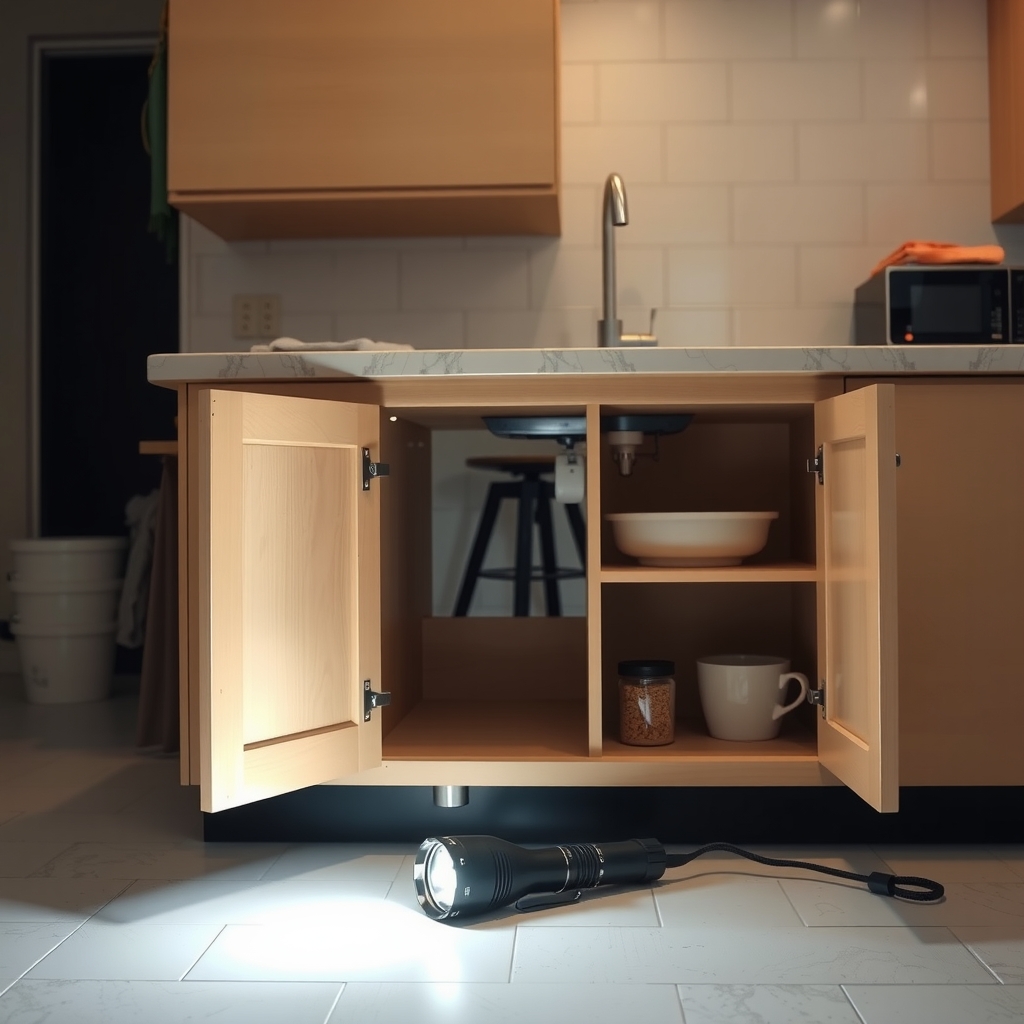
Tool used: FlashlightWith a flashlight, check under sinks, behind furniture on outside walls, closet corners, window frames and basement walls. Look for stains, spots, soft wood or a damp smell.
-
Measure the humidity
Tool used: HygrometerPut a humidity reader in rooms that feel damp. Aim for 30 to 50 percent. Over 60 percent means mildew can grow, so dry the room out before anything else.
IllustrationCheck price on AmazonTool for this step
Hygrometer · Shows whether a room is damp enough, above about 60 percent, to grow mildew
-
Refresh soft surfaces
Tool used: Baking sodaWash curtains, throw rugs, pet beds and bedding. Sprinkle baking soda on carpets and sofas, wait an hour, then vacuum it up. Change the HVAC filter if it is dirty.
-
Ventilate, then mop up what is left
Tool used: Activated charcoal odor absorber gelOpen windows on opposite sides for 30 minutes and run the bathroom and kitchen fans. Set charcoal gel in small closed spaces where the smell lingers, such as closets and cabinets.
IllustrationCheck price on AmazonTool for this step
Activated charcoal odor absorber gel · For small closed spaces after the source is gone
When free fixes aren't enough
If you have removed the source and the room still smells faintly, odor molecules are lingering in the air and in fabric. That is the job for activated charcoal, in closets, cabinets and small rooms. If nothing changes after a week of searching, or the smell is strongest along one wall or floor area, hidden damp or a pest in the wall may be the cause. A plumber, pest control or a mold inspector is the next call. Gel absorbers do not clear a strong, active smell, and they cannot replace the hunt.
Buy the fix
Still stuck after the free fixes? These are the products we would look at.
Activated charcoal odor absorber gel
Fixes: faint lingering odor in small closed spaces
Look for: Activated charcoal or carbon as the main odor absorber; Unscented, so it absorbs odor instead of masking it; Sized for small spaces such as closets, cabinets or under sinks; A vented lid or container you can keep out of reach of kids and pets.
- Who it's for
- Anyone who found and removed the source and still notices a leftover smell in a closet, cabinet or small room.
- Honest downside
- You have not found the source yet. A gel will not hide a strong, active smell, and it will not fix a whole-house odor.
As an Amazon Associate I earn from qualifying purchases. We don't show prices because they change, so use the button to see today's price.
How we picked: How we picked: this page is based on public indoor-air and moisture guidance, plumbing and appliance basics, and what owners report in reviews of activated charcoal odor absorbers. We do not test products by hand.
Can't find the bad smell in your house, even after you clean?
When your house smells no matter how much you clean, you may be nose-blind to it or looking in the wrong place. Leave for 10 minutes, then sniff at once. Check where you do not clean often: behind the fridge, inside the dishwasher filter, under the sink, in the basement, and in the vents. Odors travel, so the strongest spot is the closest one to the source.
Why does my studio apartment smell bad? Apartment and small apartment smells, and how to keep them fresh
In a small apartment or studio, everything shares one pool of air, so cooking, trash, laundry and bathroom smells all mix. Run the range hood while you cook, take trash out daily, keep dirty laundry in a closed hamper and pour water into the bathroom drain weekly. Open two windows for 15 minutes each day. Use a charcoal gel in the closet, and tell your landlord if the smell is damp, sewage or something in the walls.
When a smell is a safety problem
A rotten-egg smell can mean a gas leak. Leave right away, do not touch switches, and call the gas company or emergency services from outside. A burning or fishy-plastic smell can mean an electrical fault, so shut the power off at the panel if it is safe to do so and call an electrician. Strong sewage smell from several drains calls for a plumber.
What to skip
Candles, plug-in fresheners and ozone devices
Scents mix with the odor and add their own, so the house smells like both. Ozone generators are not recommended in rooms people occupy. Find the source instead.
Frequently asked questions
Why does my house smell dirty or bad when it is clean?
How do I keep my house smelling good?
Why does my room smell bad, and how do I stop a room from smelling?
How do I make a small bedroom or small room smell good?
Related problems
 Free fix inside
Air & Temperature · Musty Smell
House Smells Musty? Find the Source, Then Clear the Smell
Read the fix Free fix inside
Air & Temperature · Odors
Cooking Smells Stuck in Your House? How to Clear Them Fast
Read the fix Free fix inside
Air & Temperature · Odors
Cigarette Smoke Smell in Your Apartment? Clear It and Block It
Read the fix Free fix inside
Air & Temperature · Basement
Basement Smells Musty? 5 Steps That Actually Clear the Odor
Read the fixAs an Amazon Associate I earn from qualifying purchases. Affiliate disclosure