Can a Window AC Be Too Big? Why Oversized Units Feel Clammy
An oversized window AC cools fast, shuts off early and leaves the air damp. Check the size, try the free tweaks, then fit a unit that matches the room.
By Jamilur Rahman Updated November 5, 2026 · 7 min read
- Time
- 20 min
- Cost
- $150+
- Difficulty
- Easy
In this guide
Quick answer
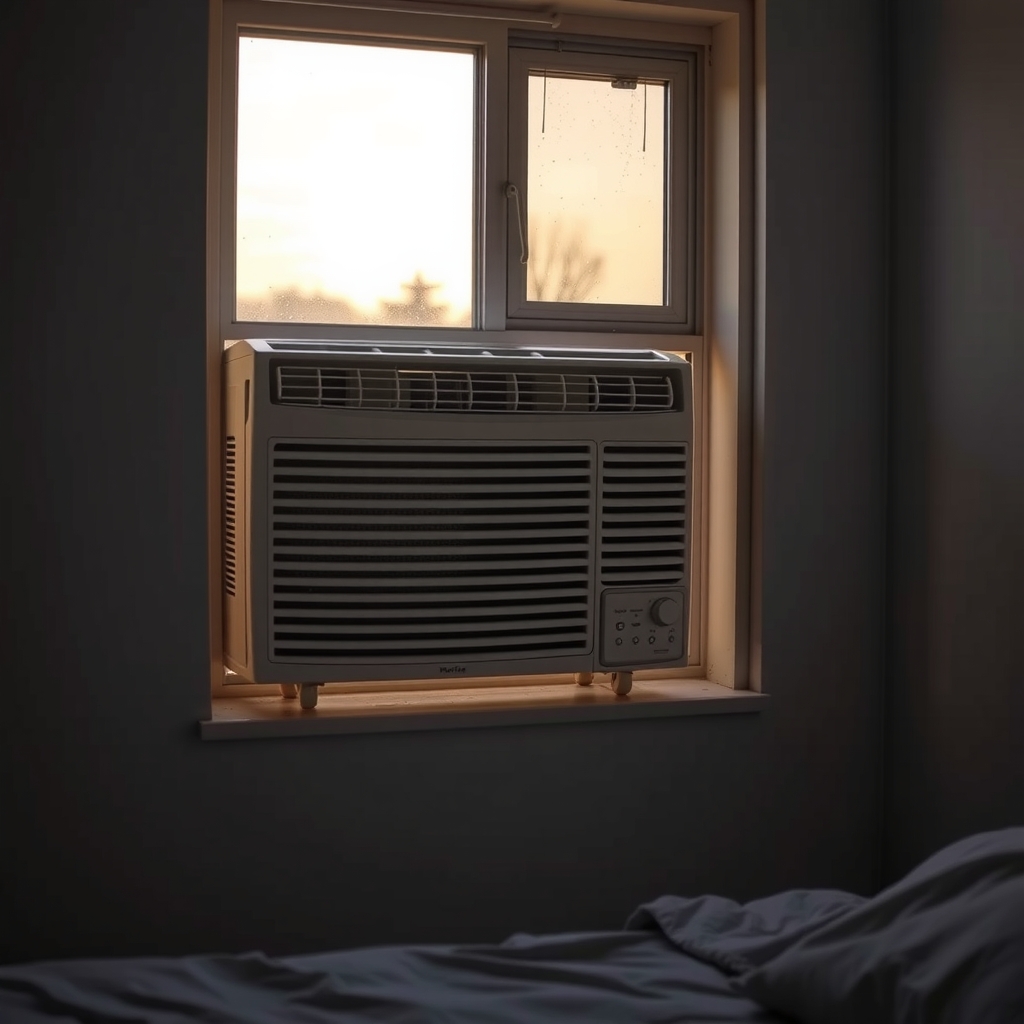
Yes, a window AC unit can be too big: it cools the air quickly, shuts off before it has pulled out the moisture and leaves the room cold and clammy. Check the BTU label against your room's square footage, and use the free tweaks to make the unit run longer. If it is much bigger than the room needs, a right-sized unit is the fix.
Free fix vs. permanent fix
Make the unit run longer cycles
- Use Cool or Dry mode with the fan on low
- Open the door to the next room so the unit has more to cool
- Keep wet laundry and steamy showers out of the room
- Check the room with a hygrometer
How long it lasts: Takes the clammy edge off in warm weather. On mild days an oversized unit still shuts off too soon.
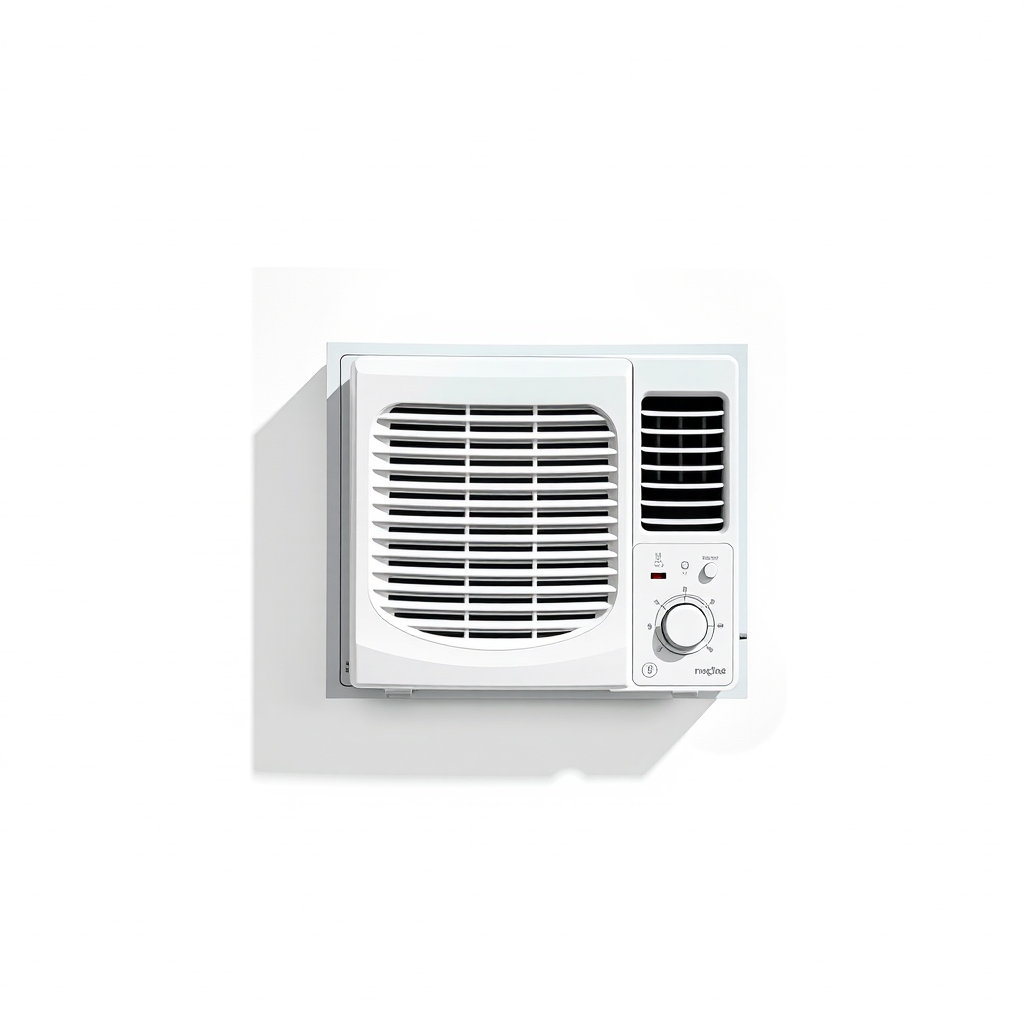
A right-sized window air conditioner
A window AC only removes humidity while the compressor runs. A right-sized unit runs longer cycles, so it pulls out moisture and holds a steadier temperature. The oversized one does a fast cool, then stops.
What to get: Right-sized window air conditioner
How long it lasts: Every summer for years. It runs long enough to dry the air and cycles less often.
As an Amazon Associate I earn from qualifying purchases.
What you'll need
-
Tape measure
For the room and the window opening
You have it -
BTU label on the unit
Printed on the side or in the manual, with the amps
You have it - Illustration
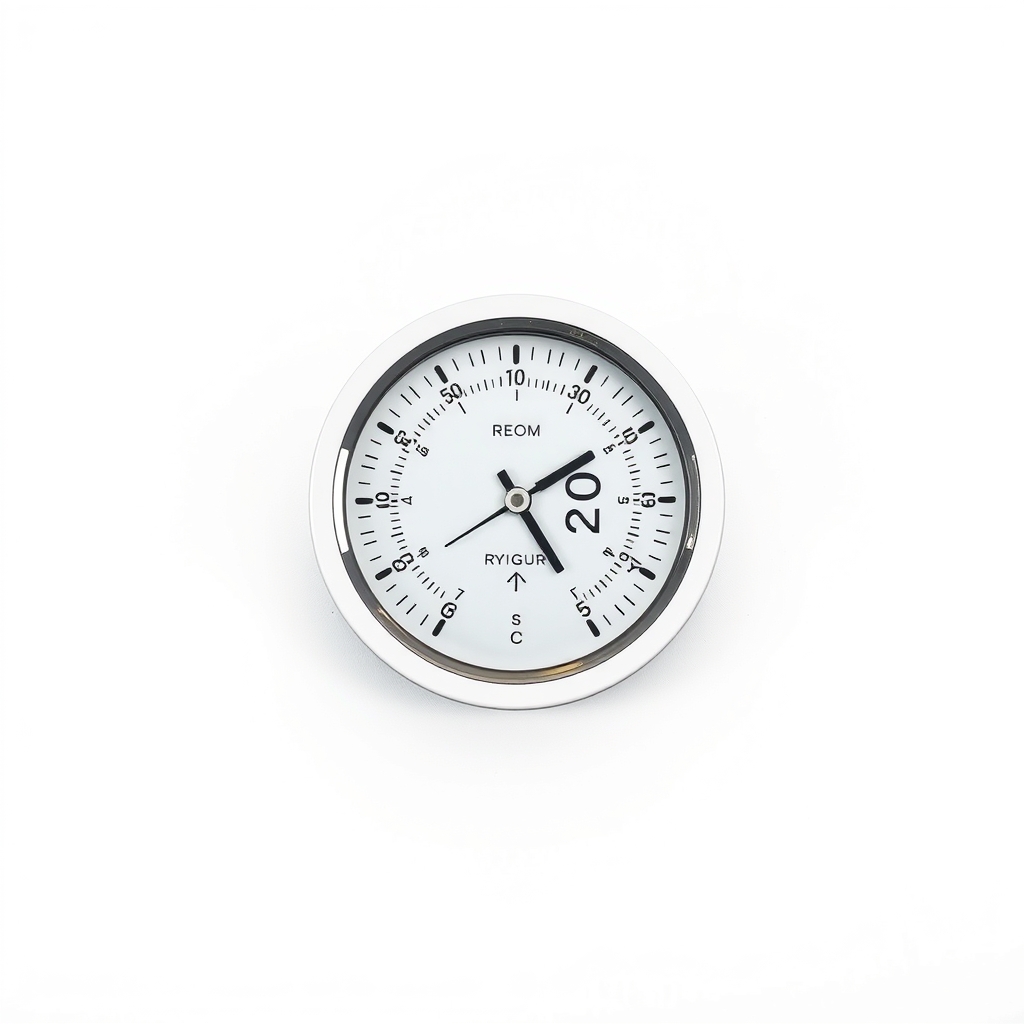
Room hygrometer
Shows whether the air is damp even when the room is cold
- Our pick Illustration
Right-sized window air conditioner
BTU matched to the room, not the biggest you can find
- Illustration
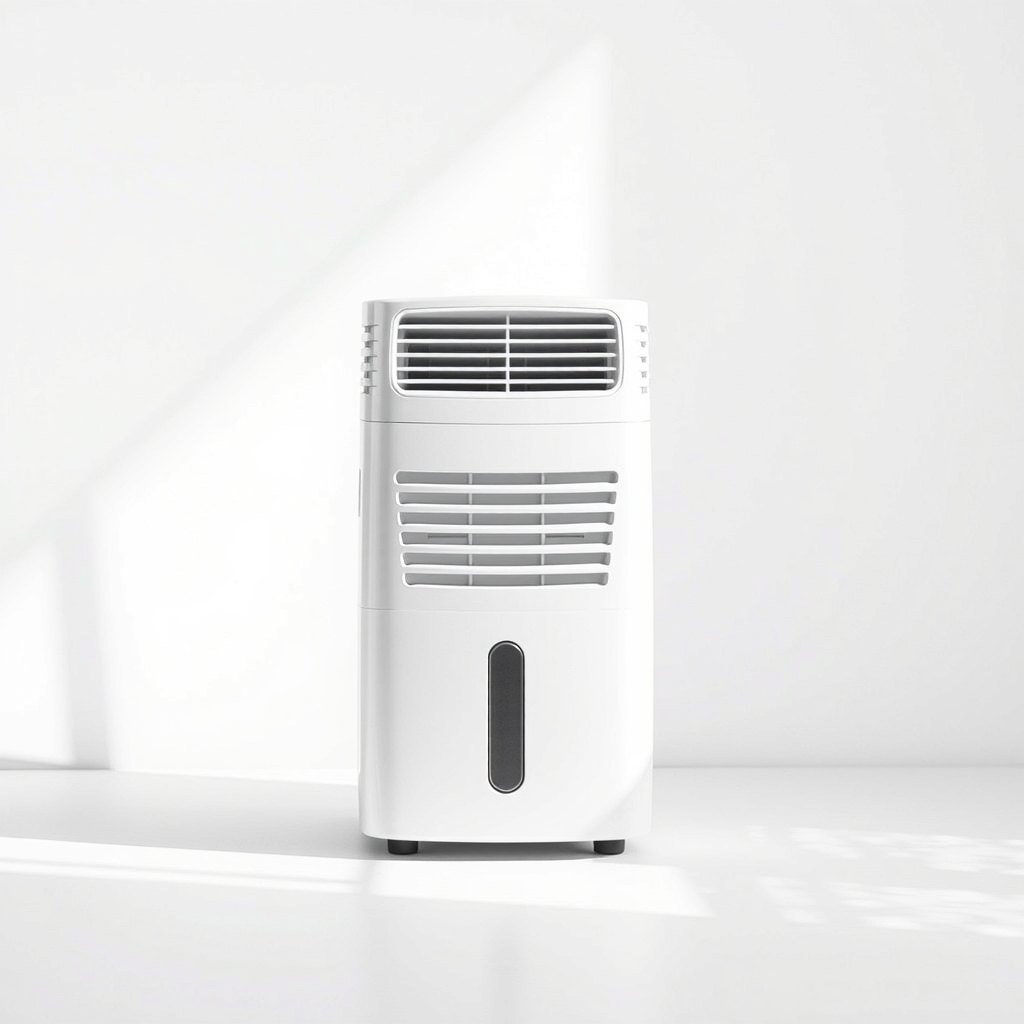
Small dehumidifier
To pair with a unit you cannot return
Why it happens
Short cycling
An oversized unit reaches the set temperature in a few minutes and shuts off. It removes moisture only while the compressor runs, so humidity stays high.
Cold air, damp air
You feel cold and sticky at the same time. That is cool air with humidity still around 60 percent or more.
Temperature swings and noise
The room drops fast, then warms before the next cycle. Each start and stop makes noise and a thump of airflow.
Wasted power and a tripped breaker
Every start draws a surge of current. A large unit on a shared circuit can trip the breaker.
Try this first (free)
Do these in order, starting with the simplest.
-
1. Measure the room and check the BTU label
Tool used: BTU label on the unitMultiply length by width. Energy Star's chart: about 150 to 250 sq ft needs 6,000 BTU, 350 to 400 needs 9,000 and 450 to 550 needs 12,000. Compare that with the number on your unit.
-
2. Set it to run longer
Use Cool mode with the fan on low, or Dry mode if the unit has one. A slow fan lets the coil get colder and pull more water out of the air. Skip any Energy Saver mode that shuts the fan off between cycles.
-
3. Open the door to the next room
A bigger space gives the unit more to cool, which stretches each cycle. Try it for a few days.
-
4. Cut the moisture the unit has to fight
Dry laundry elsewhere, run the bath fan after showers and keep the bathroom door shut. Less moisture in the air means less clamminess when the unit shuts off.
-
5. Check the humidity
Tool used: Room hygrometerKeep a hygrometer in the room and aim for about 30 to 50 percent. If it stays above 55 to 60 percent while the room is cold, the unit is short cycling.
IllustrationCheck price on AmazonTool for this step
Room hygrometer · Shows whether the air is damp even when the room is cold
When free fixes aren't enough
The free tweaks stretch the cycles a little. They cannot fix a unit that is far too big, such as a 12,000 BTU unit in a 200 sq ft bedroom. The signs: it turns off every few minutes, the room is cold but muggy, it is loud at startup or it trips a breaker. A right-sized unit costs less to run and feels better. If you are still inside the return window, send the big one back instead of living with it.
Buy the fix
Still stuck after the free fixes? These are the products we would look at.
| Pick | Product | Fixes | Who it's for | Buy |
|---|---|---|---|---|
| Best pick | Right-sized window air conditioner | an oversized unit that cools fast and leaves the air clammy | Anyone whose unit shuts off fast and leaves the room cold and damp. | Check price |
| Budget pick | Small dehumidifier to run alongside the unit | the clammy air, so you can keep the unit you own | People who cannot return the AC and want to fix the damp feeling. | Check price |
| Upgrade pick | 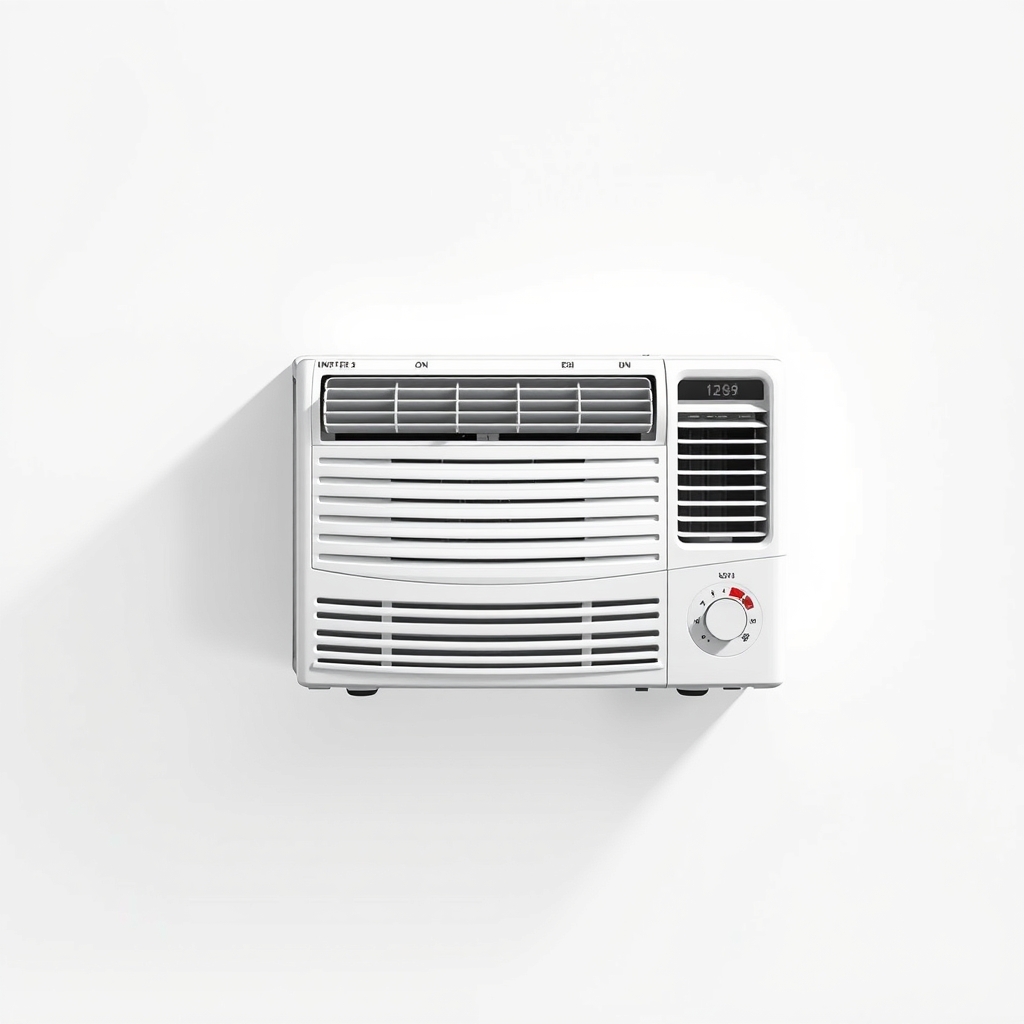 Inverter window air conditioner | on-off cycling, by ramping power up and down instead | Light sleepers and anyone who wants a steady room temperature. | Check price |
Right-sized window air conditioner
Fixes: an oversized unit that cools fast and leaves the air clammy
Look for: A BTU rating matched to your room using the Energy Star chart; An Energy Star label; A size that fits your measured window opening; Amps on the label that suit your circuit.
- Who it's for
- Anyone whose unit shuts off fast and leaves the room cold and damp.
- Honest downside
- Your unit is only a little too big. The free tweaks may be enough.
Small dehumidifier to run alongside the unit
Fixes: the clammy air, so you can keep the unit you own
Look for: A coverage rating for a bedroom-size room; A full-bucket shutoff or a drain hose; A humidity dial.
- Who it's for
- People who cannot return the AC and want to fix the damp feeling.
- Honest downside
- The unit trips breakers or is much too big, since a dehumidifier will not fix power or noise.
Inverter window air conditioner
Fixes: on-off cycling, by ramping power up and down instead
Look for: A variable-speed (inverter) compressor listed; A quiet low-speed setting; A BTU rating matched to the room.
- Who it's for
- Light sleepers and anyone who wants a steady room temperature.
- Honest downside
- You need the lowest upfront price. These cost more to buy.
As an Amazon Associate I earn from qualifying purchases. We don't show prices because they change, so use the button to see today's price.
How we picked: How we picked: this page is based on Energy Star room air conditioner sizing guidance, maker manuals for window units, and what owners report in reviews about oversized units. We do not test products by hand.
Quick BTU sizing chart
- 100 to 150 sq ft: 5,000 BTU
- 150 to 250 sq ft: 6,000 BTU
- 250 to 300 sq ft: 7,000 BTU
- 300 to 350 sq ft: 8,000 BTU
- 350 to 400 sq ft: 9,000 BTU
- 400 to 450 sq ft: 10,000 BTU
- 450 to 550 sq ft: 12,000 BTU
Adjust for sun, a kitchen and extra people, as described above.
Check the window and the plug
Measure the width and height of the window opening and compare them with the listing. Check the plug shape and amps too. Larger units can need a dedicated circuit or a 230-volt outlet, so read the listing before you buy.
What to skip
Maxing the fan and the cold to fix damp air
A fast fan blows water back off the cold coil into the room, and the thermostat still shuts the unit off early. Turning it to the coldest setting just makes the room colder and no less sticky.
Frequently asked questions
Window AC unit too big: what happens to the room?
What size window AC do I need?
How do I know my window AC is too big?
Can an oversized AC trip the breaker?
Related problems
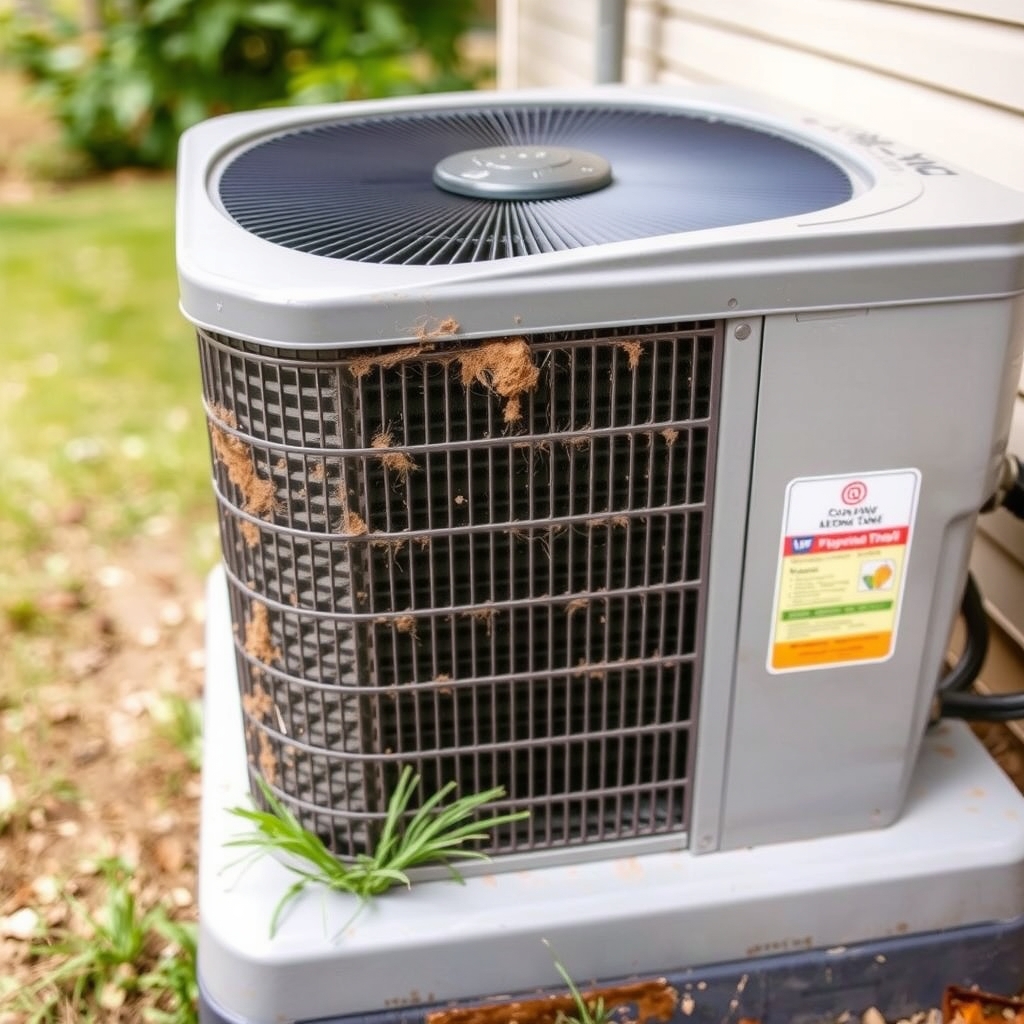 Free fix inside
Air & Temperature · Air Conditioner
Air Conditioner Short Cycling? Dirty Coils and Other Usual Suspects
Read the fix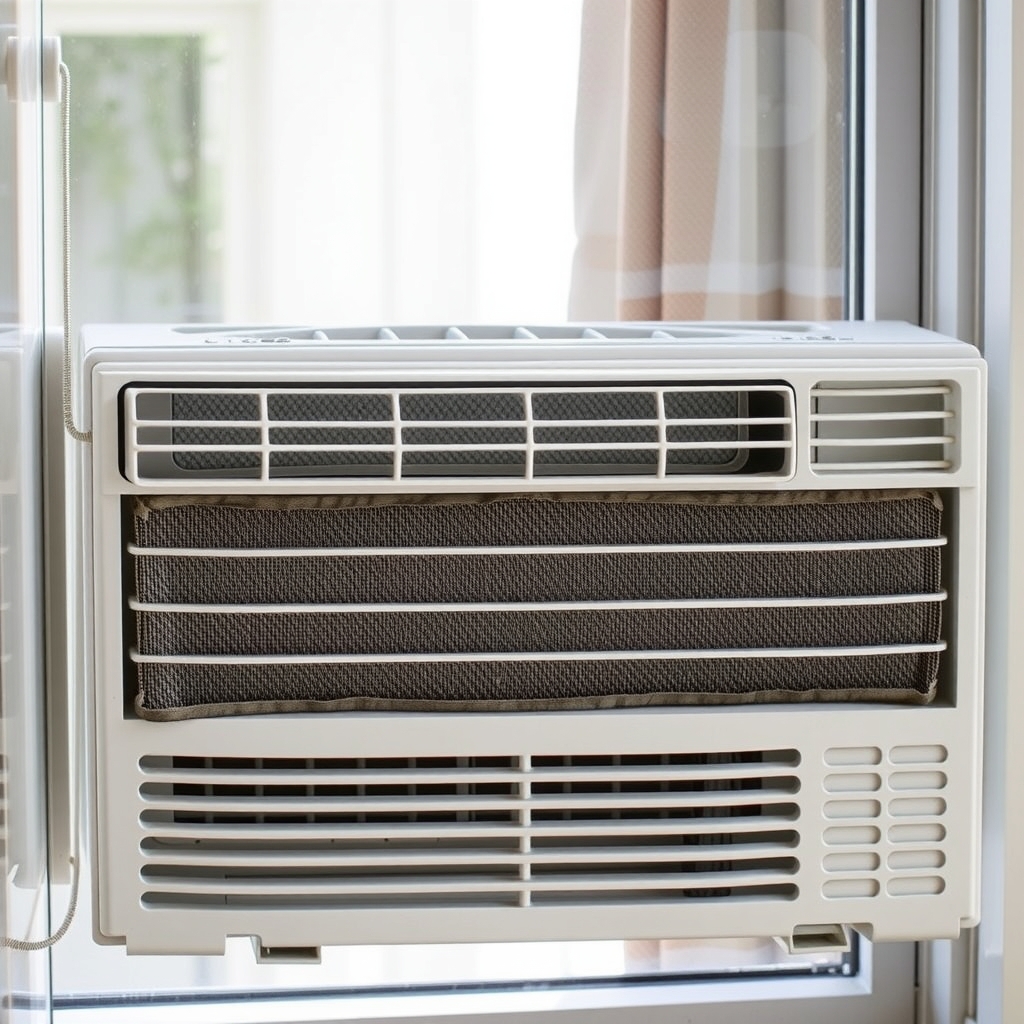 Free fix inside
Air & Temperature · Window Ac
Window AC Turning On and Off? Usual Causes and a Cleaning Fix
Read the fix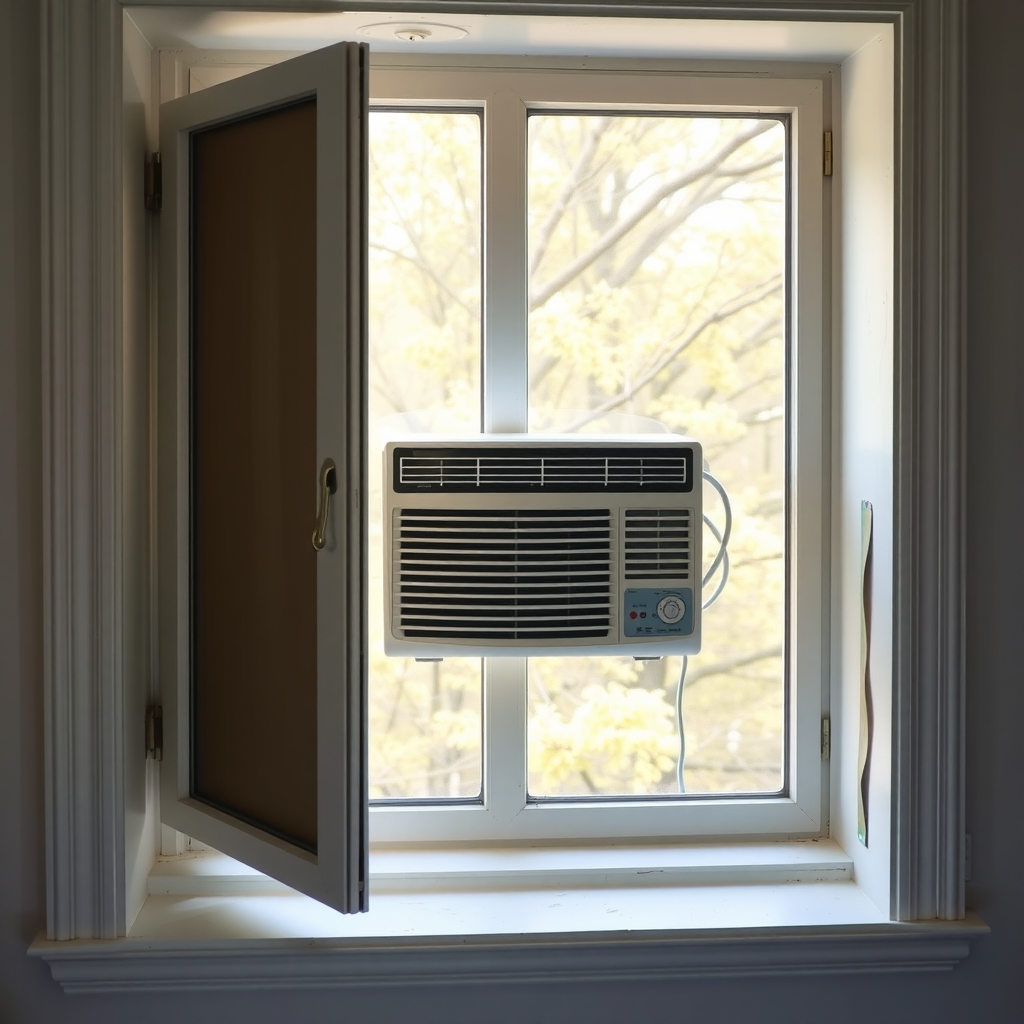 Free fix inside
Air & Temperature · Window Ac Installation
Window AC Too Small for the Window? Close the Gap Properly
Read the fix Free fix inside
Air & Temperature · Window Ac
Window AC Not Blowing Cold Air? Clean These Two Parts First
Read the fixAs an Amazon Associate I earn from qualifying purchases. Affiliate disclosure