Small Bedroom With No Headboard? Slim Wall-Mount Options
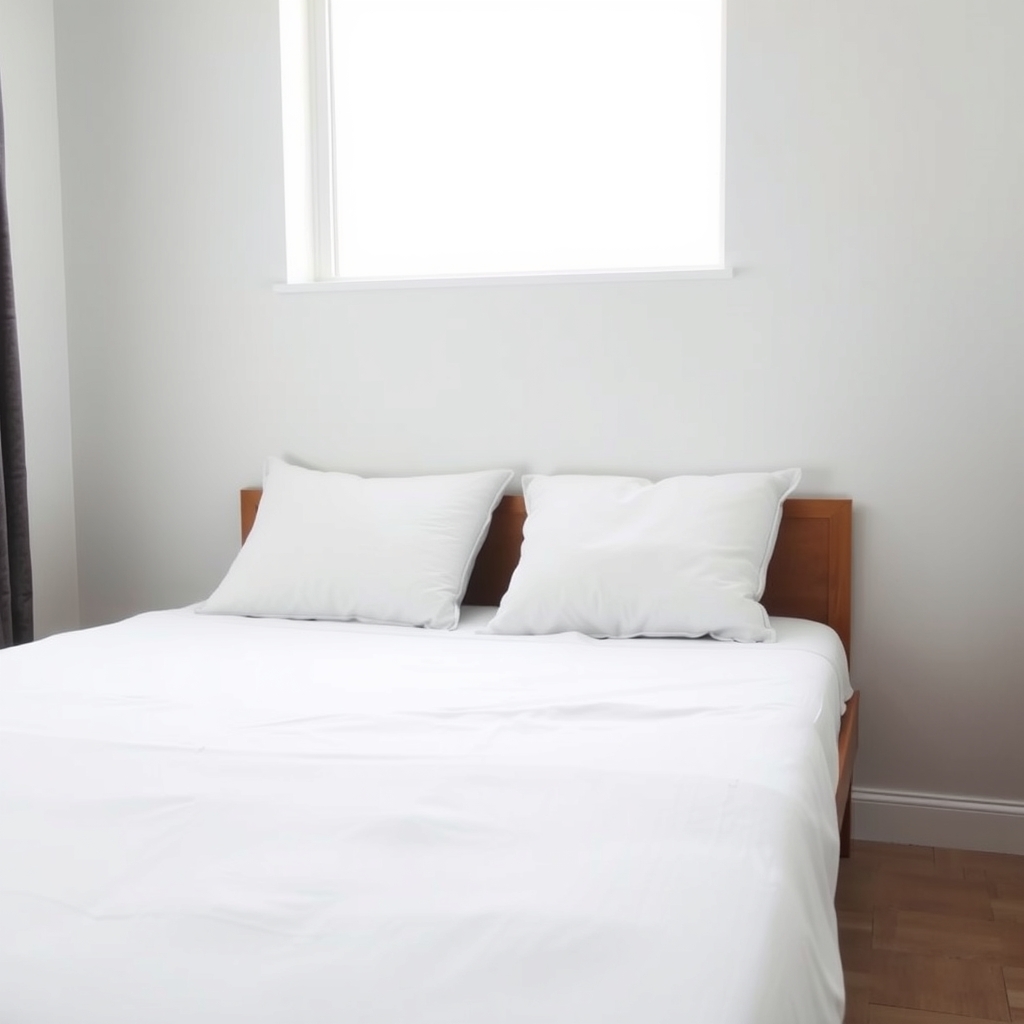
A freestanding headboard eats floor space you do not have. Start with a free trick, then mount a slim panel to the wall for back support and a finished look.
By Jamilur Rahman Updated November 5, 2026 · 7 min read
- Time
- 1 hour
- Cost
- $50-$150
- Difficulty
- Medium
In this guide
Quick answer
In a small bedroom with no headboard, you can hang a quilt, paint a headboard shape or lean a firm wedge pillow against the wall for free. A slim wall-mounted panel is the fix that lasts. It gives your back and pillows something to lean on, covers the bare wall, and takes almost no space because it hangs on the wall instead of standing on the floor.
Free fix vs. permanent fix
Hang a quilt or paint a headboard
- Hang a quilt or throw from a curtain rod above the bed
- Tape out a headboard shape and paint inside it
- Push the bed tight to the wall
- Lean a firm wedge pillow against the wall for reading
How long it lasts: As long as you like the look. A hung quilt or painted shape finishes the wall, but it will not support your back or stop pillows slipping into the gap.
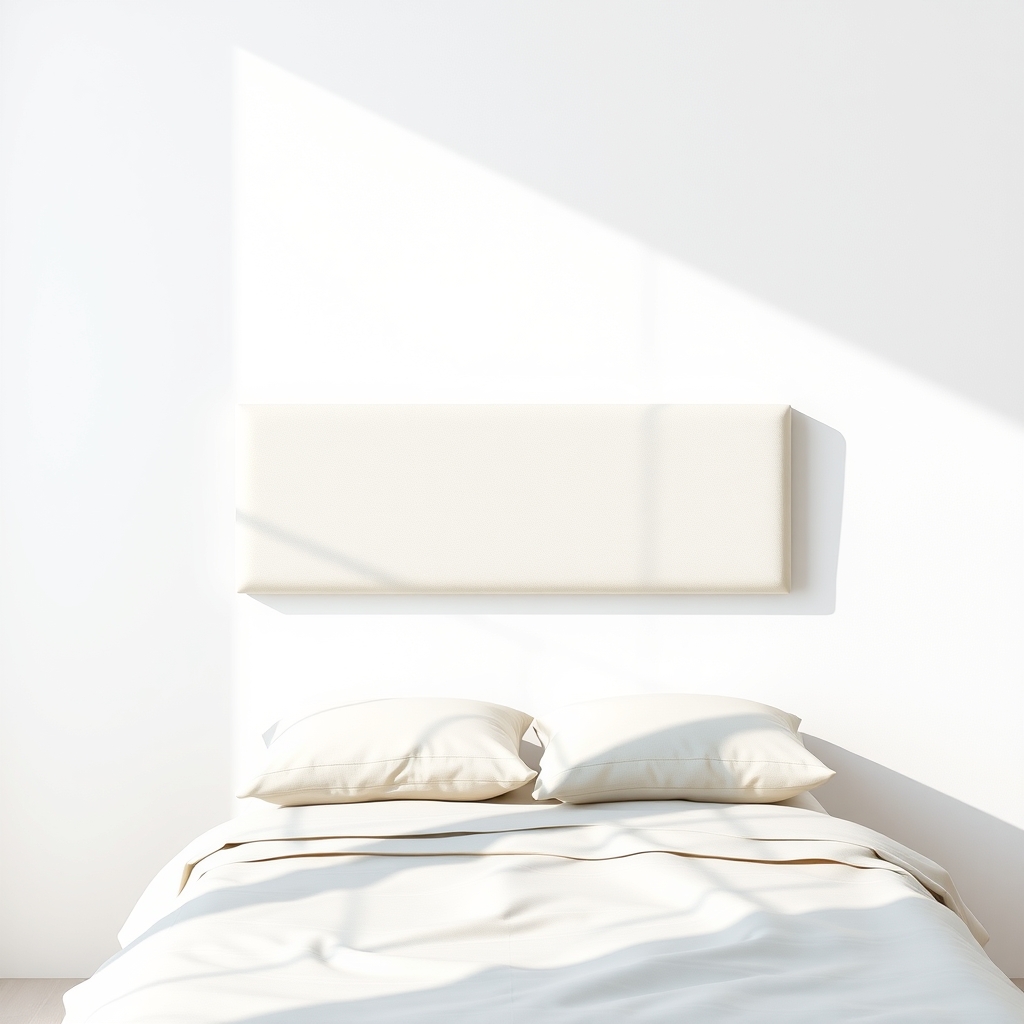
A slim padded wall-mounted headboard panel
A freestanding headboard stands on the floor and pushes the bed out from the wall. A wall-mounted panel hangs above the mattress, so the bed can sit tight to the wall and the room stays the same size. The padding supports your back and stops pillows slipping behind the mattress.
What to get: Slim padded wall-mounted headboard panel
How long it lasts: Years. It is fixed to the wall, so it cannot slide or shift, and it is only a couple of inches thick.
As an Amazon Associate I earn from qualifying purchases.
What you'll need
-
Tape measure
For the mattress width and the height from floor to mattress top
You have it -
Painter's tape
Marks the panel outline so you can see it before you drill
You have it -
Level
A phone level app works if you do not own one
You have it - Illustration
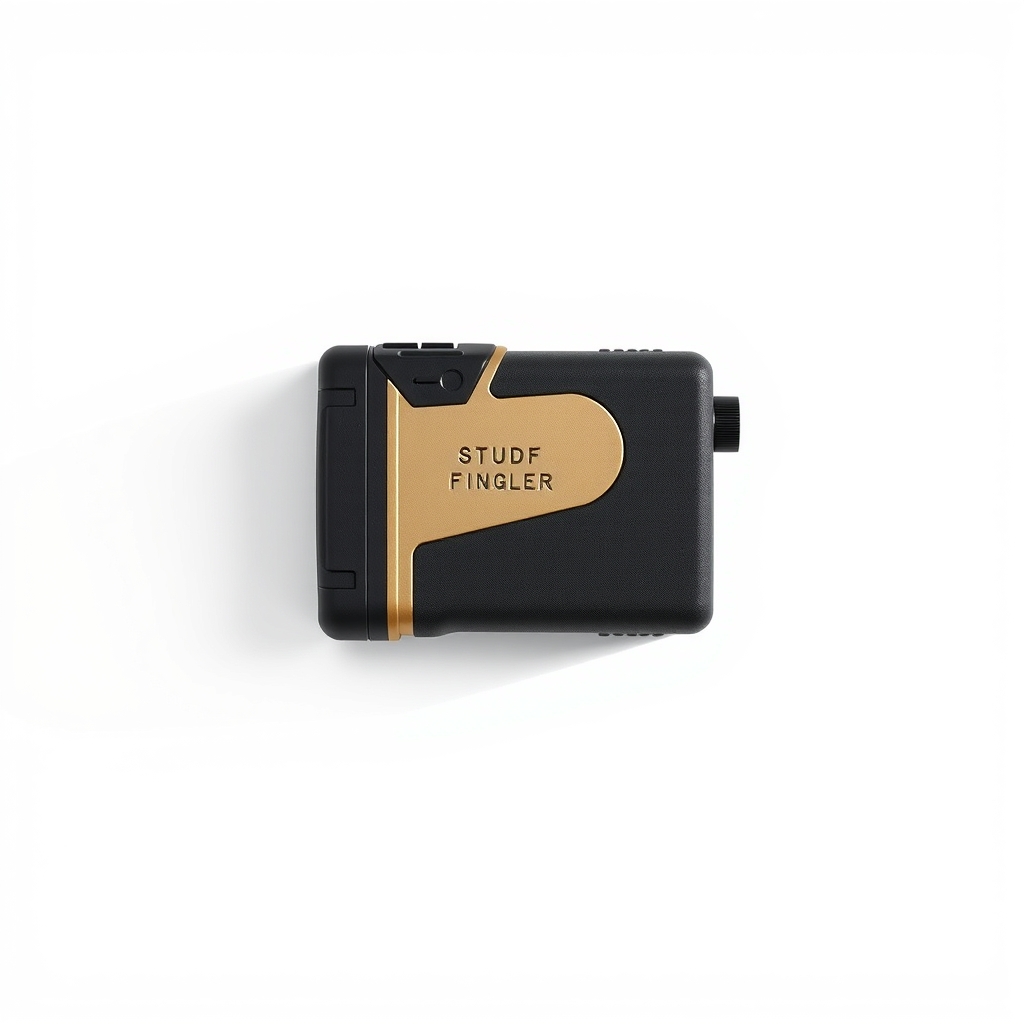
Stud finder
Finds the studs so the panel is screwed into wood, not just drywall
- Our pick Illustration
Slim padded wall-mounted headboard panel
Check width against your mattress
- Illustration
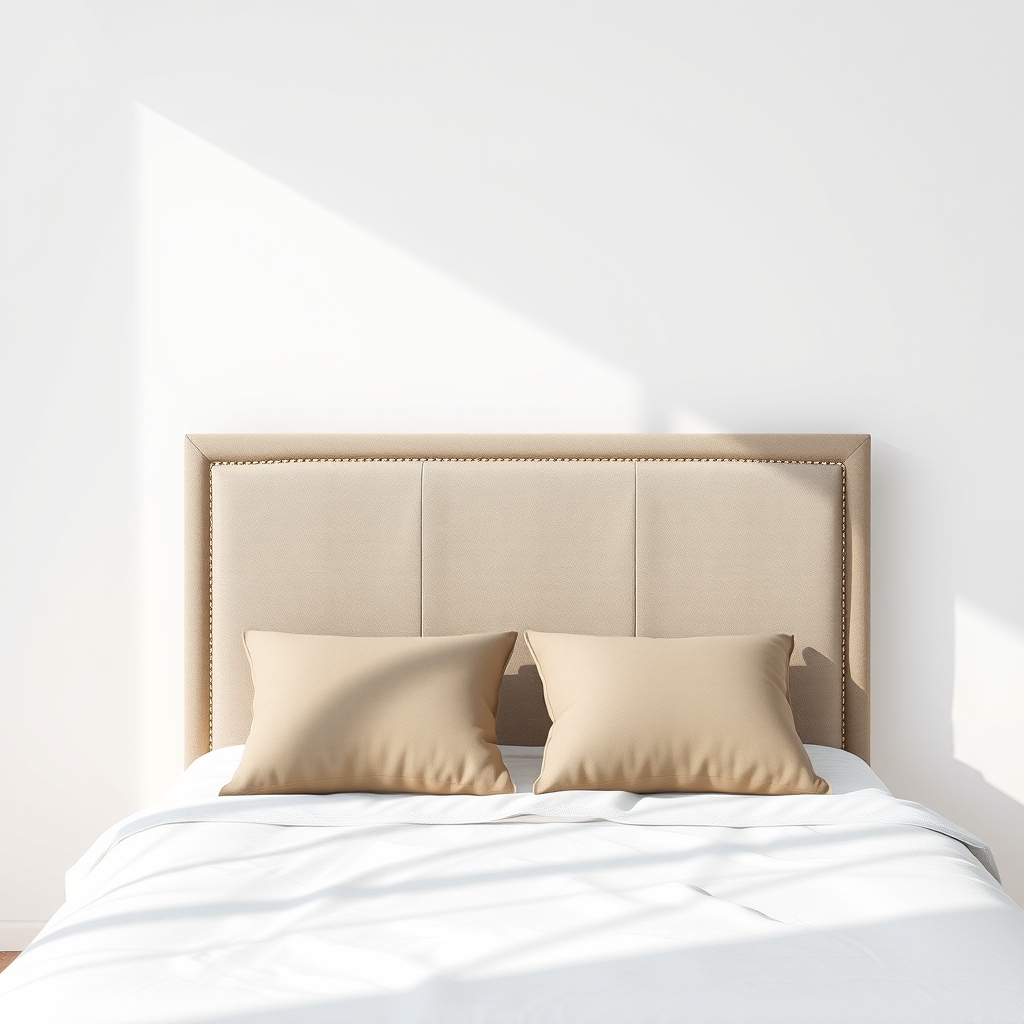
Lightweight peel-and-stick headboard panels
For renters who cannot drill
- Illustration
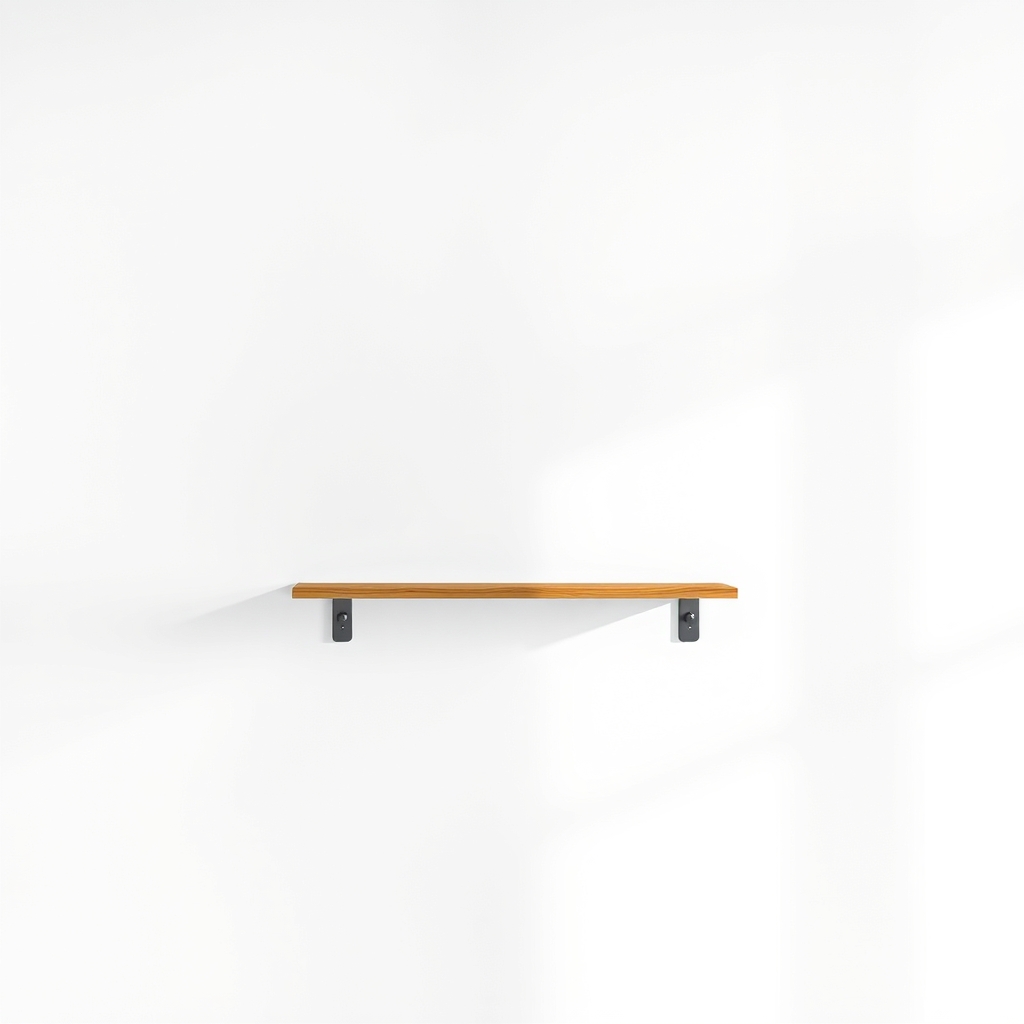
Wall-mounted headboard with a shelf ledge
Adds a small surface for a phone and a book
Why it happens
Pillows slide into the gap
Without a headboard, pillows fall behind the mattress or slip down the wall when you sit up to read.
The wall takes the wear
Heads, hands and pillows rub the wall behind the bed. Paint scuffs and picks up marks.
A freestanding headboard costs floor space
A headboard that bolts to the frame stands several inches out from the wall, plus its legs. In a small room that is lost walking space.
A bare wall makes the bed look unfinished
Without a visual anchor, the bed seems to float and the room feels smaller.
Try this first (free)
Do these in order, starting with the simplest.
-
Measure your mattress and wall
Tool used: Tape measureStandard widths are about 38 inches for a twin, 54 for a full, 60 for a queen and 76 for a king. Measure your actual mattress, and the height from the floor to the top of the mattress. The panel should be about as wide as the bed.
-
Tape the outline on the wall
Tool used: Painter's tapeStick tape where the panel will go, with the bottom edge a couple of inches below the top of the mattress so there is no gap behind the pillows. Stand back and check it before you commit.
-
Try a quilt or paint for a no-cost start
Hang a quilt or tapestry from a curtain rod above the bed, or paint inside the taped shape. If you rent, check the lease before you paint, and use removable hooks for the rod.
-
Find the studs before you mount anything
Tool used: Stud finderSlide the stud finder along the wall and mark both edges of each stud with tape. Studs are usually 16 inches apart, center to center. Avoid any spot where it beeps for wiring or pipes.
IllustrationCheck price on AmazonTool for this step
Stud finder · Finds the studs so the panel is screwed into wood, not just drywall
-
Hang the panel and check it is level
Tool used: LevelFollow the maker's hardware, usually a French cleat or hooks. Mark the holes, drive the screws into studs, hang the panel and check it with a level before you lean on it.
When free fixes aren't enough
A hung quilt or painted shape will not hold your back when you sit up, and pillows still slide into the gap. If you read or watch in bed, or the wall keeps scuffing, a padded wall-mounted panel is the better answer. A heavy panel must go into studs. Renters should pick a lightweight panel with adhesive rated for its weight, or check the lease before drilling.
Buy the fix
Still stuck after the free fixes? These are the products we would look at.
| Pick | Product | Fixes | Who it's for | Buy |
|---|---|---|---|---|
| Best pick | Slim padded wall-mounted headboard panel | pillows sliding, no back support and a bare wall, without losing floor space | Anyone in a small bedroom who sits up to read or watch in bed. | Check price |
| Budget pick | Lightweight peel-and-stick headboard panels | a bare wall and light back support with no drilling | Renters and shared rooms where drilling is not allowed. | Check price |
| Upgrade pick | Wall-mounted headboard with a shelf ledge | no headboard and no bedside surface | Rooms too small for a nightstand. | Check price |
Slim padded wall-mounted headboard panel
Fixes: pillows sliding, no back support and a bare wall, without losing floor space
Look for: Padded, and about as wide as your mattress; A French cleat or hook bracket and the screws included; A weight rating that covers the panel and a person leaning on it; A cover you can wipe or vacuum.
- Who it's for
- Anyone in a small bedroom who sits up to read or watch in bed.
- Honest downside
- You cannot screw into the wall. Choose the lightweight option and check its weight rating.
Lightweight peel-and-stick headboard panels
Fixes: a bare wall and light back support with no drilling
Look for: Weight low enough for the adhesive rating; A washable cover or finish; Enough panels to match your mattress width.
- Who it's for
- Renters and shared rooms where drilling is not allowed.
- Honest downside
- You lean hard against it every night. Adhesive can let go on textured or freshly painted walls.
Wall-mounted headboard with a shelf ledge
Fixes: no headboard and no bedside surface
Look for: A ledge for a phone, glasses and a book; Stud-based mounting hardware; A weight rating for the shelf.
- Who it's for
- Rooms too small for a nightstand.
- Honest downside
- You keep heavy things by the bed. Shelf ledges only hold light items.
As an Amazon Associate I earn from qualifying purchases. We don't show prices because they change, so use the button to see today's price.
How we picked: How we picked: this page is based on mattress size charts, wall-mounting guides for studs and anchors, product instructions from headboard makers, and the problems and fixes people report in reviews. We do not test products by hand.
Quick sizing by bed size
- Twin: about 38 inches wide. A single 36 to 40 inch panel fits.
- Full: about 54 inches. Look for panels 54 to 60 inches wide.
- Queen: about 60 inches. Panels 60 to 64 inches wide cover it.
- King: about 76 inches. Most use two panels set side by side.
What to skip
What to skip
Skip a bulky freestanding headboard that bolts to the frame in a small room. It adds depth, may not match your frame's bolt holes and crowds the nightstands. Also skip hanging a heavy panel from two small nails in drywall. It can slump and fall on you.
Frequently asked questions
How wide should a wall-mounted headboard be?
How high should I hang a wall-mounted headboard?
Can I use a wall-mounted headboard in a rental?
Do I need a stud finder?
Related problems
 Free fix inside
Small Spaces & Storage · Bedroom Storage
Bedroom Too Small for a Nightstand? Shelves That Clamp to the Bed
Read the fix Free fix inside
Small Spaces & Storage · Bedroom Storage
Bedroom Too Small for a Dresser? 5 Space-Smart Swaps
Read the fix Free fix inside
Small Spaces & Storage · Bedroom Storage
Small Bedroom With No Storage? Beds and Pieces With Drawers Built In
Read the fix Free fix inside
Small Spaces & Storage · Small Bedroom
Bedroom Too Small for a Queen Bed? What Fits and What to Try
Read the fixAs an Amazon Associate I earn from qualifying purchases. Affiliate disclosure