Litter Tracking Everywhere? The Mat That Catches the Mess
Litter sticks to paws and fur, then drops across the floor. Fix the usual causes, then add a textured mat that scrapes grains off before they leave the box.
By Jamilur Rahman Updated November 5, 2026 · 7 min read
- Time
- 15 min
- Cost
- Under $20
- Difficulty
- Easy
In this guide
Quick answer
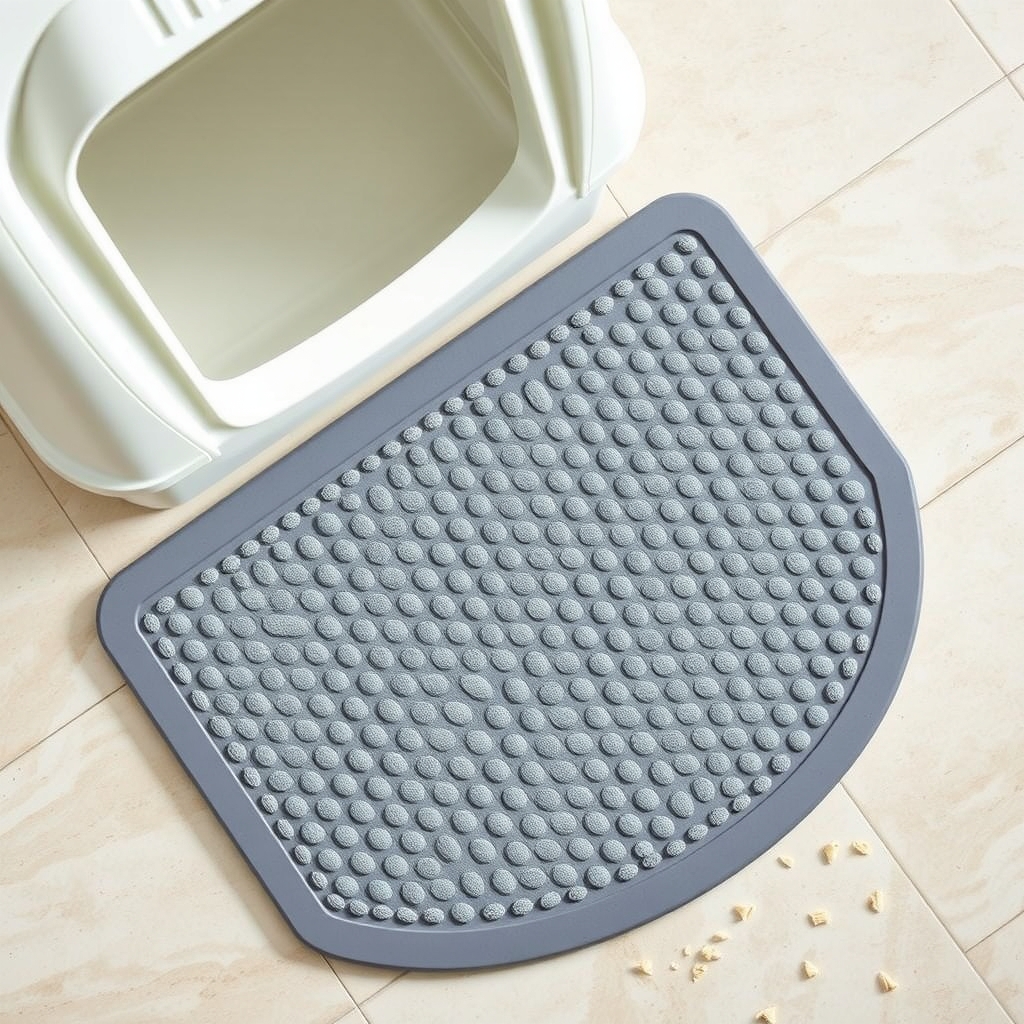
Litter tracks because grains stick to damp paws and the fur between a cat's toes, and because cats kick it over the edge when they dig. Scoop daily, keep the litter about two inches deep, trim long toe fur and check that the box is big enough. Then put a litter trapping mat at the exit. Its textured surface scrapes grains off the paws as the cat walks across, so the litter stays in one place.
Free fix vs. permanent fix
Scoop, trim and sweep
- Scoop clumps daily, since damp litter sticks to paws
- Keep the litter about two inches deep
- Trim long fur between toes, or ask a groomer to
- Lay an old textured doormat at the exit
How long it lasts: Cuts tracking noticeably but never stops it. Grains still leave on paws, and you sweep every day.
A litter trapping mat
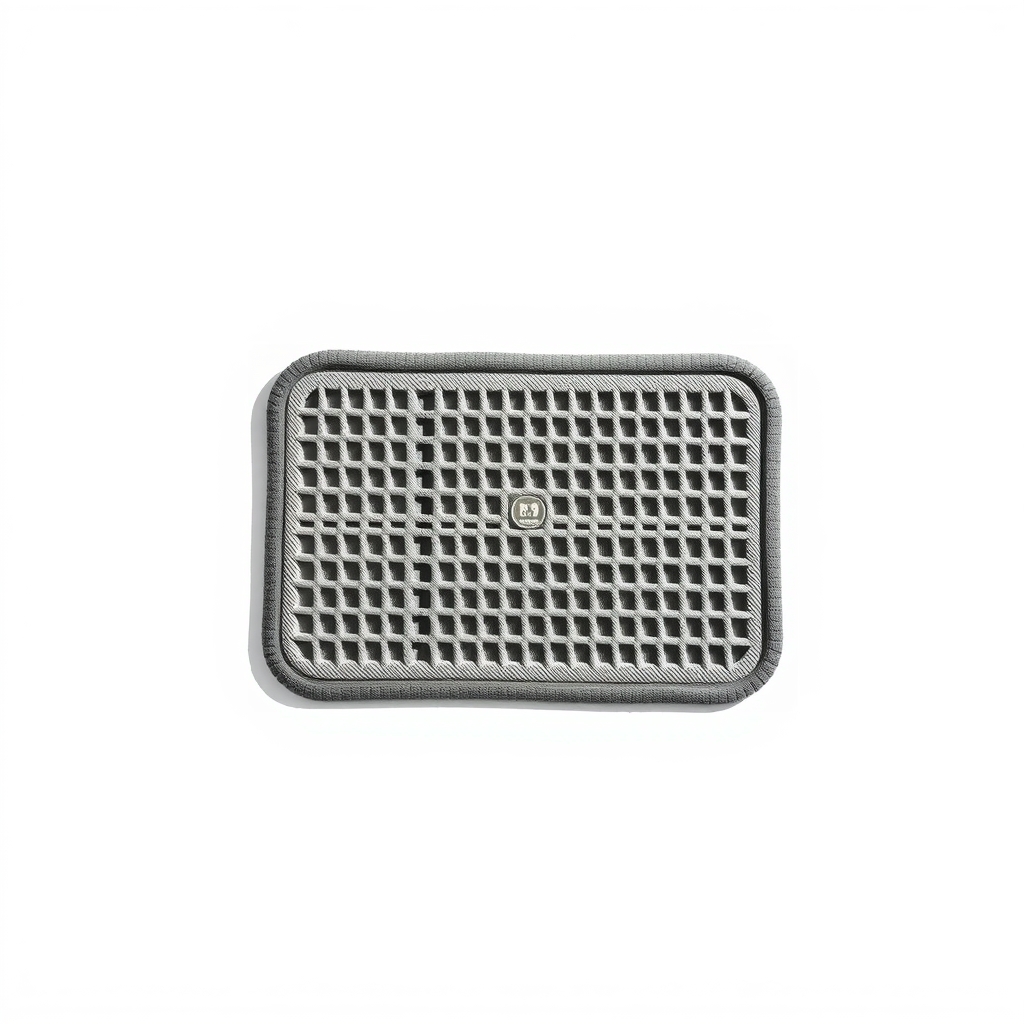
Grains fall off paws as soon as they hit a surface with ridges or holes. A trapping mat gives them somewhere to fall, so they stay on the mat instead of on your floor. It is the one step that catches the grains whatever litter your cat uses.
What to get: Litter trapping mat
How long it lasts: Years. You shake it out or rinse it, and it keeps catching grains.
As an Amazon Associate I earn from qualifying purchases.
What you'll need
-
Litter scoop
For daily scooping of clumps
You have it -
Broom and dustpan
Or a handheld vacuum for the sweep
You have it -
Old textured doormat
A stopgap if you do not have a mat yet
Free - Our pick Illustration
Litter trapping mat
Sized to cover the box exit and a few cat steps
- Illustration
High-sided or top-entry litter box
For cats that kick litter over the edge
Why it happens
Grains stuck to damp paws
Clumps and damp litter at the edge of the box cling to paws. Fine, dusty litter sticks even more, so grains travel with the cat across the room.
Fur between the toes
Long-haired cats, and cats with fluffy paws, carry litter in their toe fur like a brush. It falls out wherever they stop to lick or sit.
Digging that throws litter out
Enthusiastic diggers flick litter over the sides. A low box, a small box or a very deep layer makes it worse.
A box with no catch zone
If the box sits right on a smooth floor or a rug, nothing scrapes the paws before the cat steps out. Grains go straight onto the floor.
Try this first (free)
Do these in order, starting with the simplest.
-
Scoop every day
Tool used: Litter scoopRemove clumps and waste once a day, and top up as litter drops. Damp litter near the edge is the stuff that sticks to paws.
-
Check the depth and the box size
Aim for about two inches of litter. A deeper layer gives cats more to fling around. The box should be about one and a half times your cat's length so there is room to turn and dig.
-
Trim the toe fur
Use blunt-tipped scissors, or ask a groomer or vet, to trim long fur between the pads. Go slowly and keep the paw calm. Skip this if your cat will not hold still.
-
Lay a textured mat at the exit
Tool used: Old textured doormatPut a trapping mat, or an old textured doormat in the meantime, against the exit and at least two cat steps long. Shake it into the trash or the box each day.
-
Sweep the area daily
Tool used: Broom and dustpanTake a minute with the broom or a handheld vacuum. Loose grains are easy to catch before they spread through the house.
When free fixes aren't enough
Scooping, trimming and a good box cut tracking, but they do not stop grains riding out on paws. If you are still sweeping every day, you need something at the exit to scrape them off. A trapping mat catches the grains that scooping and trimming miss. If your cat still flings litter over the sides, a mat will not catch what flies past it, so switch to a high-sided or top-entry box. If the cat avoids the box after you change anything, put things back and change one thing at a time, since refusal to use the box matters more than a clean floor.
Buy the fix
Still stuck after the free fixes? These are the products we would look at.
| Pick | Product | Fixes | Who it's for | Buy |
|---|---|---|---|---|
| Best pick | Litter trapping mat | litter grains riding out on paws and fur | Any cat household where litter ends up on the floor around the box, whatever litter you use. | Check price |
| Upgrade pick | High-sided or top-entry litter box | litter flung over the sides when your cat digs | Cats that dig hard or kick litter out in all directions. | Check price |
Litter trapping mat
Fixes: litter grains riding out on paws and fur
Look for: A textured top with ridges, holes or grooves that catch grains; Soft enough for paws, with no sharp spikes; Large enough that the cat takes two or three steps on it; Easy to shake out, rinse or wipe clean, with a non-slip back.
- Who it's for
- Any cat household where litter ends up on the floor around the box, whatever litter you use.
- Honest downside
- Your cat kicks litter far past the mat, or hates the texture. Try a larger or softer mat, or a high-sided box.
High-sided or top-entry litter box
Fixes: litter flung over the sides when your cat digs
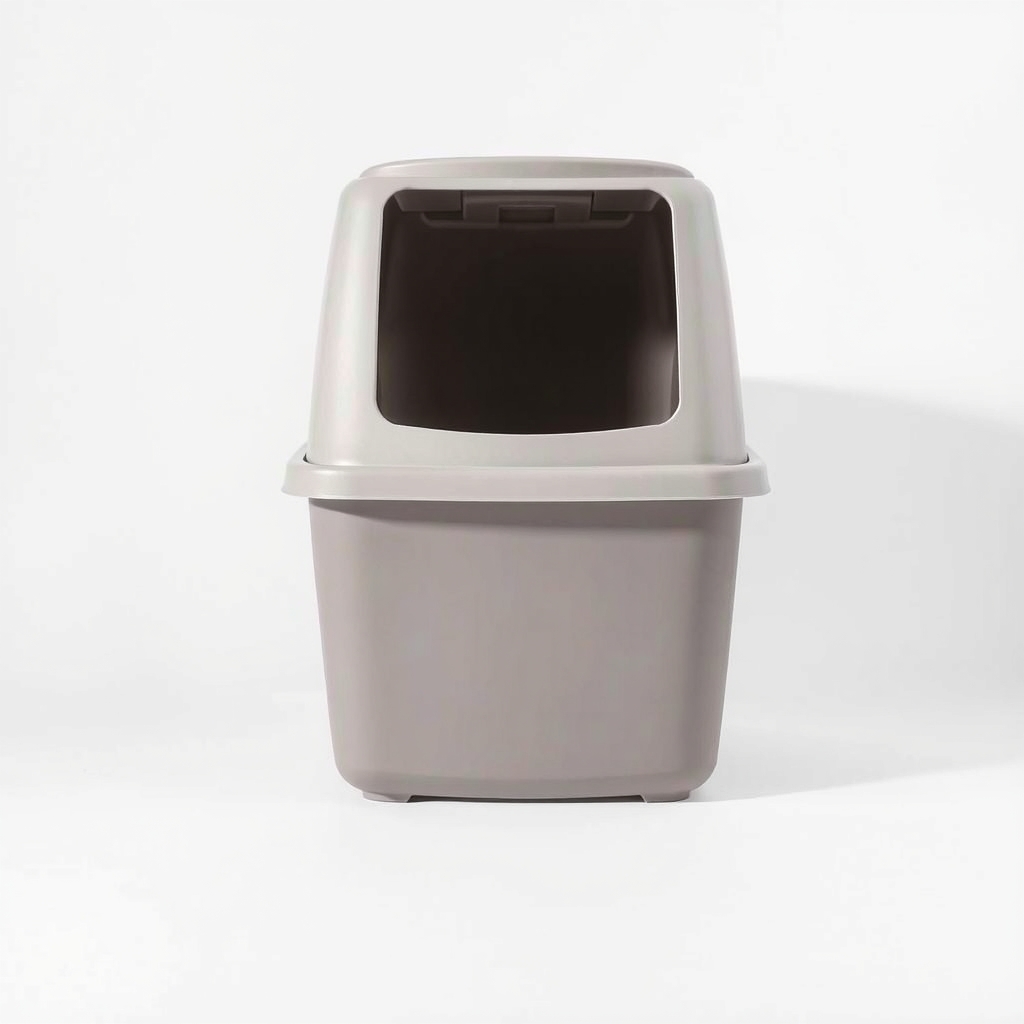
Look for: Sides high enough to stop flung litter, with a low enough entry for your cat; Roomy enough for your cat to turn around and dig; Smooth, easy-to-clean plastic; A solid base that does not tip.
- Who it's for
- Cats that dig hard or kick litter out in all directions.
- Honest downside
- Your cat is a kitten, senior or has joint pain. High sides can be a hurdle, so look for a low-entry box instead.
As an Amazon Associate I earn from qualifying purchases. We don't show prices because they change, so use the button to see today's price.
How we picked: How we picked: this page is based on cat litter and behavior guides from veterinary and pet-care groups, product instructions for litter mats, and what cat owners report in reviews. We do not test products by hand.
Does your litter track more than it should?
Fine-grain clumping clays and dusty litters tend to cling to paws. Larger granules, such as pellets, usually track less, but cats can be picky about texture. If you change litter, mix in a little of the new kind each day for 7 to 10 days, and keep a second box with the old litter until you are sure your cat accepts it.
Where to put the box
A box on tile, vinyl or another hard floor is easier to sweep than one on carpet. Put it in a quiet spot with room for the mat on the side the cat steps out. Do not hide it in a closed closet, since cats can avoid a box they cannot get to easily.
What to skip
A fresh type of litter every week
Switching brands over and over upsets cats, and a cat that dislikes its litter may stop using the box. If you want to try a low-tracking litter, change it gradually over a week or two and keep a second box with the old litter.
Frequently asked questions
How do I stop cat litter from tracking everywhere?
Why does cat litter keep sticking to my cat's paws?
Is there a litter box that does not track litter?
Where should the mat go?
Related problems
 Free fix inside
Pets · Litter Mess
Cat Box That Keeps Litter In: High-Sided Picks for Kickers
Read the fix Free fix inside
Pets · Litter Mess
Cat Litter That Isn't Dusty: 4 Low-Dust Picks for Cleaner Air
Read the fix Free fix inside
Pets · Cat Litter
Cat Litter Not Clumping? 4 Reasons and What to Switch To
Read the fix Free fix inside
Pets · Litter Box Smell
Litter Box Smells Even After Cleaning? Why Plastic Holds Odor
Read the fixAs an Amazon Associate I earn from qualifying purchases. Affiliate disclosure