Dog Hair Clogging the Drain? The Catcher That Stops It at the Tub
Wet dog hair comes out in clumps and welds itself to the pipe. Clear today's clog, then let a tub catcher keep the next bath from rebuilding it.
By Jamilur Rahman Updated November 5, 2026 · 7 min read
- Time
- 25 min
- Cost
- Under $20
- Difficulty
- Easy
In this guide
Quick answer
Dog hair clogs a tub drain because warm water pulls loose undercoat out in clumps, and the short, stiff hairs snag on the pipe wall and bind with soap scum. Brush the dog before every bath, pull out the hair you can reach, clear the rest with a barbed plastic strip, then fit a tub drain hair catcher. The catcher is what stops dog hair going down the drain the next time.
Free fix vs. permanent fix
Brush first, then clear the drain
- Brush out loose undercoat before the dog gets wet
- Lift the stopper and pull out hair by hand
- Run a barbed plastic strip down the drain and pull
- Flush with hot tap water, not boiling
How long it lasts: A few baths. Brushing removes a lot of loose hair, but a wet dog still sheds, and the open drain catches whatever is left.
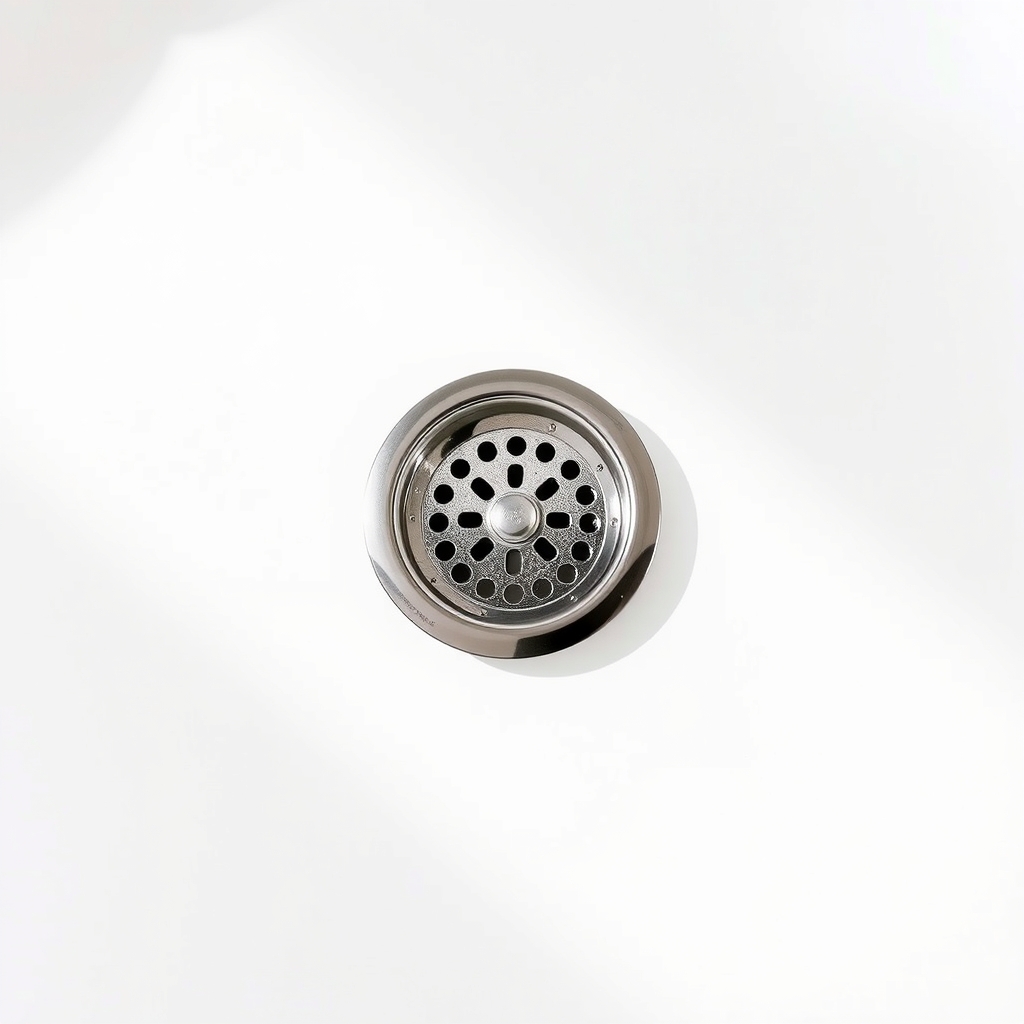
A tub drain hair catcher
Hair that never reaches the pipe cannot clog it. A catcher sits in or over the drain opening, lets water through and holds the hair where you can lift it out and drop it in the trash.
What to get: Tub drain hair catcher
How long it lasts: Years. Empty it after every bath and the pipe stays clear.
As an Amazon Associate I earn from qualifying purchases.
What you'll need
-
Dog brush or deshedding tool
Use it before the bath, over a towel or outside
You have it -
Rubber gloves
For pulling out the wet hair
You have it - Illustration
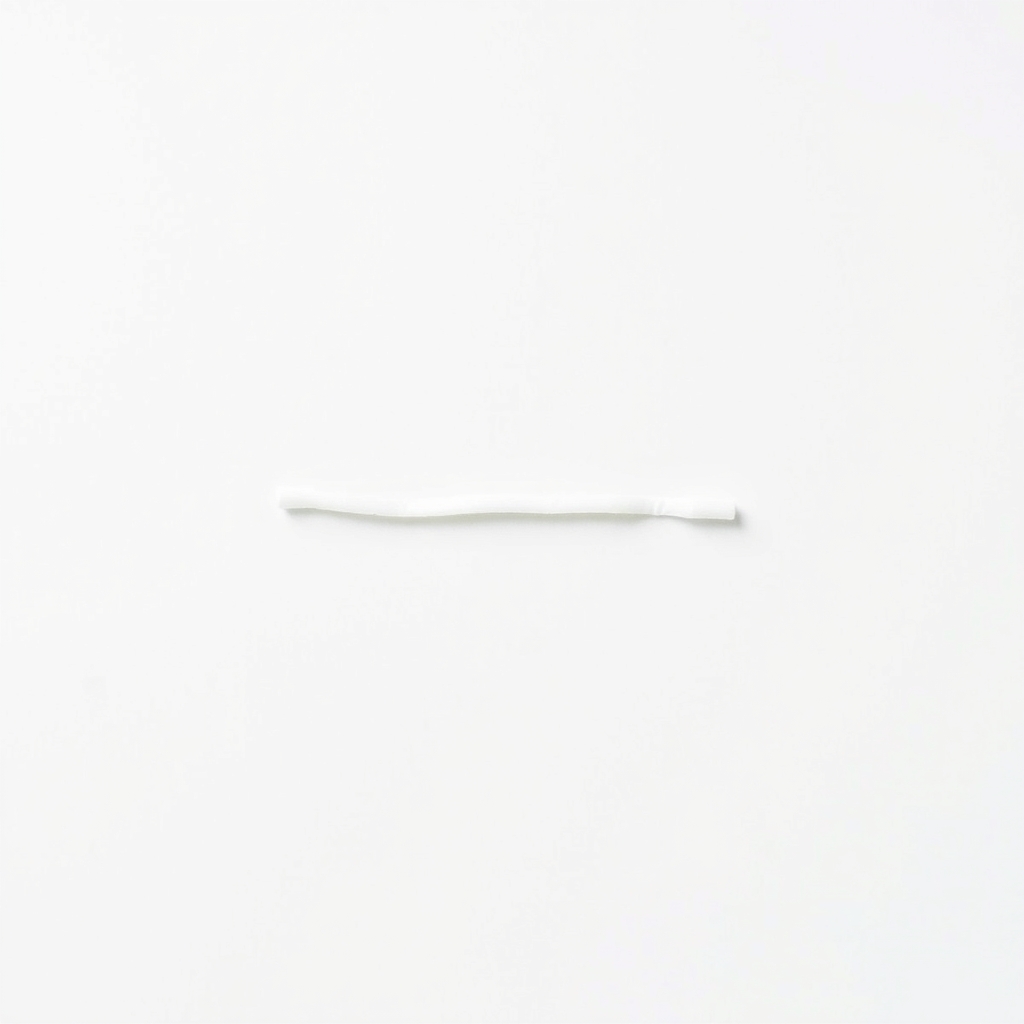
Barbed plastic drain strip
Pulls hair from the pipe without scratching it
- Our pick Illustration
Tub drain hair catcher
Check your stopper type first; see the section below
Why it happens
Wet undercoat coming out in clumps
Warm water and rubbing loosen a dog's undercoat all at once. A big or double-coated dog can lose a handful of hair in one bath, and it all heads straight for the drain.
Short, stiff hairs that snag
Dog hair is coarser than most human hair. It catches on rough spots in the pipe, then new hairs weave in and build a mat.
Soap scum acting as glue
Dog shampoo and body soap leave a film on the pipe walls. Hair sticks to it, and the plug gets denser with every bath.
A drain with nothing to stop the hair
Most tub drains have wide openings or a bare stopper. Nothing filters the water, so every hair that gets wet goes down.
Try this first (free)
Do these in order, starting with the simplest.
-
Brush the dog before the bath
Tool used: Dog brush or deshedding toolSpend five to ten minutes with a slicker brush or deshedding tool. Do it outside or over an old towel. Every hair you brush out is one that never reaches the drain.
-
Pull out the hair you can see
Tool used: Rubber glovesWear gloves, lift out the stopper or strainer and pull out the clump sitting on top. Many stoppers unscrew or lift off by hand.
-
Run a barbed strip down the drain
Tool used: Barbed plastic drain stripPush the strip all the way in, twist it and pull it out slowly. Hair comes up on the barbs. Repeat until it comes up clean.
IllustrationCheck price on AmazonTool for this step
Barbed plastic drain strip · Pulls hair from the pipe without scratching it
-
Flush with hot tap water
Run hot tap water for a minute or two to wash the loosened soap film down. Do not pour boiling water, which can soften plastic pipe joints.
-
Fit a catcher and empty it after every bath
Tool used: Tub drain hair catcherLift it out, drop the hair in the trash, not the toilet, and rinse it. Check it halfway through a bath with a big dog.
IllustrationCheck price on AmazonTool for this step
Tub drain hair catcher · Check your stopper type first; see the section below
When free fixes aren't enough
Brushing and a drain strip clear today's clog, but a dog that goes in the tub every week rebuilds it, because the open drain catches every wet hair. If you are clearing the same drain every month or two, the catcher is the lasting fix: it keeps the hair out of the pipe so there is nothing to clog. If the strip comes up clean but the tub is still slow, the clog is deeper, and a hand-crank auger or a plumber is next. If the sink and toilet are slow too, or you smell sewage, the problem is the main line. Call a plumber.
Buy the fix
Still stuck after the free fixes? These are the products we would look at.
| Pick | Product | Fixes | Who it's for | Buy |
|---|---|---|---|---|
| Best pick | Tub drain hair catcher | hair reaching the pipe at the tub, the cause of most pet-hair clogs | Any household that bathes a dog in the tub, especially a long-coated, double-coated or heavy-shedding breed. | Check price |
| Budget pick | Barbed plastic drain cleaning strips | a hair clog you can reach by hand right now | Anyone with a slow tub today who wants to avoid chemicals. | Check price |
Tub drain hair catcher
Fixes: hair reaching the pipe at the tub, the cause of most pet-hair clogs
Look for: Made for your stopper type: pop-up, lift-and-turn, trip-lever or open drain; Water passes quickly even when coated in fur; Soft silicone or stainless mesh that wipes clean and will not rust; Easy to lift out without touching the hair.
- Who it's for
- Any household that bathes a dog in the tub, especially a long-coated, double-coated or heavy-shedding breed.
- Honest downside
- You cannot tell which stopper you have. Check the section below and measure the opening first.
Barbed plastic drain cleaning strips
Fixes: a hair clog you can reach by hand right now
Look for: Barbs on both edges; Thin and flexible enough for a tub drain opening; Long enough to pass the first bend.
- Who it's for
- Anyone with a slow tub today who wants to avoid chemicals.
- Honest downside
- The strip comes up clean and the tub is still slow, or other drains are slow too. The clog is deeper, so use an auger or call a plumber.
As an Amazon Associate I earn from qualifying purchases. We don't show prices because they change, so use the button to see today's price.
How we picked: How we picked: this page is based on drain-care and pet-grooming guides, product instructions from drain tool makers, and the problems and fixes pet owners report in reviews. We do not test products by hand.
Which tub drain do you have? The catcher has to match
- Push-pull or toe-touch stopper: unscrew the top, then fit a catcher made to sit over or in place of that stopper.
- Lift-and-turn stopper: unscrew the knob and use a drop-in catcher that fits the opening underneath.
- Trip-lever stopper: remove the plunger at the overflow plate, then use a basket-style catcher that sits in the drain.
- Plain strainer or grid: a flat silicone cover or a mesh basket usually fits. Measure the opening width before you buy.
Washing a big shedder without clogging the tub
Brush first, then wet the dog with a handheld sprayer so the water does not carry hair in all at once. Lift the catcher halfway through a big bath and empty it so water still drains. After the bath, rinse the tub walls toward the drain, and wipe leftover hair off the sides with a damp cloth before it dries.
What to skip
Chemical drain cleaners and hot-water-only fixes
Liquid cleaners often burn a channel through a hair mat and leave the rest, and the caustic water left in the tub is a splash risk for you and a paw risk for the dog. Hot water alone softens soap scum but does not move a tangled mass. Remove the hair mechanically instead.
Frequently asked questions
How do I stop dog hair from going down the drain?
Can I flush dog hair down the toilet?
Why does my drain clog right after I wash the dog?
Should I wash the dog somewhere else?
Related problems
As an Amazon Associate I earn from qualifying purchases. Affiliate disclosure