Cats Pooping in Your Yard? A Motion Sprinkler Sends Them Off
Cats choose loose soil and quiet corners. Clean up safely, make the spot unappealing, then use a motion-activated sprinkler to teach them to go elsewhere.
By Jamilur Rahman Updated November 5, 2026 · 6 min read
- Time
- 30 min
- Cost
- $20-$50
- Difficulty
- Easy
In this guide
Quick answer
Cats use loose, bare soil and quiet corners as a toilet, and a spot that already smells of cat gets reused. Clean it up safely with gloves, cover or firm the soil and stop food from drawing strays in. If they keep coming, a motion-activated sprinkler on your garden hose gives each visitor a harmless burst of water. Owners often report that cats stay away after a few bursts.
Free fix vs. permanent fix
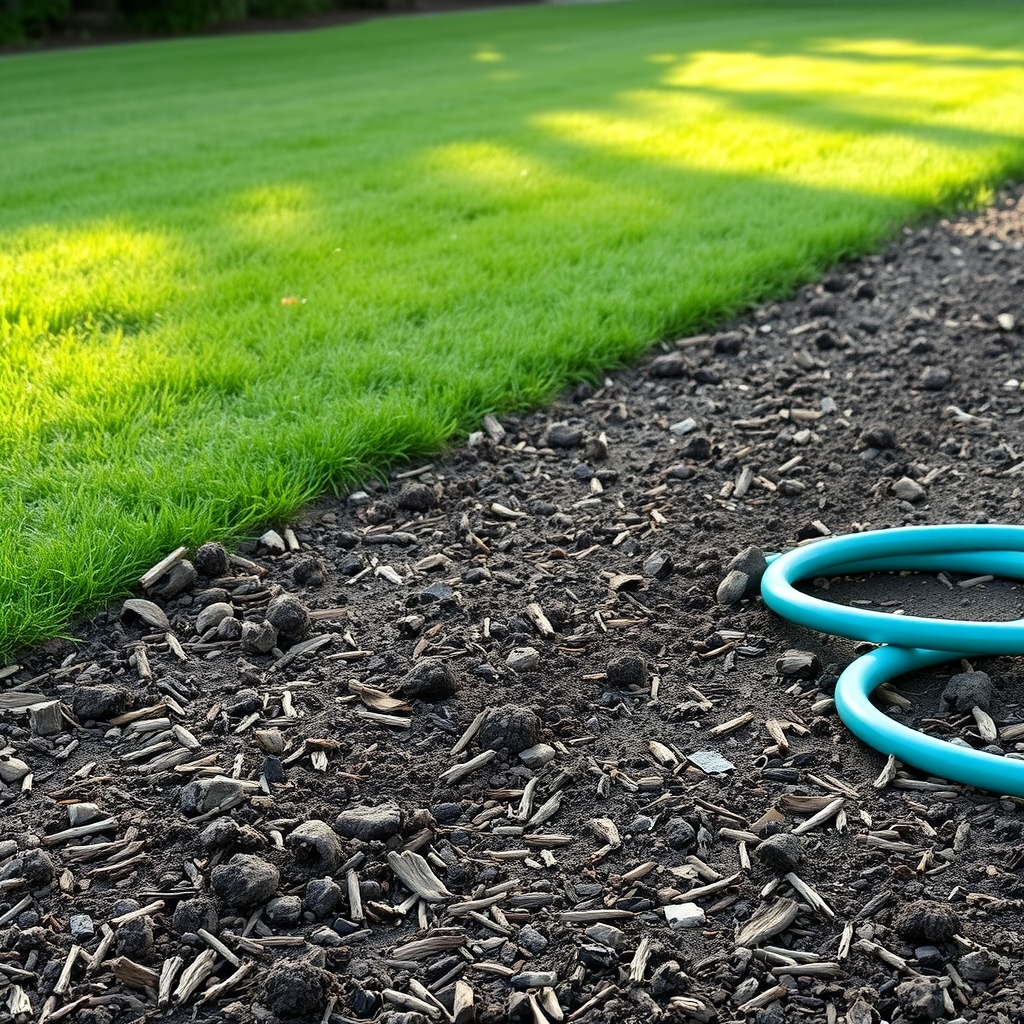
Clean up and make the soil unappealing
- Pick up the waste with gloves and a bag, then rinse the spot
- Cover bare soil with coarse mulch, pinecones or stones
- Stop leaving pet food, trash or spilled seed outside
- Never use mothballs, pepper or poison
How long it lasts: Days to weeks. It helps most with one cat and one spot, but a cat that visits every night keeps testing it.
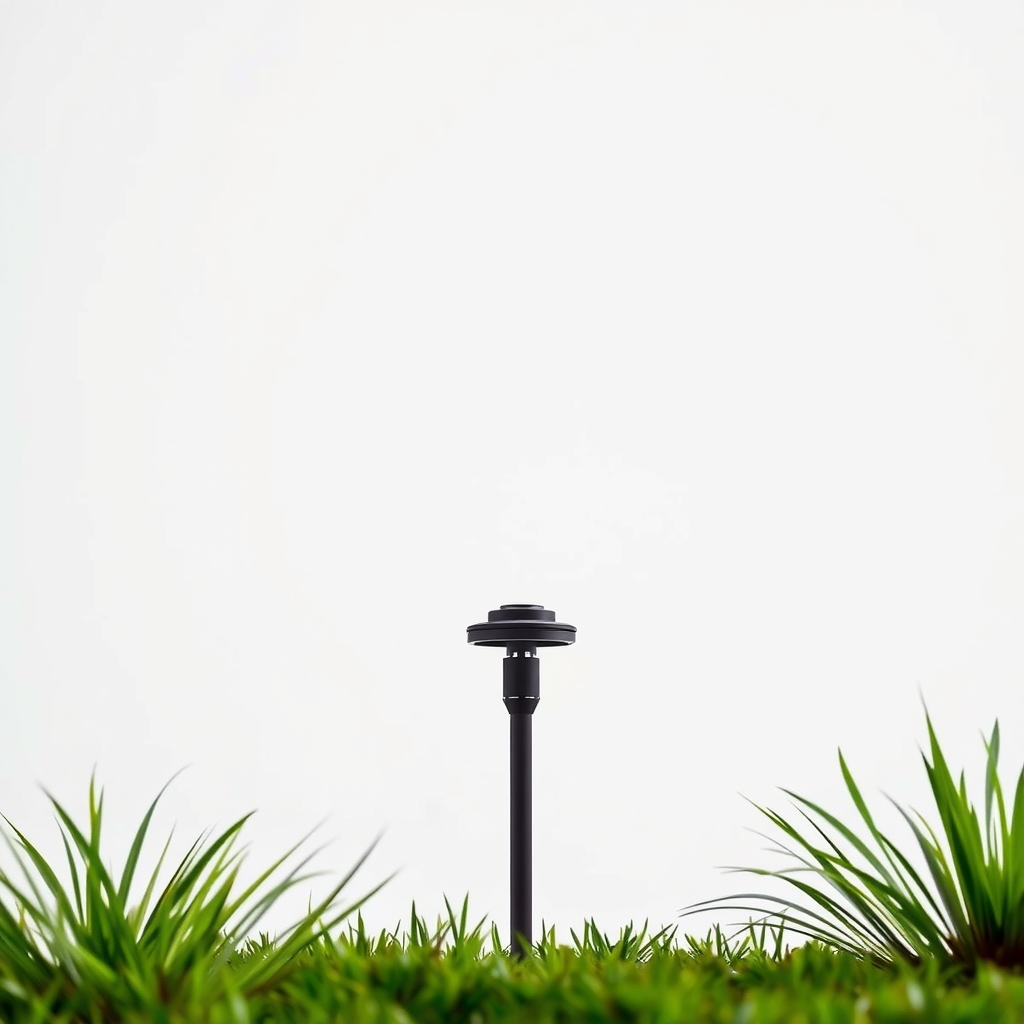
A motion-activated sprinkler
The free fix removes what attracted the cat today. The sprinkler works while you sleep and gives a startling but harmless spray when a cat walks into range. Over time the cat links your yard with a surprise and leaves it alone.
What to get: Motion-activated sprinkler for the garden
How long it lasts: As long as it stays connected. Many owners find a few weeks of use trains cats to avoid the area, and you can move it later.
As an Amazon Associate I earn from qualifying purchases.
What you'll need
-
Disposable gloves
Cat waste can carry parasites, so never touch it bare-handed
You have it -
Trowel and sealable bag
For lifting waste and a little soil under it
You have it -
Garden hose
Rinses the spot and feeds the sprinkler
You have it - Our pick Illustration
Motion-activated sprinkler
Connects to the hose and the outdoor tap
- Illustration
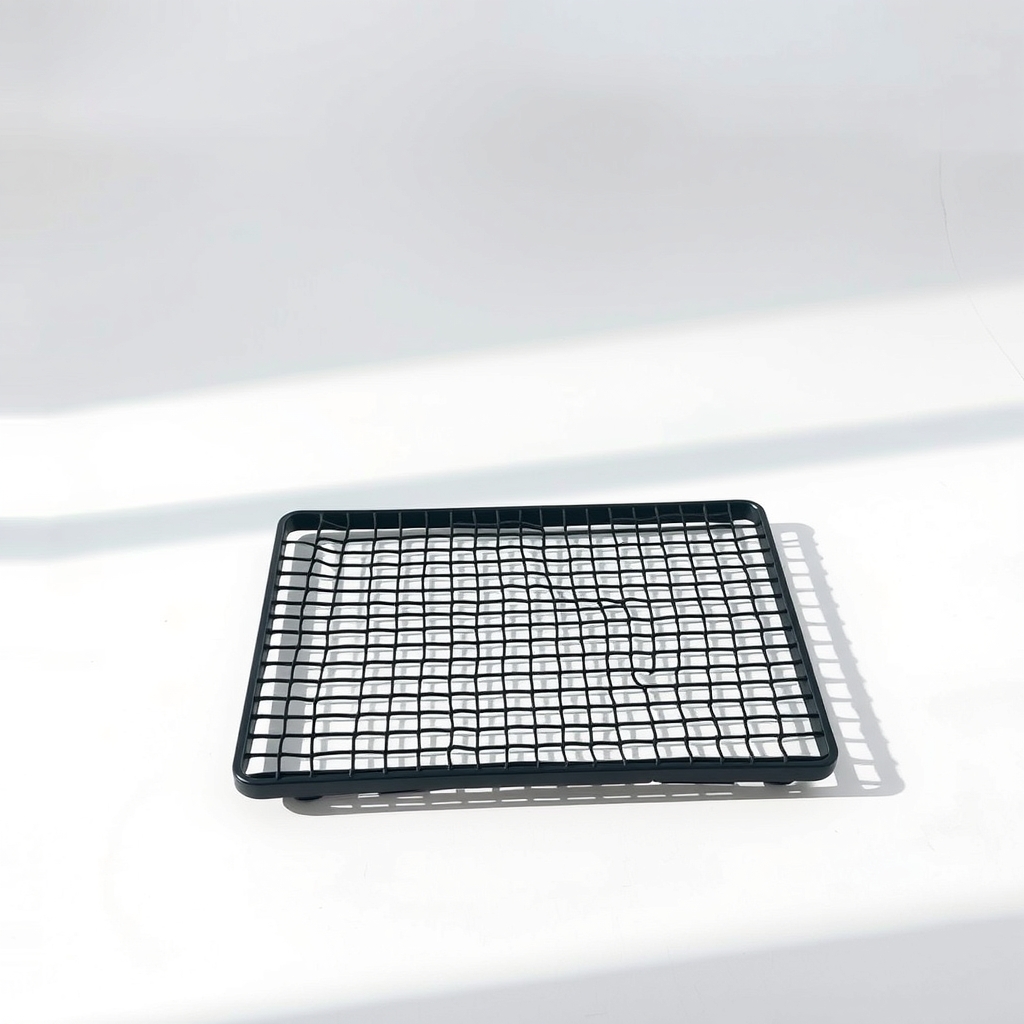
Cat-deterrent mat or plastic garden mesh
Covers a small bed that cats keep digging in
Why it happens
Loose, bare soil works like a litter box
Cats like to dig and cover, and soft garden soil, sand and fine mulch are just right. A freshly turned vegetable bed is an invitation.
A smell that marks the spot
If the waste is left, or lightly covered, the scent can draw the next cat to the same place.
Food or shelter nearby
Open pet-food bowls, spilled bird seed, unsecured trash and a sheltered corner under a deck all draw strays and feral cats.
A hidden, quiet corner
Cats pick places that feel safe: under shrubs, behind a shed and along a fence.
Try this first (free)
Do these in order, starting with the simplest.
-
Clean up safely
Tool used: Disposable glovesWear gloves, lift the waste with a trowel into a sealed bag and put it in the trash. Do not compost it. Wash your hands. Cat waste can carry parasites such as Toxoplasma, so pregnant people should leave this job to someone else.
-
Rinse the spot
Tool used: Garden hoseRinse with plenty of water, or use an enzyme cleaner, since leftover scent invites a repeat visit. Do not rinse toward vegetables, a pond or a drain.
-
Make bare soil unwelcoming
Cover it with coarse mulch, pinecones, large gravel or rocks. Or peg plastic mesh or chicken wire flat on the soil, with the cut edges folded under, and plant through the holes.
-
Cut off the draw
Feed outdoor pets inside, close the trash lids, sweep up spilled seed and block gaps under decks and sheds. If strays keep arriving, a local animal group may run a trap-neuter-return program.
-
Set up the motion sprinkler
Tool used: Motion-activated sprinklerScrew it onto the hose and aim it at the soft ground. Set the sensitivity low enough that wind and passers-by do not trigger it. Test it yourself, then leave it for several weeks and move it if cats change spots.
IllustrationCheck price on AmazonTool for this step
Motion-activated sprinkler · Connects to the hose and the outdoor tap
When free fixes aren't enough
Cleaning and covering the soil removes the temptation for one visit, but a cat that has found your yard will test the next soft spot. If the same cats return every few days, or you have a lot of open ground, you need something that works when you are not there. A motion sprinkler covers a wide area, uses no chemicals and does not hurt the cat. It needs a hose and an outdoor tap, must come in before freezing weather, and will also spray the mail carrier, so aim it carefully.
Buy the fix
Still stuck after the free fixes? These are the products we would look at.
| Pick | Product | Fixes | Who it's for | Buy |
|---|---|---|---|---|
| Best pick | Motion-activated sprinkler for the garden | cats using your yard as a toilet when you are not there | Anyone with repeat visitors, a larger yard or a vegetable bed, who wants the most hands-off step. | Check price |
| Budget pick | Cat-deterrent mat or plastic garden mesh | bare soil and flower beds that cats use as a toilet | People with small beds or pots and no hose nearby. | Check price |
Motion-activated sprinkler for the garden
Fixes: cats using your yard as a toilet when you are not there
Look for: A motion sensor with adjustable sensitivity and range, so it ignores wind and the sidewalk; Battery power and a standard garden hose connection; A day and night or night-only setting; A head and stake you can aim and fix firmly.
- Who it's for
- Anyone with repeat visitors, a larger yard or a vegetable bed, who wants the most hands-off step.
- Honest downside
- There is no outdoor tap nearby, or the spray range reaches a path your neighbors use. Bring it indoors in freezing weather.
Cat-deterrent mat or plastic garden mesh
Fixes: bare soil and flower beds that cats use as a toilet
Look for: Blunt, rounded points or a mesh cats dislike but that does not injure them; A cuttable shape that fits the bed; Weatherproof plastic with stake holes.
- Who it's for
- People with small beds or pots and no hose nearby.
- Honest downside
- Dogs, young children or wildlife could snag on it, or the area to protect is a large lawn.
As an Amazon Associate I earn from qualifying purchases. We don't show prices because they change, so use the button to see today's price.
How we picked: How we picked: this page is based on public-health guidance on handling cat waste, wildlife and animal-control advice on humane deterrents, and what owners report in reviews of motion-activated sprinklers. We do not test products by hand.
Where to put the sprinkler
Aim it at the soft ground you want to protect, at about the height of a cat walking in. Start where the waste appears. Keep the range off the sidewalk and your neighbor's yard, and push the stake in firmly so wind does not knock it over.
How long to leave it in place
Leave it at least a few weeks, and move it when the cats change spots. If they return after you remove it, set it up again. A sprinkler works by habit, so a pause can undo the lesson.
What to skip
Mothballs, pepper and ultrasonic gadgets
Mothballs are toxic to pets, children and wildlife, and their labels do not allow this use. Hot pepper can burn a cat's eyes and paws. Ultrasonic repellers get mixed reviews, and owners report that cats get used to them.
Frequently asked questions
Does a motion sprinkler hurt cats?
Will a sprinkler waste a lot of water?
What plants keep cats away?
Is cat poop in the garden dangerous?
As an Amazon Associate I earn from qualifying purchases. Affiliate disclosure