Pet Hair in the Laundry: The Dryer Step Most People Skip
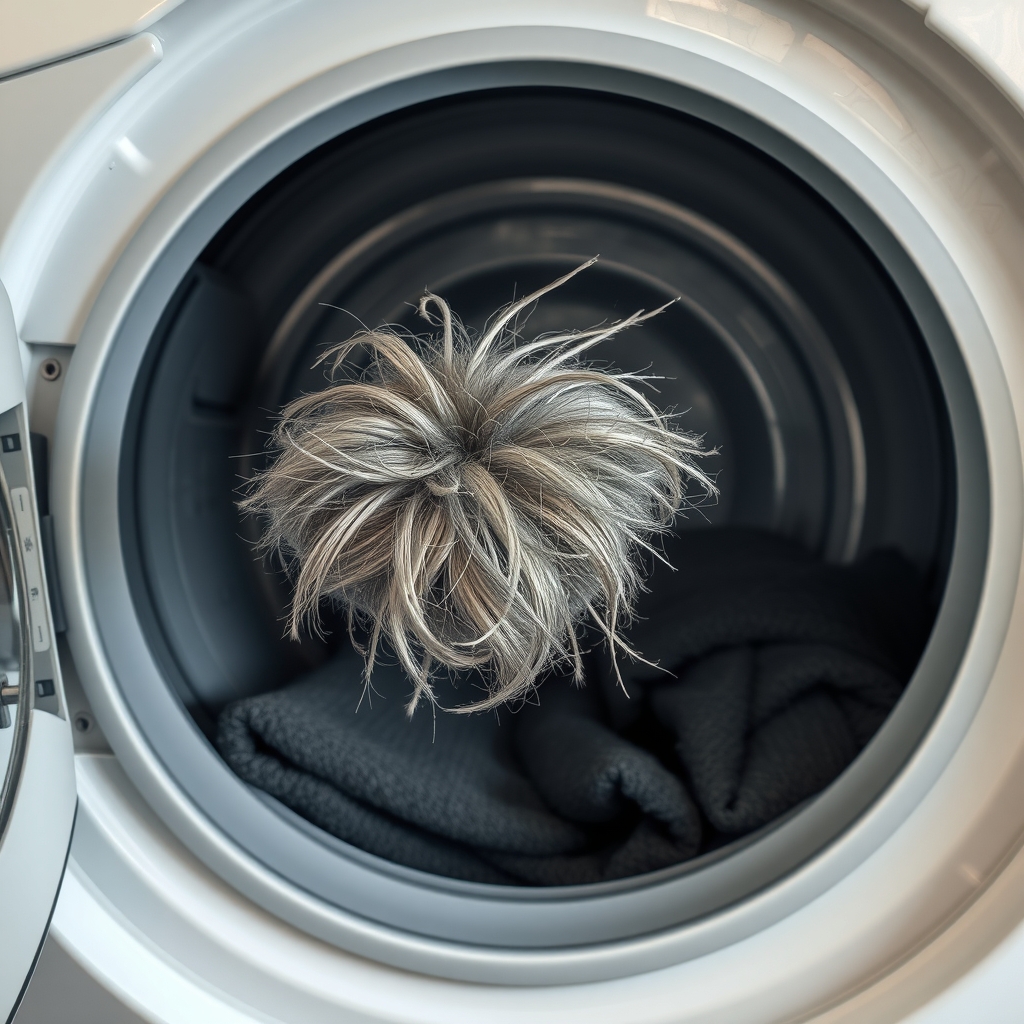
Washing alone pushes pet hair deeper into fabric. Tumble first, clean the lint trap and add a hair catcher so the hair ends up in the trash.
By Jamilur Rahman Updated November 5, 2026 · 7 min read
- Time
- 15 min
- Cost
- Under $20
- Difficulty
- Easy
In this guide
Quick answer
To get rid of pet hair in laundry, run the clothes in the dryer on no heat or low heat for 10 minutes before washing, then clean the lint trap. That loosens hair so the dryer traps it instead of the wash working it into the fabric. A reusable pet hair catcher in the washer and dryer picks up more of what is left.
Free fix vs. permanent fix
Tumble first, then wash
- Tumble dry the items on no heat for 10 minutes before washing
- Empty the lint trap, then wash
- Wipe the drum, rubber seal and pump filter after each pet load
- Wash pet bedding on its own, not with clothes
How long it lasts: As long as you keep doing it. It works every load but adds a step.
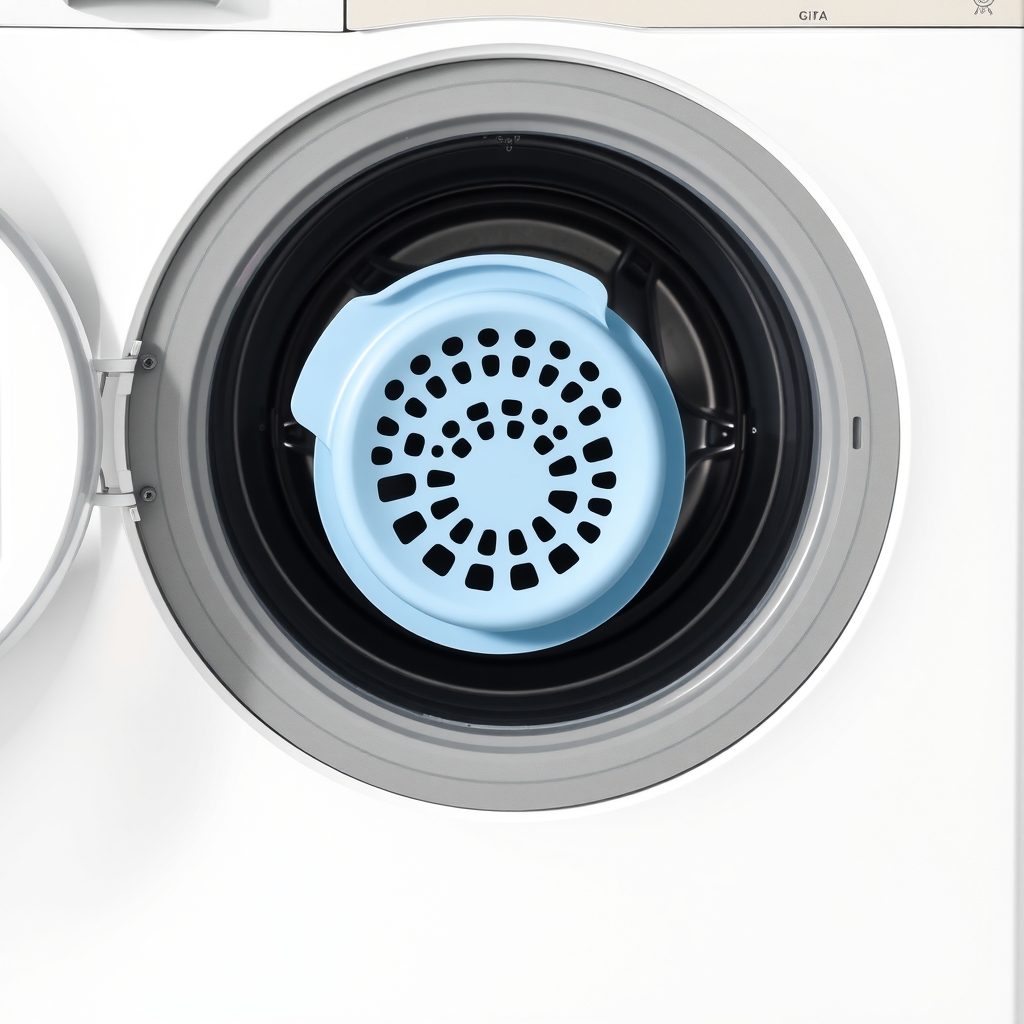
A reusable pet hair catcher for the washer and dryer
The tumble step moves the hair around. A catcher in the drum gathers it into one clump, so less lands back on your clothes and less ends up in your drain. It makes the routine easier to keep up.
What to get: Reusable pet hair catcher for washing machine and dryer
How long it lasts: Years. You toss it in with each load and clean it out after.
As an Amazon Associate I earn from qualifying purchases.
What you'll need
-
Dryer lint trap
Empty it before and after every load
You have it -
Damp cloth or rubber glove
Wipe hair from the drum and the rubber seal
You have it - Illustration
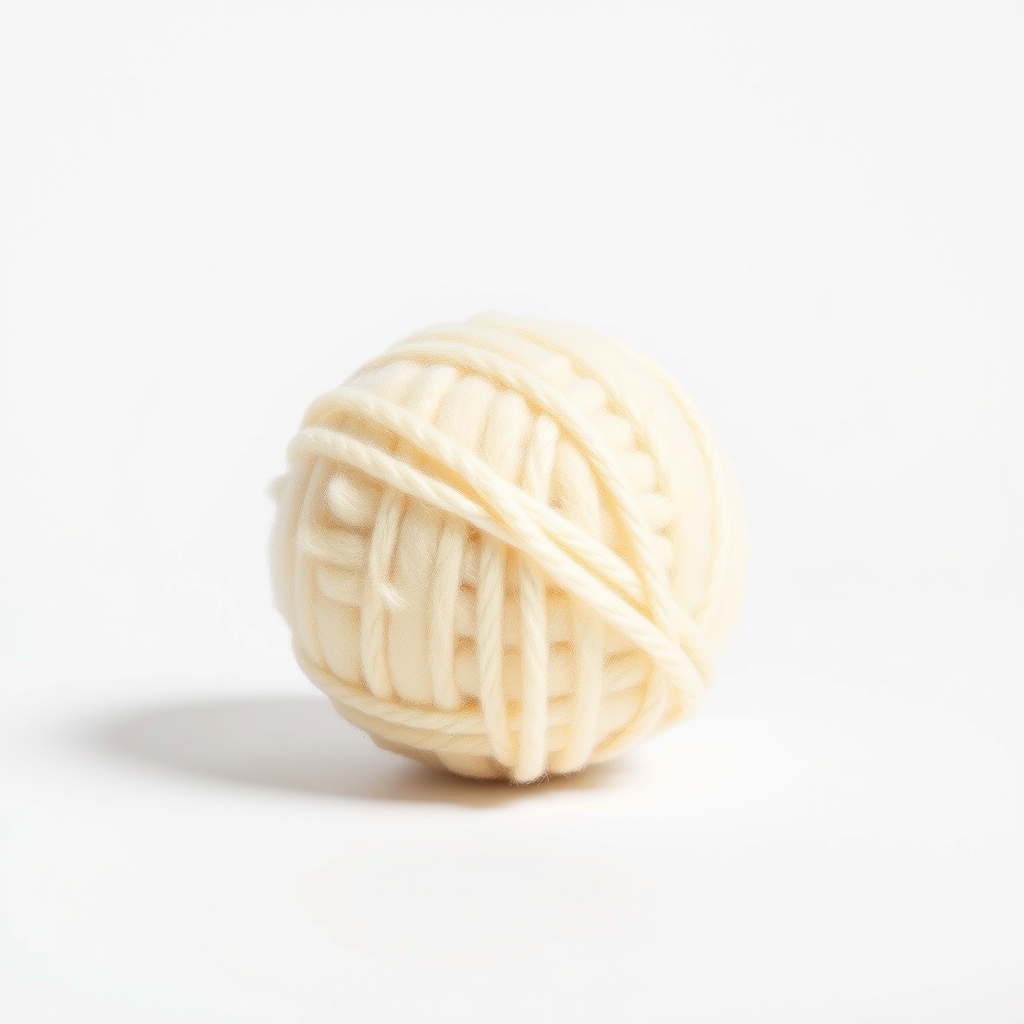
Wool or rubber dryer balls
Help loosen hair and cut static
- Our pick Illustration
Reusable pet hair catcher
A rubber or fin-style piece that goes in the washer and dryer
- Illustration
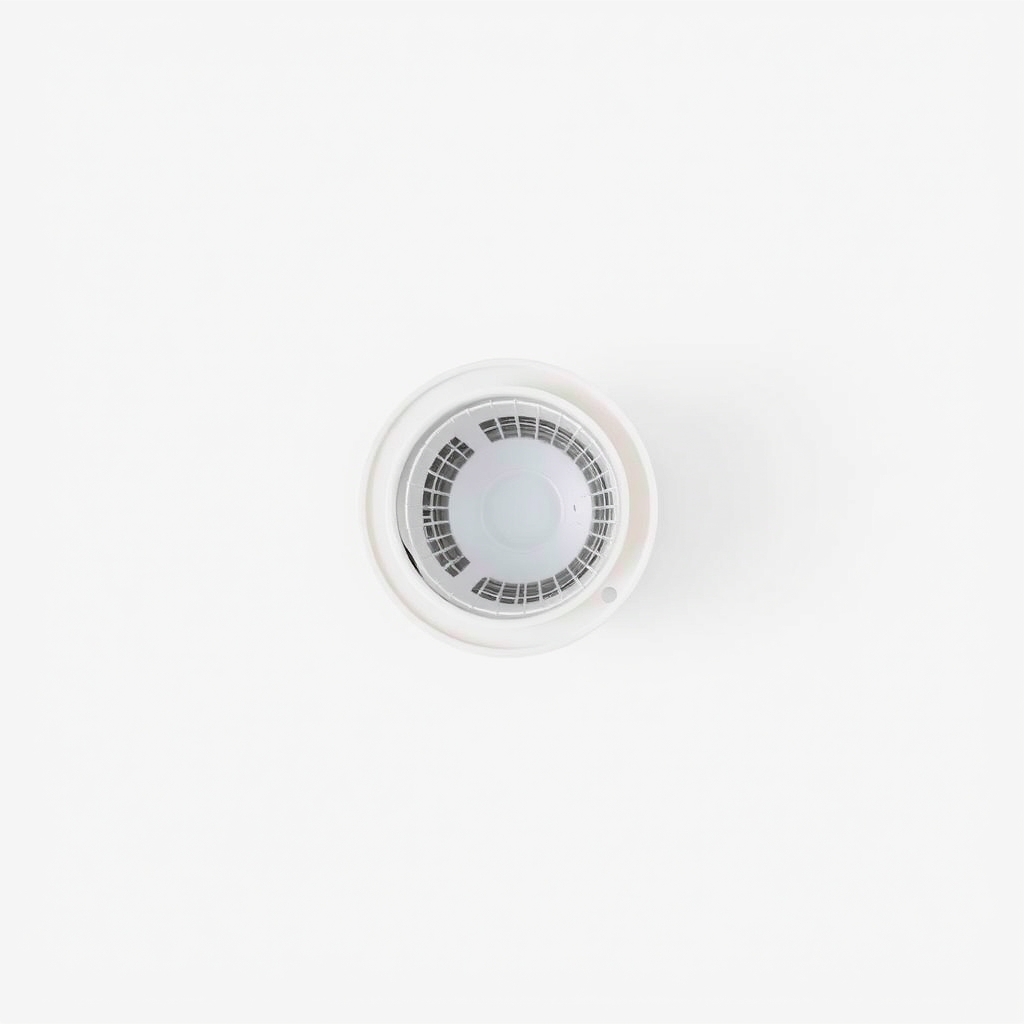
Washer drain hose lint filter
A mesh bag that catches hair in the drain water, only where the hose allows it
Why it happens
Hair works into the fabric in the wash
Water and agitation push fine hair into fleece, flannel and knits. When the load dries, the hair is stuck in the weave.
Static in the dryer
Synthetic fabrics build static in a tumbling dryer. That charge holds hair to the clothes instead of letting the lint trap catch it.
A full lint trap or drum
A lint trap that is already packed cannot catch more hair, and an overloaded drum does not let clothes tumble freely.
Too much hair going in
Wet, hairy bedding or a coat covered in fur adds far more than a normal load. Shake or vacuum it first.
Try this first (free)
Do these in order, starting with the simplest.
-
Shake or brush off the worst of it
Tool used: Damp cloth or rubber gloveTake items outside and shake them hard. A damp rubber glove run over a blanket or jacket pulls off most of the loose hair before it goes in the machine.
-
Tumble dry on no heat first
Tool used: Wool or rubber dryer ballsRun the clothes in the dryer on air-only or low heat for about 10 minutes. Add a few dryer balls if you have them. The tumbling loosens hair and the airflow carries it to the lint trap.
IllustrationCheck price on AmazonTool for this step
Wool or rubber dryer balls · Help loosen hair and cut static
-
Clean the lint trap, then wash
Tool used: Dryer lint trapEmpty the trap before you wash and again after every load. A clogged trap catches nothing and is a fire risk. Then wash the load as normal.
-
Add a pet hair catcher to the wash and dryer
Tool used: Reusable pet hair catcherToss a reusable pet hair catcher in with the load. It gathers loose hair as the drum turns. Clean it out after each cycle.
IllustrationCheck price on AmazonTool for this step
Reusable pet hair catcher · A rubber or fin-style piece that goes in the washer and dryer
-
Wipe the drum and seal after each pet load
Tool used: Damp cloth or rubber gloveWipe the washer drum, the rubber door seal and the dryer drum with a damp cloth. Check your washer's drain pump filter every few weeks, since hair can build up there.
When free fixes aren't enough
The tumble step alone solves most hair problems, but it adds time to every load. If you wash pet bedding, towels or a coat every week, the routine gets old and hair still ends up in the wash. A reusable catcher takes some of that work away, and owners report it gathers a clump of hair each load. It will not catch everything, so keep the lint trap clean. If hair keeps clogging the washer's drain, fix that at the pump filter and ask a technician about it. Never run a dryer with a full lint trap or a blocked vent.
Buy the fix
Still stuck after the free fixes? These are the products we would look at.
| Pick | Product | Fixes | Who it's for | Buy |
|---|---|---|---|---|
| Best pick | Reusable pet hair catcher for washing machine and dryer | loose hair circling in the drum and landing back on clothes | People who wash pet bedding, towels or fur-covered clothes every week. | Check price |
| Budget pick | Wool or rubber dryer balls | static and hair clinging to clothes in the dryer | Anyone who wants a cheap way to loosen hair and cut static. | Check price |
| Upgrade pick | Washer drain hose lint filter | hair going down the drain and clogging the pipe | People with a laundry sink or standpipe who wash pet items often. | Check price |
Reusable pet hair catcher for washing machine and dryer
Fixes: loose hair circling in the drum and landing back on clothes
Look for: Safe in both the washer and the dryer; A shape with fins, rubber or mesh that grabs loose hair; Easy to empty and rinse; A size that does not crowd the drum.
- Who it's for
- People who wash pet bedding, towels or fur-covered clothes every week.
- Honest downside
- You rarely wash pet items. The tumble step and a clean lint trap may be enough.
Wool or rubber dryer balls
Fixes: static and hair clinging to clothes in the dryer
Look for: Wool or rubber, a set of at least three; No added scent; A size that fits the drum.
- Who it's for
- Anyone who wants a cheap way to loosen hair and cut static.
- Honest downside
- You need a catcher that gathers hair. Balls loosen it, but do not collect it.
Washer drain hose lint filter
Fixes: hair going down the drain and clogging the pipe
Look for: A fit for your drain hose size; Fine mesh that is easy to empty; Straps or clamps that hold it in place.
- Who it's for
- People with a laundry sink or standpipe who wash pet items often.
- Honest downside
- Your washer drains straight into a wall pipe. A filter can cause overflow in that setup, so check your manual.
As an Amazon Associate I earn from qualifying purchases. We don't show prices because they change, so use the button to see today's price.
How we picked: How we picked: this page is based on washer and dryer manuals, dryer-safety advice from fire safety groups, and the problems and fixes people report in reviews of pet hair catchers. We do not test products by hand.
Dryer safety when you wash pet items
Pet hair and lint are fuel. Clean the lint trap before and after every load, and have the vent pipe cleaned once a year. If dryer cycles take longer than they used to, or the outside of the dryer is hot, the vent may be blocked. Stop using it and have it checked.
Which loads need the most help
Fleece, flannel, wool and towels hold the most hair. Wash pet bedding and blankets separately from clothes, and never fill the drum more than about three-quarters full. Lighter loads tumble better and drop more hair.
What to skip
More detergent and extra rinses
More soap or extra rinse cycles do not lift hair out of fabric. Hair is a fiber, not dirt. Loosening it in the dryer first, then trapping it in the lint trap, does far more.
Frequently asked questions
How do I get rid of pet hair in the washing machine?
How do I get pet hair off clothes when washing?
How do I stop dog hair in the washing machine?
Why is dog hair not coming off in the wash or the dryer?
Related problems
 Free fix inside
Pets · Pet Hair
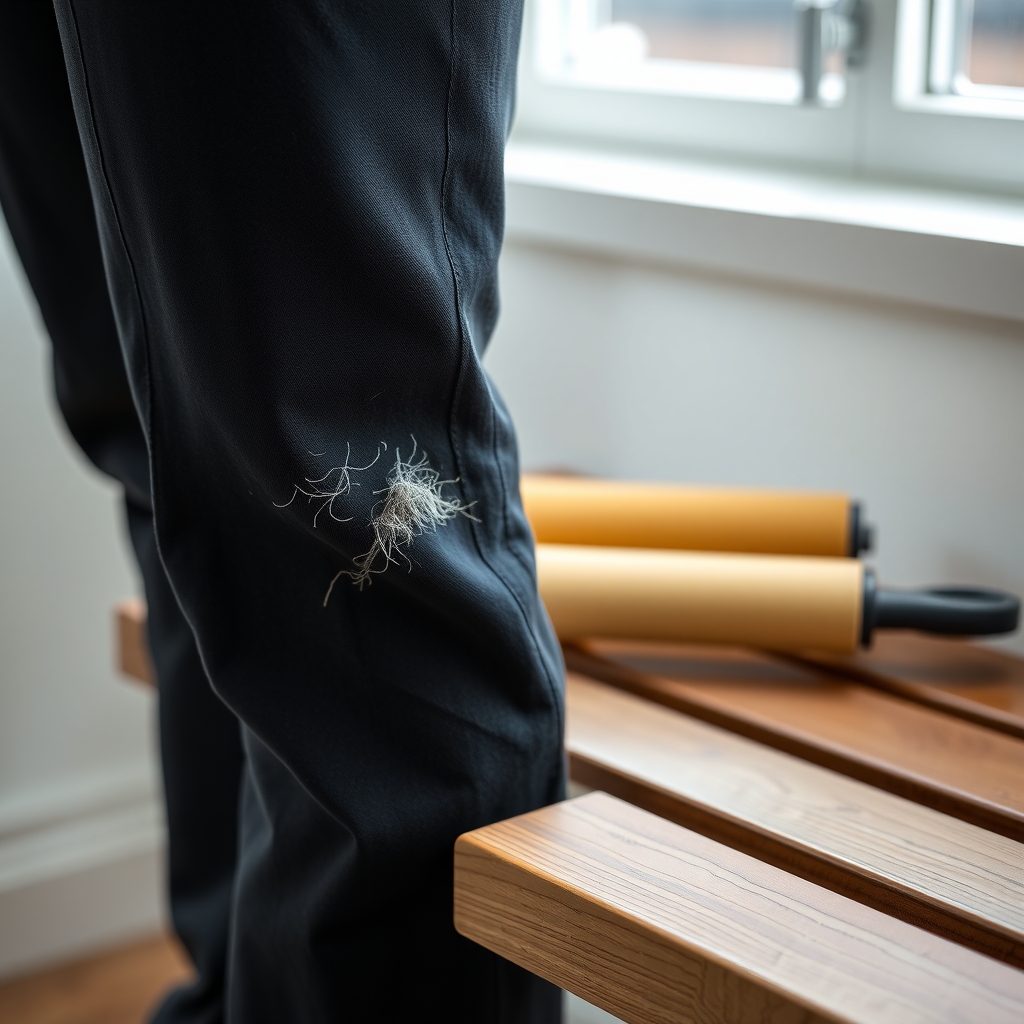
Pet Hair on Clothes? Fixes Ranked From Free to Cheap
Read the fix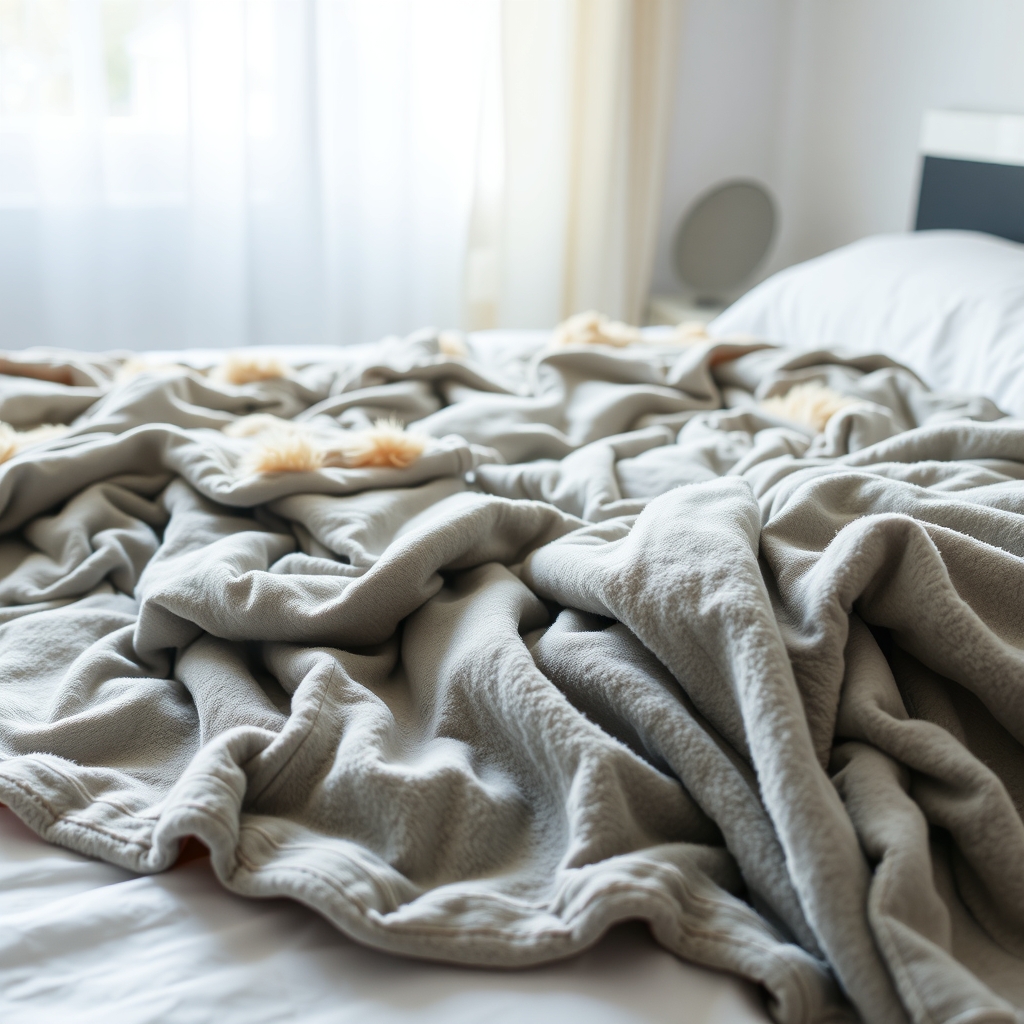 Free fix inside
Pets · Pet Hair
Pet Hair on Blankets and Bedding: Pull It Off Before the Wash
Read the fix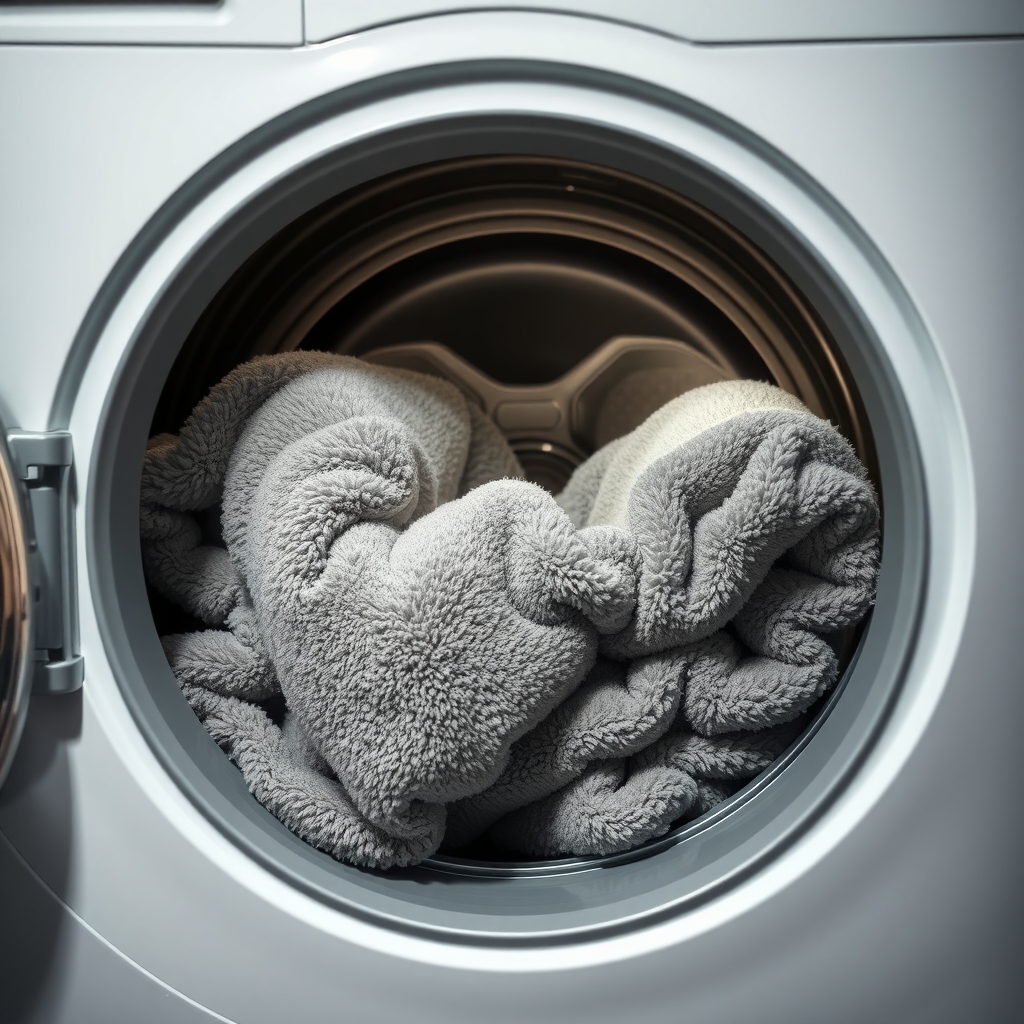 Free fix inside
Pets · Dog Smell
Dog Smell on Blankets? Skip the Perfume and Try a Better Wash
Read the fix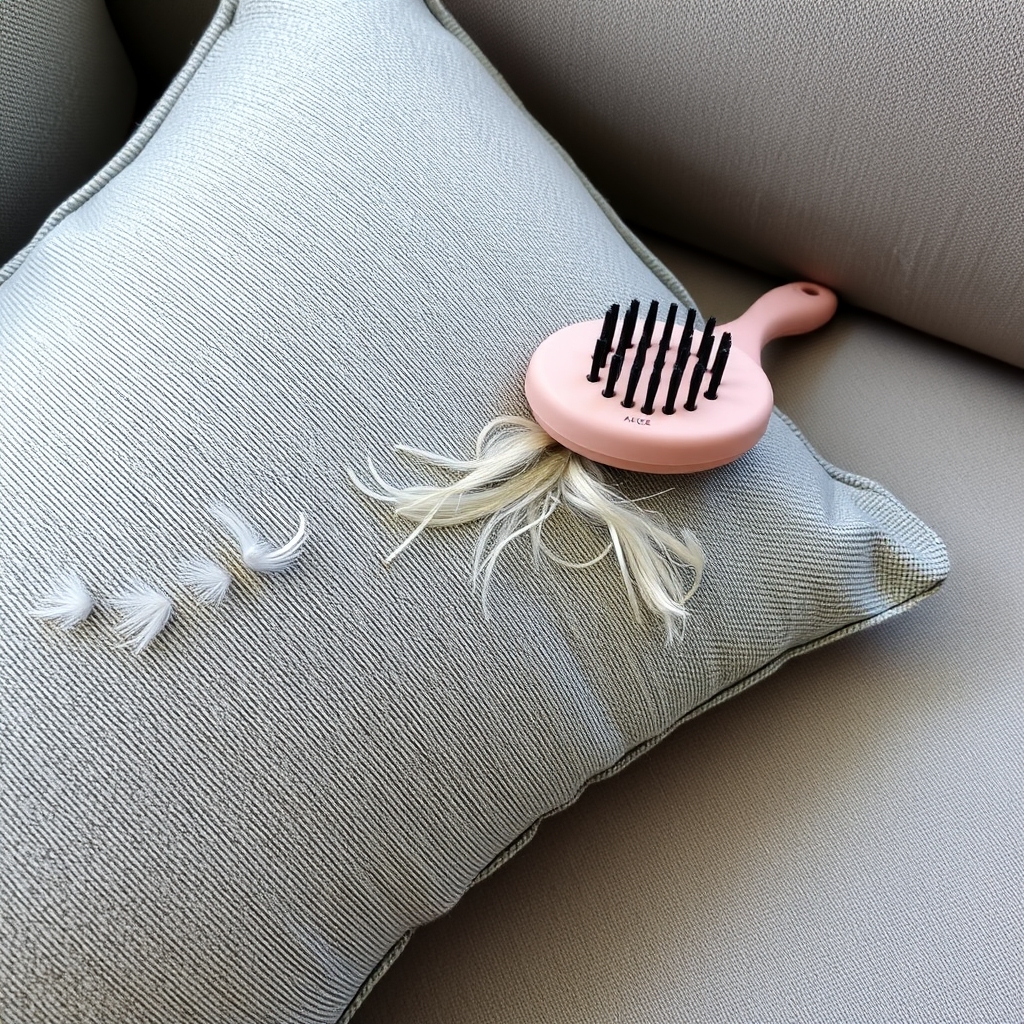 Free fix inside
Pets · Pet Hair
Pet Hair on the Couch? A Rubber Tool Beats a Lint Roller
Read the fixAs an Amazon Associate I earn from qualifying purchases. Affiliate disclosure