Fleas in the House? A 3-Week Plan That Breaks the Life Cycle
Adult fleas are a small part of the problem. Eggs, larvae and cocoons hide in carpet. Treat your pets and your home together for three weeks.
By Jamilur Rahman Updated November 5, 2026 · 6 min read
- Time
- 3 weeks
- Cost
- $50-$150
- Difficulty
- Medium
In this guide
Quick answer
Fleas keep coming back because the adults on your pet are only a small part of the problem. The rest are eggs, larvae and cocoons in carpet and bedding. Treat every pet with a vet-approved flea preventive, hot-wash and vacuum daily, then spray carpets and pet spots with a home flea spray that contains an insect growth regulator. Repeat as the label says for three weeks.
Free fix vs. permanent fix
Wash, vacuum and comb every day
- Hot-wash all bedding and pet blankets, then dry on high
- Vacuum carpets, rugs, sofa seams and baseboards every day
- Empty the vacuum into a sealed bag and take it outside
- Comb each pet daily and drop fleas into soapy water
How long it lasts: It cuts the adult fleas and some eggs, but cocoons stay protected in carpet and hatch for weeks, so fleas come back.
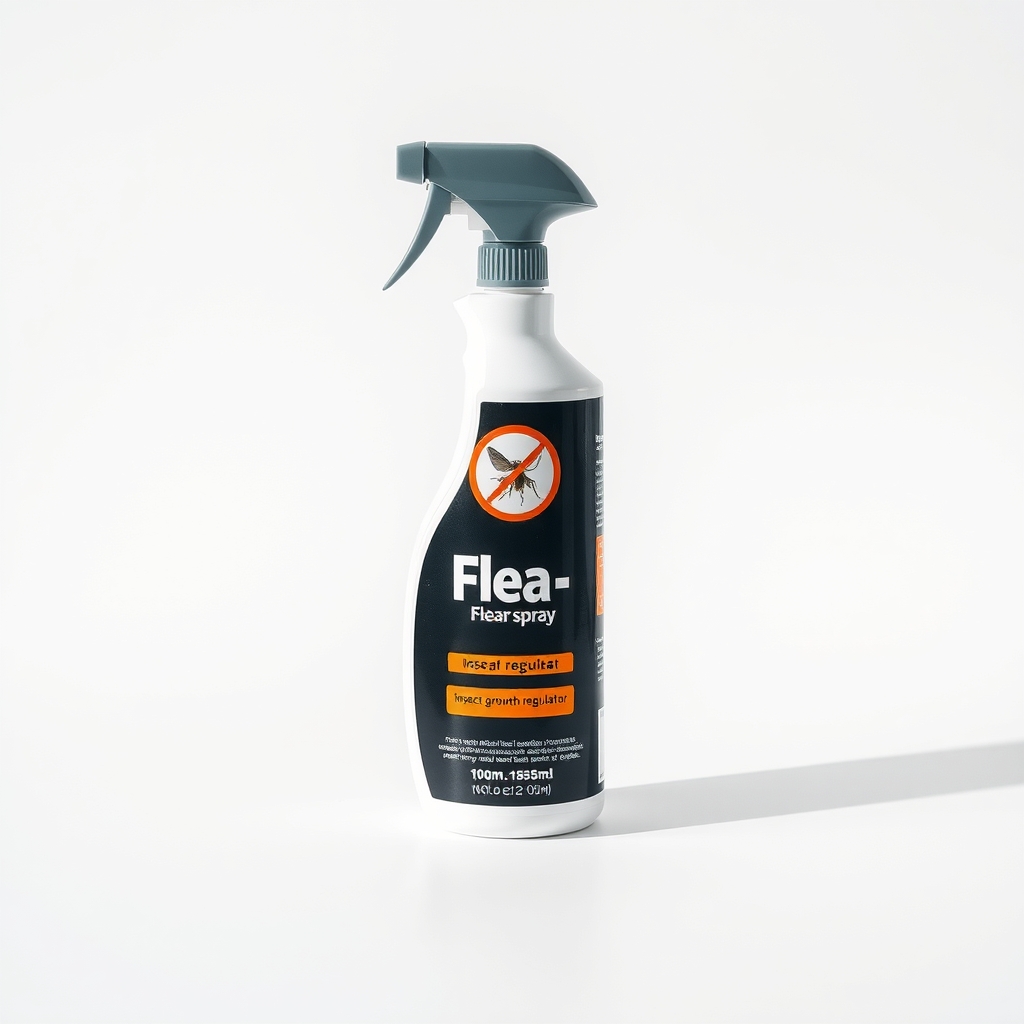
A home flea spray with an insect growth regulator
An insect growth regulator keeps eggs and larvae from growing into adults, so the carpet stops making new fleas. Vacuuming lifts some of them out, and the spray reaches the rest between cleanings. It works alongside the vet preventive on your pet, not instead of it.
What to get: Home flea spray with an insect growth regulator
How long it lasts: Weeks per treatment. With the repeat on the label, it covers the whole life cycle.
As an Amazon Associate I earn from qualifying purchases.
What you'll need
-
Washing machine and dryer
Hottest cycle the fabric label allows
You have it -
Vacuum with a hose attachment
The crevice tool reaches baseboards and sofa seams
You have it - Illustration
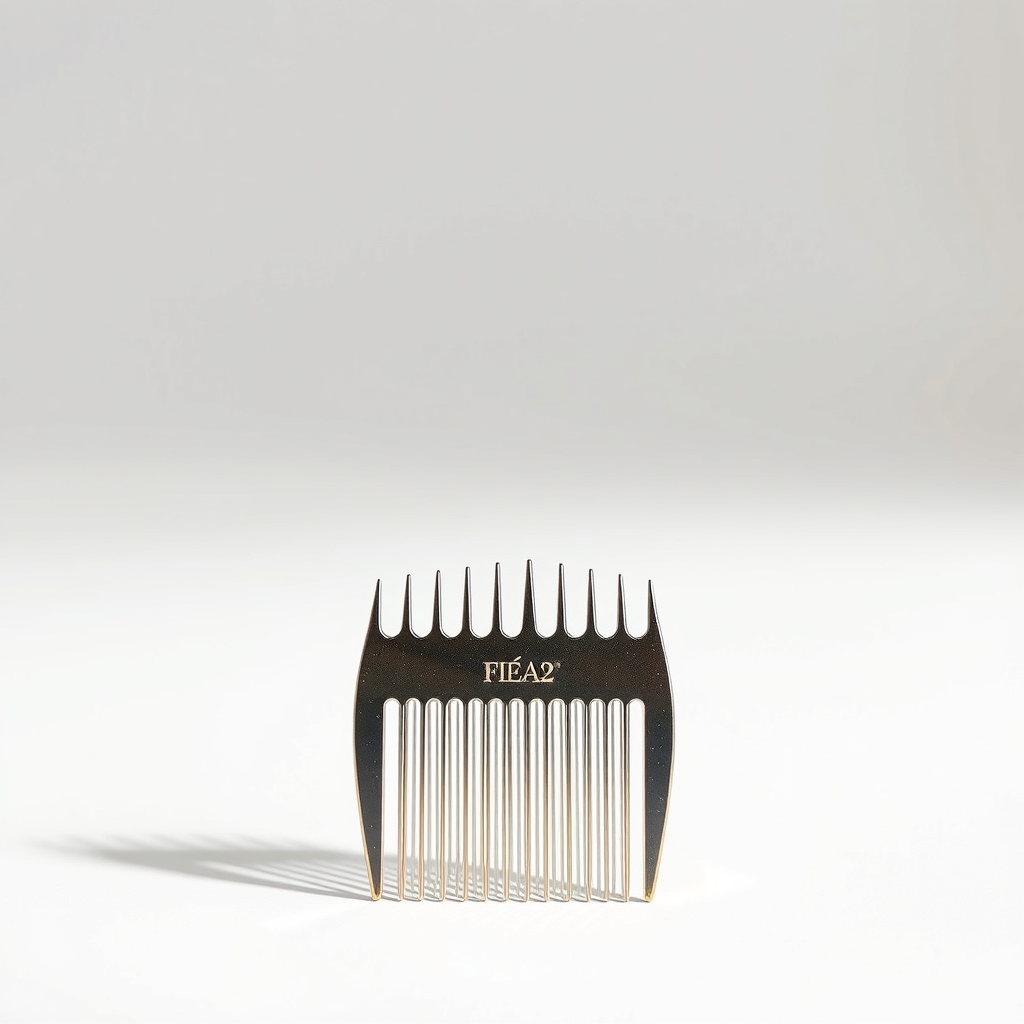
Flea comb
Fine teeth catch fleas and flea dirt; dip it in soapy water
- Our pick Illustration
Home flea spray with an insect growth regulator
For carpets, rugs, pet beds and under furniture
Why it happens
Cocoons that survive cleaning
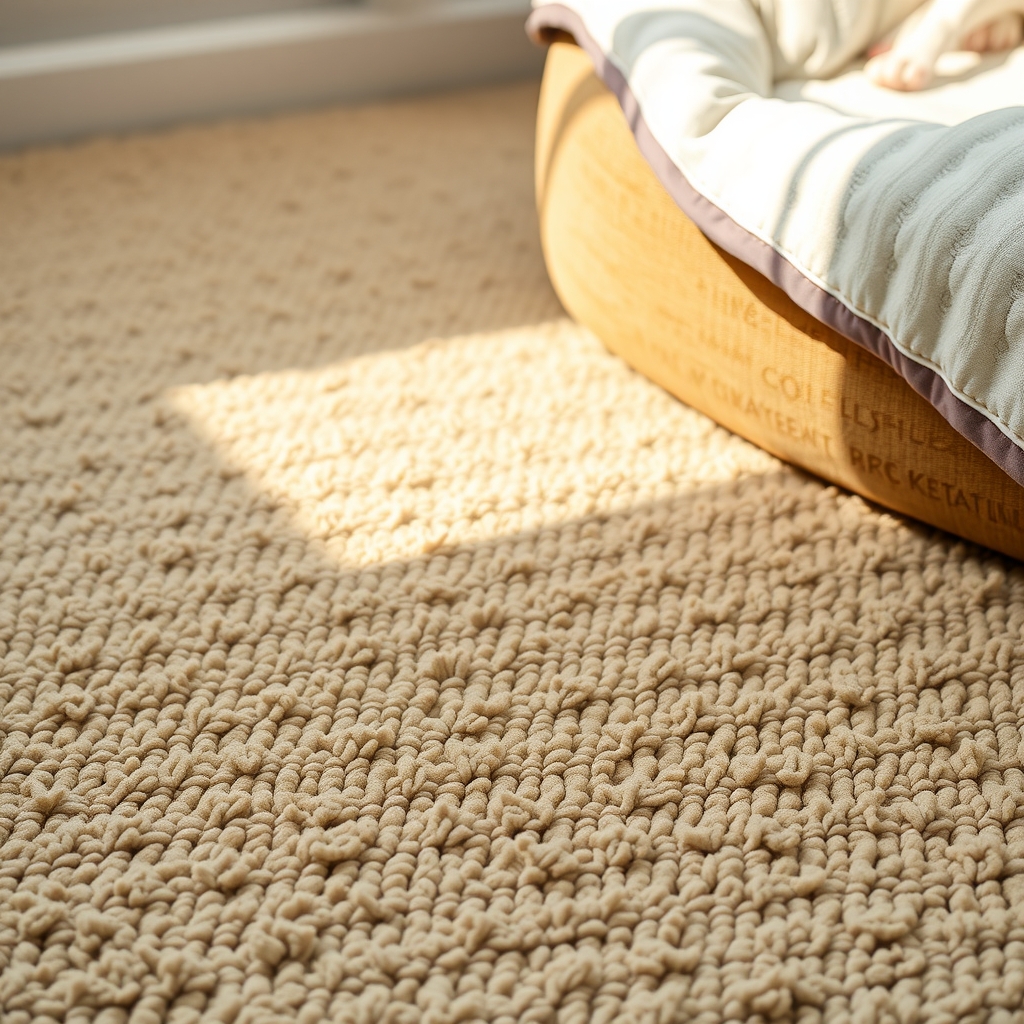
Flea pupae sit inside sticky cocoons that most sprays and vacuuming miss. They can wait for weeks, then hatch when they feel warmth and movement. That is why you see new fleas after you thought you had won.
Eggs and larvae in the places your pet rests
Adult fleas lay eggs on your pet, and the eggs fall off into carpet, bedding and floor cracks. Larvae hide deep in the fibers, away from light.
A pet with no preventive
Without a flea preventive on every pet, new adults jump on and start laying eggs again within a day or two.
Fleas arriving from outside
Wildlife, a neighbor's pet or a shady patch of yard can keep bringing fleas in. Even indoor-only pets can pick them up on your clothes.
Try this first (free)
Do these in order, starting with the simplest.
-
Day 1: Treat every pet first
Ask your vet for a flea preventive for each pet, matched to its species and weight. Never use a dog product on a cat, since some contain permethrin, which is toxic to cats. Pets that are not treated will keep restocking your home.
-
Day 1: Wash everything washable
Tool used: Washing machine and dryerRun pet beds, throws, bed linens and cushion covers on the hottest cycle the label allows, then dry them on high for at least 30 minutes. Heat kills fleas at every stage.
-
Day 1 onward: Vacuum slowly, every day
Tool used: Vacuum with a hose attachmentGo over carpets, rugs, sofa seams, baseboards and your pet's resting spots with slow passes. Empty the canister or bag into a sealed bag and take it outside right away.
-
Day 2: Spray carpets and pet areas
Tool used: Home flea spray with an insect growth regulatorAfter vacuuming, spray carpets, rugs, under furniture and around pet beds, following the label. Keep pets and children out until it dries. Cover any fish tank, switch off its air pump and open windows for airflow.
IllustrationCheck price on AmazonTool for this step
Home flea spray with an insect growth regulator · For carpets, rugs, pet beds and under furniture
-
Week 2: Repeat and comb
Tool used: Flea combRe-spray if the label says so, often around the two-week mark. Comb each pet daily and dunk the comb in soapy water. A few new fleas in week two are normal, because cocoons are still hatching.
IllustrationCheck price on AmazonTool for this step
Flea comb · Fine teeth catch fleas and flea dirt; dip it in soapy water
-
Week 3: Keep going and keep the preventive on
Keep vacuuming and keep the vet-approved preventive on every pet for at least three months. Check for fleas by pressing a white sock or paper plate in the carpet at night. When you see none for two weeks, drop to weekly vacuuming.
When free fixes aren't enough
Washing and vacuuming alone rarely finish the job, because cocoons are tough and eggs fall into places a vacuum misses. If you still find fleas after two weeks, or wake up with bites on your ankles, the home needs a spray with an insect growth regulator so no new adults can grow. The spray is not enough on its own either, since an untreated pet restocks the carpet. Call your vet if a puppy, kitten or older pet has pale gums or seems weak, because heavy infestations can cause blood loss. Call a pest pro if fleas are still there after six weeks.
Buy the fix
Still stuck after the free fixes? These are the products we would look at.
Home flea spray with an insect growth regulator
Fixes: eggs and larvae in carpet and bedding that keep restocking the house
Look for: An insect growth regulator such as pyriproxyfen or methoprene on the label; An adult flea killer as well, for fleas that have already hatched; Labeled for indoor use on carpet, rugs and upholstery; Clear directions on keeping pets off and when to repeat.
- Who it's for
- Anyone with fleas in the house who has already started a vet-approved treatment on every pet.
- Honest downside
- You have a fish tank, bird or reptile you cannot move or cover, or someone at home reacts to chemical sprays. Ask your vet or a pest pro first. Never spray it on your pet.
As an Amazon Associate I earn from qualifying purchases. We don't show prices because they change, so use the button to see today's price.
How we picked: How we picked: this page is based on veterinary flea-control guidance, pest-control extension guides, the directions on home flea sprays, and the problems owners report in reviews. We do not test products by hand.
Where fleas hide that people forget
- The sofa or chair where your pet sleeps
- Cracks along baseboards and under rugs
- The car seat and the cargo area
- Crate pads and pet carriers
- The dark gap under beds and couches
Treat each one as part of the plan, not only the carpet.
If fleas keep returning, check the yard
Shady, damp spots where pets rest outside can hold eggs and larvae. If your pets go out, treat those spots too, and keep up the preventive. See the related page on fleas in the yard.
What to skip
Bug bombs and salt-and-lemon hacks
Total-release foggers settle on open surfaces and do not reach under furniture or deep into carpet, where larvae hide. Home remedies such as salt or lemon spray do not break the life cycle either. They burn days and leave the cocoons alone.
Frequently asked questions
How long does it take to get rid of fleas in the house?
Why do I still see fleas after treating?
Can fleas live on people?
Is flea spray safe around pets and kids?
Related problems
As an Amazon Associate I earn from qualifying purchases. Affiliate disclosure