Dog Bowls Not Stainless Steel? Ceramic and Glass Options
Stainless is a fine bowl, but if it clangs, slides or you simply want something else, a heavy ceramic bowl is the easiest swap.
By Jamilur Rahman Updated November 5, 2026 · 6 min read
- Time
- 10 min
- Cost
- $20-$50
- Difficulty
- Easy
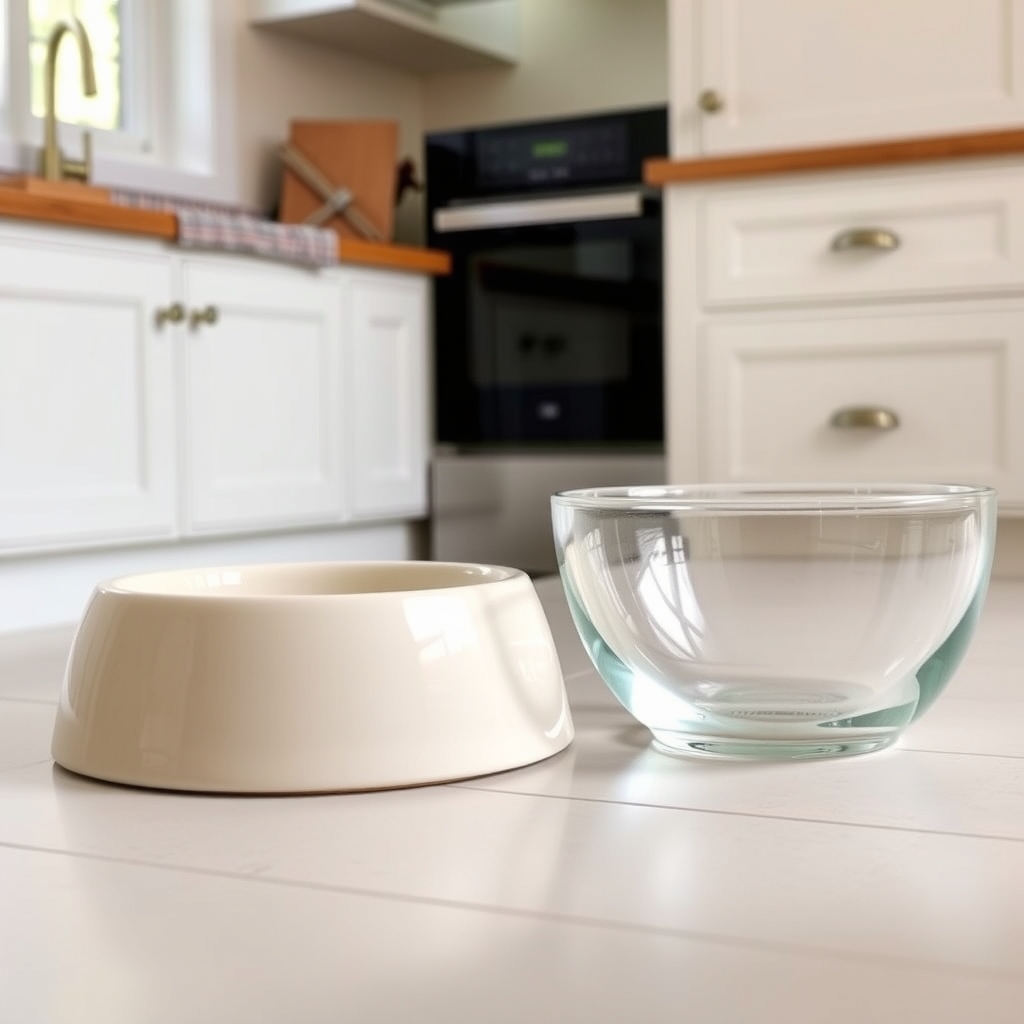
In this guide
Quick answer
If you want dog bowls not stainless steel, a heavy ceramic bowl is the best swap for most dogs. It is heavy enough not to tip, it does not clang, and a good one is dishwasher safe. Check that the glaze is lead-free and food safe, and retire any bowl that chips or cracks.
Free fix vs. permanent fix
Test a bowl from your own kitchen
- Use a heavy, plain ceramic bowl with no chips
- Wash it by hand or in the dishwasher after every meal
- Check the rim for chips and hairline cracks before each use
- See whether your dog is happy to eat from it
How long it lasts: A short trial. Kitchen bowls are often too small or shallow, and your dog may push them around.
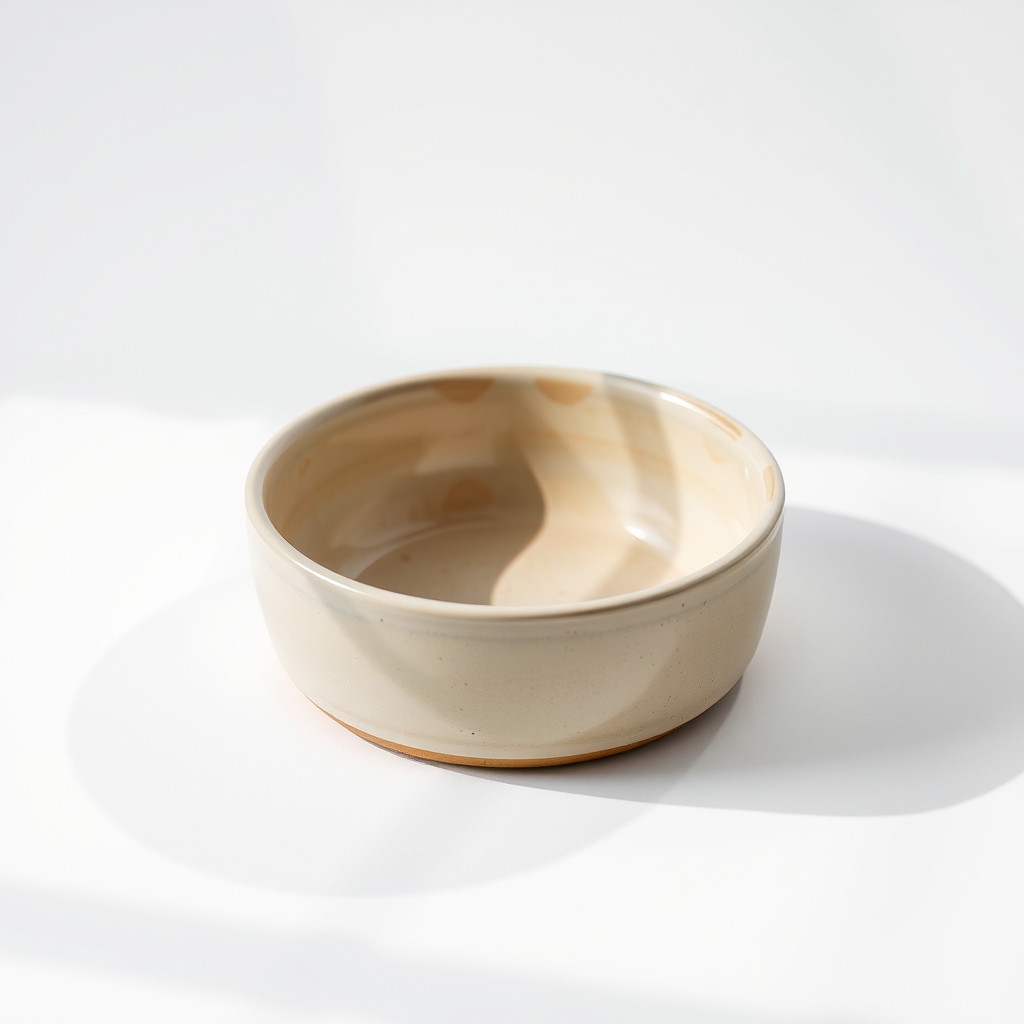
A heavy ceramic dog bowl with a lead-free glaze
A wide, heavy ceramic bowl stays put when your dog nudges it, and it does not rattle on the floor. The glazed surface wipes clean, and ceramic made for pets is food safe and dishwasher safe.
What to get: Heavy ceramic dog bowl
How long it lasts: Years, as long as you replace it the day it chips.
As an Amazon Associate I earn from qualifying purchases.
What you'll need
-
Kitchen ceramic bowl
For a trial run before you buy
You have it -
Dish soap and brush
Wash after every meal to stop slime building up
You have it - Our pick Illustration
Heavy ceramic dog bowl
Wide base, lead-free glaze, labeled food safe
- Illustration
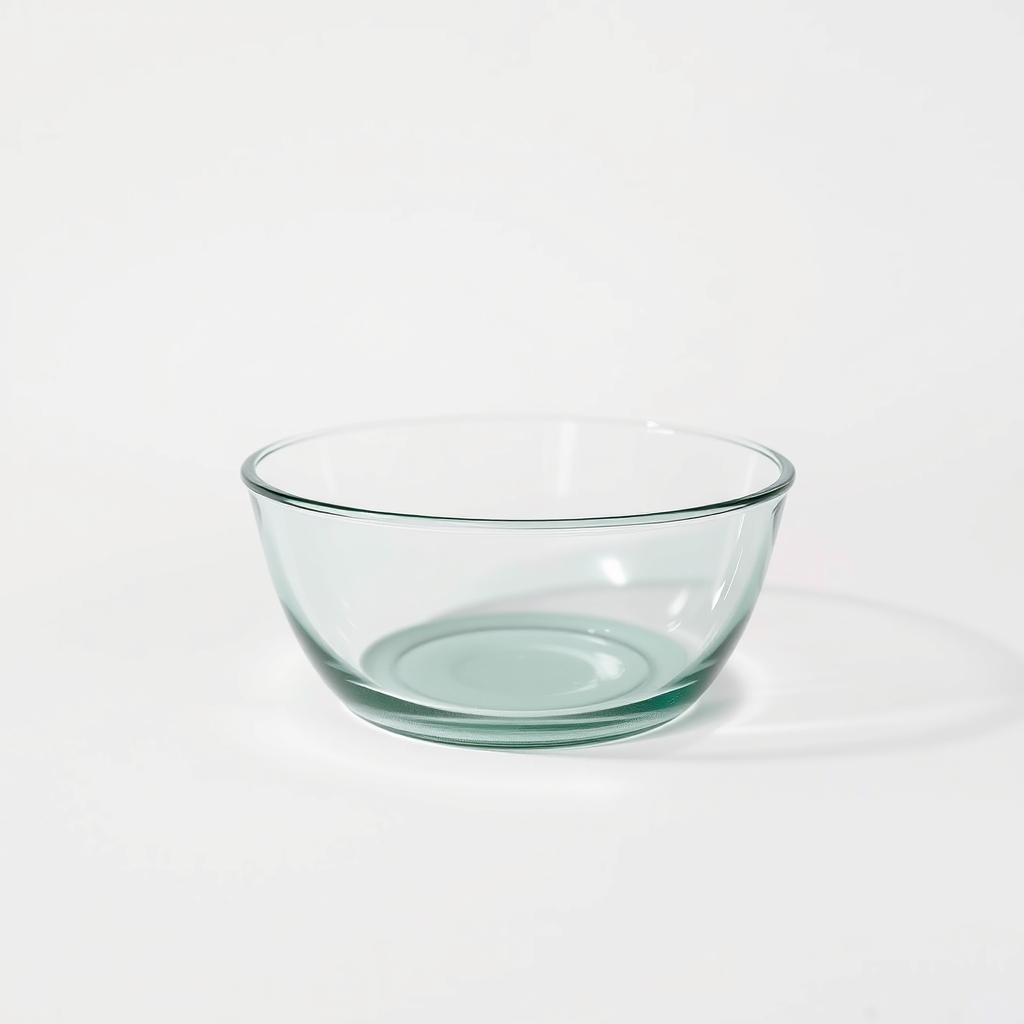
Tempered glass dog bowl
A glaze-free option for owners who prefer glass
- Illustration
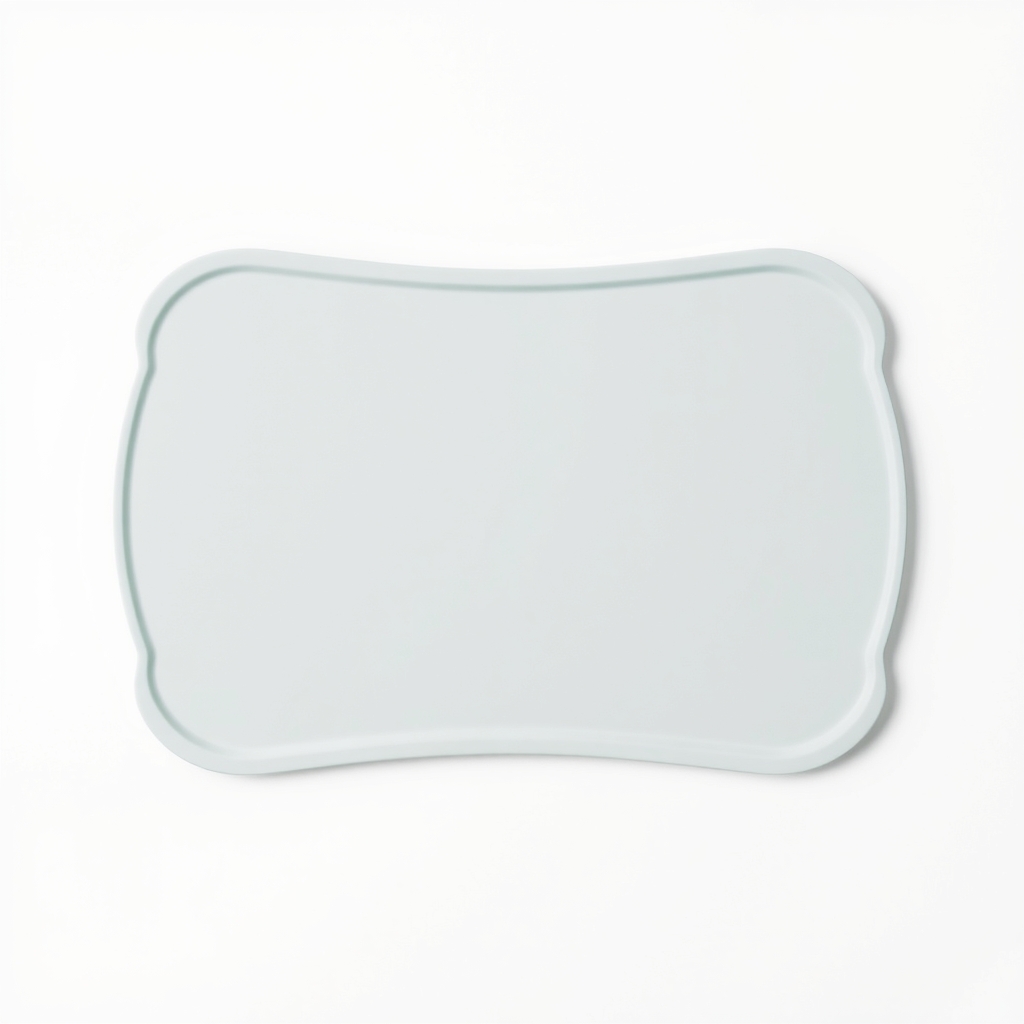
Non-slip silicone feeding mat
Stops the bowl sliding on tile
Why it happens
Noise and sliding
Light stainless bowls clatter on tile, slide when your dog licks the bottom, and can spook a nervous dog.
Heat, dents and scratches
A metal bowl left in the sun gets hot, and a dented or scratched one holds on to food film. Collar tags clink against it, too.
Personal preference
Some owners just prefer ceramic or glass for how it looks and feels. That is a fine reason to switch, but stainless is one of the easiest materials to keep clean.
Try this first (free)
Do these in order, starting with the simplest.
-
Test with a heavy bowl you already own
Tool used: Kitchen ceramic bowlPick a plain ceramic bowl with no chips. Feed from it for a few days and see whether your dog eats calmly and the bowl stays put.
-
Wash it after every meal
Tool used: Dish soap and brushUse hot soapy water or the dishwasher. Dried food and the slimy film that builds up on any bowl need a scrub, so wipe the whole inside.
-
Check for chips and hairline cracks
Run a finger around the rim and look at the glaze. Replace any bowl with chips, cracks or crazing, a fine web of lines in the glaze. Bacteria can hide there, and the glaze can flake.
-
Match the bowl to the face
Pick a wide, shallow bowl for flat-faced dogs and a deeper one for long-snouted dogs.
When free fixes aren't enough
A kitchen bowl is a stopgap. It is often too light, too small or too shallow for a dog. If your dog pushes the bowl across the floor, eats fast or the bowl chips, a purpose-made heavy bowl with a wide base fixes all three. If your dog is very clumsy or bangs bowls hard, ceramic and glass can crack. In that case, stainless is still the safer choice.
Buy the fix
Still stuck after the free fixes? These are the products we would look at.
| Pick | Product | Fixes | Who it's for | Buy |
|---|---|---|---|---|
| Best pick | Heavy ceramic dog bowl | a light bowl that slides, clangs or tips | Most dogs, from small to large, that eat calmly. | Check price |
| Upgrade pick | Tempered glass dog bowl | a glaze you would rather avoid, and a bowl you cannot see into | Owners who want a glaze-free surface and a clear view of how much food is left. | Check price |
Heavy ceramic dog bowl
Fixes: a light bowl that slides, clangs or tips
Look for: A lead-free, food-safe glaze, labeled for pet or food use; A wide, heavy base, often with a silicone ring to stop sliding; Dishwasher safe, with a smooth, unbroken glaze; A size that matches your dog's meal.
- Who it's for
- Most dogs, from small to large, that eat calmly.
- Honest downside
- Your dog is very clumsy or chews bowls. A chip is a safety risk, so stay with stainless.
Tempered glass dog bowl
Fixes: a glaze you would rather avoid, and a bowl you cannot see into
Look for: Tempered glass labeled for food use; Thick walls and a flat, wide base; Dishwasher safe.
- Who it's for
- Owners who want a glaze-free surface and a clear view of how much food is left.
- Honest downside
- Your dog eats outside on concrete, or you have small children. Glass can shatter if it is dropped.
As an Amazon Associate I earn from qualifying purchases. We don't show prices because they change, so use the button to see today's price.
How we picked: How we picked: this page is based on pet food-safety guidance, bowl makers' care instructions, and what dog owners report about chips, tipping and cleaning. We do not test products by hand.
Ceramic vs. glass vs. stainless at a glance
- Ceramic: heavy, quiet and stable. It can chip, so inspect it often.
- Glass: no glaze, easy to see into, and heavy. It can break if dropped.
- Stainless: light and nearly unbreakable. It is noisy and slides unless it has a rubber base.
How to choose the size and shape of a ceramic bowl
Size matters as much as material. A bowl that is too small spills, and one that is too deep makes a small dog reach. As a rough guide, small dogs do well with a bowl that holds about 2 cups, medium dogs about 4 cups, and large dogs 6 cups or more. Pick a bowl that holds a little more than one meal, so food does not slop over the rim.
Look at the base too. A wide, flat base with a rubber or silicone ring stays put on tile and hardwood. A narrow base tips more easily, so skip it if your dog pushes the bowl around.
What to skip
Decorative bowls and plastic
Bowls sold as decor or hand-painted pieces may have glazes that are not tested for food. Buy bowls labeled food safe or lead-free. Plastic bowls scratch easily, and scratches hold bacteria, so skip those too.
Frequently asked questions
Dog bowl not metal: is there a good alternative?
Is ceramic better than stainless steel for dogs?
Are ceramic dog bowls safe?
How do I clean a ceramic dog bowl?
Related problems
 Free fix inside
Pets · Dog Bowl
Dog Bowl No Spill: Water Bowls That Keep the Floor Dry
Read the fix Free fix inside
Pets · Dog Bowl
Dog Bowl Sliding Around? Non-Slip Options That Stay Put
Read the fix Free fix inside
Pets · Dog Bowl
Dog Bowl That Keeps Ears Dry: Narrow Bowls for Long-Eared Dogs
Read the fix Free fix inside
Pets · Dog Feeding
Dog Bowl Too Low? Raised Feeders and How to Choose the Height
Read the fixAs an Amazon Associate I earn from qualifying purchases. Affiliate disclosure