Leaf Blower Smoking? Check the Fuel Mix Ratio First
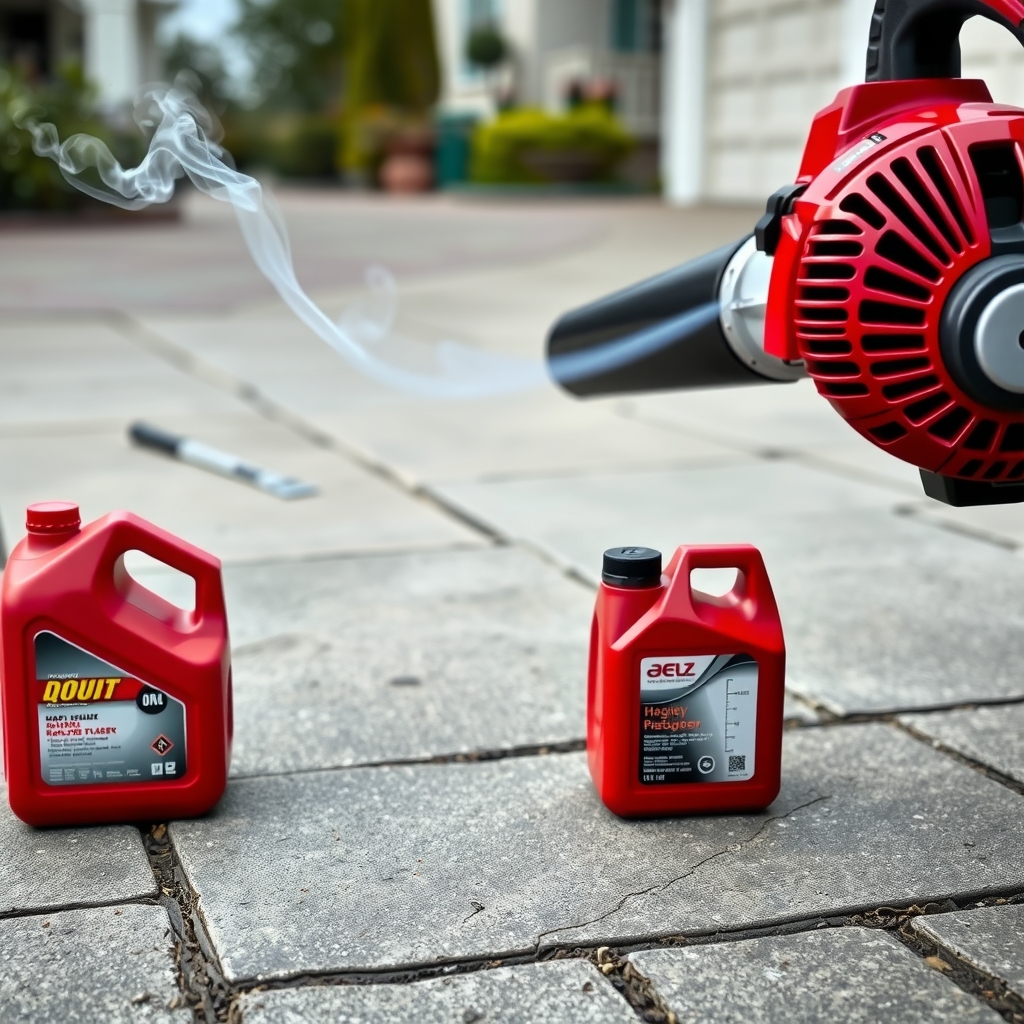
White or blue smoke from a gas blower usually means too much oil in the fuel. Drain it, remix at the ratio on your label and check the air filter.
By Jamilur Rahman Updated November 5, 2026 · 7 min read
- Time
- 30 min
- Cost
- Under $20
- Difficulty
- Easy
In this guide
Quick answer
Why does my leaf blower smoke? Most often the gas has too much two-stroke oil in it, which burns off as white or blue-gray smoke. Drain the old fuel, then mix fresh gas and oil at the exact ratio printed on your blower, measuring the oil with a marked mixing bottle. A little smoke for a few seconds after a cold start is normal, but steady smoke once the engine is warm is not.
Free fix vs. permanent fix
Drain and remix the fuel to the right ratio
- Find the fuel ratio on the tank, the handle or in the manual
- Drain the old fuel into an approved container
- Measure the oil exactly; 50:1 is about 2.6 fl oz per gallon of gas
- Run the blower outdoors for a few minutes to clear the old mix
How long it lasts: Fixes the smoke if the ratio was the problem. It comes back if you guess the oil again.
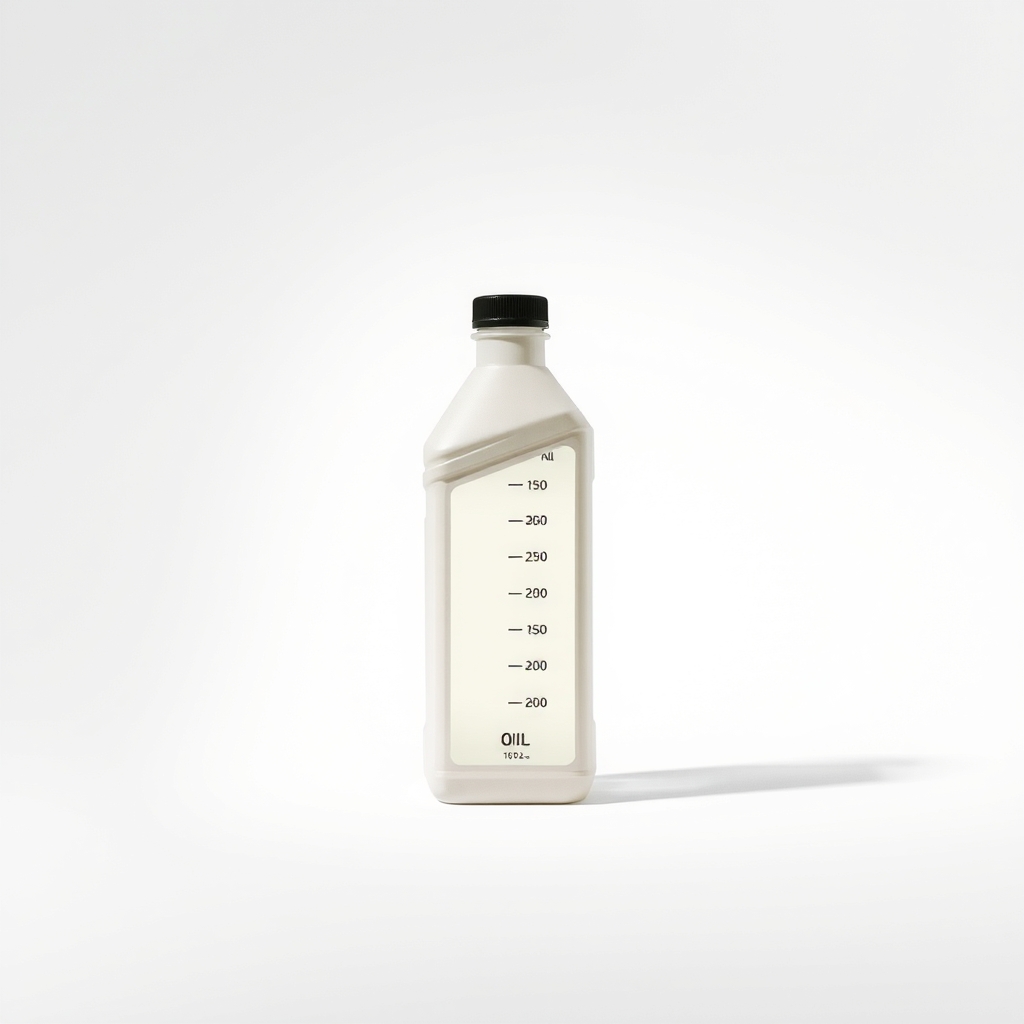
A two-stroke oil mixing bottle
Most smoking comes from guessing the oil. A glug from a bottle is how a 50:1 mix turns into 25:1. A bottle with printed ratio lines lets you pour the exact amount for the gas in the can, every time, so the engine burns clean and the spark plug stays clear.
What to get: Two-stroke oil mixing bottle with ratio markings
How long it lasts: Years. The marked lines do the math at every fill-up.
As an Amazon Associate I earn from qualifying purchases.
What you'll need
-
Approved gas can
A clean can for mixed fuel only
You have it -
Fresh regular unleaded gas
Use gas from a recent fill and stay within the ethanol limit in your manual
You have it - Illustration
Two-stroke engine oil
Use the type your manual calls for
- Our pick Illustration
Two-stroke oil mixing bottle
Marked with ratio lines and gas volumes
- Illustration
Ethanol-free pre-mixed fuel
For light users who hate mixing
- Illustration
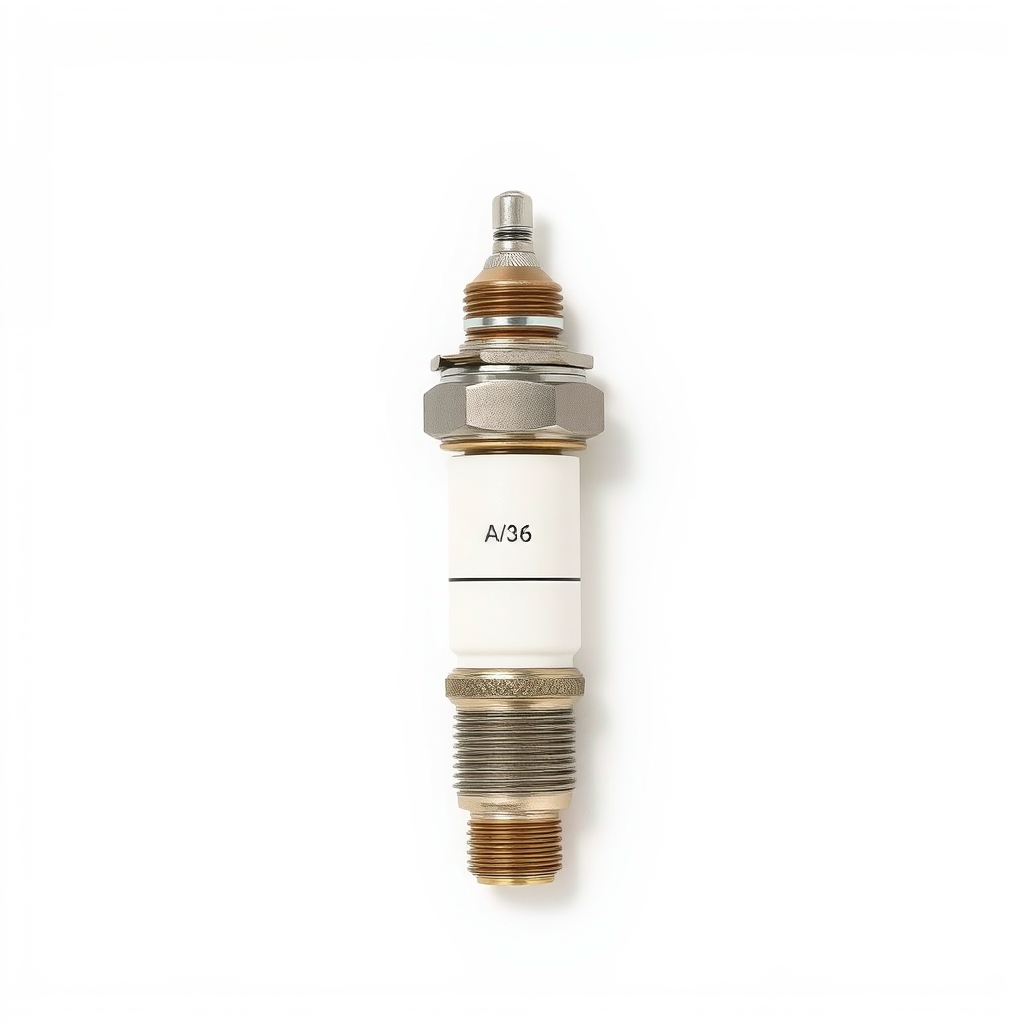
Replacement spark plug
Only if the old plug is wet and black
Why it happens
Too much oil in the mix
A mix richer than the manual calls for, such as 25:1 in an engine that needs 50:1, leaves unburned oil that comes out as thick white or blue-gray smoke and fouls the spark plug.
Old or stale fuel
Gas with ethanol goes stale in about a month, and mixed fuel can go off sooner. It gums up the carburetor, so the engine runs badly and smokes.
Spilled fuel or oil on the muffler
Fuel or oil spilled while filling, or leaking from the tank, burns on the hot muffler. That makes smoke right after you fill up or shut off.
A dirty air filter or a carburetor out of adjustment
A clogged air filter runs the engine rich, and a carburetor that needs adjusting does the same. The result is black smoke and poor power.
Worn engine parts
If the mix is right and it still smokes once warm, worn piston rings or a carbon-clogged muffler screen may be at fault. That is a shop job.
Try this first (free)
Do these in order, starting with the simplest.
-
1. Switch it off and let it cool
Stop the engine, wait 10 minutes and move away from anything flammable. Never fuel a hot or running blower.
-
2. Find your ratio
It is usually printed on the fuel cap, near the tank or in the manual. Common ratios are 40:1 and 50:1, but do not guess, because they differ between brands and models.
-
3. Drain the old fuel
Tool used: Approved gas canPour the tank into an approved can. Do not pour fuel on the ground or down a drain. Take it to your local household hazardous waste drop-off.
-
4. Measure the oil with the bottle
Tool used: Two-stroke oil mixing bottlePour fresh gas into a clean can, say one gallon, then add oil up to the line for your ratio. At 50:1 that is about 2.6 fl oz per gallon, and at 40:1 about 3.2 fl oz. Cap the can and shake it for 30 seconds.
IllustrationCheck price on AmazonTool for this step
Two-stroke oil mixing bottle · Marked with ratio lines and gas volumes
-
5. Refill, clean the filter and run it
Fill the tank and wipe up spills. Wash a foam air filter in soapy water and let it dry, or replace a paper one. Start the blower outdoors and run it a few minutes. A little smoke while the old mix clears is normal.
-
6. Check the spark plug
Tool used: Replacement spark plugIf it still smokes, pull the plug with the engine off and cool. A wet, black plug means it ran rich. Clean or replace it with the type and gap in your manual.
IllustrationCheck price on AmazonTool for this step
Replacement spark plug · Only if the old plug is wet and black
When free fixes aren't enough
If you mixed the fuel right, used fresh gas and the blower still pours out smoke after warm-up, the problem is mechanical: worn piston rings, a carbon-clogged muffler or exhaust port, or a carburetor out of adjustment. That is a repair shop job unless you are experienced. Stop using it if it loses power, runs hot, leaks fuel or smells like burning plastic. If you see flames or fuel pouring from the tank, shut it off, move away and call the fire department if you cannot put it out. A battery or electric blower that smokes is a different problem: remove the battery or unplug it and stop using it.
Buy the fix
Still stuck after the free fixes? These are the products we would look at.
| Pick | Product | Fixes | Who it's for | Buy |
|---|---|---|---|---|
| Best pick | Two-stroke oil mixing bottle with ratio markings | smoke from a mix with too much, or too little, oil | Anyone who mixes fuel for a handheld blower, trimmer or chainsaw. | Check price |
| Upgrade pick | Ethanol-free pre-mixed two-stroke fuel | a wrong mix and stale fuel, since the can comes ready to pour | Light users who burn a tank or two a month and hate mixing. | Check price |
Two-stroke oil mixing bottle with ratio markings
Fixes: smoke from a mix with too much, or too little, oil
Look for: Printed lines for your ratio, such as 40:1 or 50:1, at common gas volumes; A spout that pours without glugging or spilling; Made for fuel oil, so it does not cloud or crack; Sized for the gas can you use, one or two gallons.
- Who it's for
- Anyone who mixes fuel for a handheld blower, trimmer or chainsaw.
- Honest downside
- Your blower is four-stroke or battery powered. It does not use mixed fuel.
Ethanol-free pre-mixed two-stroke fuel
Fixes: a wrong mix and stale fuel, since the can comes ready to pour
Look for: A ratio that matches your blower's label; Ethanol-free, so it stores better; A can sized to how much fuel you use.
- Who it's for
- Light users who burn a tank or two a month and hate mixing.
- Honest downside
- Your blower needs a different ratio, or you use a lot of fuel. Pre-mixed costs more per gallon.
As an Amazon Associate I earn from qualifying purchases. We don't show prices because they change, so use the button to see today's price.
How we picked: How we picked: this page is based on two-stroke engine manuals, fuel-mixing guides from small-engine makers, and what owners report in reviews of mixing bottles. We do not test products by hand.
Fuel mix cheat sheet, per gallon of gas
- 50:1 is about 2.6 fl oz of oil.
- 40:1 is about 3.2 fl oz of oil.
- 32:1 is about 4 fl oz of oil.
- 25:1 is about 5.1 fl oz of oil.
Halve the amount for a half gallon. These are plain arithmetic, so always follow the ratio printed on your own blower.
Fuel safely
- Engine off and cool, outdoors, away from flames and sparks.
- Set the can on the ground to fill it, not in a truck bed or car.
- Wipe up spills before you start the engine.
- Store mixed fuel in a closed, labeled can away from heat.
What to skip
Adding more oil to be safe
More oil does not protect the engine better. It fouls the plug, causes smoke and leaves carbon deposits. Fuel additives sold to reduce smoke do not fix a bad mix. Measure it right and move on.
Frequently asked questions
Why is my leaf blower blowing white smoke?
Why is my leaf blower smoking after use?
Is some smoke normal when I start a leaf blower?
What fuel ratio does my leaf blower need?
Related problems
 Free fix inside
Outdoor & Garage · Leaf Blower
Leaf Blower Not Starting? Stale Fuel Gums Up the Carburetor
Read the fix Free fix inside
Outdoor & Garage · Leaf Blower
Leaf Blower Keeps Shutting Off? The Fuel Filter Fix
Read the fix Free fix inside
Outdoor & Garage · Leaf Blower
Leaf Blower Pull Cord Not Working? Swap the Rope and Spring
Read the fix Free fix inside
Outdoor & Garage · Lawn Mower
Lawn Mower Smoking? Overfilled Oil Is Where to Look
Read the fixAs an Amazon Associate I earn from qualifying purchases. Affiliate disclosure