Porch Light Keeps Burning Out? Why Bulbs Die Early
Trapped heat, damp and door slams kill porch bulbs early. Check the fixture first, then switch to an LED bulb made for wet, enclosed fixtures.
By Jamilur Rahman Updated November 5, 2026 · 7 min read
- Time
- 20 min
- Cost
- Under $20
- Difficulty
- Easy
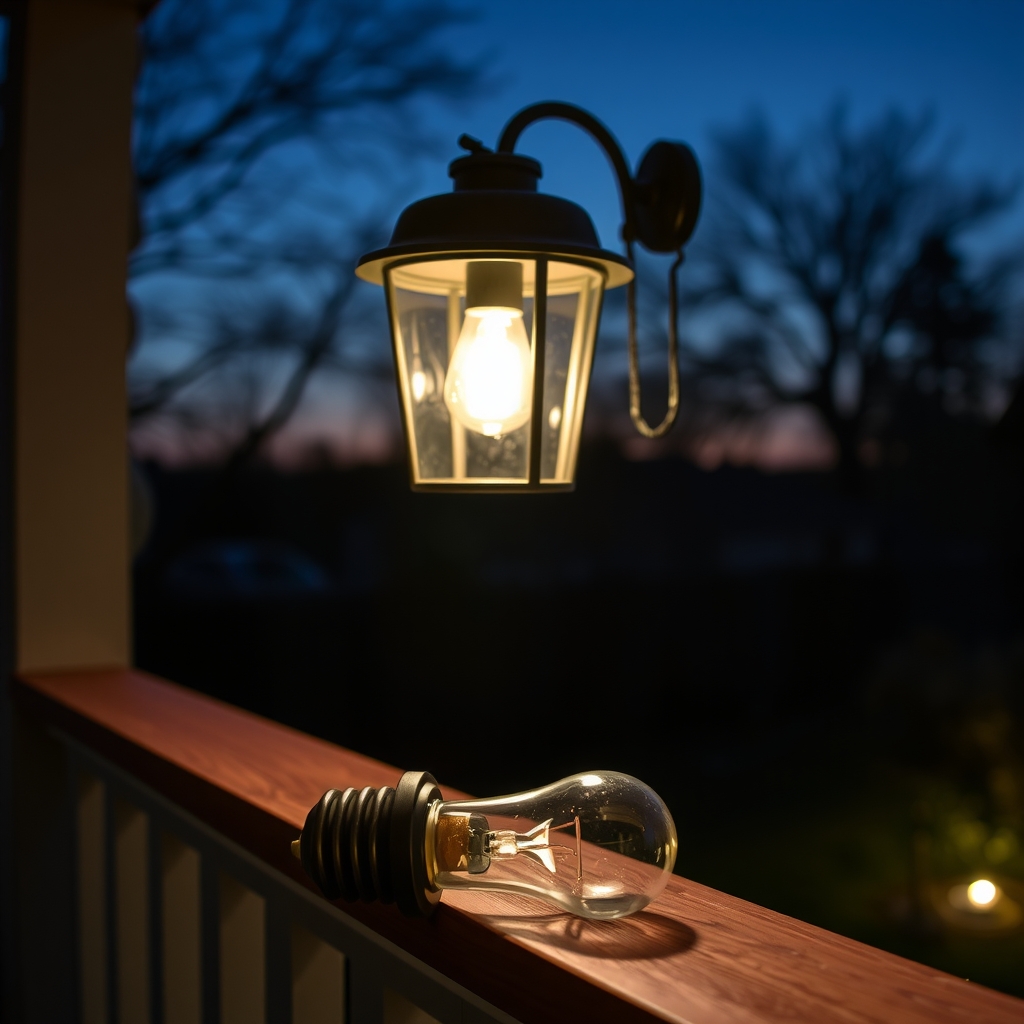
In this guide
Quick answer
If your porch light keeps burning out, the usual causes are heat trapped in a closed fixture, moisture, vibration from slamming doors and a bulb that was not made for outdoor use. Check the wattage label, the socket and the fixture's seal first. Then switch to an LED bulb marked for wet locations and enclosed fixtures, which runs cooler and has no filament to snap.
Free fix vs. permanent fix
Check the fixture and the bulb
- Turn off the breaker, then make sure the bulb is snug
- Read the maximum wattage on the fixture label
- Dry out the fixture and replace a cracked gasket
- Check the socket for rust or melted plastic
How long it lasts: Fixes a loose bulb, a wet fixture or the wrong wattage. If the old bulb type stays, it keeps dying in the same hot, closed glass.
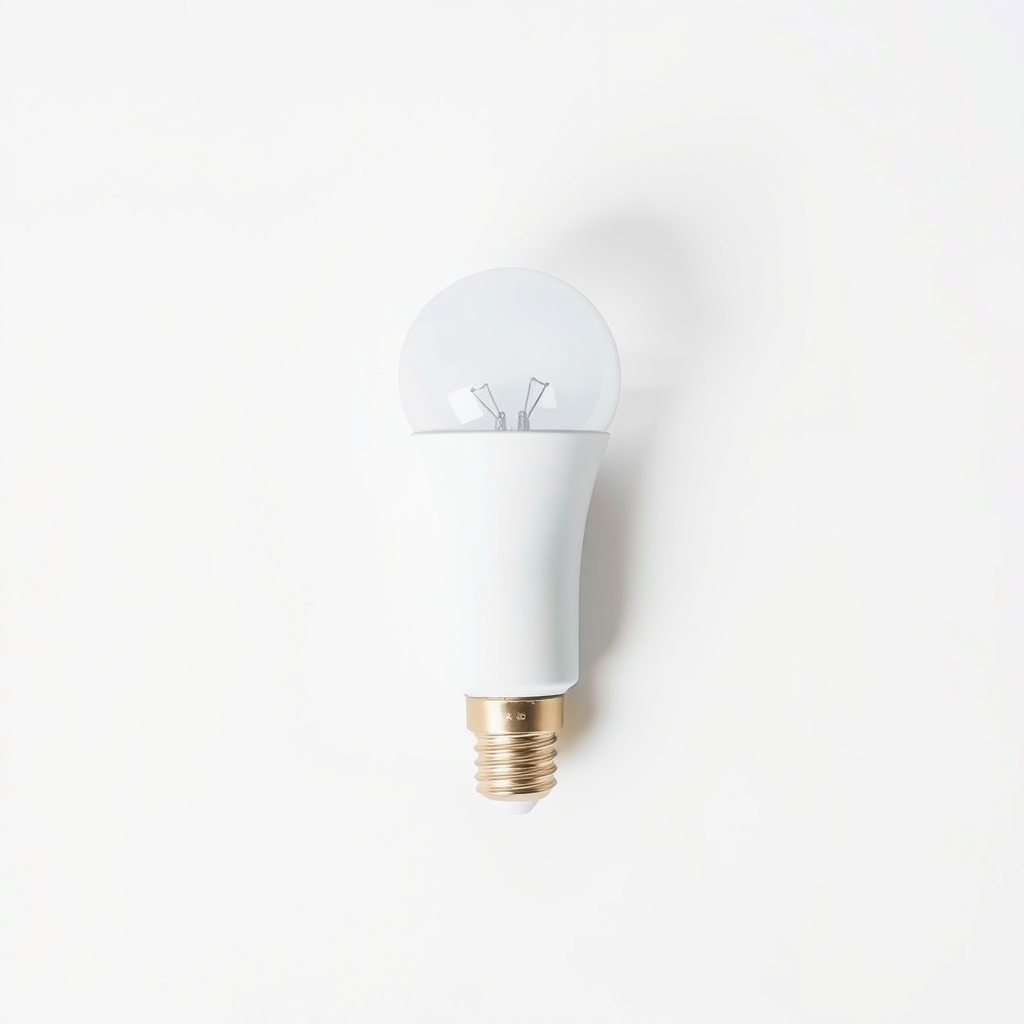
Wet-rated LED porch bulbs
Old-style bulbs run hot inside a sealed glass fixture, and heat shortens their life. LEDs make far less heat and have no filament to snap when a door slams. A wet-location rating means the base is built for damp, and an enclosed-fixture rating means it can handle trapped heat.
What to get: Wet-rated LED porch light bulbs
How long it lasts: Quality LEDs are rated for many thousands of hours, often several years of nightly use.
As an Amazon Associate I earn from qualifying purchases.
What you'll need
- Illustration
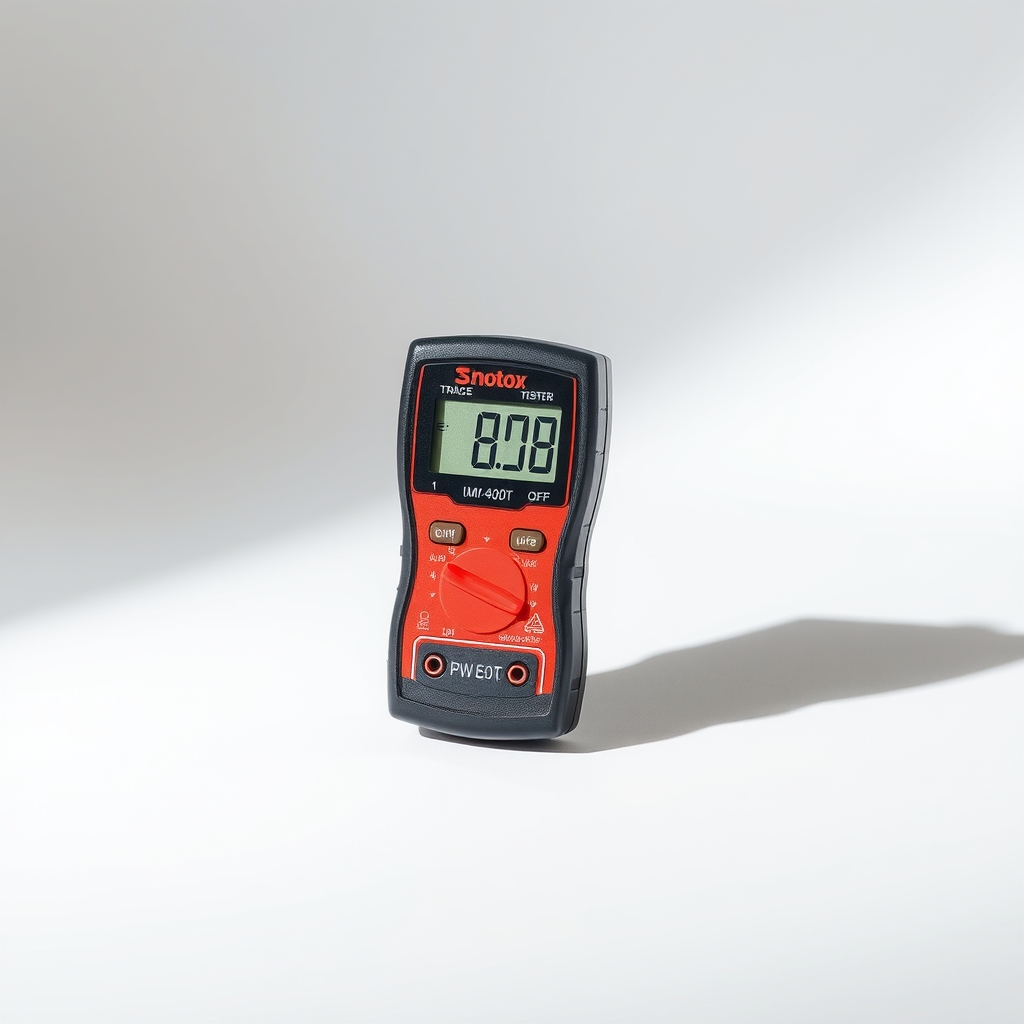
Non-contact voltage tester
Confirms the power is off before you touch the socket
-
Small flat screwdriver
To open the fixture and bend a flattened socket tab
You have it - Illustration
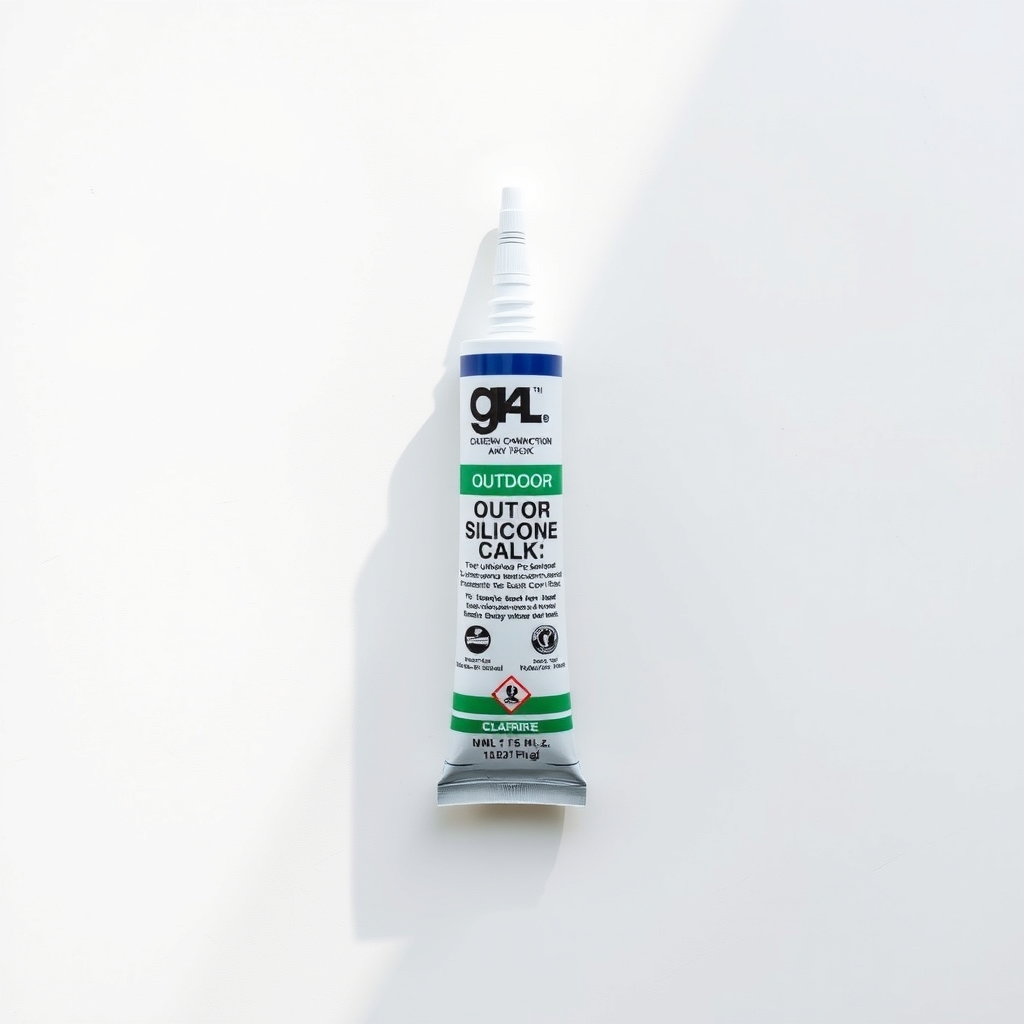
Outdoor silicone caulk
Seals the top and sides where the fixture meets the wall
- Our pick Illustration
Wet-rated LED bulbs
Marked for wet or damp locations and enclosed fixtures
- Illustration
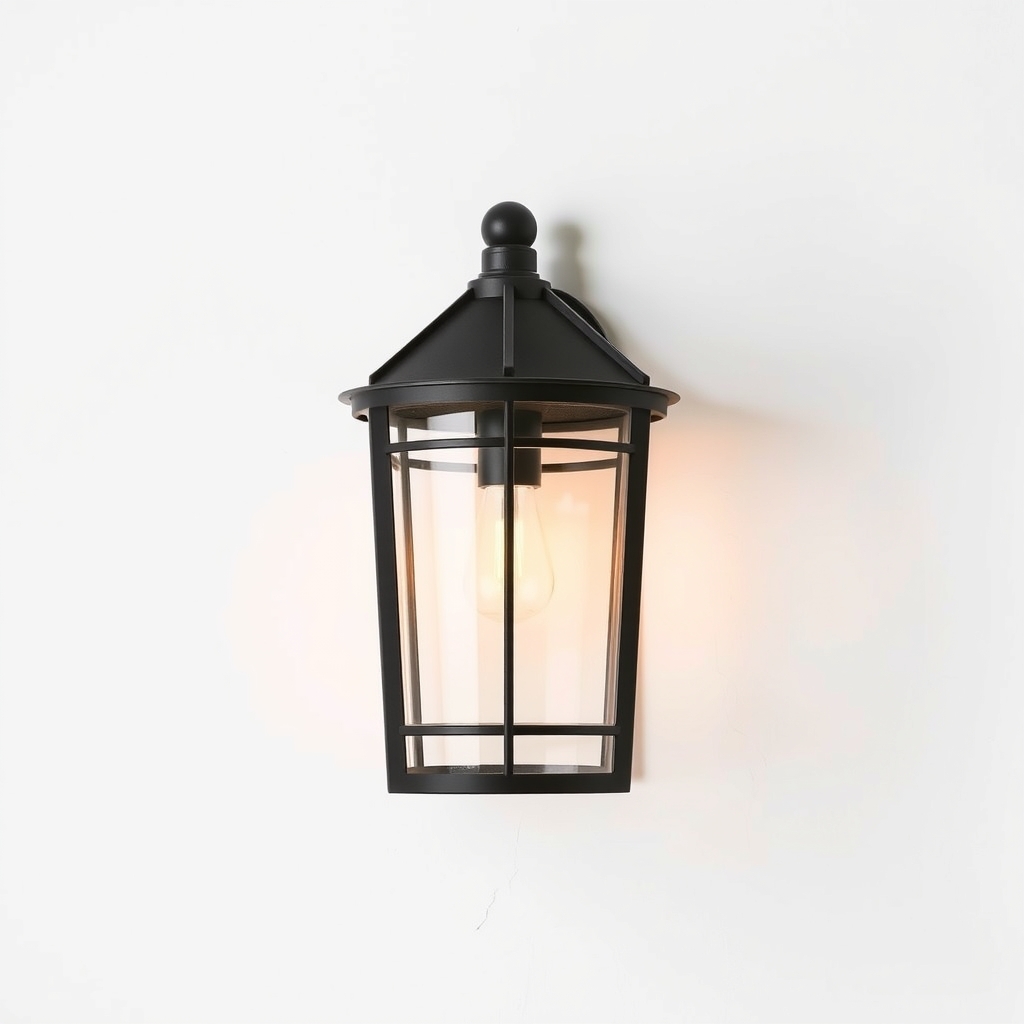
Wet-rated outdoor wall lantern
Only if the old fixture is rusted, cracked or full of water
Why it happens
Heat trapped in a closed fixture
Many porch lights are a sealed glass box. Incandescent and halogen bulbs run hot, and the heat has nowhere to go. That overheats the filament and the base, and the bulb fails early. Some LEDs fail too if they are not rated for enclosed fixtures.
Moisture and damp
Rain and humidity get in through a cracked gasket or a gap at the wall. Water corrodes the socket and can damage the bulb base.
Vibration from door slams
A bulb beside a front door takes a small jolt every time the door slams. A filament bulb is fragile, and the filament can snap.
A wattage that is too high or a poor connection
A bulb above the fixture's wattage limit overheats the socket. A bulb that is not seated, or a flattened tab in the socket, gives a poor connection, and the arcing wears the base.
Power surges and the wrong controls
Voltage spikes shorten bulb life. LED bulbs on a dimmer, motion sensor or photocell that was not made for LEDs can flicker or fail early.
Try this first (free)
Do these in order, starting with the simplest.
-
Turn off the breaker and test
Tool used: Non-contact voltage testerFlip off the breaker, not just the wall switch. Hold the tester near the socket and wires to confirm the power is off before you touch anything.
IllustrationCheck price on AmazonTool for this step
Non-contact voltage tester · Confirms the power is off before you touch the socket
-
Read the fixture label
Look inside for the maximum wattage and the bulb base size, usually the standard medium screw base. A bulb above the limit heats the socket and shortens bulb life.
-
Check the bulb and the socket
Tool used: Small flat screwdriverScrew the bulb in until it is snug, not forced. Look for rust, melted plastic or a flattened metal tab at the bottom of the socket. With the power off, bend a flat tab up slightly so it touches the bulb.
-
Dry the fixture and seal the gap
Tool used: Outdoor silicone caulkWipe out water, dust and dead bugs. Replace a cracked gasket or lens. Run a bead of caulk across the top and sides where the fixture meets the wall, and leave the bottom open so water can drain out.
IllustrationCheck price on AmazonTool for this step
Outdoor silicone caulk · Seals the top and sides where the fixture meets the wall
-
Fit a wet-rated LED bulb
Tool used: Wet-rated LED bulbsChoose an LED marked for wet or damp locations and for enclosed fixtures. Give it a few weeks. If it still dies, the problem is the fixture or the wiring, not the bulb.
IllustrationCheck price on AmazonTool for this step
Wet-rated LED bulbs · Marked for wet or damp locations and enclosed fixtures
When free fixes aren't enough
If you have fitted a wet-rated LED and tightened the socket, and the bulb still dies within weeks, the fixture or the wiring is the likely cause. Warning signs are water inside the fixture again, a socket that is brown or melted, other lights on the same circuit flickering, a burning smell or a breaker that trips. In that case, leave the breaker off and call an electrician. A fixture that is badly rusted or cracked is worth replacing with a wet-rated one.
Buy the fix
Still stuck after the free fixes? These are the products we would look at.
| Pick | Product | Fixes | Who it's for | Buy |
|---|---|---|---|---|
| Best pick | Wet-rated LED porch light bulbs | bulbs that burn out from heat, damp and shaking | Anyone replacing the same porch bulb every few months. | Check price |
| Upgrade pick | Wet-rated outdoor wall lantern fixture | a cracked, rusted or leaky fixture that keeps killing bulbs | Anyone whose fixture is old, loose or collects water. | Check price |
Wet-rated LED porch light bulbs
Fixes: bulbs that burn out from heat, damp and shaking
Look for: Marked suitable for wet or damp locations; Marked suitable for enclosed fixtures; A base that matches your socket, usually standard; Dimmable only if your switch is a dimmer.
- Who it's for
- Anyone replacing the same porch bulb every few months.
- Honest downside
- The fixture shows water, rust or burn marks. Fix the fixture first.
Wet-rated outdoor wall lantern fixture
Fixes: a cracked, rusted or leaky fixture that keeps killing bulbs
Look for: A wet-location rating on the label; A gasket or a sealed back plate; A rust-resistant finish; A size that covers the old mounting holes.
- Who it's for
- Anyone whose fixture is old, loose or collects water.
- Honest downside
- You are not comfortable working with wiring. Hire an electrician for the swap.
As an Amazon Associate I earn from qualifying purchases. We don't show prices because they change, so use the button to see today's price.
How we picked: How we picked: this page is based on lighting and electrical safety guides, bulb packaging standards for wet and enclosed locations, and the problems and fixes people report in reviews. We do not test products by hand.
What to look for on the bulb box
- Wet or damp location: the bulb is built for rain and humidity.
- Enclosed fixture: it is safe in a glass-covered fixture that traps heat.
- Base type: match the base to the socket.
- Dimmable: only if your switch is a dimmer. Otherwise it is unneeded.
- Hours rated: look for a long rated life, in the thousands of hours.
Safety first
Turn off the breaker before you touch the socket, and use a sturdy ladder on level ground. Never work on a fixture with wet hands or in rain. If you see scorching, melted wire insulation or hear buzzing from the fixture, stop and call an electrician.
What to skip
Higher-wattage bulbs
A brighter bulb in a fixture rated for less wattage overheats the socket and wiring and is a fire risk. If you want more light, buy an LED that is brighter but still under the fixture's limit. Check the actual watts on the box, not the old-bulb equivalent.
Frequently asked questions
Why does my porch light keep burning out?
Why does my LED porch light burn out too?
How long should a porch bulb last?
When is a burned-out bulb a wiring problem?
Related problems
 Free fix inside
Outdoor & Garage · Porch Light
Porch Light Flickering? Start With the Bulb, Not the Wiring
Read the fix Free fix inside
Outdoor & Garage · Porch Light
Porch Light Attracting Bugs? Switch the Bulb Color
Read the fix Free fix inside
Outdoor & Garage · Porch
Porch Pirates? Package Lockers and Lock Boxes That Deter Theft
Read the fix Free fix inside
Bedroom & Sleep · Bedroom Lighting
Bedroom Light Flickering? Bulb Fixes Before Anything Else
Read the fixAs an Amazon Associate I earn from qualifying purchases. Affiliate disclosure