Leaf Blower Too Loud? Quieter Battery Models Worth a Look
A gas blower can be loud enough to harm your hearing. Protect your ears today, then see why a battery model is the quieter fix that lasts.
By Jamilur Rahman Updated November 5, 2026 · 7 min read
- Time
- 15 min
- Cost
- $150+
- Difficulty
- Easy
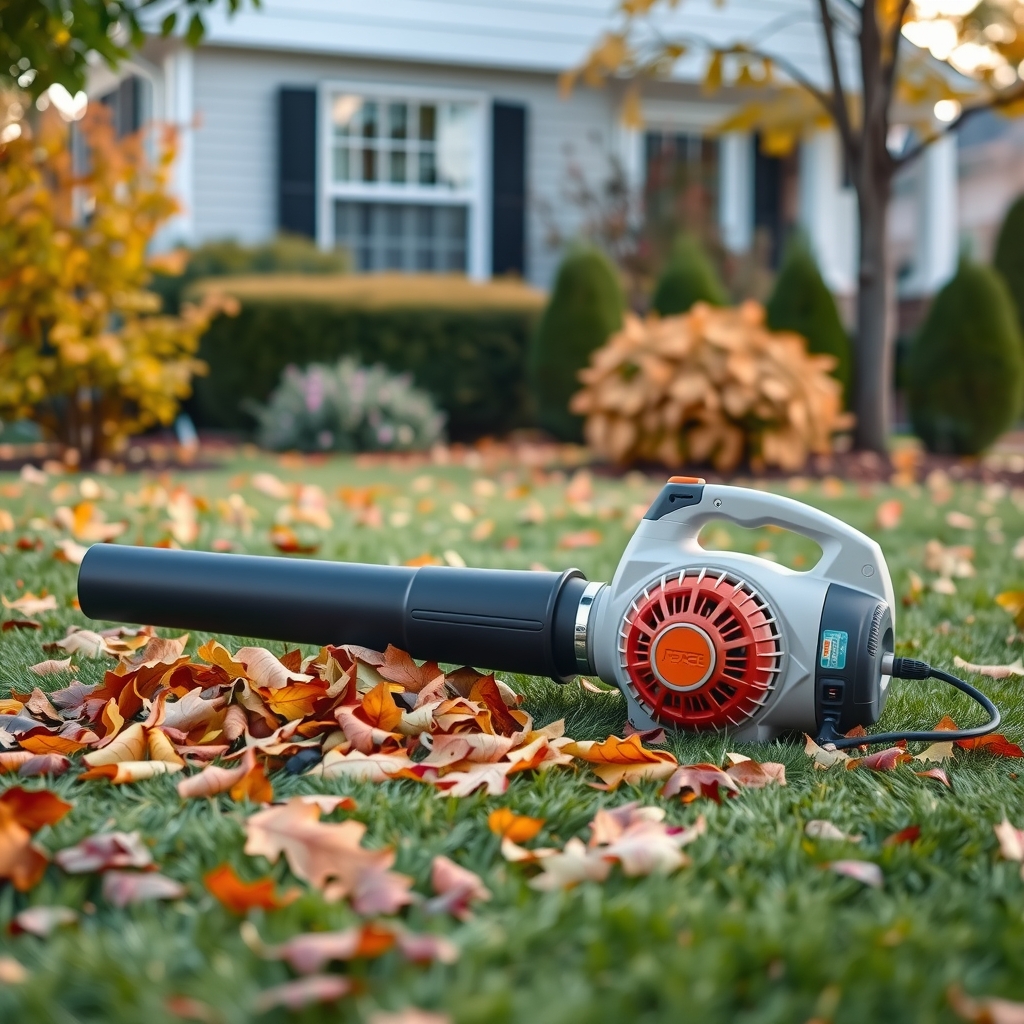
In this guide
Quick answer
Gas leaf blowers are loud enough that long use can damage your hearing, and they carry a long way to the neighbors. Wear hearing protection every time, use the lowest speed that moves the leaves, and rake the easy spots. For a lasting fix, a battery blower is usually much quieter, with no fuel and no pull cord. Check the listed decibels, run time, and air speed and volume before you buy.
Free fix vs. permanent fix
Protect your ears and turn it down
- Wear earmuffs or earplugs, every time
- Run on low and use turbo only for stubborn spots
- Rake or sweep light jobs by hand
- Check your town's rules on hours and days
How long it lasts: It protects you, and a lower speed helps a little. The blower is still just as loud to everyone else, and gas models stay loud.
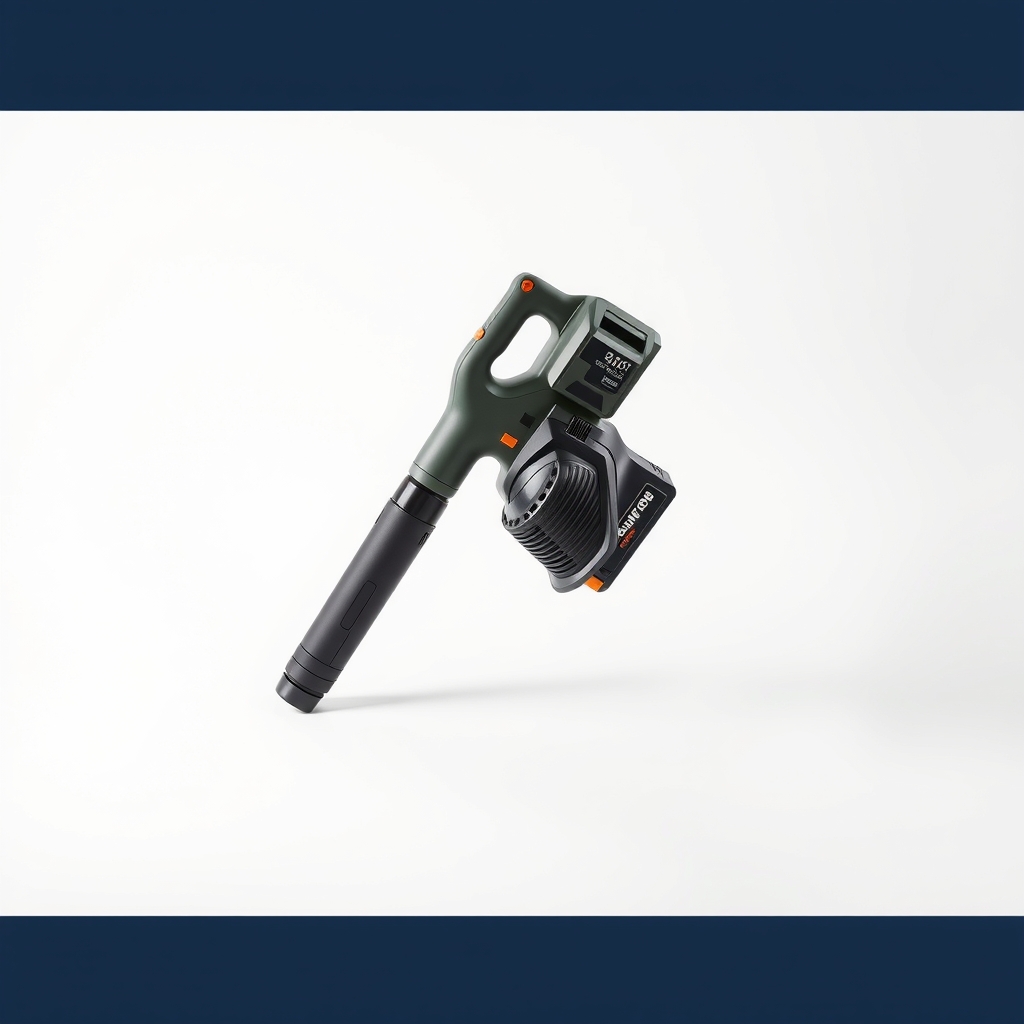
A quiet battery leaf blower
A gas engine is the main noise source and it cannot be made quiet. A battery blower moves air with an electric motor, and many list a noticeably lower decibel rating. You still need ear protection on high, but the sound is lower and less harsh.
What to get: Quiet battery leaf blower
How long it lasts: Many years. A battery model has no engine, no fuel mix and no pull cord, so it is quieter and simpler.
As an Amazon Associate I earn from qualifying purchases.
What you'll need
-
Leaf rake
For beds, corners and small piles
You have it -
Safety glasses
Blown grit and twigs fly back at you
You have it - Illustration
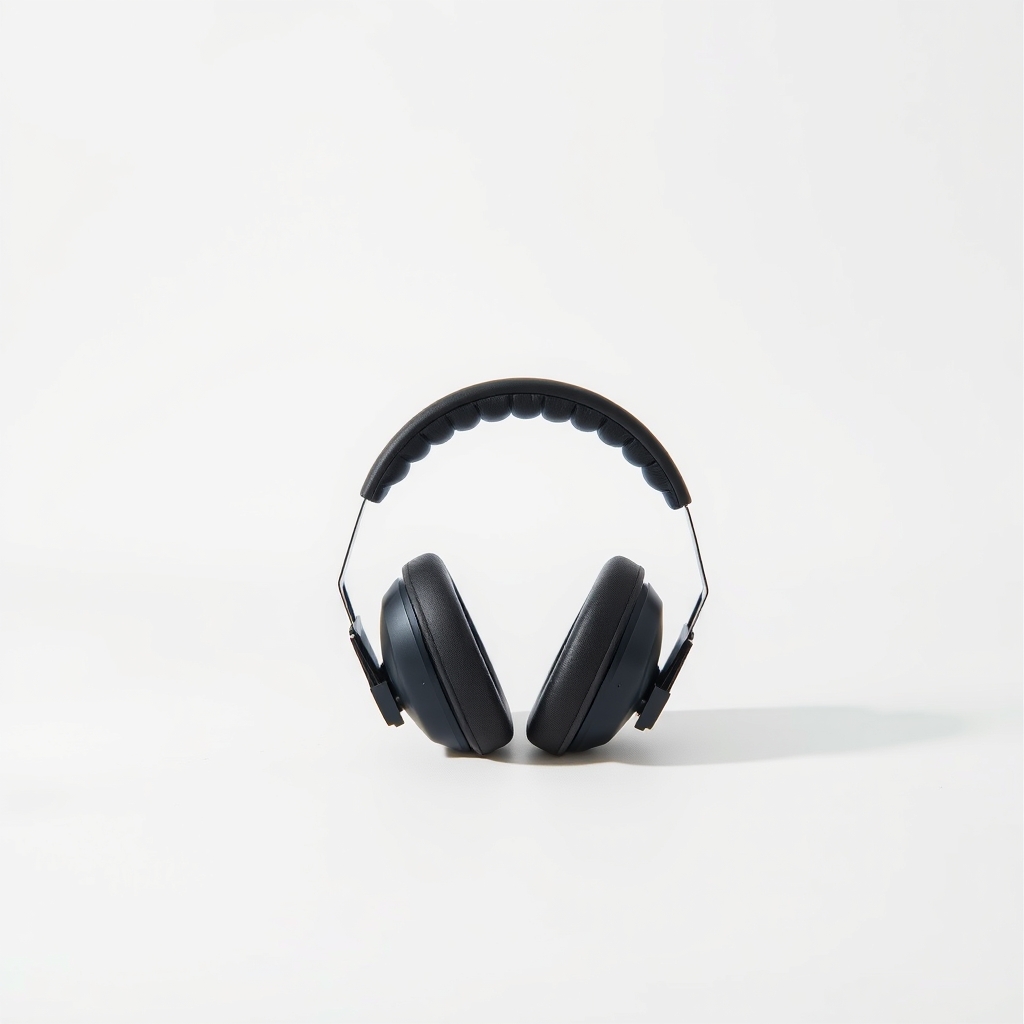
Hearing protection (earmuffs or earplugs)
Look for a noise reduction rating of 25 or more
- Our pick Illustration
Quiet battery leaf blower
Check the dB rating, run time and platform
Why it happens
The engine is the main noise
A gas blower makes noise from a small, fast engine and from the fan. Many sit in the range of the high 90s to over 100 decibels at the operator's ear, so check your manual.
Running it flat out the whole time
Full throttle makes the most noise. Most jobs on dry leaves do not need it, but many people leave it on high.
A loose or damaged muffler on a gas model
If a gas blower suddenly sounds louder or harsher than it used to, the muffler may be loose, cracked or damaged.
Try this first (free)
Do these in order, starting with the simplest.
-
Wear hearing protection every time
Tool used: Hearing protection (earmuffs or earplugs)NIOSH recommends limiting exposure to 85 decibels over an eight-hour day, and every 3 dB louder cuts the safe time in half. Use earmuffs or plugs with a noise reduction rating of 25 or more. Ringing in your ears afterward is a warning.
IllustrationCheck price on AmazonTool for this step
Hearing protection (earmuffs or earplugs) · Look for a noise reduction rating of 25 or more
-
Run it on the lowest speed that works
Start on low and angle the nozzle low to the ground. Save turbo or full throttle for wet or packed leaves. It is quieter and uses less fuel or charge.
-
Rake first, blow the rest
Tool used: Leaf rakeRake the beds, corners and small piles by hand, and use the blower for open lawn. A few minutes of raking saves a lot of noise.
-
Pick your time, and check the rules
Many towns limit hours or days for leaf blowers, and some limit gas models in certain months. Blow mid-morning on a weekday, and give neighbors a heads-up before a big job.
-
If it is gas, check the muffler
Tool used: Safety glassesWith the engine off and cool, look for a loose, cracked or missing muffler or shield. Tighten what you can, or have a shop look at it. Do not run a blower without its muffler.
When free fixes aren't enough
If you blow every week, for long stretches, or you share walls and fences with close neighbors, ear protection only fixes your side of it. A gas blower stays loud, and it needs fuel, a pull cord and tune-ups. A battery blower is the quieter and simpler fix. The trade-offs are run time, which is limited by the battery, and less force on wet, matted leaves. If your yard is large and the leaves are heavy and wet, check the numbers for runtime and power before you buy.
Buy the fix
Still stuck after the free fixes? These are the products we would look at.
| Pick | Product | Fixes | Who it's for | Buy |
|---|---|---|---|---|
| Best pick | Quiet battery leaf blower | the loud engine, the fuel and the pull cord, all at once | Owners of small to mid-size yards who blow often and want less noise, with no fuel mixing. | Check price |
| Budget pick | Hearing protection, earmuffs or earplugs | the damage the noise does to your own hearing | Anyone who uses a blower, gas or battery, even once a week. | Check price |
| Upgrade pick | 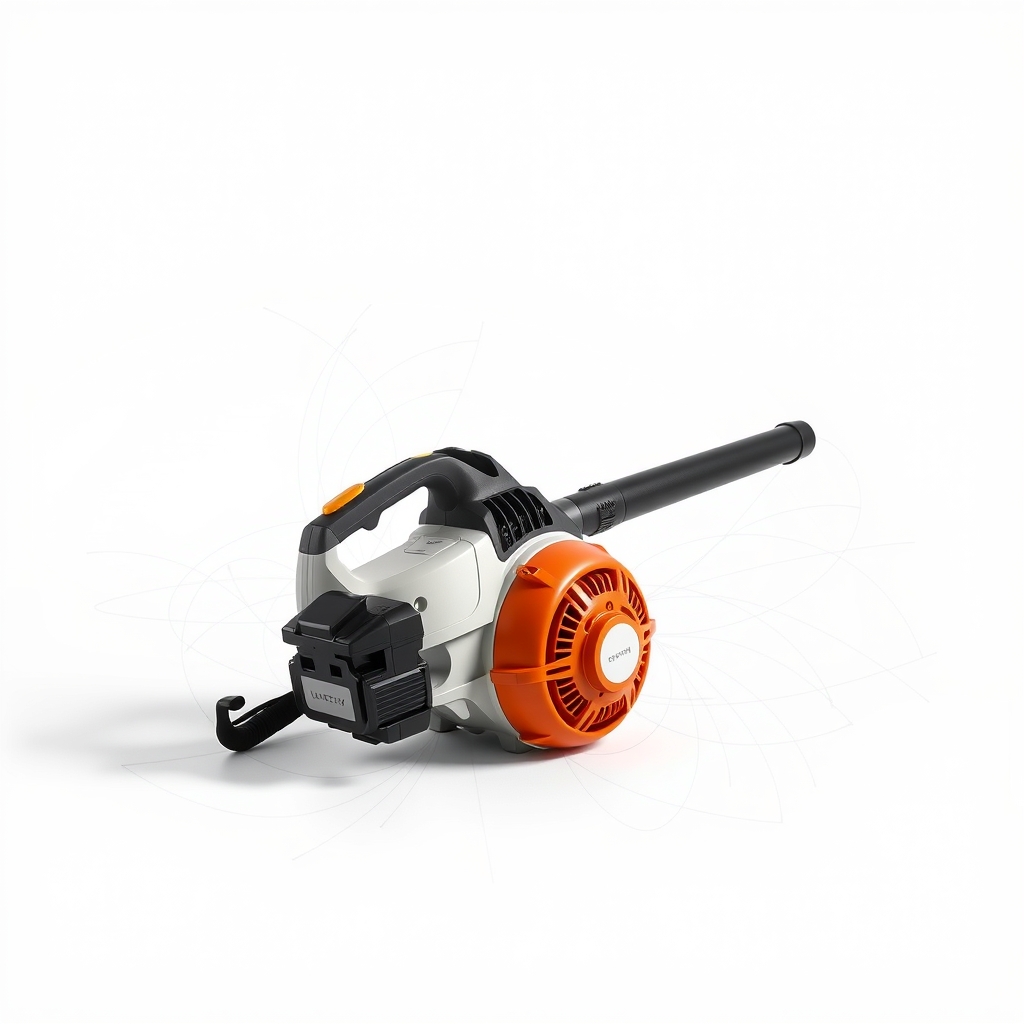 Backpack battery leaf blower | a handheld battery that runs out before the yard is clear | People with larger yards who want battery power and longer runs. | Check price |
Quiet battery leaf blower
Fixes: the loud engine, the fuel and the pull cord, all at once
Look for: A decibel rating on the listing, and a note on how far away it was measured; A brushless motor and variable speed with a trigger or dial; CFM and MPH numbers that suit your yard, and a stated run time on low and on high; A battery that fits other tools you own, or one you are happy to commit to.
- Who it's for
- Owners of small to mid-size yards who blow often and want less noise, with no fuel mixing.
- Honest downside
- You clear large, wet leaves on an acre or more. Check run time and power first, or look at a backpack model.
Hearing protection, earmuffs or earplugs
Fixes: the damage the noise does to your own hearing
Look for: A noise reduction rating of 25 or higher; A band that fits over a cap or glasses; Padded cups that seal around the ear.
- Who it's for
- Anyone who uses a blower, gas or battery, even once a week.
- Honest downside
- You cannot hear approaching traffic or kids while you work. Choose a quieter blower and short sessions instead.
Backpack battery leaf blower
Fixes: a handheld battery that runs out before the yard is clear
Look for: A battery that sits on your back, with a harness that fits; A stated run time on low and high; A decibel rating at a stated distance.
- Who it's for
- People with larger yards who want battery power and longer runs.
- Honest downside
- You have a small yard. Backpack models are heavier and cost more.
As an Amazon Associate I earn from qualifying purchases. We don't show prices because they change, so use the button to see today's price.
How we picked: How we picked: this page is based on NIOSH hearing guidance, blower manuals and spec sheets, and the noise, run time and power results owners report in reviews. We do not test products by hand.
Reading the numbers on a blower listing
- CFM is the volume of air. It moves a pile.
- MPH is air speed. It lifts stuck, damp leaves.
- dB is noise. A drop of about 10 dB sounds roughly half as loud, and 3 dB is a clear step.
- Run time is given on low and high. High is much shorter.
Compare blowers measured the same way. A number given at 50 feet is not the same as one at your ear.
Battery basics
Batteries come in voltage platforms, so one battery can run a mower, trimmer and blower from the same maker. A larger amp-hour number means a longer run. A brushless motor is generally quieter and wears less. If you already own tools from one maker, check whether its blower fits your battery.
What to skip
Muffler mods and cheap corded blowers
Removing or altering a muffler or spark arrestor makes a gas blower louder and raises fire risk. A cheap corded blower is often just as loud and limited by the cord. Neither is the fix.
Frequently asked questions
How loud is a gas leaf blower?
Are battery leaf blowers actually quieter?
How long does a battery leaf blower run?
Do I still need ear protection with a battery blower?
As an Amazon Associate I earn from qualifying purchases. Affiliate disclosure