Ants in the House? Bait Beats Spray (Here's How to Use It)
Spray kills the ants you see and leaves the colony. Bait lets workers carry the poison home. Here is how to place it, and what to do first.
By Jamilur Rahman Updated November 5, 2026 · 7 min read
- Time
- 20 min set-up, then 1 to 2 weeks
- Cost
- Under $20
- Difficulty
- Easy
In this guide
Quick answer
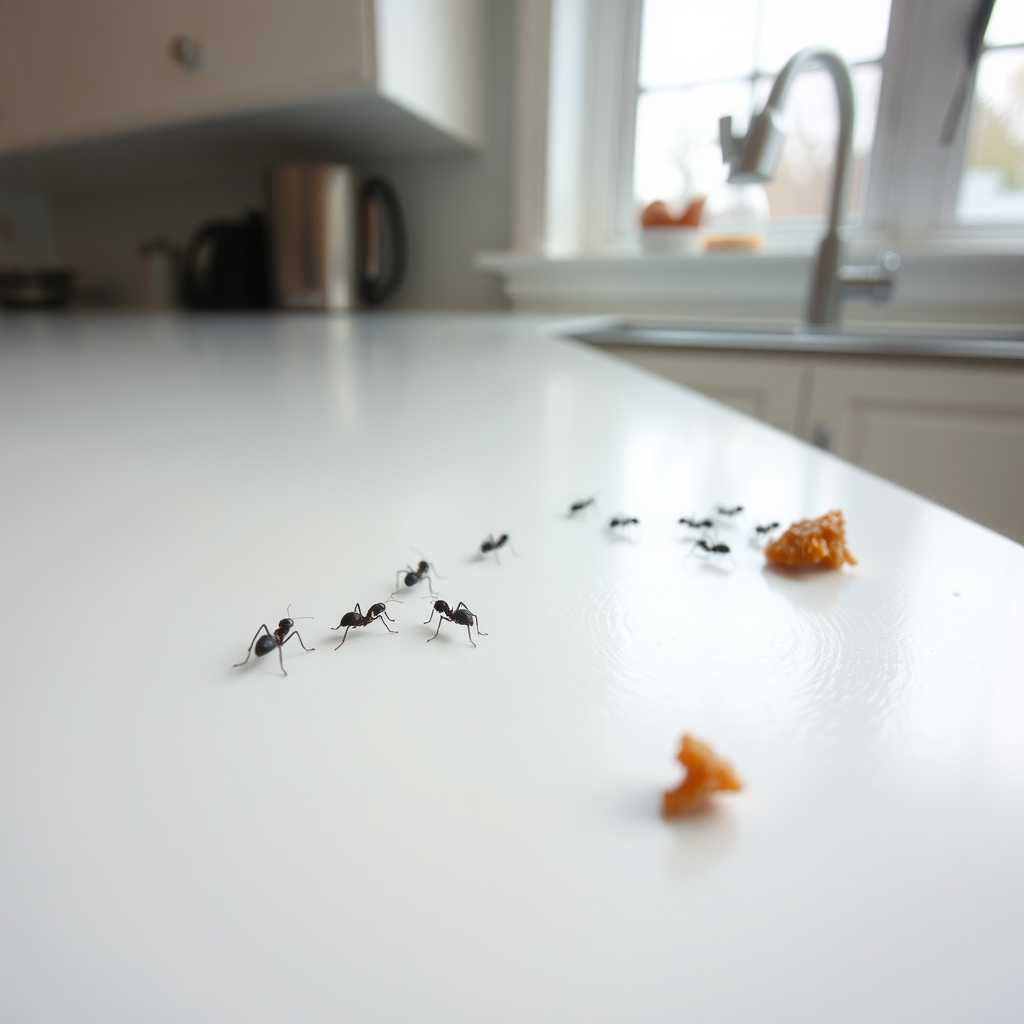
The ants you see are workers following a scent trail to food, and the colony lives outside or inside a wall. Spray kills the workers in view and the colony sends more. Wipe the trail, lock up food, then set ant bait stations where they walk. Workers carry the bait home and feed it to the colony, and that is what makes them stop.
Free fix vs. permanent fix
Wipe the trail and cut off the food
- Wipe trails with soapy water to break the scent path
- Seal sugar, pet food and crumbs in tight containers
- Find where they come in and block it
- Do not spray near the spot where bait will go
How long it lasts: A few days to a couple of weeks. The ants vanish while the food is gone, then return because the colony is still alive.
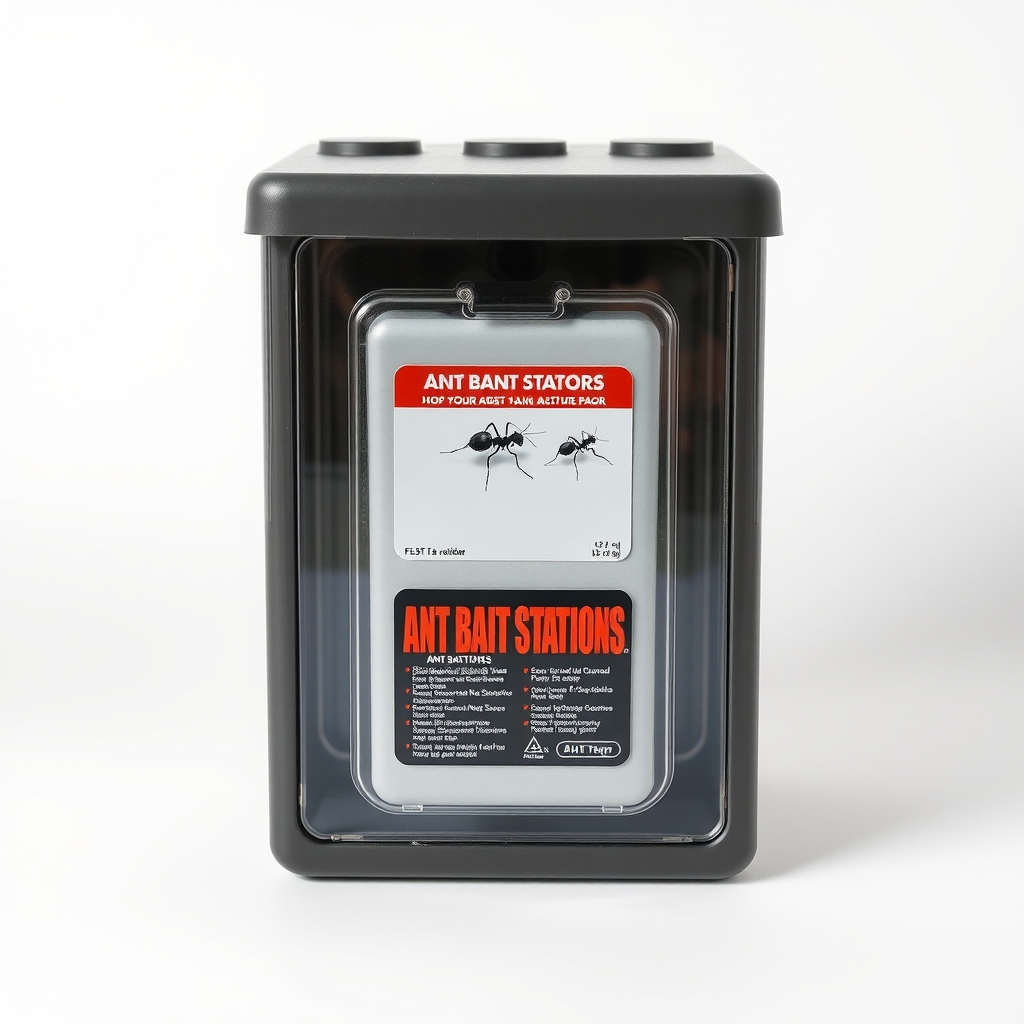
Ant bait stations set along the trail
Bait is a slow poison mixed with food ants like. Workers carry it home and share it, so it reaches the nest. Sprays and wipes only deal with the ants in front of you.
What to get: Enclosed ant bait stations
How long it lasts: It works on the colony itself, usually within days to a few weeks. Sealed gaps keep new ants out after that.
As an Amazon Associate I earn from qualifying purchases.
What you'll need
-
Dish soap and a sponge
To wipe away the scent trail
You have it -
Airtight containers
For sugar, cereal, honey and pet food
You have it -
Honey and peanut butter on index cards
Shows whether the ants want sweet or protein
Free - Illustration
Caulk
Fills the cracks and gaps they use to get in
- Our pick Illustration
Ant bait stations
Match the bait to the ants
- Illustration
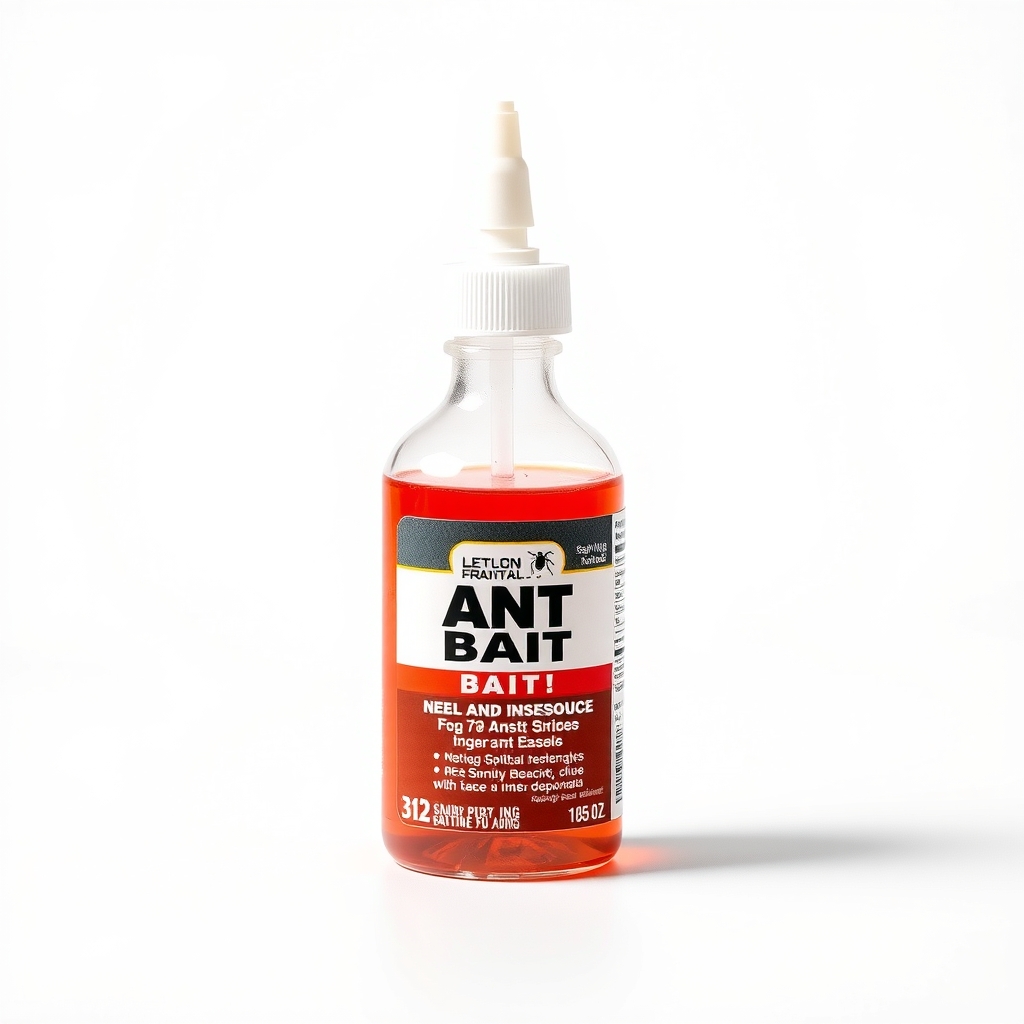
Liquid or gel ant bait
Reaches cracks and shelves stations cannot
Why it happens
A food or water source they found
A scout finds crumbs, sugar, pet food or a drip, then lays a scent trail. Other workers follow it, so one scout turns into a line within hours.
Gaps they can walk through
Ants fit through cracks around pipes, windowsills, baseboards and door thresholds. Heavy rain and dry heat both push colonies indoors in search of water and food.
Sprays that scatter the colony
Contact sprays kill workers on the spot but not the nest. Some species respond by splitting into several colonies, so the problem moves and grows.
A nest inside the house
Sometimes the colony is in a wall, under a sink or behind the dishwasher. If ants keep appearing from one spot after you bait, look there.
Try this first (free)
Do these in order, starting with the simplest.
-
Test what they want
Tool used: Honey and peanut butter on index cardsPut a drop of honey on one index card and a dab of peanut butter on another, near the trail. See which draws a crowd in an hour. Sweet lovers need a sweet bait, and grease or protein lovers need a protein bait.
-
Wipe the trail clean
Tool used: Dish soap and a spongeWash the line with soapy water, not a strong repellent. This breaks the scent path. Wipe around where bait will go, never on the bait.
-
Lock up the food
Tool used: Airtight containersPut sugar, cereal, honey, pet food and bread in airtight containers. Wipe sticky rings off jars and rinse recycling. Pick up pet bowls overnight.
-
Place bait stations on the trail
Tool used: Ant bait stationsSet stations right on or beside the path, near the entry point and on counters where you see ants, a few feet apart. Keep them out of reach of children and pets. Never spray near them, since a repellent smell keeps ants from taking the bait.
IllustrationCheck price on AmazonTool for this step
Ant bait stations · Match the bait to the ants
-
Let them feed, then wait
More ants may show up for a day or two. That is a good sign, so do not kill them. Check weekly, replace stations that dry out or run empty, and expect numbers to drop in one to two weeks.
-
Seal the entry points
Tool used: CaulkOnce the trail is cold, caulk cracks around windows, doors and pipes. Outside, keep branches and mulch off the house.
IllustrationCheck price on AmazonTool for this step
Caulk · Fills the cracks and gaps they use to get in
When free fixes aren't enough
Wiping and food storage stop the line today, but the colony stays alive and sends scouts again. That is why bait is the fix, not an extra. If ants are still coming after two weeks, switch to the other bait type. Large black ants, sawdust piles near wood or winged ants indoors can mean carpenter ants or termites. Stop and call a pest pro.
Buy the fix
Still stuck after the free fixes? These are the products we would look at.
| Pick | Product | Fixes | Who it's for | Buy |
|---|---|---|---|---|
| Best pick | Enclosed ant bait stations | the colony behind the ants you see | Most households with a steady line of ants in the kitchen. | Check price |
| Budget pick | Liquid or gel ant bait in a bottle or syringe | trails and cracks that stations cannot reach | Anyone who needs to bait a crack, a shelf or a windowsill. | Check price |
| Upgrade pick | 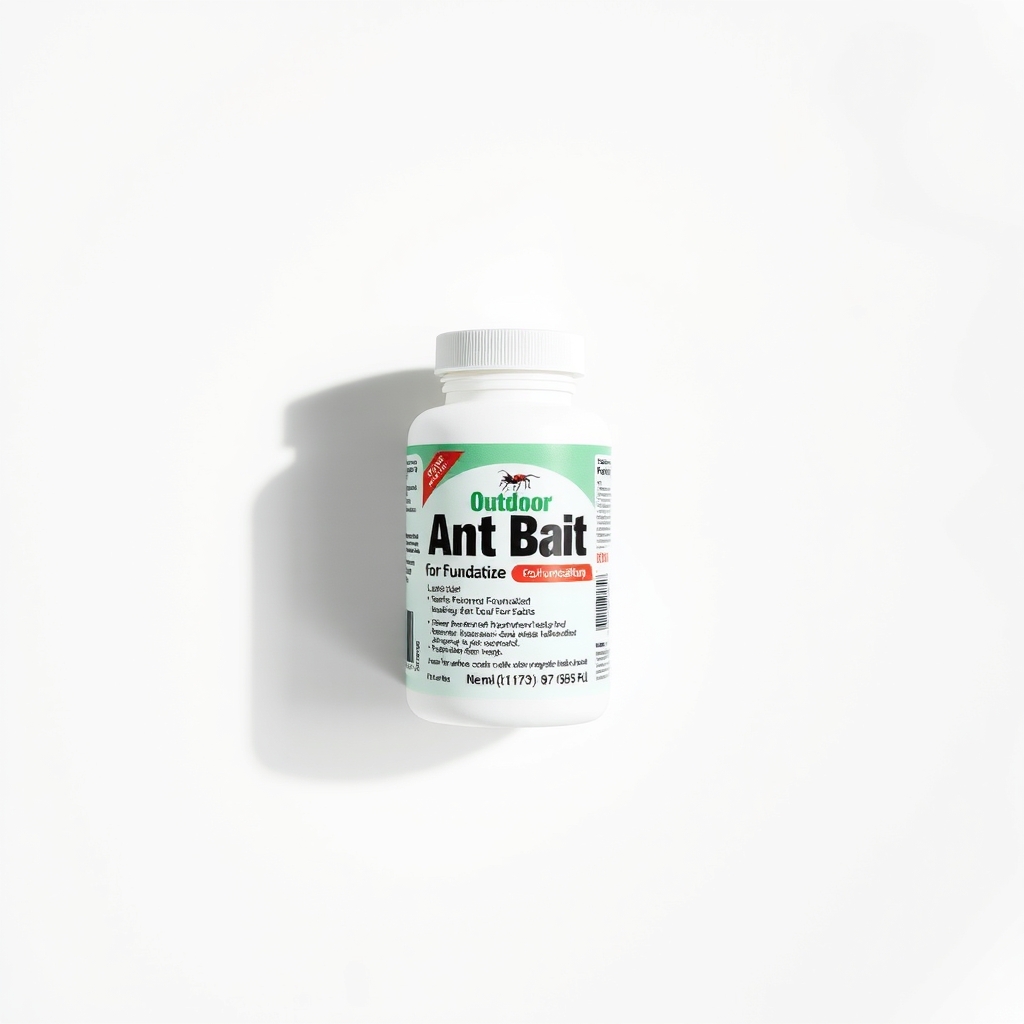 Outdoor ant bait for the foundation | the nest outside that keeps sending ants in | People who get ants every spring or after heavy rain. | Check price |
Enclosed ant bait stations
Fixes: the colony behind the ants you see
Look for: A sweet bait for sugar ants, or a protein bait for grease ants, matched to your test; An enclosed design with the active ingredient listed; Enough stations to place several along the trail.
- Who it's for
- Most households with a steady line of ants in the kitchen.
- Honest downside
- Small children or pets can reach every spot where ants walk. Ask a pro, or place stations behind appliances.
Liquid or gel ant bait in a bottle or syringe
Fixes: trails and cracks that stations cannot reach
Look for: A slow-acting formula named on the label; A tip that places small drops in cracks; A sweet or protein version to match your test.
- Who it's for
- Anyone who needs to bait a crack, a shelf or a windowsill.
- Honest downside
- Pets or toddlers could reach open drops. Use enclosed stations instead.
Outdoor ant bait for the foundation
Fixes: the nest outside that keeps sending ants in
Look for: Labeled for outdoor use around buildings; Stations or granules that stand up to weather; Safe-use directions for pets and children.
- Who it's for
- People who get ants every spring or after heavy rain.
- Honest downside
- The nest is inside your walls. Indoor bait works better there.
As an Amazon Associate I earn from qualifying purchases. We don't show prices because they change, so use the button to see today's price.
How we picked: How we picked: this page is based on pest-control guidance from university extension services, bait instructions from product makers, and what people report in reviews of ant baits. We do not test products by hand.
Which ants are they? Match the bait
- Tiny black or brown ants in a line to sweets: often called sugar ants. Use a sweet bait.
- Ants on pet food, meat or grease: try a protein or grease bait.
- Big black ants near damp or rotting wood, with sawdust nearby: may be carpenter ants. Call a pro.
- Winged ants indoors: could be termite swarmers. Call a pro.
What to skip
Spraying the ants you see
A contact spray kills the workers in view and leaves the nest alone. Repellent residue also keeps ants away from the bait that would finish the job. Skip mixing your own borax-and-sugar bait too. A mix that is too strong kills workers before they carry it home.
Frequently asked questions
How do I get rid of ants in the house naturally?
How do I get rid of sugar ants and tiny black ants in the kitchen?
Can I get rid of ants permanently?
Why are there more ants after I put out bait?
Is ant bait safe around pets and kids?
Related problems
As an Amazon Associate I earn from qualifying purchases. Affiliate disclosure