Musty Patio Cushions? How to Get the Smell Out for Good
The smell is mildew growing in damp foam and fabric. Sun, vinegar and a full dry help, and a mildew cleaner finishes what is left.
By Jamilur Rahman Updated November 5, 2026 · 6 min read
- Time
- 30 min, plus drying
- Cost
- Under $20
- Difficulty
- Easy
In this guide
Quick answer
To get the musty smell out of patio cushions, kill the mildew that causes it and dry the cushion all the way through. Brush off loose mold outdoors, wash the covers and mist the foam with a vinegar mix, then dry in sun and a breeze. That clears light mustiness. If the smell comes back or stains remain, an outdoor fabric mildew cleaner reaches what vinegar leaves behind, and a breathable cover keeps moisture from building up again.
Free fix vs. permanent fix
Sun, vinegar and a full dry
- Brush off loose mold outdoors while wearing a mask
- Wash removable covers as the care tag says
- Mist cushions with a 1:1 vinegar and water mix
- Dry fully in the sun and a breeze
How long it lasts: Often a season for light mustiness. Mildew deep in the foam can return the next time the cushion gets damp.
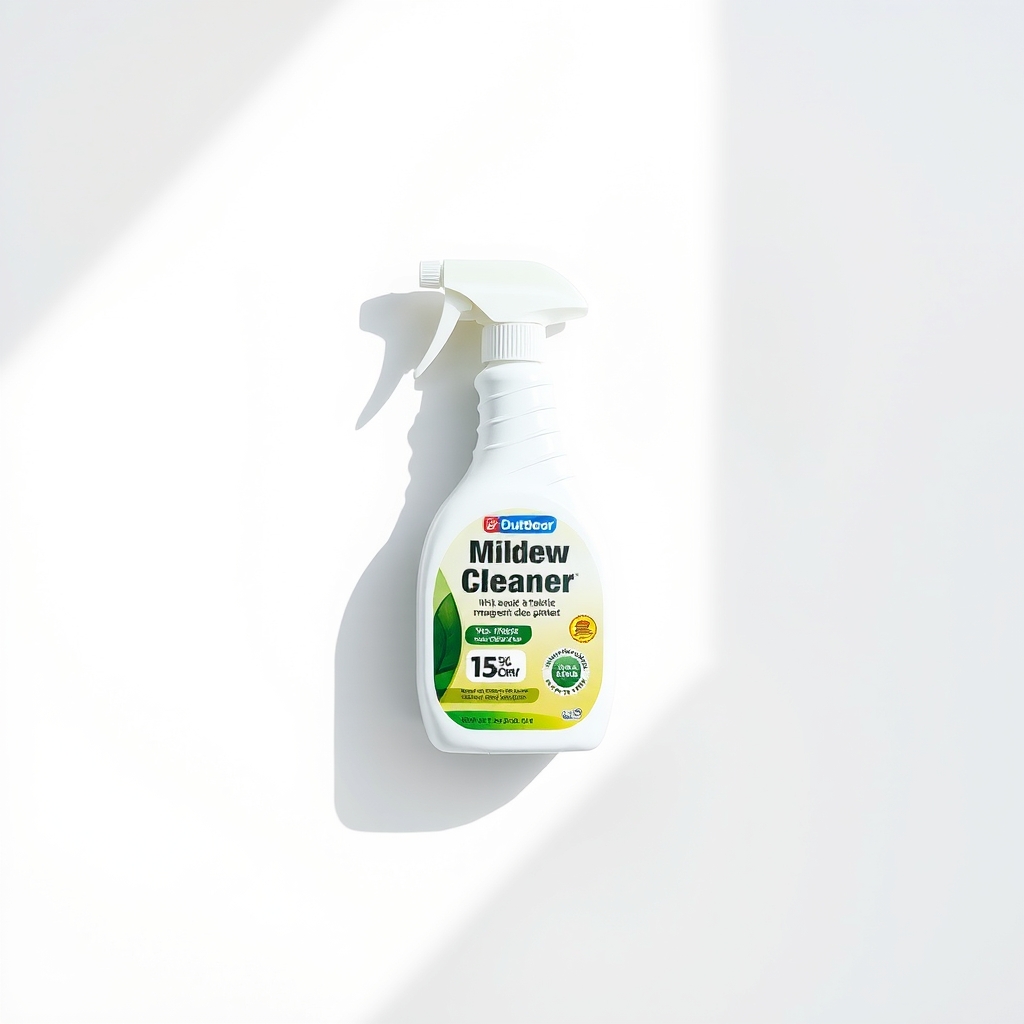
An outdoor fabric mildew cleaner
Vinegar treats the surface and masks the smell. A cleaner made for outdoor fabric is formulated to kill mildew and lift the stains it leaves, so the cushion is less likely to smell again after the next damp night.
What to get: Outdoor fabric mildew cleaner
How long it lasts: A season or more. It treats the mildew itself, and you finish with a cushion that is dry all the way through.
As an Amazon Associate I earn from qualifying purchases.
What you'll need
-
Dust mask
Keeps mold spores out of your nose while you brush
You have it -
Soft brush
For loose mold and gentle scrubbing
You have it -
Spray bottle of vinegar and water
Equal parts white vinegar and water
You have it - Our pick Illustration
Outdoor fabric mildew cleaner
Check that the label covers your cushion fabric
- Illustration
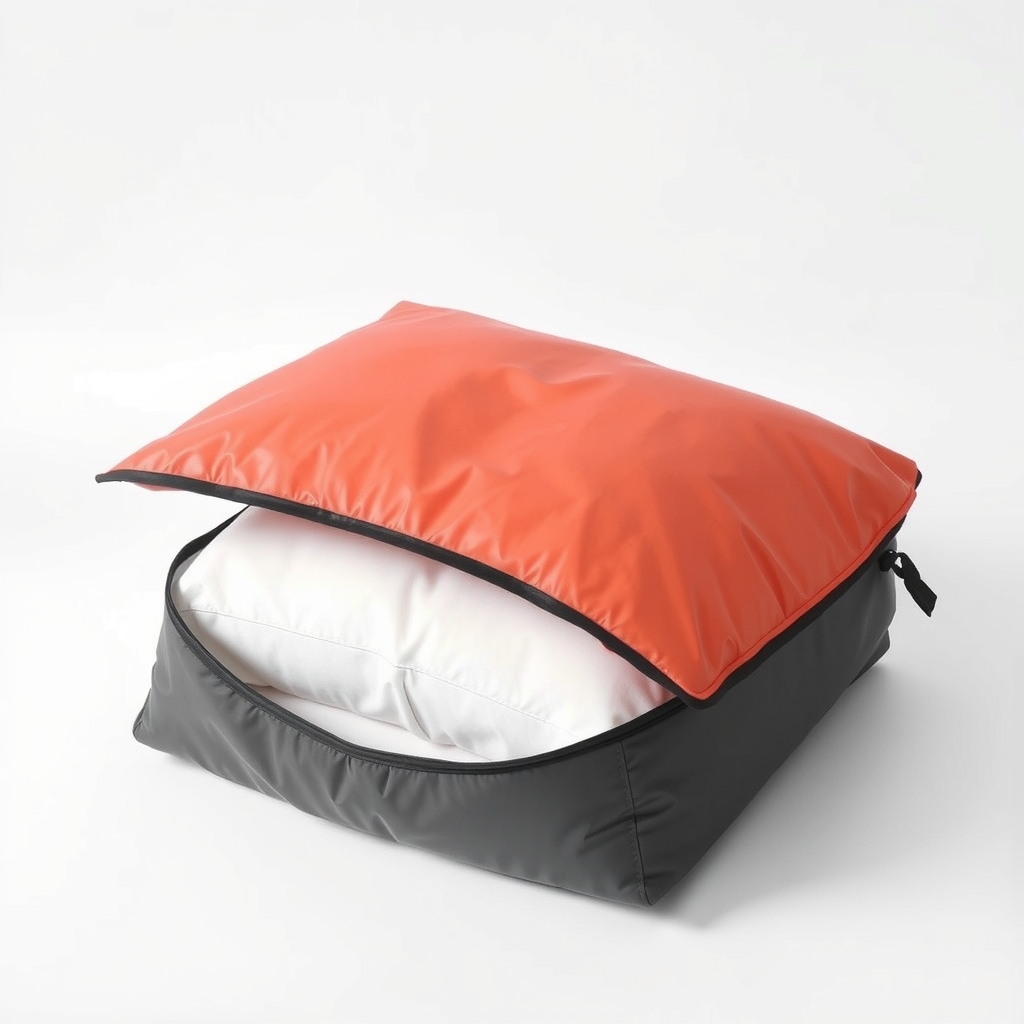
Breathable waterproof cushion storage bag
For storing cushions without trapping moisture
Why it happens
Mildew from trapped moisture
Rain, dew and humidity soak into the foam. Foam dries slowly, and a damp cushion grows mildew that gives off the musty smell.
Dirt and pollen as food
Dust, pollen and body oils feed mildew, so a dirty cushion starts to smell sooner.
Storing cushions damp
Putting cushions in a deck box or plastic bag while they are still damp traps the moisture for weeks.
Poor airflow
Cushions pressed against a wall, or covered with non-breathable plastic, stay wet longer.
Try this first (free)
Do these in order, starting with the simplest.
-
Brush off loose mold outdoors
Tool used: Dust maskTake the cushions outside, put on a dust mask and brush the loose mold off with a soft brush. Do it away from open windows so spores do not blow indoors.
-
Wash removable covers
Follow the care tag. Many covers can be machine washed on a gentle cycle in cold or warm water, then hung to dry. Skip the dryer unless the tag allows it.
-
Mist with vinegar and water
Tool used: Spray bottle of vinegar and waterSpray equal parts white vinegar and water on the fabric and foam until damp, let it sit for 15 to 30 minutes, then blot. Test a hidden spot first.
-
Scrub stains and rinse
Tool used: Soft brushScrub gently with a soft brush and a little mild dish soap. Rinse with a hose, then squeeze the foam like a sponge to push water out.
-
Dry all the way through
Stand the cushions on edge in sun and a breeze for a day or two, flipping them. The center should feel dry, not cool or damp. Bringing in a damp cushion brings the smell back.
-
Use the mildew cleaner on what is left
Tool used: Outdoor fabric mildew cleanerApply the cleaner as the label directs, wait the full time, rinse and dry again. Do this outdoors or with plenty of fresh air.
IllustrationCheck price on AmazonTool for this step
Outdoor fabric mildew cleaner · Check that the label covers your cushion fabric
When free fixes aren't enough
If the smell is still there after a full day of drying, the mildew is deep in the foam or in set-in stains. A cleaner made for outdoor fabric kills what vinegar leaves. Heavy black patches across a cushion, a smell that returns after every rain, or anyone in the house with asthma or mold allergies are signs to replace the foam or the cushion instead. If the foam crumbles or stays wet in the middle, replacing it costs less than the fight.
Buy the fix
Still stuck after the free fixes? These are the products we would look at.
| Pick | Product | Fixes | Who it's for | Buy |
|---|---|---|---|---|
| Best pick | Outdoor fabric mildew cleaner | the mildew smell and stains that vinegar leaves behind | Cushions that still smell after drying, or show spots and stains. | Check price |
| Upgrade pick | Breathable waterproof cushion storage bag | moisture building up while cushions are stored | Anyone who stores cushions for winter, or lives where it rains often. | Check price |
Outdoor fabric mildew cleaner
Fixes: the mildew smell and stains that vinegar leaves behind
Look for: Labeled for outdoor fabric and mildew; Safe for your cushion fabric, so check the label; Spray-on or soak directions that cover foam.
- Who it's for
- Cushions that still smell after drying, or show spots and stains.
- Honest downside
- The foam is crumbling, or you are sensitive to strong cleaner smells and cannot work outdoors.
Breathable waterproof cushion storage bag
Fixes: moisture building up while cushions are stored
Look for: A waterproof outer layer with vents or breathable panels; Big enough for your cushions without squashing them; A zipper that closes fully.
- Who it's for
- Anyone who stores cushions for winter, or lives where it rains often.
- Honest downside
- The cushions are still damp. Dry them first, or the bag traps the smell.
As an Amazon Associate I earn from qualifying purchases. We don't show prices because they change, so use the button to see today's price.
How we picked: How we picked: this page is based on fabric care guides, mildew cleaning advice and the problems and fixes owners report in reviews. We do not test products by hand.
How to dry thick foam faster
Foam holds water like a sponge. Press it between towels, then stand it on edge in direct sun with air moving around it. A box fan helps indoors or in a garage. If the center is still cool to the touch, it is not dry.
What to skip
Perfume sprays and bleach
Fragrance sprays cover the smell for a day. Bleach can fade and weaken fabric, and it cannot reach mildew deep in the foam. Follow the care tag instead.
Frequently asked questions
Can I put patio cushions in the dryer?
Why do my patio cushions smell musty even when they look clean?
Is mold on patio cushions dangerous?
How do I keep patio cushions from getting musty again?
Related problems
 Free fix inside
Outdoor & Garage · Patio Cushions
Patio Cushions Sliding Off? Grips and Ties That Keep Them Put
Read the fix Free fix inside
Outdoor & Garage · Patio
Patio Furniture Rusting? Covers and Touch-Up Paint Help
Read the fix Free fix inside
Outdoor & Garage · Patio
Patio Chair Seats Sagging or Torn? Replacement Slings Help
Read the fix Free fix inside
Outdoor & Garage · Patio
Patio Smells Like Dog Pee? Enzymes Work Where Bleach Fails
Read the fixAs an Amazon Associate I earn from qualifying purchases. Affiliate disclosure