Best Socks That Prevent Smell: 4 Fabrics Ranked (Skip Cotton)
Smelly socks come from damp feet and bacteria, so the fabric matters. Four fabrics ranked, plus the free habits that cut the smell too.
By Jamilur Rahman Updated November 5, 2026 · 6 min read
- Time
- 5 min
- Cost
- $20-$50
- Difficulty
- Easy
In this guide
Quick answer
Sweat alone does not smell. Bacteria feeding on damp socks and shoes do. Fabric matters most, so ranked from best to worst for odor: merino wool, antimicrobial-treated synthetics, bamboo blends, and cotton last. Wash socks inside out, rotate your shoes, and for socks that stay fresher all day, buy merino wool blends. They take in moisture vapor instead of staying damp, and owners often report that they smell less between washes.
Free fix vs. permanent fix
Rotate shoes and wash socks right
- Dry between your toes after washing your feet
- Alternate shoes so each pair dries for a full day
- Soak the worst socks in warm water with white vinegar
- Sprinkle baking soda in shoes overnight
How long it lasts: Helps for a day or two at a time, while you keep it up. Cotton socks still go damp within hours.
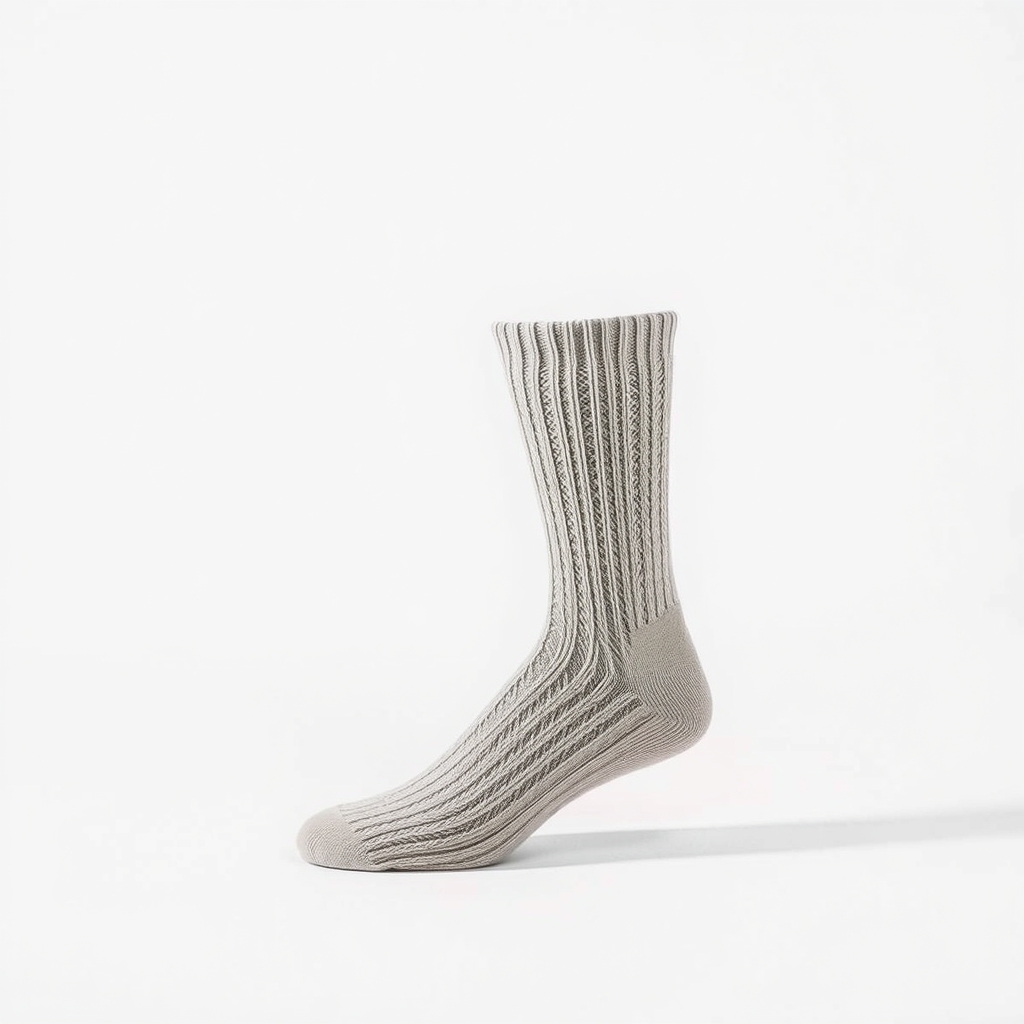
Merino wool blend socks
Bacteria need damp. Merino fibers take in moisture vapor and release it, so the sock feels drier than cotton, and owners often report that pairs stay fresh longer between washes. Combined with the free habits, the problem mostly goes away.
How long it lasts: Every wear. The fiber manages moisture from the first step, so odor has less to feed on.
As an Amazon Associate I earn from qualifying purchases.
What you'll need
-
Baking soda
Soaks up moisture and odor inside shoes
You have it -
White vinegar
For pre-soaking smelly socks. Never mix it with bleach
You have it - Our pick Illustration
Merino wool blend socks
The lasting fix for socks that stink by midday
- Illustration
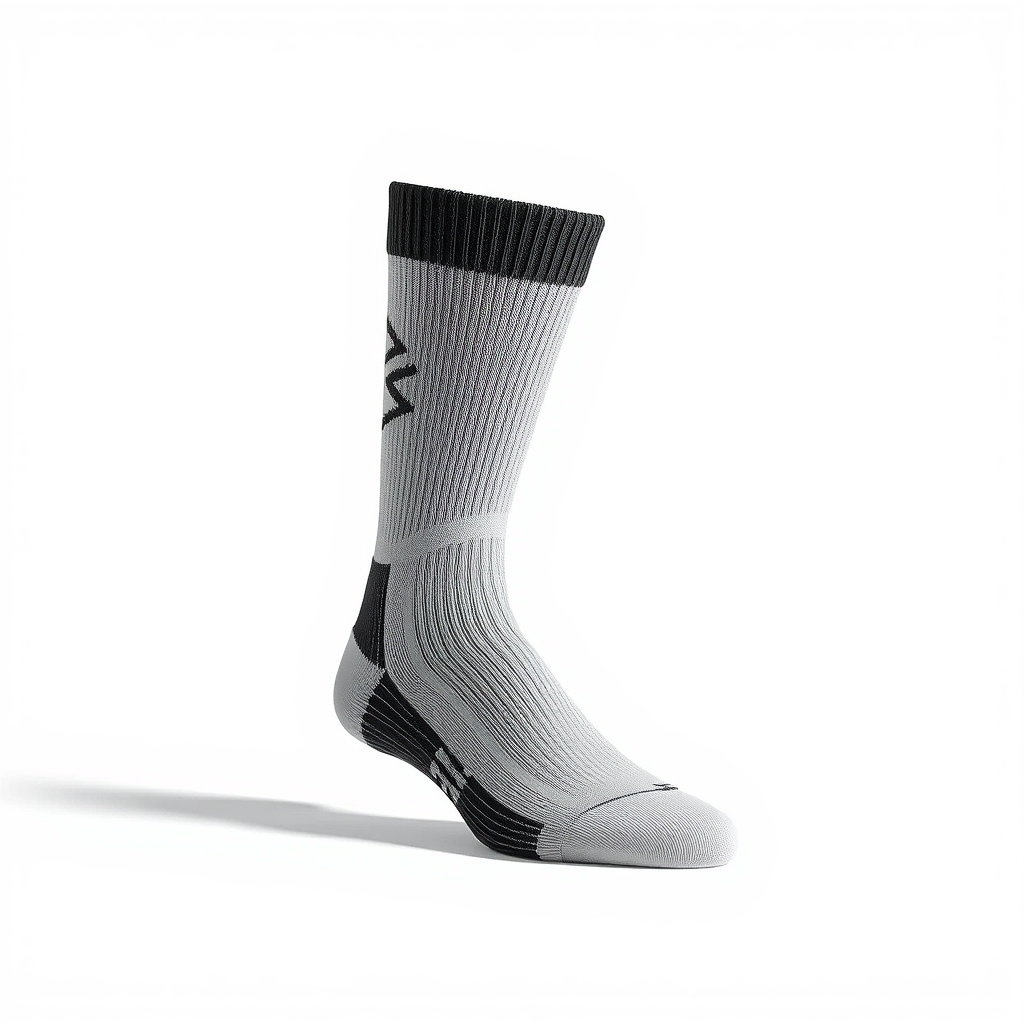
Antimicrobial-treated athletic socks
A lower-cost option for gym and running shoes
- Illustration
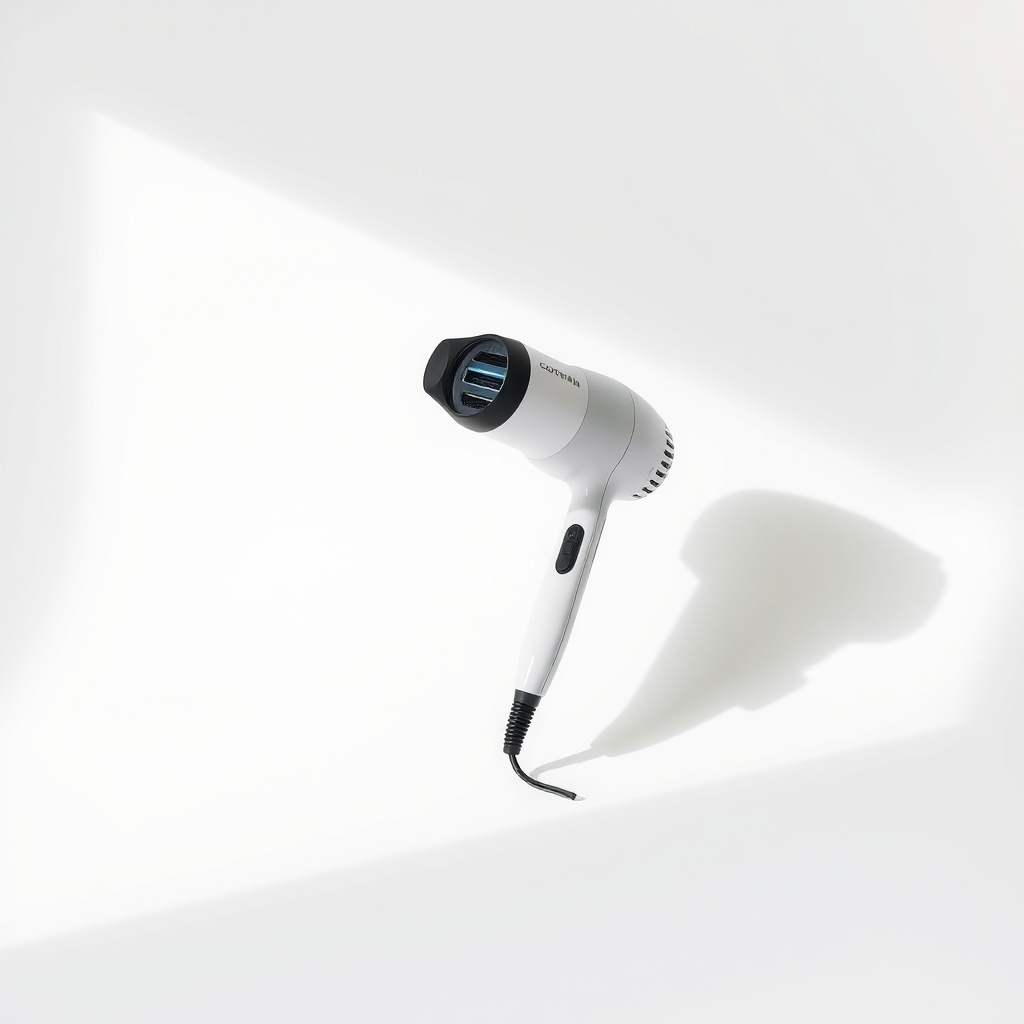
Electric shoe dryer
Dries damp shoes between wears
Why it happens
Bacteria, not sweat
Feet have many sweat glands, but sweat itself has little smell. Skin bacteria break it down, and that is what stinks.
Fabric that holds moisture
Cotton soaks up sweat and stays wet, giving bacteria the damp they like. Untreated polyester pulls moisture away but can hold odor in the fibers.
Shoes that never dry
Damp shoes reinfect clean socks. Wearing the same pair every day gives them no time to dry out.
Too little detergent or too cool a wash
An overloaded drum, too little detergent and cold water leave bacteria behind. If socks smell right after a wash, the wash is not removing the odor.
Try this first (free)
Do these in order, starting with the simplest.
-
Wash and dry your feet well
Wash with soap and dry between the toes before you put on socks. Damp skin feeds the same bacteria that cause the smell.
-
Rotate your shoes and sprinkle baking soda
Tool used: Baking sodaGive each pair a full day to dry, and pull out the insoles. Sprinkle baking soda inside overnight and tap it out in the morning.
-
Pre-soak the worst offenders
Tool used: White vinegarSoak smelly socks in a basin of warm water with a cup of white vinegar for about 30 minutes before they go in the wash.
-
Wash them properly
Turn socks inside out and wash warm if the label allows. Use the right amount of detergent and do not overload the drum. Skip fabric softener, which coats fibers and can reduce moisture wicking. Dry fully.
-
Change to socks that stay dry
Tool used: Merino wool blend socksWear a merino wool blend, which handles moisture better than cotton. On sweaty days, carry a spare pair and change at midday.
IllustrationCheck price on AmazonTool for this step
Merino wool blend socks · The lasting fix for socks that stink by midday
When free fixes aren't enough
If your socks smell by midday even though you wash well and rotate shoes, the fabric is the problem. Cotton cannot stop getting damp, so the habits only reduce the smell. Merino takes in vapor before it turns to damp, which is why it keeps odor down between washes. If your feet smell strongly no matter what you wear, you sweat heavily, or the skin is red, peeling or itchy, you may have athlete's foot or another condition. A pharmacist or doctor can help.
Buy the fix
Still stuck after the free fixes? These are the products we would look at.
| Pick | Product | Fixes | Who it's for | Buy |
|---|---|---|---|---|
| Best pick | Merino wool blend socks | feet that sweat into socks and make them stink | Almost everyone with smelly socks, especially people in shoes all day or on their feet for work. | Check price |
| Budget pick | Antimicrobial-treated synthetic athletic socks | sweaty feet in gym or running shoes on a lower budget | Gym-goers and runners who go through socks quickly and want a lower price. | Check price |
| Upgrade pick | Electric shoe dryer | damp shoes that bring the smell back | People whose shoes stay damp for a day or more between wears. | Check price |
Merino wool blend socks
Fixes: feet that sweat into socks and make them stink
Look for: A high merino share, ideally more than half, blended with nylon for strength and some stretch fiber; Fine, itch-free merino; A cushion level that suits your shoe, thin, medium or thick; Machine washable, per the label.
- Who it's for
- Almost everyone with smelly socks, especially people in shoes all day or on their feet for work.
- Honest downside
- You have a wool allergy, or your shoes are tight. Thick wool needs room.
Antimicrobial-treated synthetic athletic socks
Fixes: sweaty feet in gym or running shoes on a lower budget
Look for: A moisture-wicking synthetic blend that dries fast; A listed odor-control or antimicrobial treatment; A multipack, so you can rotate pairs.
- Who it's for
- Gym-goers and runners who go through socks quickly and want a lower price.
- Honest downside
- You do not want to rely on a treatment that can fade after many washes. Merino does not depend on one.
Electric shoe dryer
Fixes: damp shoes that bring the smell back
Look for: Gentle, low heat that is safe for your shoe material; A timer that shuts it off; A shape that fits your shoes or boots.
- Who it's for
- People whose shoes stay damp for a day or more between wears.
- Honest downside
- Your shoes have glued soles or delicate leather. Follow the maker's care guide instead.
As an Amazon Associate I earn from qualifying purchases. We don't show prices because they change, so use the button to see today's price.
How we picked: How we picked: this page ranks fabrics using textile and sock-care guides on how each fiber handles moisture and odor, plus the results owners report in reviews. We do not test products by hand.
The 4 fabrics, ranked
- Merino wool: fine fibers that take in moisture vapor and release it. Soft, no itch, and owners often report less smell between washes. Look for blends with nylon for strength.
- Antimicrobial-treated synthetics: they wick sweat and dry fast. The odor treatment can fade after many washes, and untreated polyester holds smell, so check the label.
- Bamboo viscose blends: soft and absorbent, but they hold more moisture than wool, and odor claims vary.
- Cotton: absorbs sweat and stays damp, so odor builds fast. Fine for a short stroll, a poor choice for a long day in shoes.
How to care for odor-fighting socks
Wash them inside out, skip fabric softener, and dry them fully between wears. Do not use a hot dryer on wool, since heat can shrink it. If a pair still smells after a week of wear, give it the vinegar soak.
What to skip
Cotton gym socks and scented sprays
Cotton soaks up sweat and stays damp for hours, which is the fastest route to a stink. Scented sprays cover the smell for a short time while the bacteria carry on.
Frequently asked questions
What makes socks smell?
Why do my socks still stink after washing?
Are bamboo socks good for odor?
Can I machine wash merino wool socks?
Related problems
As an Amazon Associate I earn from qualifying purchases. Affiliate disclosure