Laundry Room Drain Backing Up? Snake the Standpipe First
Lint and soap scum plug the standpipe, so washer water has nowhere to go. Clear it with a hand snake before you call a plumber.
By Jamilur Rahman Updated November 5, 2026 · 6 min read
- Time
- 30 min
- Cost
- $20-$50
- Difficulty
- Medium
In this guide
Quick answer
A laundry drain backs up when lint, hair and detergent scum build up in the standpipe and the trap under it, so the washer pumps water in faster than the pipe drains it. Stop the washer, bail out the standing water and run a hand drain snake down the standpipe to pull out the plug. If other drains in the house are slow or gurgling too, the clog is in the main line, and that is a plumber's job.
Free fix vs. permanent fix
Bail it out and pull out what you can reach
- Stop the washer and pull the drain hose out of the standpipe
- Bail the water into a bucket, wearing gloves
- Pull out any lint you can reach by hand
- Flush with very hot tap water, never boiling
How long it lasts: A few months at best. Lint keeps building in the trap, and a plug deeper than your fingers stays put.
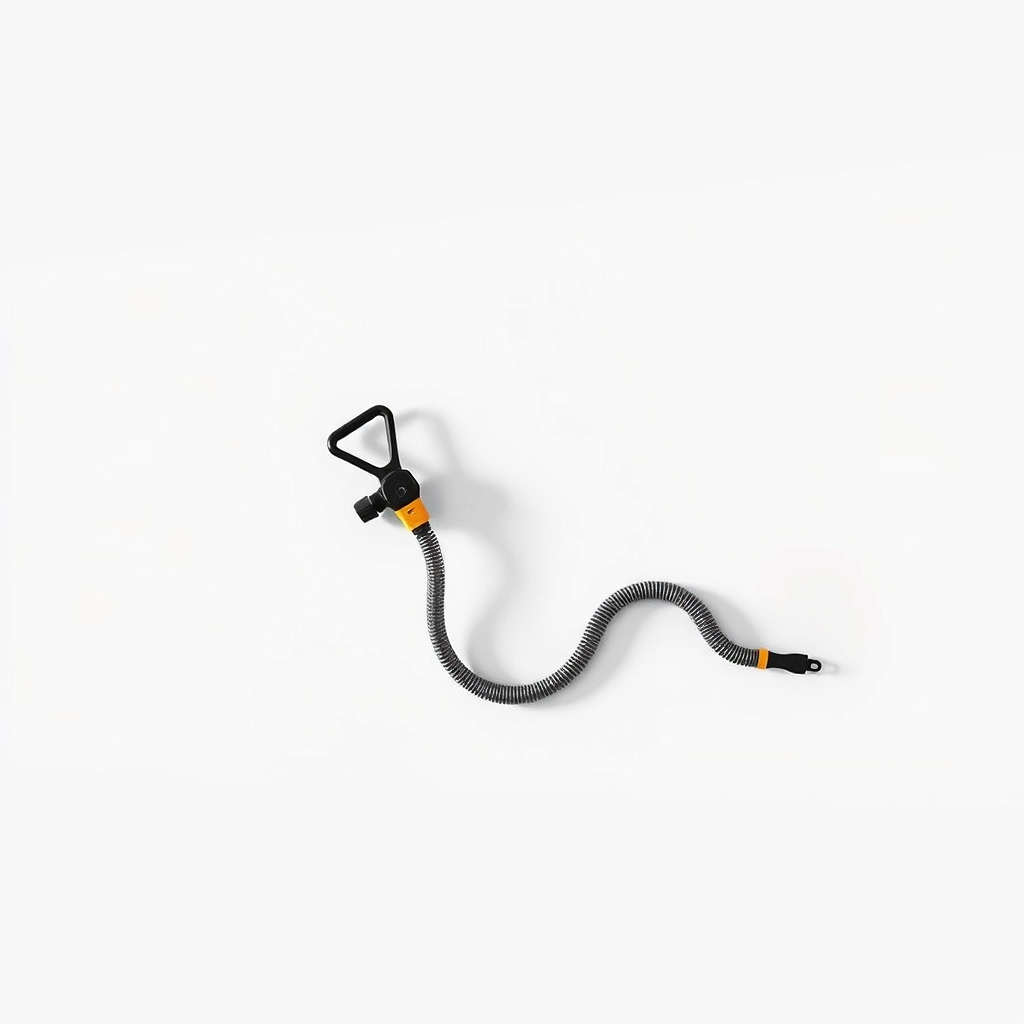
A hand drain snake (auger)
Lint and soap form a plug a few feet down, past your reach and past what hot water melts. A snake reaches beyond the trap, breaks up or hooks the plug and pulls it out. Cleaners and hot water leave most of it behind.
What to get: Hand-crank drain snake, about 25 feet
How long it lasts: The plug is gone until lint builds again, often a year or more. Keep the snake and clear it in 10 minutes next time.
As an Amazon Associate I earn from qualifying purchases.
What you'll need
-
Rubber gloves
The water can carry bacteria
You have it -
Bucket and old towels
Bail out the water and catch splashes
You have it - Our pick Illustration
Hand drain snake
About 25 feet is enough for most standpipes
- Illustration
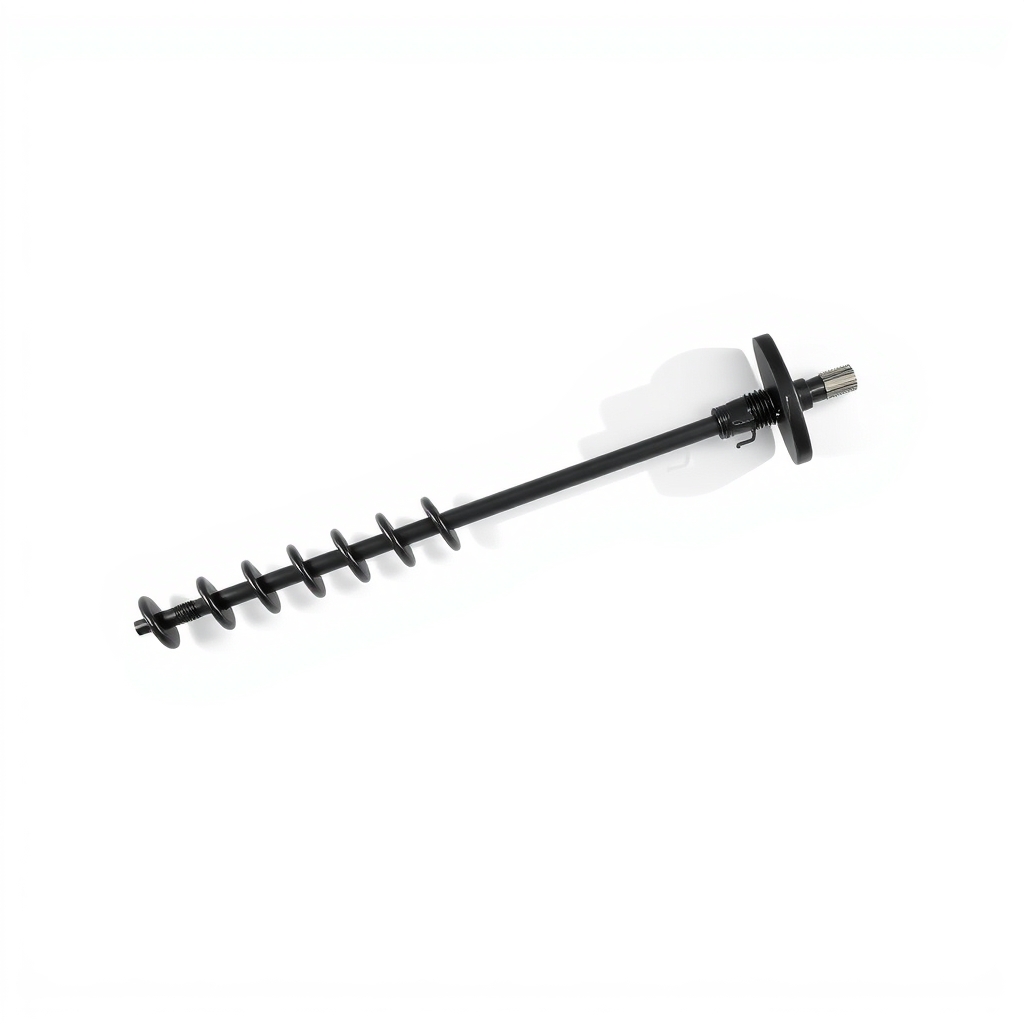
Long hand drain auger
Only for a clog past the trap, in the branch line
Why it happens
Lint in the standpipe and trap
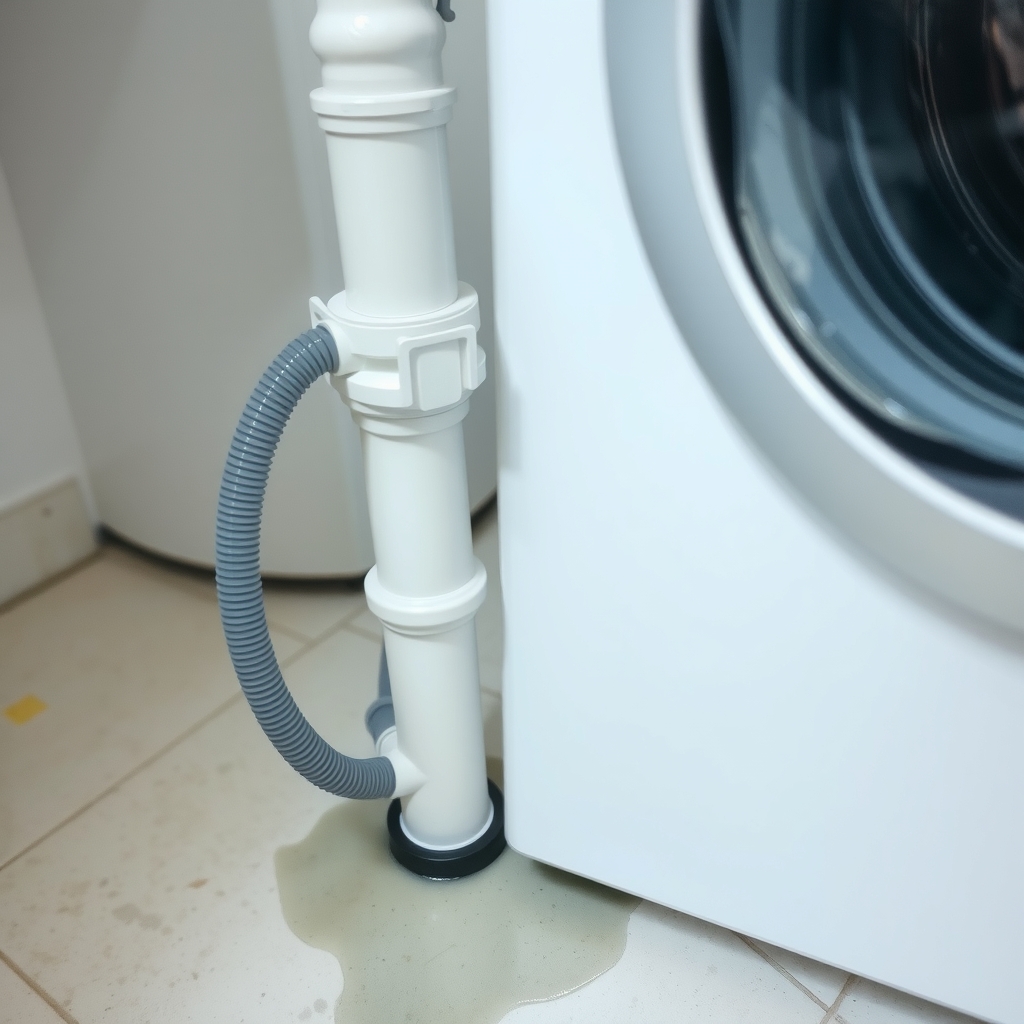
Lint gets past the washer's filter and into the water. It settles in the trap, the sharp bend under the standpipe, and builds into a plug.
Detergent and softener scum
Too much soap, and fabric softener, leave a sticky film on the pipe walls that glues lint in place.
A hose pushed in too far or sealed
The drain hose should hang loosely in the top few inches of the standpipe, with room for air around it. A hose shoved deep, or sealed with tape or rags, stops the pipe venting, so it drains slowly and gurgles.
A clog farther down
If the branch line or the main line is partly blocked, water backs up at the lowest opening. In many homes that is the laundry standpipe.
Try this first (free)
Do these in order, starting with the simplest.
-
Stop the washer and bail out the water
Tool used: Bucket and old towelsPause the washer. If the floor is wet near the outlet or the cord, switch the washer's breaker off before you touch anything. Pull the drain hose out of the standpipe and scoop the standing water into a bucket. If the water is dirty or smells like sewage, stop and call a plumber.
-
Pull out what you can reach
Tool used: Rubber glovesShine a light into the standpipe and remove lint and gunk with gloved fingers. Bag it up. Do not wash it down the drain.
-
Run the snake
Tool used: Hand drain snakeFeed the snake down the standpipe until you feel resistance at the trap. Tighten the lock screw, crank the handle in one direction and push forward slowly. When the head breaks through or catches, pull it out slowly and clean it. Repeat until it comes up clean.
IllustrationCheck price on AmazonTool for this step
Hand drain snake · About 25 feet is enough for most standpipes
-
Flush and test
Tool used: Bucket and old towelsPour in a few pots of very hot tap water, not boiling, since boiling water can soften plastic pipe. Then pour in a full bucket of water and watch. It should drain without rising.
-
Reset the hose
Put the drain hose back so that it only goes a few inches into the standpipe, with nothing sealing the opening. Secure it with the hose guide or a loop so it cannot slip down.
When free fixes aren't enough
Hot water and your fingers can clear a fresh clog, but a plug that sits in or past the trap needs a snake. If the water still drops slowly after the snake comes up clean, the clog is farther down the branch line, and a longer auger can reach it. If other drains are slow too, the floor drain or a tub gurgles, or you smell sewage, the main line is blocked. Stop running water and call a plumber. If sewage comes up, avoid contact and keep the washer off.
Buy the fix
Still stuck after the free fixes? These are the products we would look at.
| Pick | Product | Fixes | Who it's for | Buy |
|---|---|---|---|---|
| Best pick | Hand-crank drain snake, about 25 feet | a lint and soap plug in the standpipe or trap | Anyone whose laundry drain has gurgled, drained slowly or backed up. | Check price |
| Upgrade pick | Long hand-crank drain auger, 50 feet | clogs beyond the trap, in the branch line | Anyone whose standpipe is clear but whose drain is still slow, or whose laundry sits far from the main stack. | Check price |
Hand-crank drain snake, about 25 feet
Fixes: a lint and soap plug in the standpipe or trap
Look for: A cable around 25 feet long; A drum or handle with a lock screw; A head small enough for a 2-inch standpipe and a grip you can hold wet.
- Who it's for
- Anyone whose laundry drain has gurgled, drained slowly or backed up.
- Honest downside
- More than one drain is backing up. The plug is in the main line, and a plumber has the right equipment.
Long hand-crank drain auger, 50 feet
Fixes: clogs beyond the trap, in the branch line
Look for: A cable of 50 feet or more; A sturdy drum and handle; A bulb or corkscrew head for pulling out debris.
- Who it's for
- Anyone whose standpipe is clear but whose drain is still slow, or whose laundry sits far from the main stack.
- Honest downside
- Your pipes are old or fragile, or you have never used a snake. Start with the shorter one, or call a plumber.
As an Amazon Associate I earn from qualifying purchases. We don't show prices because they change, so use the button to see today's price.
How we picked: How we picked: this page is based on plumbing guides on standpipes and traps, washing machine installation manuals and the instructions from drain tool makers, and the problems and fixes people report in reviews. We do not test products by hand.
Check the standpipe setup
Many plumbing codes want the top of the standpipe to sit between about 18 and 42 inches above the trap. A standpipe far outside that range can overflow or siphon. Local rules vary, so ask a plumber if yours looks too short. Also check that the hose is not kinked and that the loop at the top is in place.
What to skip
Chemical drain cleaners and boiling water
Cleaners rarely cut through packed lint, and the caustic liquid can sit in the standpipe and splash you when you snake it. It burns skin and eyes. Boiling water can soften plastic pipe joints. Use a snake and very hot tap water instead.
Frequently asked questions
Why does my laundry drain back up when the washer drains?
How often should I clean the laundry drain?
Is it safe to keep running the washer if the drain is slow?
When should I call a plumber?
Related problems
As an Amazon Associate I earn from qualifying purchases. Affiliate disclosure