How to Stop Clothes From Bleeding Color: Dye Catcher Sheets
Loose dye in the wash water is what stains your other clothes. Sort and wash new items alone, and use dye catcher sheets for mixed loads.
By Jamilur Rahman Updated November 5, 2026 · 7 min read
- Time
- 10 min
- Cost
- Under $20
- Difficulty
- Easy
In this guide
Quick answer
To stop clothes from bleeding color, wash new, dark and bright items alone in cold water until the rinse runs clear, and never mix them with whites or light colors. Loose dye floats in the wash water and lands on other clothes. A color catcher sheet in the drum traps that dye, so mixed loads stay safer. If a garment has already bled, rewash it right away, before it dries.
Free fix vs. permanent fix
Sort, wash cold and wash new items alone
- Wash new dark and bright items alone for the first two or three washes
- Use cold water and a color-safe detergent
- Turn jeans and dark items inside out
- Take clothes out as soon as the cycle ends
How long it lasts: Works every time you do it. It fails the day you rush a mixed load.
Color catcher sheets in every mixed load
Sorting only works if you do it every time. A catcher sheet is designed to trap dye that comes loose in the water, so one stray red sock does not tint a whole load. It does not replace sorting. It is the safety net when you do not have enough of one color for a full load.
What to get: Color catcher sheets for laundry
How long it lasts: Each load. One sheet per wash, then toss it.
As an Amazon Associate I earn from qualifying purchases.
What you'll need
-
Color-safe detergent
Regular detergent labeled safe for colors works
You have it -
Three baskets or a sorter
Lights, darks and brights
You have it - Our pick Illustration
Color catcher sheets
One sheet in the drum for each mixed load
- Illustration
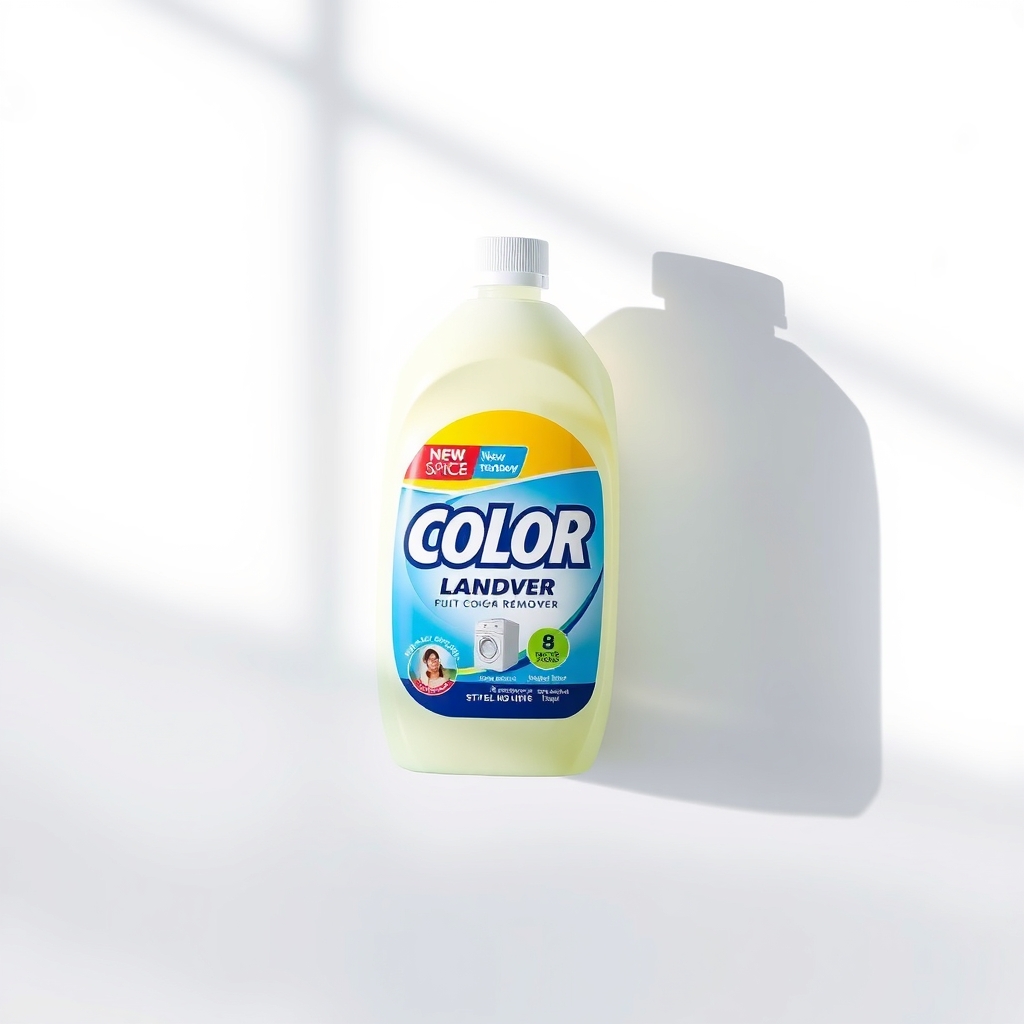
Color run remover
The rescue step if a load has already tinted
Why it happens
New dye that was never fully rinsed out
Dark denim, reds and navy shed extra dye in the first few washes. Indigo and red are the worst offenders.
Warm or hot water
Heat loosens dye from the fibers. Warm and hot washes release more color than cold ones.
Mixed loads
One red towel or dark sock in a load of whites is enough to tint everything. Wet clothes pressed together in a heap can also transfer dye.
Heavily dyed or low-quality fabric
Cotton, rayon and deeply dyed cloth bleed more than polyester or tightly colorfast fabric. An overloaded drum also presses wet clothes together.
Try this first (free)
Do these in order, starting with the simplest.
-
Check the care label and test the dye
Labels that say wash separately or wash with like colors mean it. For a quick test, dab a damp white cloth on an inside seam. If dye comes off on the cloth, wash the item alone.
-
Wash new dark and bright items alone
Wash new jeans, reds and navy by themselves, or with other dark items, for the first two or three washes, or until the rinse water runs clear. Turn jeans inside out to cut rubbing and fading.
-
Use cold water and a color-safe detergent
Tool used: Color-safe detergentSet the washer to cold. Cold water keeps dye in the fibers. Pick a detergent labeled safe for colors, and do not overload the drum.
-
Add a color catcher sheet to mixed loads
Tool used: Color catcher sheetsToss one sheet into the drum with the clothes at the start of the cycle and follow the pack directions. If it comes out tinted, loose dye was in the water and the sheet did its job.
IllustrationCheck price on AmazonTool for this step
Color catcher sheets · One sheet in the drum for each mixed load
-
Do not let wet clothes sit
Move the load to the dryer or a rack as soon as the cycle ends. Damp clothes piled together can transfer dye for hours.
-
If a garment already bled, rewash it right away
Tool used: Color run removerWhile the clothes are still wet, rewash them in cold water with a color-safe detergent, and do not dry them. Heat sets the stain. If the tint remains, use a color run remover as the pack directs.
IllustrationCheck price on AmazonTool for this step
Color run remover · The rescue step if a load has already tinted
When free fixes aren't enough
Sorting works until you run short of one color or reach for one more shirt. Small households often run mixed loads, because a full dark load can take a week to fill. And some items bleed for months, especially deep reds and indigo denim. A catcher sheet takes the dye out of the water before it lands on other clothes. It will not rescue a load that is already stained, and it cannot stop a garment from losing color. For that, a color run remover is the rescue step, and the sheet is how you avoid needing it.
Buy the fix
Still stuck after the free fixes? These are the products we would look at.
| Pick | Product | Fixes | Who it's for | Buy |
|---|---|---|---|---|
| Best pick | Color catcher sheets for laundry | loose dye landing on other clothes in mixed loads | Anyone who runs mixed loads, washes new jeans with other clothes, or lives in a small household. | Check price |
| Upgrade pick | Laundry color run remover | clothes that have already picked up another color | Anyone with a pink-tinged load who wants to rescue it. | Check price |
Color catcher sheets for laundry
Fixes: loose dye landing on other clothes in mixed loads
Look for: Works in cold and warm water; Safe to use with whites and colors in the same load; A sheet count that gives you a low cost per load; A fragrance-free option if you have sensitive skin.
- Who it's for
- Anyone who runs mixed loads, washes new jeans with other clothes, or lives in a small household.
- Honest downside
- You are washing a heavy bleeder, such as a brand new bright red item. Wash that alone, since no sheet catches every drop.
Laundry color run remover
Fixes: clothes that have already picked up another color
Look for: Made for color transfer on clothing, with your fabric listed on the label; Works on a wet, freshly tinted load; Directions for both machine and bucket use.
- Who it's for
- Anyone with a pink-tinged load who wants to rescue it.
- Honest downside
- The garment is wool, silk or dry-clean only, or your fabric is not on the label. Check first.
As an Amazon Associate I earn from qualifying purchases. We don't show prices because they change, so use the button to see today's price.
How we picked: How we picked: this page is based on laundry care guides, care-label symbol standards, and the problems and fixes people report in reviews of color catcher sheets. We do not test products by hand.
Which clothes bleed the most
- New dark denim: indigo dye loosens for the first several washes.
- Reds, deep blues and blacks: heavily dyed cotton sheds the most.
- Bright prints and tie-dye: unfixed dye can run in the first wash.
- Rayon and towels: they absorb dye easily and release it again.
Anything that is new, bright or dark deserves a separate wash until the water runs clear.
How to rescue clothes that bled, in order
- Do not dry them. Heat sets dye for good.
- Rewash the load right away in cold water with a color-safe detergent.
- If a tint remains, treat the items with a color run remover, following the label for your fabric.
- Check the items while still wet. If they are not back to normal, repeat once before drying.
What to skip
Salt, vinegar soaks and hot water
Soaking new clothes in salt or vinegar is a popular tip, but the evidence is mixed, and it will not stop a fabric that sheds a lot of dye. Hot water and fabric softener do not help either. Spend your effort on sorting and cold water, which do. Do not use chlorine bleach to remove a color stain, since it also strips the original dye.
Frequently asked questions
How to stop clothes from bleeding color at home without buying anything?
How to stop jeans from bleeding color?
How to fix laundry color bleed after it has happened?
Do color catcher sheets really work?
Related problems
 Free fix inside
Laundry · Color Bleed
Clothes Turned Pink in the Wash? Rescue Them Before You Dry
Read the fix Free fix inside
Laundry · Laundry Detergent
Laundry Detergent That Keeps Colors From Fading: 4 Picks Ranked
Read the fix Free fix inside
Laundry · Laundry Habits
How to Keep Up With Laundry Easily: A Sorter That Shrinks the Pile
Read the fix Free fix inside
Laundry · Washer Problems
Clothes Not Getting Clean in the Washer? 5 Likely Culprits
Read the fixAs an Amazon Associate I earn from qualifying purchases. Affiliate disclosure