How to Keep Laundry Room Pipes From Freezing (Cheap Insulation)
Pipes in a cold laundry room freeze on the first hard night. Slow the cold with free habits now, then wrap exposed pipes in foam sleeves for the season.
By Jamilur Rahman Updated November 5, 2026 · 6 min read
- Time
- 30 min
- Cost
- Under $20
- Difficulty
- Easy
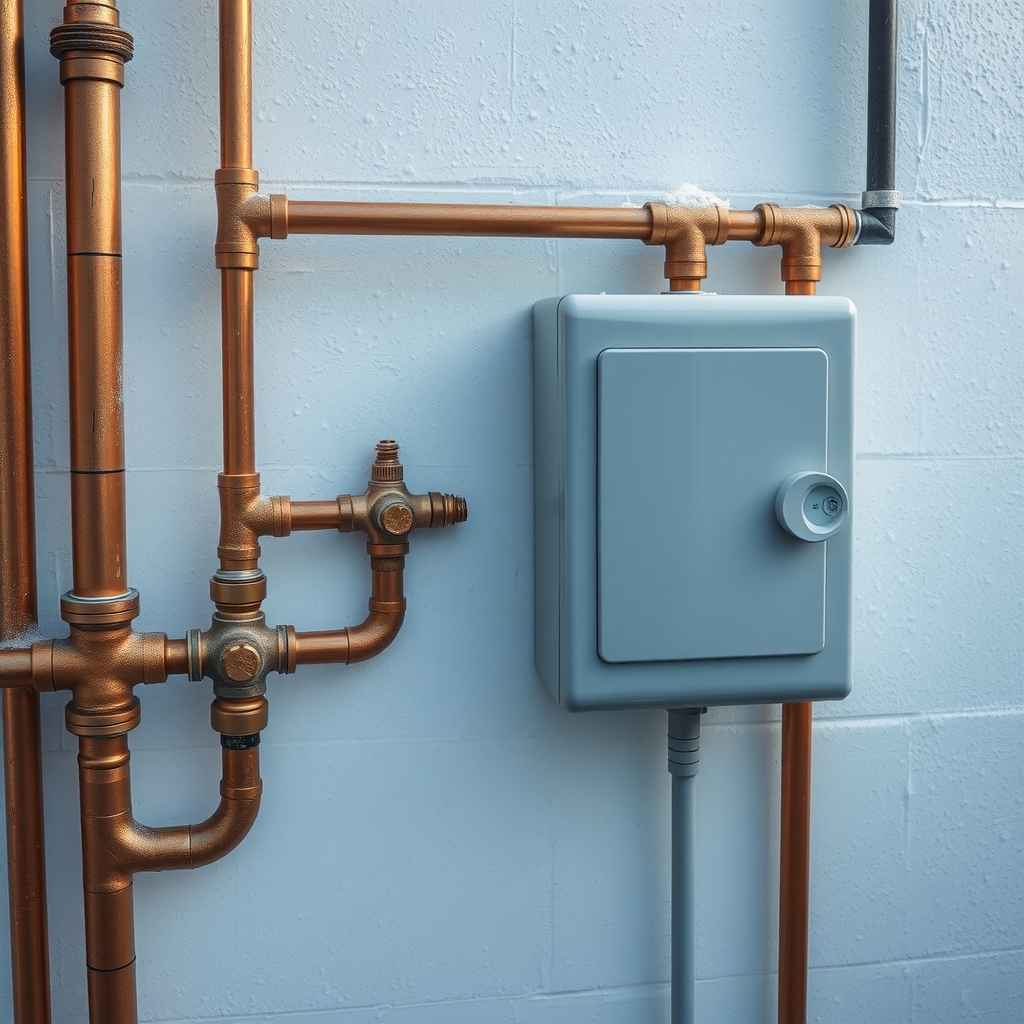
In this guide
Quick answer
Laundry room pipes freeze when they run along cold outside walls or sit in a garage, basement or other unheated space, and the room stays below freezing for hours. On cold nights, keep the room warm, open the cabinet doors and let a tap drip. For the season, wrap exposed pipes in foam sleeves, the cheapest lasting fix. Insulation slows heat loss. It does not heat the pipe.
Free fix vs. permanent fix
Keep the room warm and the water moving
- Keep the room at 55 degrees F or warmer
- Open cabinet doors so warm air reaches the pipes
- Let a tap drip on the coldest nights
- Seal drafts where pipes enter the wall
How long it lasts: One cold night or two. It works for short freezes. A long cold snap still freezes bare pipes.
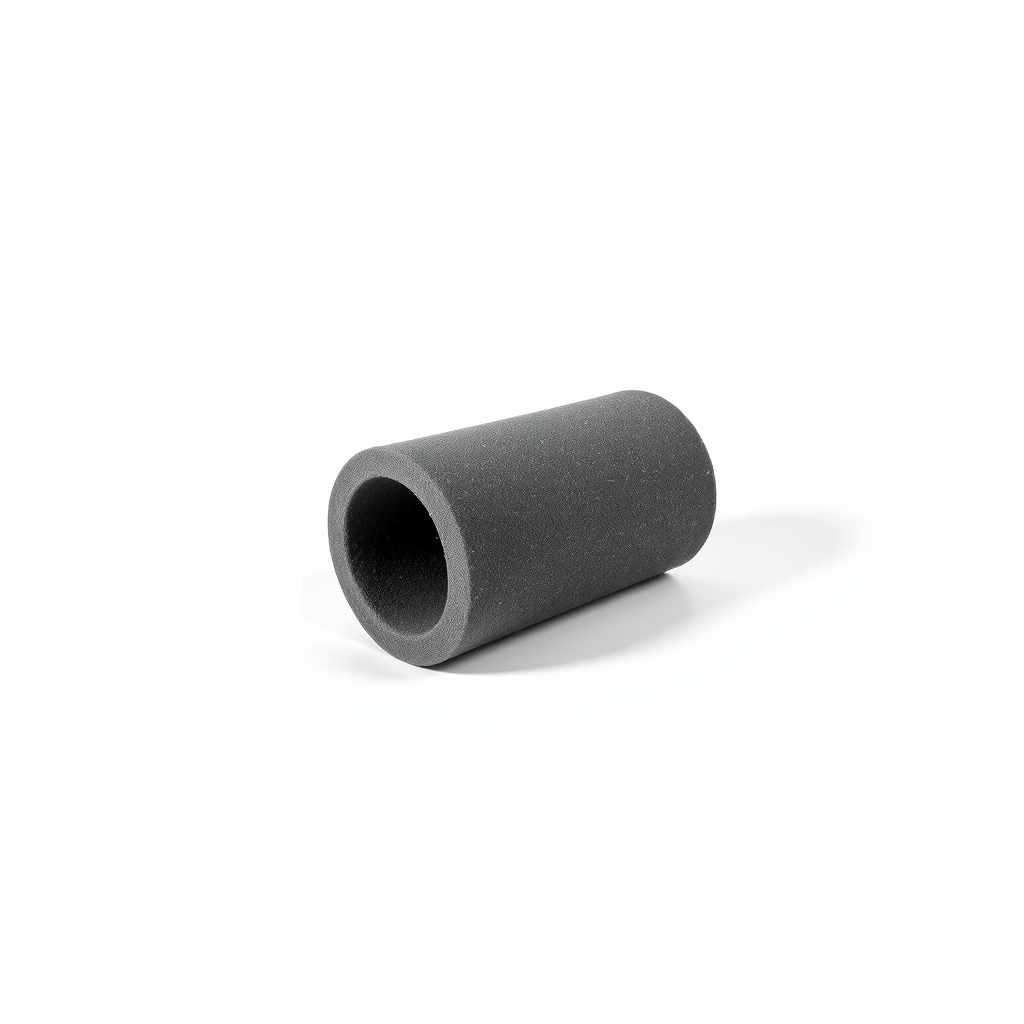
Foam pipe insulation sleeves
Bare pipe loses heat fast, and a run along an outside wall freezes first. A foam sleeve slows that heat loss, so the water inside stays above freezing much longer. It will not beat a long, deep freeze on its own, but it widens your margin on most winter nights.
What to get: Self-sealing foam pipe insulation sleeves
How long it lasts: Years. Foam stays in place and slows heat loss every winter.
As an Amazon Associate I earn from qualifying purchases.
What you'll need
-
Old towels
A stopgap wrap for one night
Free -
Scissors or utility knife
Cuts the foam to length
You have it -
Tape measure
Measures the pipe runs you need to cover
You have it - Our pick Illustration
Foam pipe insulation sleeves
Match the pipe size printed on the pack
- Illustration
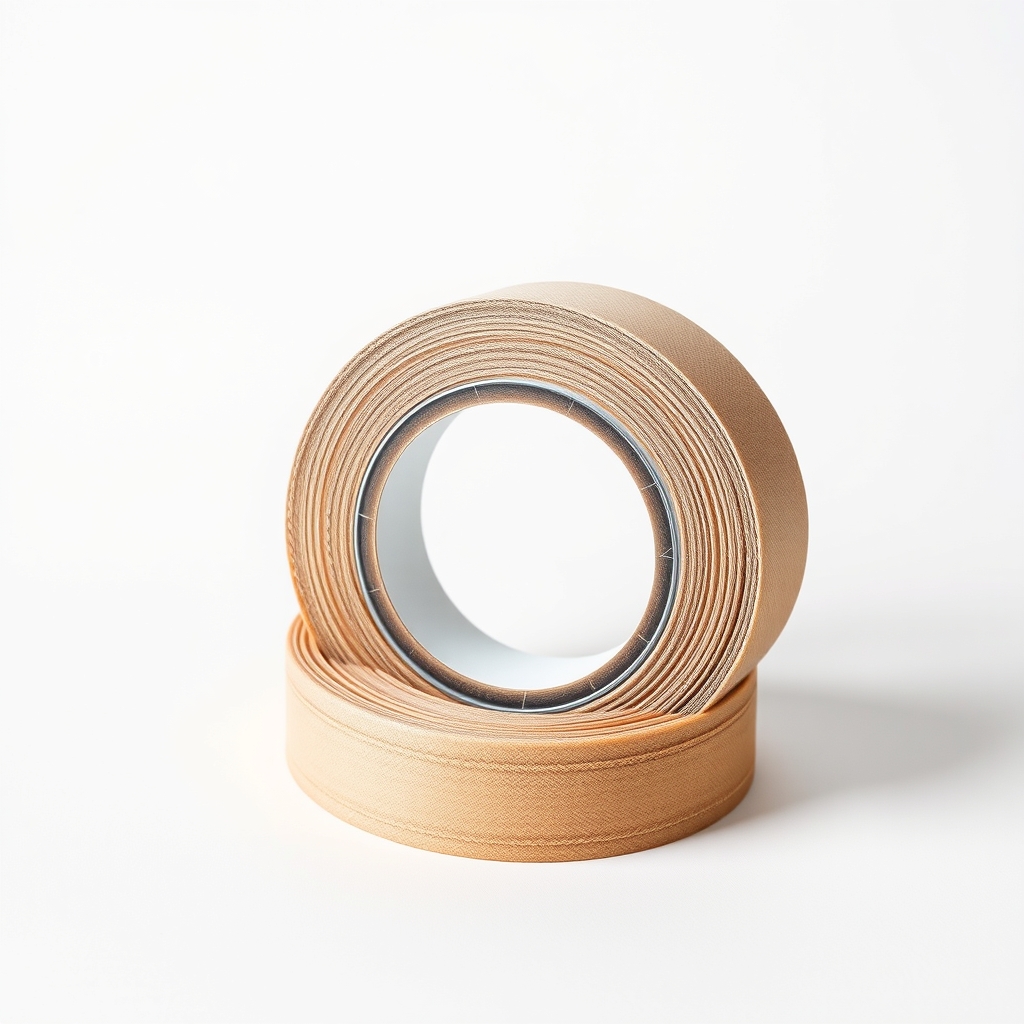
Foam pipe wrap tape
For elbows, valves and odd shapes
- Illustration
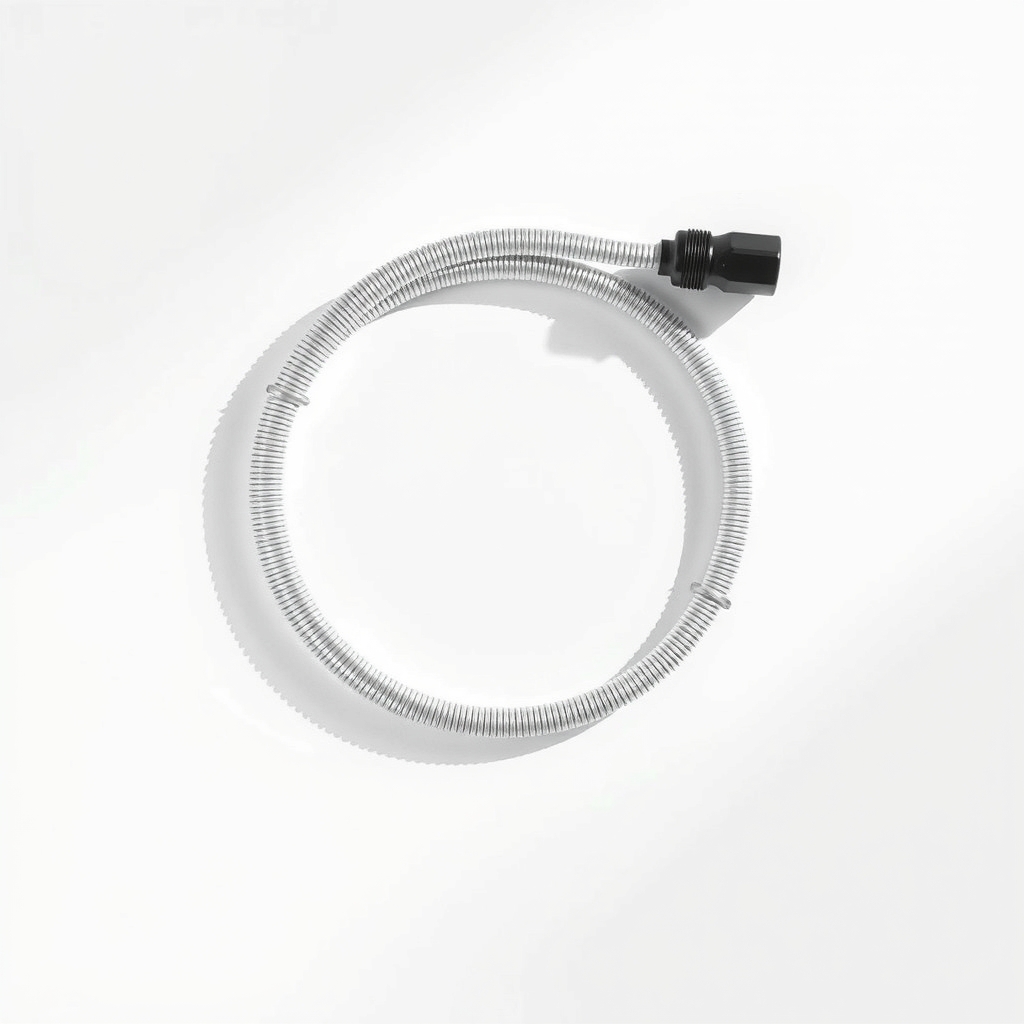
Thermostat-controlled pipe heating cable
Only for pipes that still freeze under foam
Why it happens
Pipes on outside walls
Supply lines in an exterior wall have little between them and the cold. They freeze before pipes in an inside wall.
An unheated room
Laundry rooms in garages, basements and add-ons stay cold. If the heat is off or low, the room slides toward the outside temperature.
Drafts at gaps
A gap where pipes enter the wall lets cold air blow straight onto the pipe. Even a small leak can freeze a pipe overnight.
Still water
Water in pipes that nobody uses overnight sits still. Moving water freezes more slowly than still water.
Try this first (free)
Do these in order, starting with the simplest.
-
Warm the room
Keep the thermostat no lower than 55 degrees F, day and night. Leave the doors to heated rooms open. If the laundry room has its own vent or heater, use it.
-
Open the cabinets
Open the cabinet doors and any access panel around the washer valve box so that warm air from the house can reach the pipes.
-
Let a tap drip
On nights forecast below freezing, let a laundry sink or hose tap drip a thin steady stream. Moving water freezes more slowly, and it relieves pressure if ice does form. It uses very little water.
-
Wrap the exposed pipe in a stopgap
Tool used: Old towelsNo sleeves yet? Wrap bare pipes in old towels and tape them in place for the night. Check that the towels stay dry, since wet towels cool the pipe.
-
Fit foam sleeves on the exposed runs
Tool used: Foam pipe insulation sleevesMeasure each run with the tape, cut a sleeve to length with scissors, slip it over the pipe and press the self-seal strip shut. Butt the ends tight at every joint. Use wrap tape on elbows and valves, and start with pipes on outside walls.
IllustrationCheck price on AmazonTool for this step
Foam pipe insulation sleeves · Match the pipe size printed on the pack
-
Close the gaps
Seal gaps where pipes enter the wall or floor with caulk or foam sealant labeled for gaps. Keep sealant off any warm flue or vent pipe.
When free fixes aren't enough
Free habits protect you on short or mild freezes, and you must remember them every cold night. Foam slows heat loss but makes none. A pipe in an uninsulated outside wall, or a room that stays well below freezing for days, can still freeze under foam alone. For those spots, add a thermostat-controlled heating cable made for pipes under the foam, and follow its instructions. If a pipe does freeze, shut off the main, open the tap and warm the pipe slowly with a hair dryer. Never use a flame. Call a plumber if you see a crack or a leak.
Buy the fix
Still stuck after the free fixes? These are the products we would look at.
| Pick | Product | Fixes | Who it's for | Buy |
|---|---|---|---|---|
| Best pick | Self-sealing foam pipe insulation sleeves | heat loss from bare pipes in a cold laundry room | Anyone with exposed pipes in a garage, basement or outside-wall laundry room. | Check price |
| Upgrade pick | Thermostat-controlled pipe heating cable | pipes that still freeze under foam in a long cold snap | Anyone with a garage laundry room or pipes in an uninsulated outside wall. | Check price |
Self-sealing foam pipe insulation sleeves
Fixes: heat loss from bare pipes in a cold laundry room
Look for: An inside size that matches your pipe, as printed on the pack; A self-seal adhesive strip along the seam; Enough length for every exposed run, in 6-foot pieces.
- Who it's for
- Anyone with exposed pipes in a garage, basement or outside-wall laundry room.
- Honest downside
- A pipe runs close to a water heater flue or another hot surface. Check the sleeve's temperature limit first.
Thermostat-controlled pipe heating cable
Fixes: pipes that still freeze under foam in a long cold snap
Look for: Made for your pipe type, plastic or metal, as the label says; A built-in thermostat, so it only heats when needed; A UL or ETL safety listing mark.
- Who it's for
- Anyone with a garage laundry room or pipes in an uninsulated outside wall.
- Honest downside
- You will not follow the instructions. Many cables must not overlap themselves or touch certain insulation, so read the pack first.
As an Amazon Associate I earn from qualifying purchases. We don't show prices because they change, so use the button to see today's price.
How we picked: How we picked: this page is based on home winterizing guides, utility and insurance freeze-prevention advice and the instructions from insulation and heat cable makers, and the problems and fixes people report in reviews. We do not test products by hand.
Which size foam sleeve
Most home supply lines are 1/2 or 3/4 inch. Read the size stamped on the pipe or measure it, and match it to the size on the pack. Wrap both the hot and cold lines. Check every run, including the pipes behind the washer.
What to wrap first
- Pipes along an outside wall.
- Pipes in a garage, basement or crawl space.
- Pipes near a drafty gap or a vent.
- The washer supply pipes and the faucet behind it.
What to skip
Space heaters, heat lamps and torches
Never warm pipes with a torch, a heat lamp or a space heater left running. They start fires. A hair dryer is only for a pipe that has already frozen, and only used by hand, never left running.
Frequently asked questions
At what temperature do pipes freeze?
Does pipe insulation stop pipes freezing?
Should I leave the laundry faucet dripping?
What should I do if a laundry pipe freezes?
Related problems
As an Amazon Associate I earn from qualifying purchases. Affiliate disclosure