Sweat Stains on White Shirts: Lift Them Out in 3 Steps
Yellow pit stains are sweat, deodorant and body oils baked into the fabric. A peroxide paste lifts most, and an enzyme remover handles the stubborn ones.
By Jamilur Rahman Updated November 5, 2026 · 6 min read
- Time
- 1 hour, mostly waiting
- Cost
- Under $20
- Difficulty
- Easy
In this guide
Quick answer
To get rid of sweat stains on white shirts, work a paste of baking soda, 3% hydrogen peroxide and a drop of dish soap into the stain, wait 30 to 60 minutes, scrub gently, then wash in the warmest water the label allows. Sweat mixes with deodorant ingredients and builds up in the fibers, so ordinary washing does not shift it. An enzyme sweat stain remover breaks down the protein in the stain, which helps with old stains and with shirts that keep staining.
Free fix vs. permanent fix
Peroxide and baking soda paste
- Mix equal parts baking soda and 3% hydrogen peroxide, plus a squirt of dish soap
- Scrub it in, wait 30 to 60 minutes, and wash warm
- Check the stain before you dry the shirt
- Test colored shirts first, since peroxide can lighten them
How long it lasts: Lifts fresh and mild stains for good. Old, deep yellow stains may need two rounds and may fade rather than vanish.
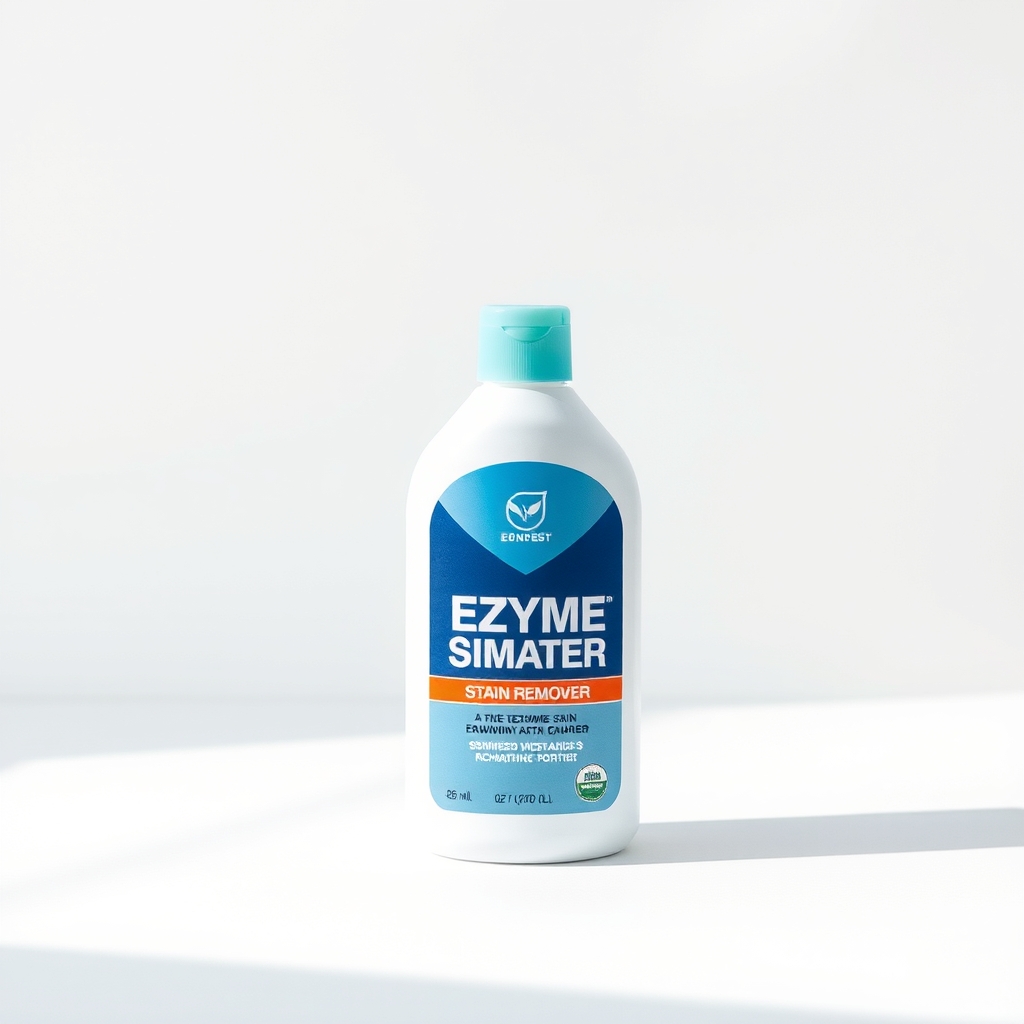
An enzyme sweat stain remover as a pre-treat
Sweat stains are protein plus oils. The enzymes in a good remover digest the protein so it washes out, even in layers built up over many washes. It is the easy route when you have a stack of shirts or stubborn old stains, and it stops new ones forming when you pre-treat the underarms.
What to get: Enzyme sweat stain remover
How long it lasts: Use it before each wash and the buildup never gets a chance to form.
As an Amazon Associate I earn from qualifying purchases.
What you'll need
-
Baking soda
A mild scrub and booster
You have it -
3% hydrogen peroxide
The brown pharmacy bottle, not stronger grades
You have it -
Dish soap
Cuts through body oil
You have it -
Old toothbrush
To work the paste into the fibers
You have it - Our pick Illustration
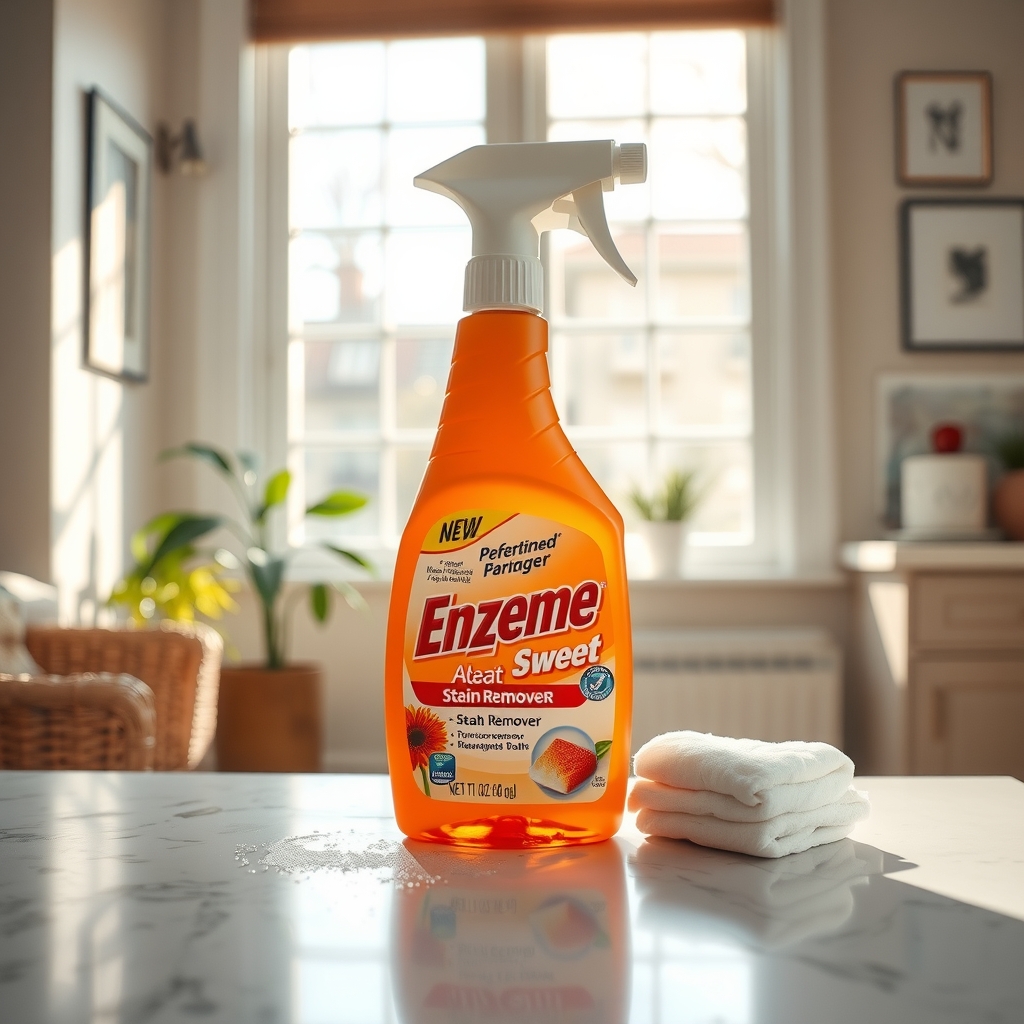
Enzyme sweat stain remover
For old stains and as a pre-treat
- Illustration
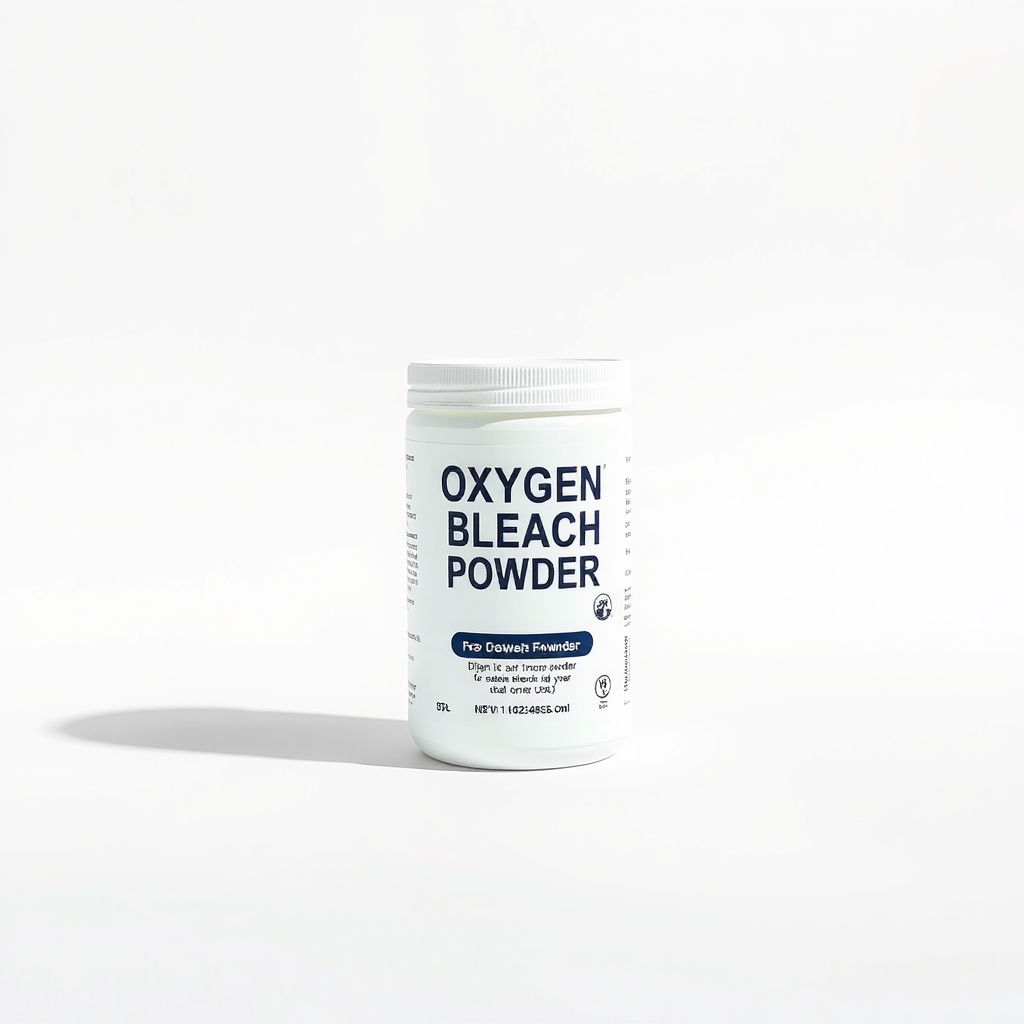
Oxygen bleach powder
For dull collars and all-over yellowing
Why it happens
Sweat plus antiperspirant
Sweat itself is mostly clear. The yellow comes from its proteins and oils reacting with the aluminum compounds in many antiperspirants, which cling to fabric.
Buildup over many washes
A little stays in the fibers after each wash. Dryer heat bakes it in, so a shirt that looked fine in spring can be yellow by autumn.
Heat and chlorine bleach
Hot dryers set stains. Chlorine bleach reacts with the proteins in sweat and can leave the stain yellower, and it weakens the fibers over time.
Too little detergent or cool, crowded washes
A packed drum and a light dose leave oils behind. They oxidize slowly and turn the underarm area yellow.
Try this first (free)
Do these in order, starting with the simplest.
-
Mix and spread the paste
Tool used: 3% hydrogen peroxideCombine 1/4 cup baking soda, 1/4 cup 3% hydrogen peroxide and a squirt of dish soap until it spreads like frosting. Lay the shirt flat and cover the stained area.
-
Scrub gently and wait
Tool used: Old toothbrushWork the paste in with an old toothbrush using small circles. Leave it for 30 to 60 minutes. For a deep stain, up to a few hours is fine on white cotton.
-
Wash warm and check before drying
Wash in the warmest water the care label allows, with the right dose of detergent. Look at the stain while the shirt is still wet. If a shadow remains, repeat. Do not use the dryer until it is gone, since heat sets it.
-
Pre-treat the next ones
Tool used: Enzyme sweat stain removerTo stop stains returning, spray the underarms of worn shirts with an enzyme remover, wait 10 to 15 minutes or as the label directs, then wash as usual.
IllustrationCheck price on AmazonTool for this step
Enzyme sweat stain remover · For old stains and as a pre-treat
When free fixes aren't enough
A peroxide paste handles recent stains. Years of buildup, thick yellow rings and stained collars are tougher, because the stain is layered through the fibers. If a shadow remains after two rounds, an enzyme remover works on the protein itself, and you can use it as a pre-treat before every wash. If the fabric is thin or stiff and still stained after that, the stain may be permanent. Wear the shirt under a jacket, or retire it.
Buy the fix
Still stuck after the free fixes? These are the products we would look at.
| Pick | Product | Fixes | Who it's for | Buy |
|---|---|---|---|---|
| Best pick | Enzyme sweat stain remover | the protein and oil buildup behind yellow pit stains | Anyone with older yellow stains or several shirts to treat, and anyone who wants a quick pre-treat step. | Check price |
| Budget pick | Oxygen bleach powder for whites | overall yellowing and dull collars as well as light pit stains | Anyone who wants one tub for pit stains, dull collars and general whitening. | Check price |
Enzyme sweat stain remover
Fixes: the protein and oil buildup behind yellow pit stains
Look for: An enzyme-based formula for protein stains; Safe on whites and cotton blends, per the label; A spray or gel that clings to the underarm area; No chlorine bleach in the formula.
- Who it's for
- Anyone with older yellow stains or several shirts to treat, and anyone who wants a quick pre-treat step.
- Honest downside
- The shirt is silk, wool or dry-clean only. Enzyme cleaners can damage protein fibers, so check the label.
Oxygen bleach powder for whites
Fixes: overall yellowing and dull collars as well as light pit stains
Look for: A sodium percarbonate (oxygen) formula with no chlorine; Safe for most white fabrics, per the label; A scoop or clear dosing directions; A tub size that lasts for many soaks.
- Who it's for
- Anyone who wants one tub for pit stains, dull collars and general whitening.
- Honest downside
- The shirt is silk, wool, or has colored trim or a print. Oxygen bleach can fade color.
As an Amazon Associate I earn from qualifying purchases. We don't show prices because they change, so use the button to see today's price.
How we picked: How we picked: this page is based on stain-removal guides, laundry product makers' instructions, and the problems and fixes people report in reviews of sweat stain removers. We do not test products by hand.
How to keep sweat stains from coming back
- Let deodorant dry fully before you put the shirt on, and use less of it.
- Try an aluminum-free deodorant. It leaves fewer stains on many people's shirts.
- Wear an undershirt, or hang a worn shirt to dry before it goes in the hamper.
- Pre-treat the underarms before every wash.
- Use warm water and enough detergent, and skip the dryer until you have checked the stain.
Sweat stains on colored shirts and other clothes
Peroxide and oxygen bleach can fade colors, so use them only on whites. For colors, rub in a little dish soap, let it sit for 15 minutes and wash. An enzyme remover works on most fabrics except silk and wool. Always test a hidden spot first.
What to skip
Chlorine bleach and hot-dryer heat
Chlorine bleach reacts with sweat proteins and can turn the stain more yellow, and it weakens fibers with repeated use. A hot dryer sets whatever is left in the fabric. Soak and treat first, check the stain wet, and only dry a shirt that is clean.
Frequently asked questions
Why do my white shirts get yellow pit stains?
Why do my white shirts get black pit stains?
How do I get rid of sweat stains fast?
Does this work on shirts and clothes that are not white?
Related problems
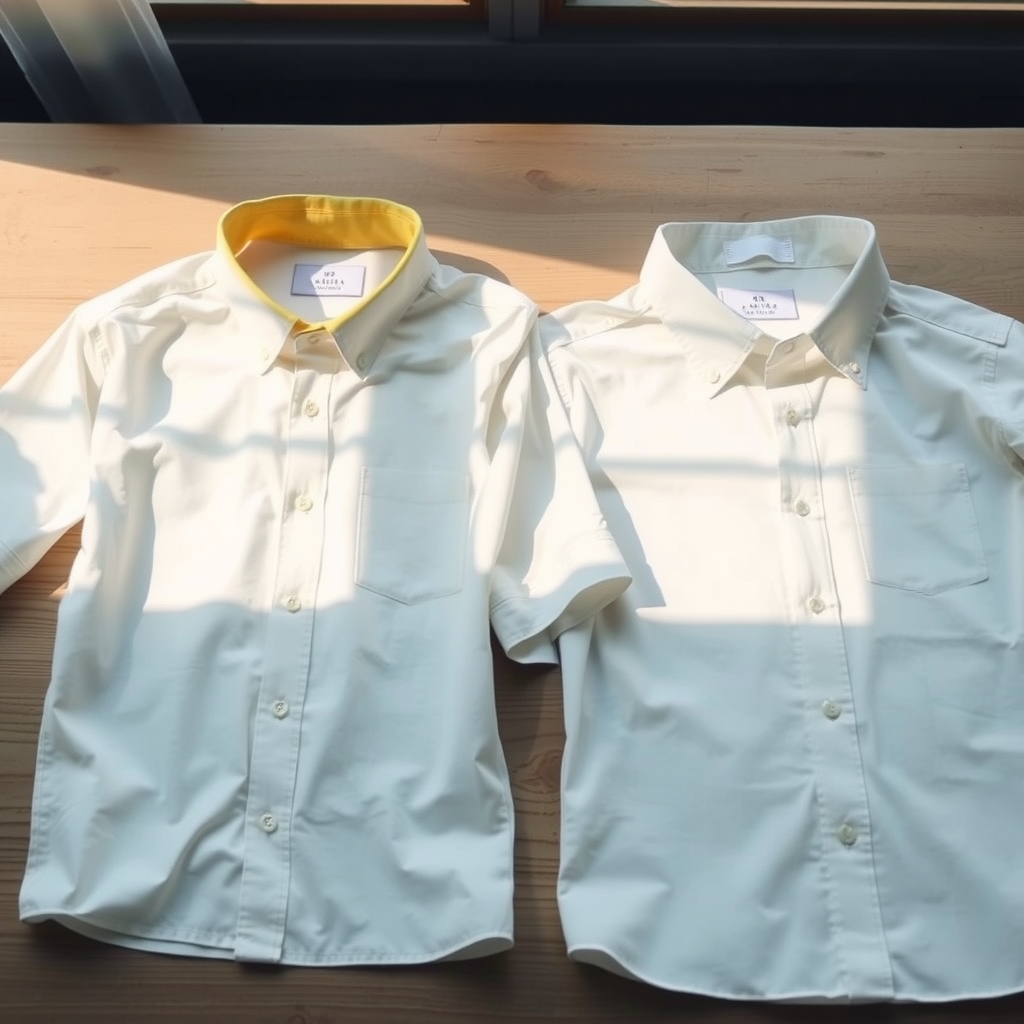 Free fix inside
Laundry · White Shirts
White Shirts Turned Yellow? Oxygen Bleach vs Chlorine Bleach
Read the fix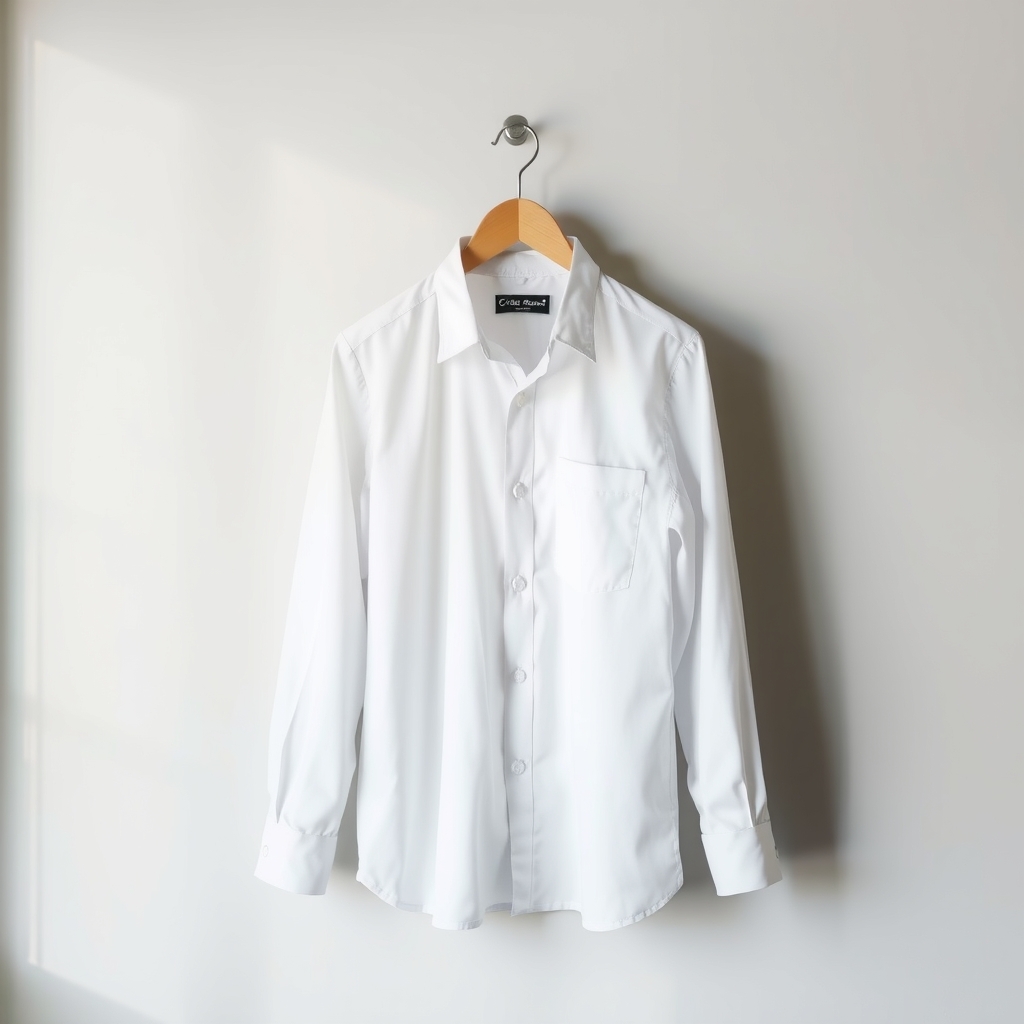 Free fix inside
Laundry · Sweat Stains
How to Stop White Shirts Getting Sweat Stains Before They Start
Read the fix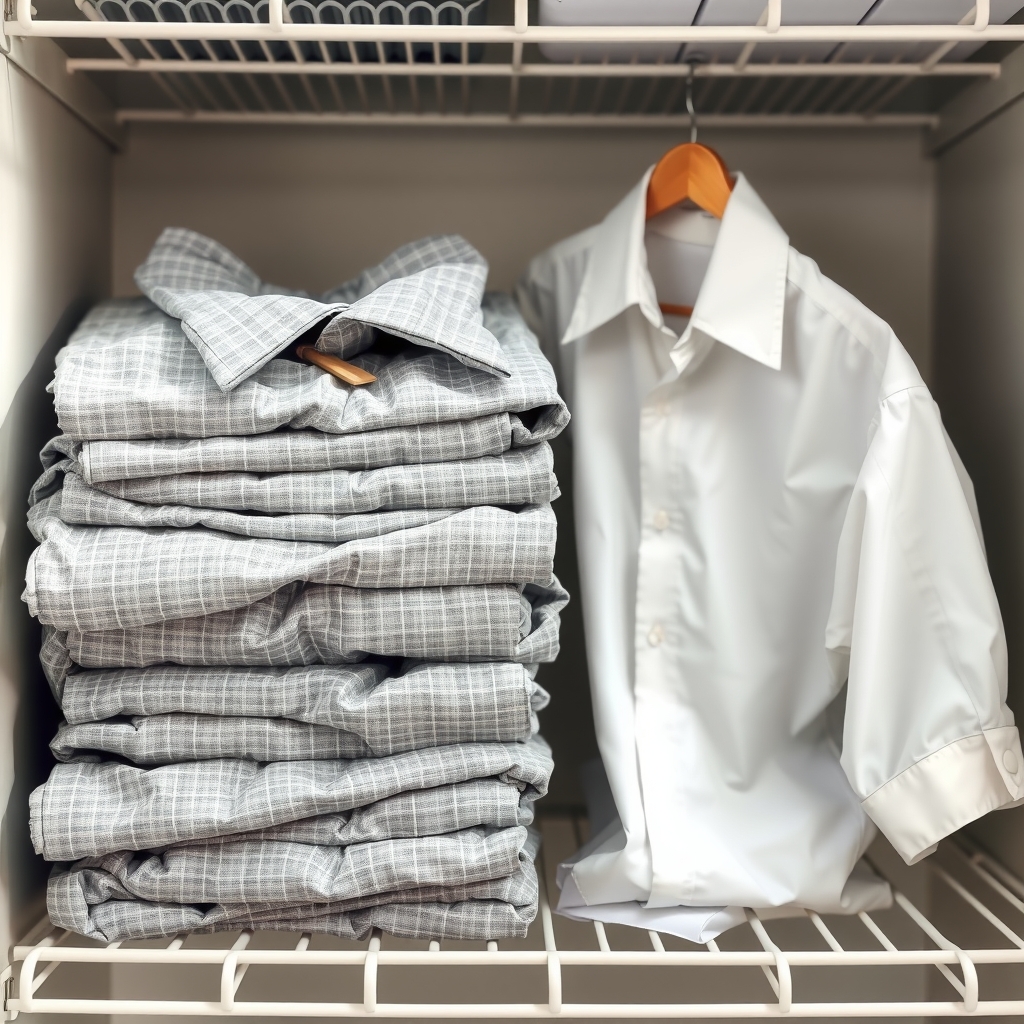 Free fix inside
Laundry · White Shirts
White Shirts Going Grey? How to Brighten Dull Whites Again
Read the fix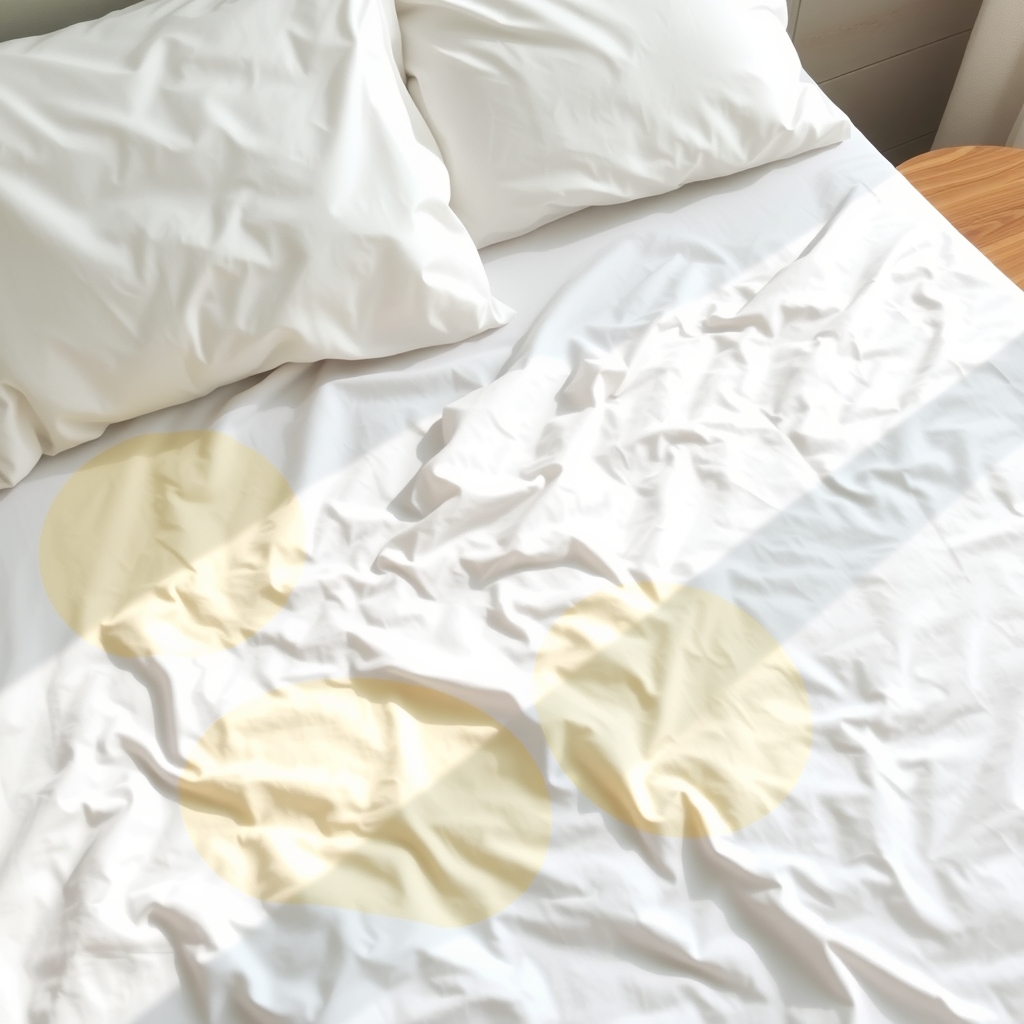 Free fix inside
Laundry · Bed Sheets
Why Do Bed Sheets Turn Yellow? How to Whiten Them Safely
Read the fixAs an Amazon Associate I earn from qualifying purchases. Affiliate disclosure