Kitchen Faucet Keeps Coming Loose? Tighten It From Below With One Tool
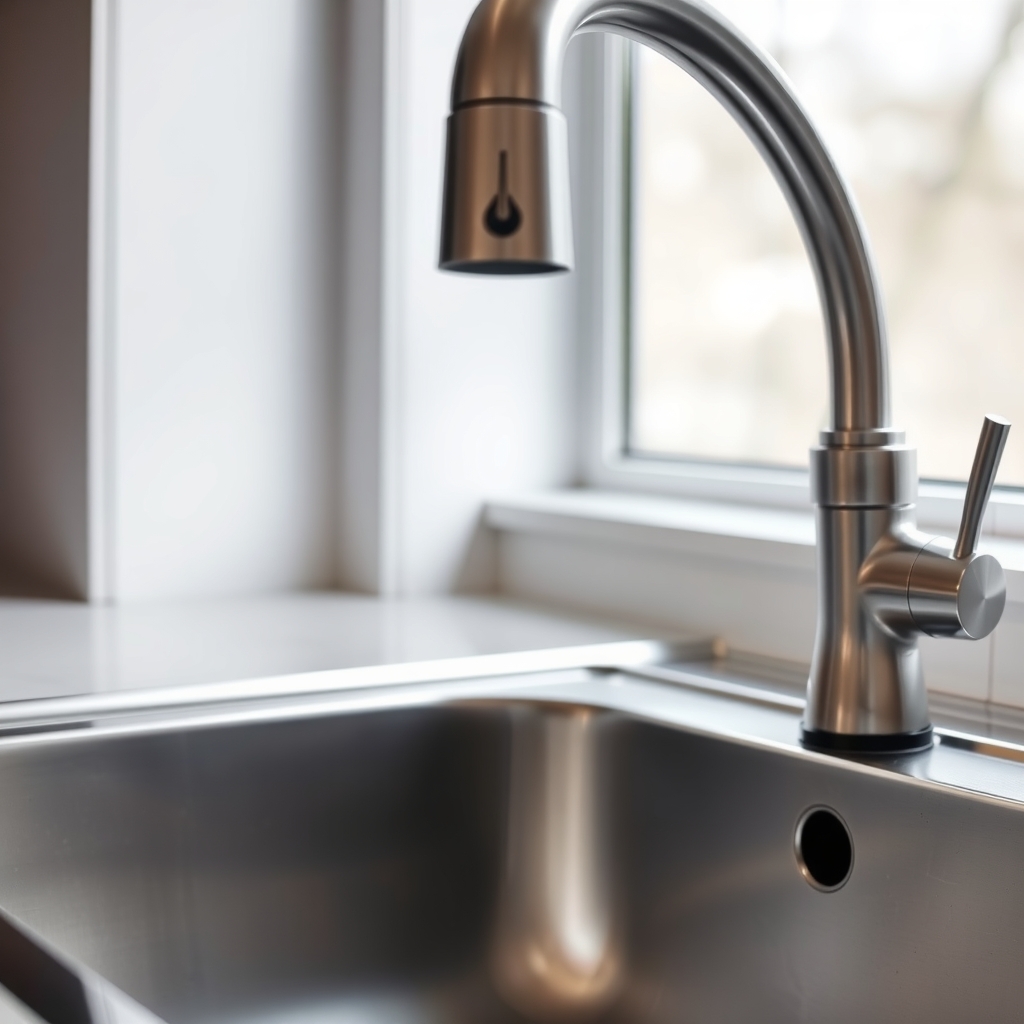
The mounting nut under the sink backs off a little with every turn of the handle. A basin wrench reaches it in minutes and snugs the faucet down for good.
By Jamilur Rahman Updated November 5, 2026 · 6 min read
- Time
- 15 min
- Cost
- Under $20
- Difficulty
- Easy
In this guide
Quick answer
A kitchen faucet comes loose because the mounting nut or bracket under the sink has backed off after months of turning the handle. Reach up behind the sink bowl and tighten it. The nut sits in a cramped spot, where a basin wrench with a long shaft and a pivoting jaw can grip it and turn it a little at a time. Snug it firmly, but do not over-tighten.
Free fix vs. permanent fix
Tighten what you can reach by hand or pliers
- Empty the cabinet and use a headlamp
- Check for wing nuts or a bracket with two screws
- Try slip-joint pliers if there is room to swing them
- Stop when the faucet stops moving; do not over-tighten
How long it lasts: Weeks to months, if you can reach the nut at all. A half-tightened nut backs off again.
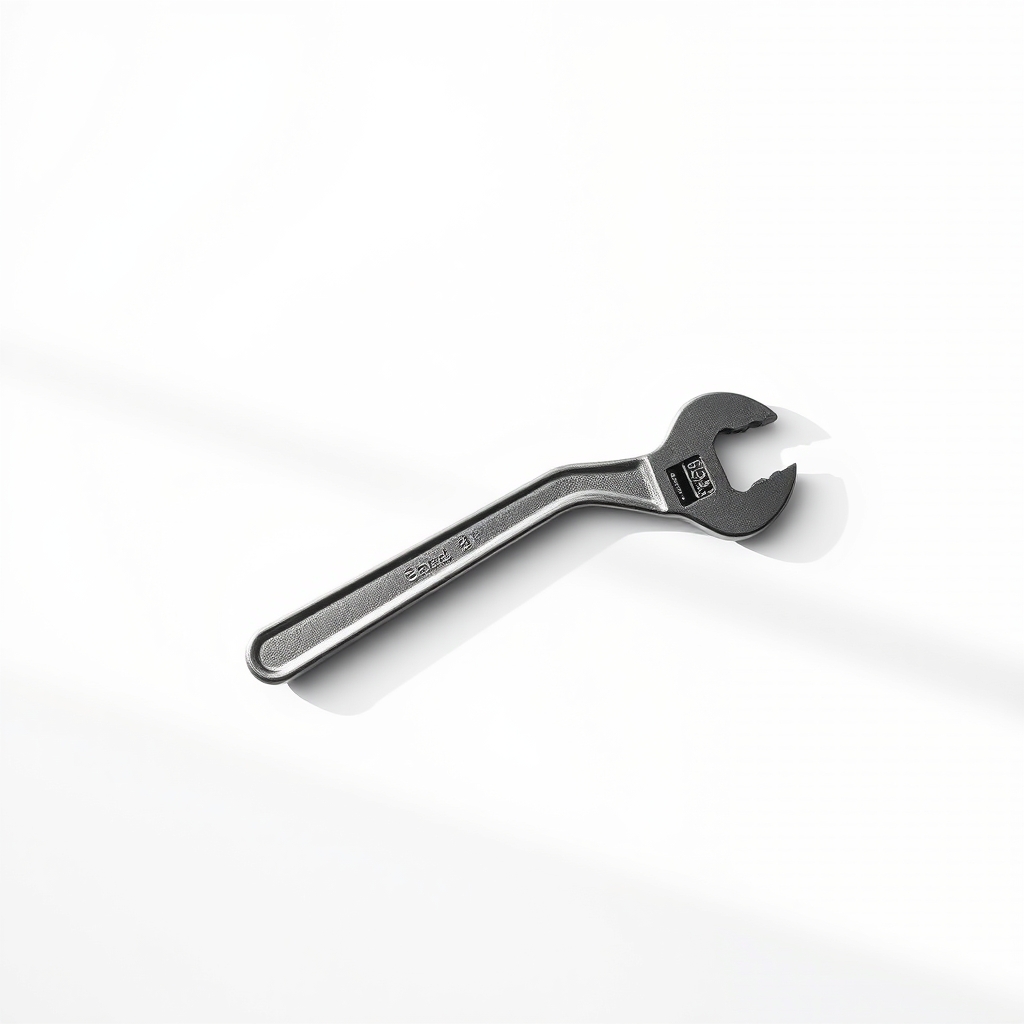
A basin wrench
The mounting nut sits up behind the sink bowl, where a normal wrench cannot swing. A basin wrench has a long shaft and a jaw that pivots to grip the nut from below, so you can tighten it fully and evenly. A faucet that is properly snug does not wander.
What to get: Basin wrench
How long it lasts: Years. The tool stays in the cabinet and the faucet stays put.
As an Amazon Associate I earn from qualifying purchases.
What you'll need
-
Flashlight or headlamp
To see the nut behind the bowl
You have it -
Slip-joint pliers
For wing nuts and roomy spots
You have it - Our pick Illustration
Basin wrench
Long shaft and pivoting jaw for the cramped nut
- Illustration
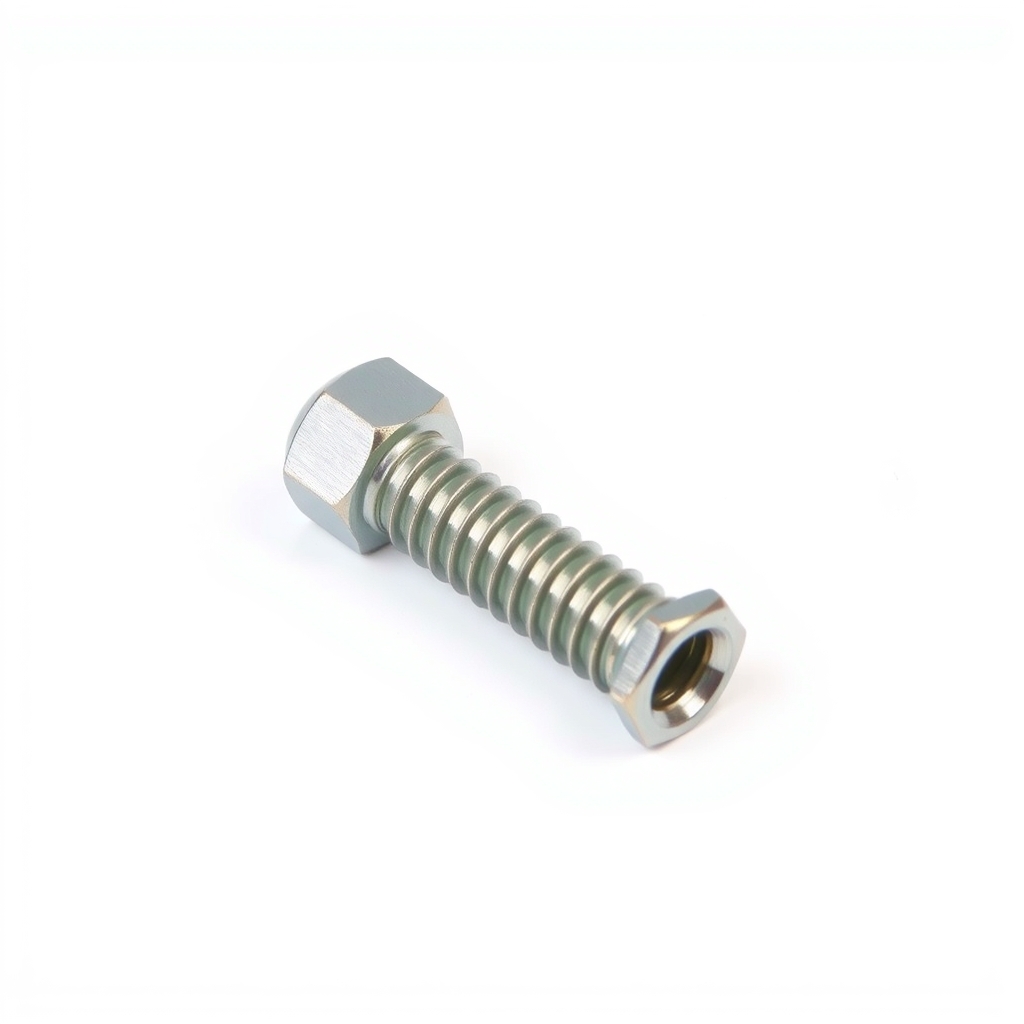
Metal faucet mounting nut kit
If the plastic nut is cracked or stripped
Why it happens
A loose mounting nut
A faucet is held to the sink by a nut or bracket under the deck. Each time you push, pull or swing the spout, it works against that nut. Vibration and daily use back it off.
A worn or flattened gasket
The rubber or plastic gasket between the faucet base and the sink compresses over time. That leaves slack even when the nut feels snug.
Plastic mounting parts that crack
Many faucets ship with plastic nuts or brackets. They crack or strip over the years and stop clamping.
A thin sink deck
Stainless steel sinks are thin and flex a little. When the metal flexes, the faucet shifts with it.
Try this first (free)
Do these in order, starting with the simplest.
-
Empty the cabinet and light the area
Tool used: Flashlight or headlampTake everything out from under the sink and kneel on a towel. Use a flashlight or headlamp to look up behind the bowl at the threaded shank under the faucet.
-
Find what holds the faucet
You will see a large nut with a washer, a bracket with two screws or wing nuts, or a plastic ring. Note which one, because it decides the tool.
-
Tighten the easy parts first
Tool used: Slip-joint pliersTurn wing nuts or a plastic ring clockwise by hand. If it is a bracket with two screws, tighten them evenly, a little at a time. If there is room, slip-joint pliers can finish the job.
-
Use a basin wrench for the big nut
Tool used: Basin wrenchSlide the wrench up the shank and set the jaw around the nut, flipped to the tightening side. Turn clockwise in short pulls. Stop when the faucet will not twist when you push the spout.
IllustrationCheck price on AmazonTool for this step
Basin wrench · Long shaft and pivoting jaw for the cramped nut
-
Check from above
Push the spout side to side. If it still moves, the base gasket or deck plate may have shifted. Remove the faucet and reseat it, or add a gasket.
When free fixes aren't enough
If you tighten the nut and the faucet works loose again within weeks, the plastic nut or the gasket is worn. Replace the nut with a metal mounting kit that fits your faucet's shank. Do not keep cranking harder. Over-tightening can crack porcelain or warp a thin stainless deck. If the faucet moves even with the nut tight, remove it and reseat the base. Call a plumber if water leaks from the supply lines, or the shutoff valves will not close.
Buy the fix
Still stuck after the free fixes? These are the products we would look at.
| Pick | Product | Fixes | Who it's for | Buy |
|---|---|---|---|---|
| Best pick | Basin wrench | a loose or spinning faucet when regular tools cannot reach the nut | Anyone tightening or replacing a kitchen or bathroom faucet. | Check price |
| Upgrade pick | Metal faucet mounting nut and washer kit | faucets that keep loosening because the plastic nut is cracked or stripped | Faucets that work loose again after being tightened. | Check price |
Basin wrench
Fixes: a loose or spinning faucet when regular tools cannot reach the nut
Look for: A jaw that pivots and flips to tighten or loosen; A long shaft, or a telescoping one; A T-bar handle for leverage; A jaw that fits your mounting nut size.
- Who it's for
- Anyone tightening or replacing a kitchen or bathroom faucet.
- Honest downside
- The nut has plenty of room around it and pliers work, or the faucet is held by a bracket with screws.
Metal faucet mounting nut and washer kit
Fixes: faucets that keep loosening because the plastic nut is cracked or stripped
Look for: A thread and size that match your faucet's shank; A metal nut with a rubber or fiber washer; A wide washer to spread the load on a thin deck.
- Who it's for
- Faucets that work loose again after being tightened.
- Honest downside
- You do not know your shank size. Measure it or take the old nut to the store.
As an Amazon Associate I earn from qualifying purchases. We don't show prices because they change, so use the button to see today's price.
How we picked: How we picked: this page draws on plumbing guides, faucet installation instructions and the loose-faucet problems and fixes owners describe in reviews. We do not test products by hand.
Tips for working in a cramped cabinet
- Use a headlamp, so both hands stay free.
- Kneel on a towel or lie on your back with a pillow under your head.
- Draw a pencil line across the nut and the shank, so you can see it turn.
- Tighten in short pulls, then push the spout to test.
What to skip
Caulk or glue around the base, and extra force
Caulk or glue hides the wobble for a while, but the nut is still loose, and it makes removal harder later. Do not lean a long pipe wrench on the nut either. Too much force can crack the sink or strip the threads.
Frequently asked questions
Why does my kitchen faucet keep coming loose?
How do I stop my kitchen faucet from spinning or moving?
What is a basin wrench used for?
Do I need to turn off the water to tighten a faucet?
Related problems

As an Amazon Associate I earn from qualifying purchases. Affiliate disclosure