Instant Pot Not Sealing? Check the Ring and Valve Before Panicking
Most seal failures come from a misplaced or worn sealing ring, a sticky float valve or the vent set to Venting. Check these, then replace a tired ring.
By Jamilur Rahman Updated November 5, 2026 · 7 min read
- Time
- 10 min
- Cost
- Under $20
- Difficulty
- Easy
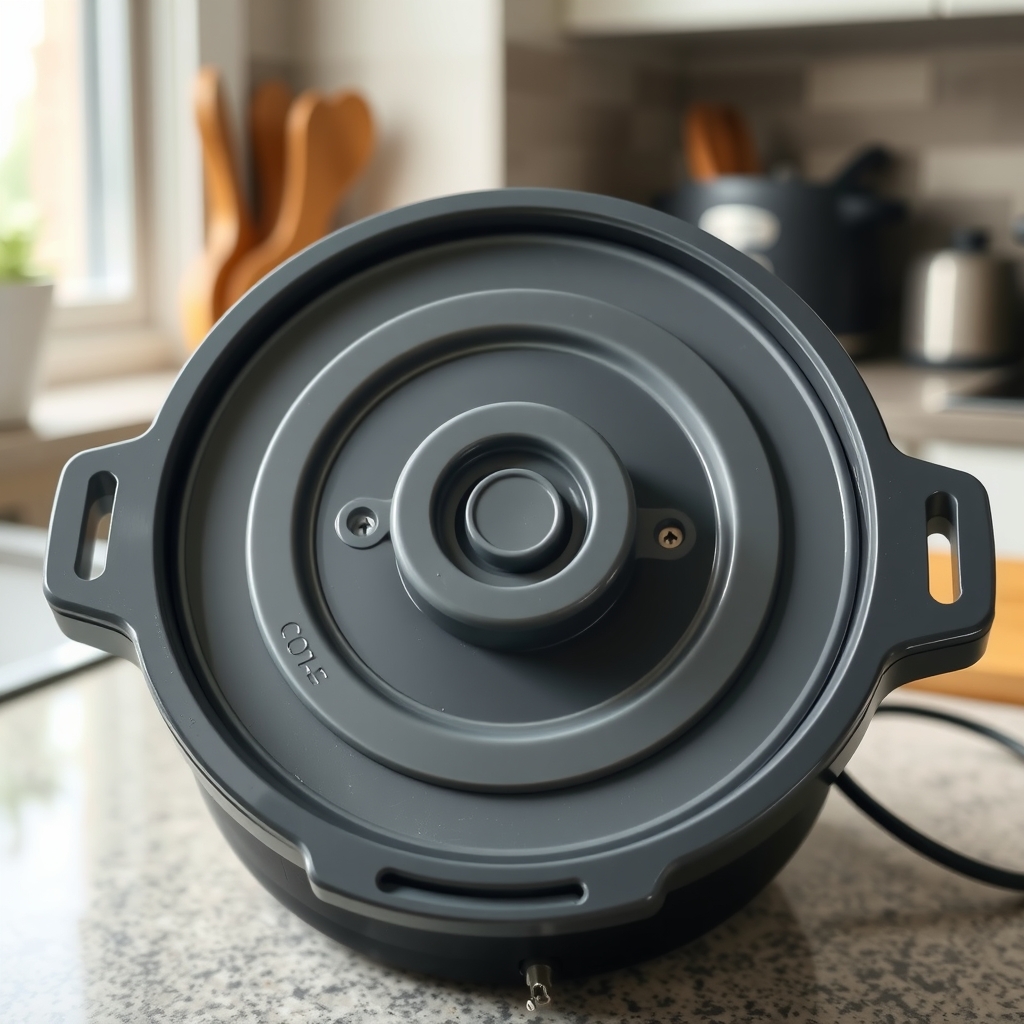
In this guide
Quick answer
An Instant Pot that will not seal almost always has a ring, valve or setting problem. Check that the lid is locked, the steam release handle is on Sealing, the sealing ring sits flat and is not cracked, the float valve moves freely and there is enough thin liquid. If the ring is stretched, cracked or smells of old food, replace it. Makers suggest a new ring about every 6 to 18 months.
Free fix vs. permanent fix
Re-seat, clean and run a water test
- Press the ring flat under the lid's rim tabs
- Set the steam release handle to Sealing
- Poke the float valve and clean around it
- Run the water test from your manual
How long it lasts: It fixes a ring that was out of place or a valve that was dirty. A stretched ring slips again within a few uses.

A two-pack of silicone sealing rings sized to your pot
A silicone ring stretches, hardens and soaks up smells with use, so it stops gripping the lid. A fresh ring seals the lid to the pot without depending on you pressing it into place. A second ring lets you keep one for savory food and one for sweet, and a spare is ready when one fails.
What to get: Silicone sealing rings, 2-pack, sized for your pot
How long it lasts: Months per ring, and a spare means you can swap one in minutes.
As an Amazon Associate I earn from qualifying purchases.
What you'll need
-
Soft dish brush or sponge
For washing the ring, lid and valve
You have it -
Toothpick or wooden skewer
To free a sticky float valve
You have it -
White vinegar
Helps lift smells from the ring
You have it - Our pick Illustration
Silicone sealing ring (2-pack)
Match the size to your pot
- Illustration
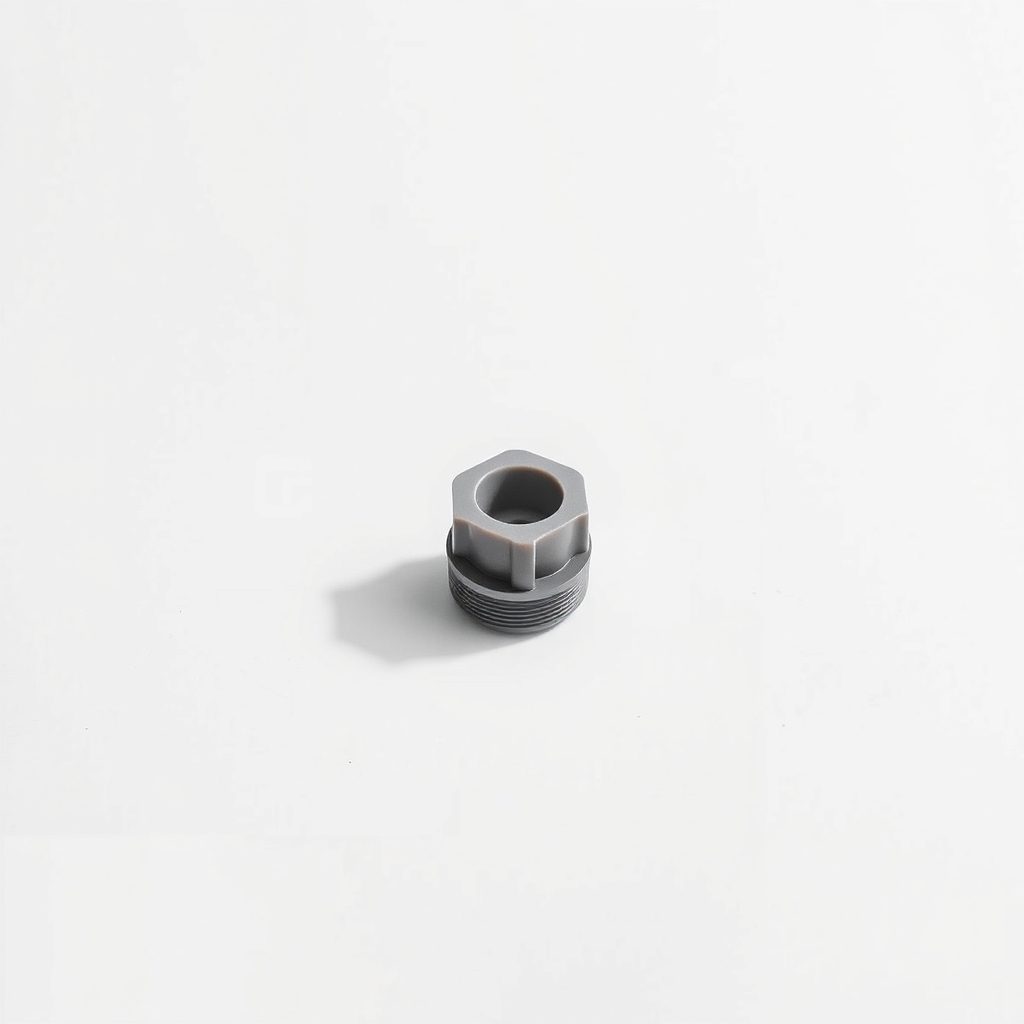
Float valve and steam valve parts set
For older pots that still leak after a new ring
Why it happens
A ring that is out of place
The ring must sit flat under the metal tabs around the lid's rim. If it rides up on one side, steam escapes there.
A worn, stretched or smelly ring
Silicone loses its grip with heat and time. A ring that is cracked, flat or soaked with old smells will not seal. This is the single most common cause.
The steam release handle on Venting
On many models the handle must be set to Sealing before the pot will build pressure. It is easy to forget, or to knock it while moving the pot.
A float valve that sticks
The float valve rises when pressure builds. Dried food on it, or a worn silicone cap beneath it, lets pressure leak out.
Too little thin liquid, or thick sauce at the bottom
The pot needs thin liquid such as water or broth to make steam. Check your manual for the minimum. Thick sauces or tomato paste at the bottom can scorch and keep it from building pressure.
Try this first (free)
Do these in order, starting with the simplest.
-
Check the lid is fully closed
Turn the lid until it clicks into the closed position, with the markings lined up. A lid that is only partly turned will not seal.
-
Set the steam release to Sealing
Push or turn the handle to Sealing before you start. A little steam from the float valve while the pot heats is normal. A steady jet from the lid edge is not.
-
Take out the ring and look at it
Tool used: Soft dish brush or spongePull it from the lid. Look for cracks, a stretched or wavy shape, flat spots and food stuck on it. Wash it in warm soapy water, dry it and press it back evenly under the tabs, all the way around.
-
Clear the float valve and steam valve
Tool used: Toothpick or wooden skewerPush the float valve up and down with a toothpick. It should move freely. Pull out the anti-block shield and the steam release valve if your model allows, then wash them.
-
Run the water test
Follow the water test in your manual, using a few cups of water on a short pressure-cook cycle. If the float valve rises and the pot holds pressure, it seals. If steam leaks out of the lid, replace the ring and test again.
-
Swap in a fresh ring
Tool used: Silicone sealing ring (2-pack)If the ring is cracked, stretched or smells, fit a new one and run the water test again. Keep the old ring for water-only or cleaning cycles.
IllustrationCheck price on AmazonTool for this step
Silicone sealing ring (2-pack) · Match the size to your pot
When free fixes aren't enough
A ring that seals today may not tomorrow. If yours is a year or more old, has stretched, cracked or holds a strong smell, it will not seal for long. Replacement is the lasting fix. If a new ring still leaks around the lid, the float valve cap is worn, or the lid or pot rim looks dented or cracked, stop using the pot and contact the maker. Never use a damaged lid. If steam sprays hard from under the lid, cancel the cycle, unplug the pot and let the pressure drop before you open it.
Buy the fix
Still stuck after the free fixes? These are the products we would look at.
| Pick | Product | Fixes | Who it's for | Buy |
|---|---|---|---|---|
| Best pick | Silicone sealing rings, 2-pack, sized for your pot | steam leaking around the lid and pots that will not reach pressure | Anyone whose ring is over a year old or smells of last night's dinner. | Check price |
| Upgrade pick | Float valve silicone caps and steam release valve parts set | a loose or missing float valve cap and a worn valve | Owners of older pots that still leak after a new ring. | Check price |
Silicone sealing rings, 2-pack, sized for your pot
Fixes: steam leaking around the lid and pots that will not reach pressure
Look for: Listed for your pot's quart size and model; 5- and 6-quart pots often share a ring; Food-grade silicone that fits snugly with no stretch; Two rings, so you have a spare or one for savory and one for sweet.
- Who it's for
- Anyone whose ring is over a year old or smells of last night's dinner.
- Honest downside
- The ring looks fine and the float valve is the problem. Clean the valve first. If the lid is cracked, replace the lid instead.
Float valve silicone caps and steam release valve parts set
Fixes: a loose or missing float valve cap and a worn valve
Look for: Listed for your model; Includes float valve silicone caps; Includes a steam release valve or anti-block shield spare.
- Who it's for
- Owners of older pots that still leak after a new ring.
- Honest downside
- Your pot is under warranty. Contact the maker first.
As an Amazon Associate I earn from qualifying purchases. We don't show prices because they change, so use the button to see today's price.
How we picked: How we picked: this page draws on the pressure cooker manual's care guidance, replacement-ring listings that name the sizes and the problems and fixes owners describe in reviews. We do not test products by hand.
Match the ring to your pot
- 3-quart pots: use a 3-quart ring.
- 5- and 6-quart pots: often share one ring size.
- 8-quart pots: use an 8-quart ring.
- Check the listing: confirm it lists your model before you buy.
Pressure safety
Never force the lid open while the pot is under pressure. Keep your hands and face away from the steam release when you vent. If the lid, valve or rim is damaged, do not cook until it is replaced.
What to skip
Wrong-size rings and anything that blocks the valve
A ring one size off leaks, and oil on the ring can make it slip. Never tape, weight or block the steam valve to force a seal. That is dangerous and can send hot steam and food out of the pot.
Frequently asked questions
Why is my Instant Pot not coming to pressure?
Is it normal for steam to leak from my Instant Pot?
How often should I replace the sealing ring?
How do I get the smell out of the ring?
Can I use the pot with a cracked ring?
As an Amazon Associate I earn from qualifying purchases. Affiliate disclosure