How to Prevent Pantry Moths: Airtight Containers That Block Them
Pantry moths ride in on store-bought grains and chew through thin packaging. Freeze new food, clean the shelves, then seal everything in airtight containers.
By Jamilur Rahman Updated November 5, 2026 · 6 min read
- Time
- 1 hour
- Cost
- $20-$50
- Difficulty
- Easy

In this guide
Quick answer
Pantry moths almost always arrive inside store-bought flour, cereal, rice, nuts or pet food, then lay eggs on whatever is nearby. The larvae can chew through paper, cardboard and thin plastic. Freeze new bags for four days, wipe the shelves, and move dry food into airtight containers. The containers are the step that makes the fix last.
Free fix vs. permanent fix
Inspect, freeze and clean
- Throw out anything with webbing, larvae or clumped flour
- Freeze new flour, grains and nuts for four days before shelving
- Vacuum and wipe shelves, corners and the lid rims
- Do not use bug spray in a food pantry
How long it lasts: It works if you find the source. Without sealed storage, new eggs arrive with the next bag and the moths come back.

Airtight pantry containers with sealing lids
Larvae chew through paper, cardboard and thin plastic, and tiny newly hatched larvae can slip through small gaps. A rigid container with a gasket and a locking lid leaves no gap. One infested bag stays in one container instead of spreading through the pantry.
What to get: Airtight pantry food storage containers
How long it lasts: Years, as long as you only fill them from inspected packages.
As an Amazon Associate I earn from qualifying purchases.
What you'll need
-
Freezer
Four days at 0 degrees F kills eggs in new food
You have it -
Vacuum cleaner with crevice tool
Reaches the corners where larvae hide
You have it - Our pick Illustration
Airtight pantry containers
Start with flour, rice, oats and pet food
- Illustration

Wide-mouth glass jars with lids
A cheaper way to seal small amounts
- Illustration
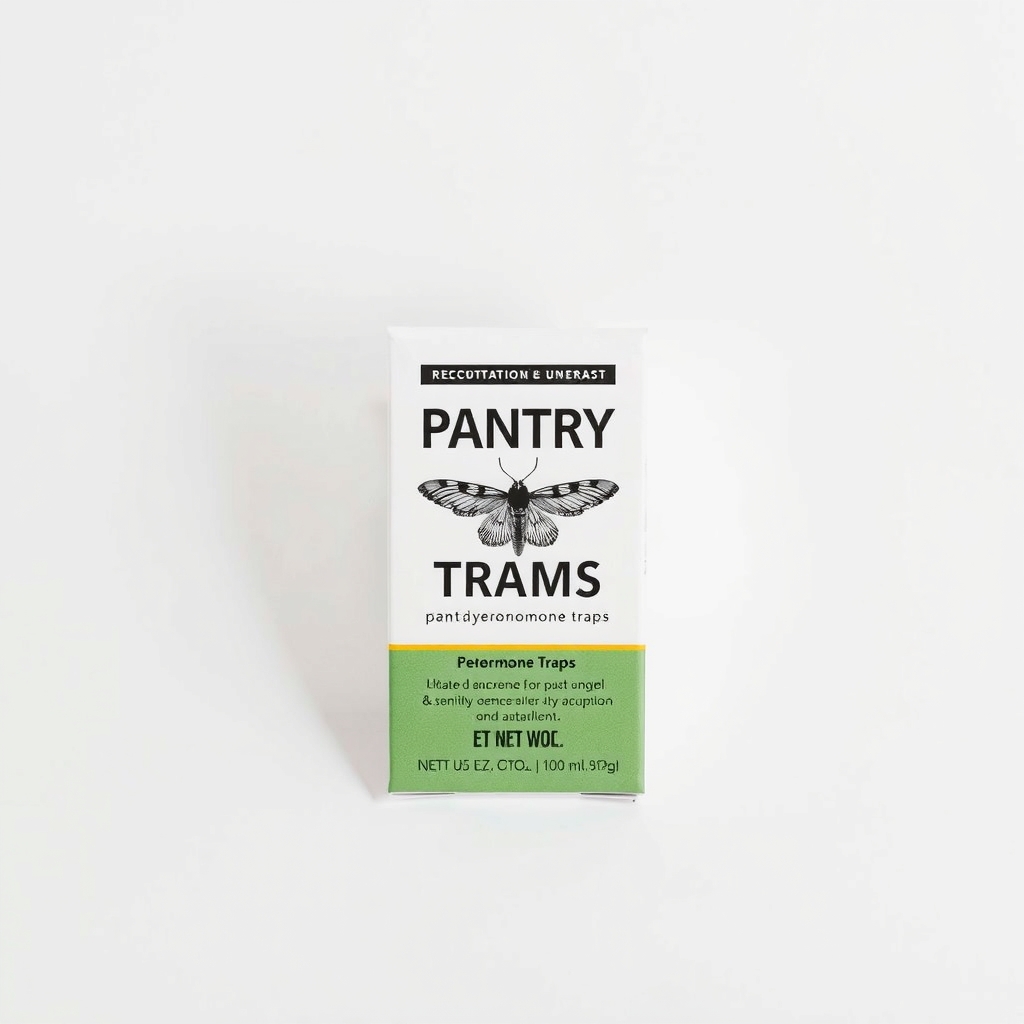
Pantry moth pheromone traps
Tells you if any adults are left; it does not cure the problem alone
Why it happens
They ride in on food
Eggs are laid in flour, cereal, rice, nuts and pet food at the factory, warehouse or store. The bag you bring home is the source. The usual culprit is the Indian meal moth, and it is not a sign of a dirty kitchen.
Packaging that is not sealed
Larvae chew through paper, cardboard and thin plastic. Folded-over bags and boxes with open flaps are easy to get into and out of.
Old, slow-moving stock
An open bag of flour or birdseed at the back of a shelf gives moths months to breed.
Cracks that hide them
Larvae leave the food to spin cocoons in corners, shelf seams and lid rims. Tossing the infested bag does not always end the problem.
Try this first (free)
Do these in order, starting with the simplest.
-
Find the source
Check flour, cereal, rice, pasta, dried fruit, nuts, spices, birdseed and pet food. Look for webbing, clumps, tiny off-white worms or small cocoons in the corners. Seal anything infested in a bag and take it outside.
-
Freeze new and doubtful food
Tool used: FreezerPut new flour, grains, nuts and dried fruit in the freezer for four days, then shelve them. This kills any eggs that came from the store.
-
Clean the pantry
Tool used: Vacuum cleaner with crevice toolTake everything out. Vacuum corners, shelf edges and the undersides of shelves with the crevice tool, then wipe with soapy water or a vinegar and water mix. Empty the vacuum outside.
-
Move food into airtight containers
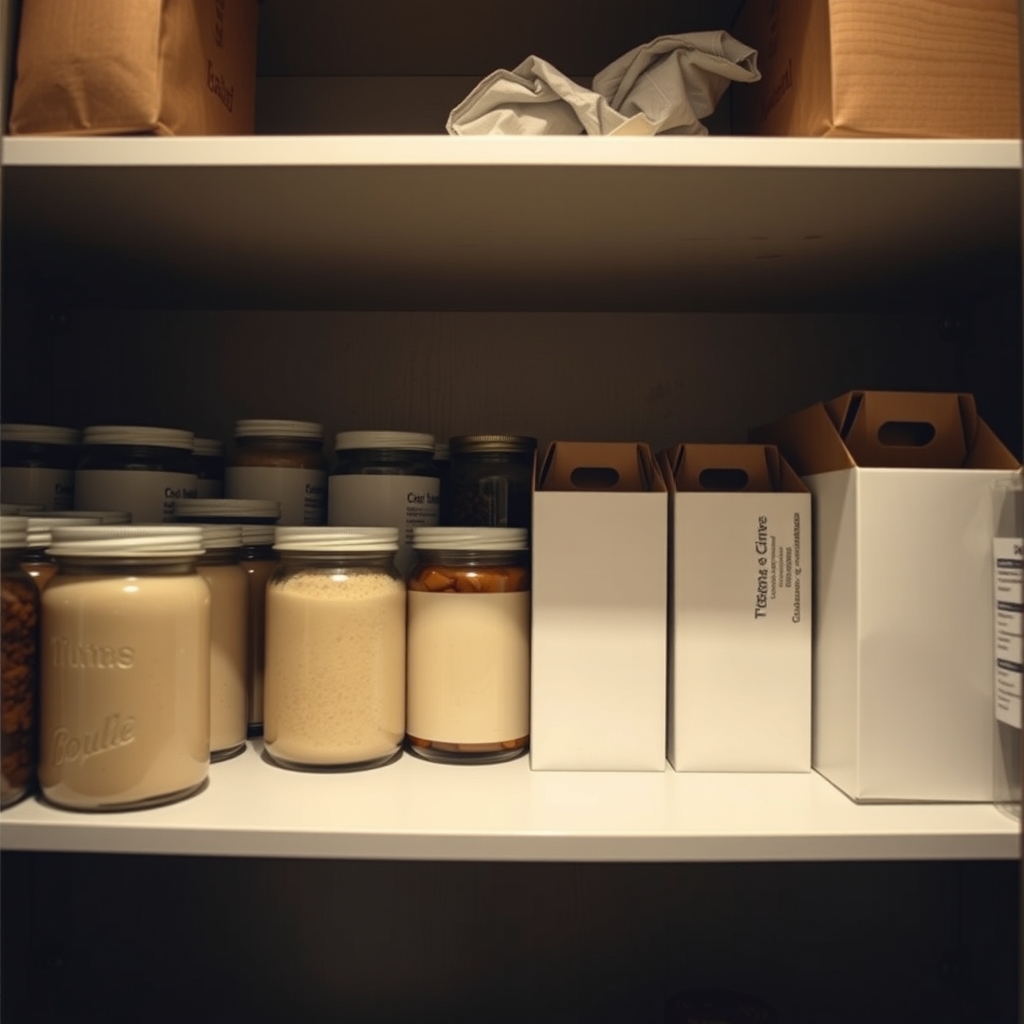
Tool used: Airtight pantry containersPour flour, cereal, rice, sugar, oats, nuts and pet food into containers with sealing lids. Fill them only from inspected packages, and write the date on each.
IllustrationCheck price on AmazonTool for this step
Airtight pantry containers · Start with flour, rice, oats and pet food
-
Watch for stragglers with a trap
Tool used: Pantry moth pheromone trapsPut one pheromone trap on a shelf for a few weeks. It catches male moths. If it stops catching any, your pantry is clear.
IllustrationCheck price on AmazonTool for this step
Pantry moth pheromone traps · Tells you if any adults are left; it does not cure the problem alone
When free fixes aren't enough
Freezing and cleaning clear the moths you can see, but they cannot stop new eggs arriving in the next bag from the store, or larvae chewing into the package next door. If moths returned after a cleanout, you probably did not seal the food afterward. Containers break that cycle by holding each food apart. If you still see moths after sealing, one container has a gap or an infested item was sealed in. Empty it and check. If they keep coming back, look in pet food, birdseed and dried flowers.
Buy the fix
Still stuck after the free fixes? These are the products we would look at.
| Pick | Product | Fixes | Who it's for | Buy |
|---|---|---|---|---|
| Best pick | Airtight pantry food storage containers | moths getting through packaging and spreading between foods | Most households, especially anyone whose moths came back after a cleanout. | Check price |
| Budget pick | Wide-mouth glass jars with sealing lids | low-cost sealed storage for small amounts | Anyone who wants sealed storage for grains and cereals at a low cost per container. | Check price |
| Upgrade pick |  Large food-grade storage bucket with a sealing lid | bulk flour, rice and pet food that will not fit in jars | Households that buy in bulk or keep pet food or birdseed. | Check price |
Airtight pantry food storage containers
Fixes: moths getting through packaging and spreading between foods
Look for: A silicone gasket around the lid and a locking or screw-on seal; Rigid walls that larvae cannot chew through; Sizes that hold a full bag of flour or sugar; A clear body so you can see what is inside.
- Who it's for
- Most households, especially anyone whose moths came back after a cleanout.
- Honest downside
- Shelf space is tight. Large sets take room, so start with flour, rice, oats and pet food.
Wide-mouth glass jars with sealing lids
Fixes: low-cost sealed storage for small amounts
Look for: Lids that are not dented and seal tightly; A wide mouth for scooping; Thick glass with no chips.
- Who it's for
- Anyone who wants sealed storage for grains and cereals at a low cost per container.
- Honest downside
- You store large bags of flour, or small children could drop glass.
Large food-grade storage bucket with a sealing lid
Fixes: bulk flour, rice and pet food that will not fit in jars
Look for: Food-grade plastic; A screw-on or gasket lid; A size that holds a full bag.
- Who it's for
- Households that buy in bulk or keep pet food or birdseed.
- Honest downside
- You buy small amounts. A bucket will just take up room.
As an Amazon Associate I earn from qualifying purchases. We don't show prices because they change, so use the button to see today's price.
How we picked: How we picked: this page is based on university extension guides on pantry pests, storage advice from container makers, and what owners report in reviews of airtight food containers. We do not test products by hand.
How to tell it is pantry moths
Adult Indian meal moths are about half an inch long, gray near the head and copper-brown at the wing tips. They fly in a zigzag near the pantry or a kitchen light. Larvae are small off-white worms. Webbing, clumped flour and tiny cocoons in corners are the clues.
Which foods to seal first
- Flour, cornmeal and baking mixes
- Cereal, oats, granola, rice and pasta
- Nuts, seeds and dried fruit
- Pet food, treats and birdseed
- Spices and tea you do not use often
What to skip
Bay leaves, cedar and lavender as the whole plan
These are popular, but evidence that they stop pantry moths is thin. They may put off some adults but will not stop larvae from eating food in an open bag. Treat them as an extra, not the fix. Skip bug sprays near food as well.
Frequently asked questions
Where do pantry moths come from?
Why do pantry moths keep coming back?
Do airtight containers really keep moths out?
Is food with pantry moths safe to eat?
Related problems

As an Amazon Associate I earn from qualifying purchases. Affiliate disclosure