How to Fix Office Chair Armrest Foam: Replacement Pads That Fit
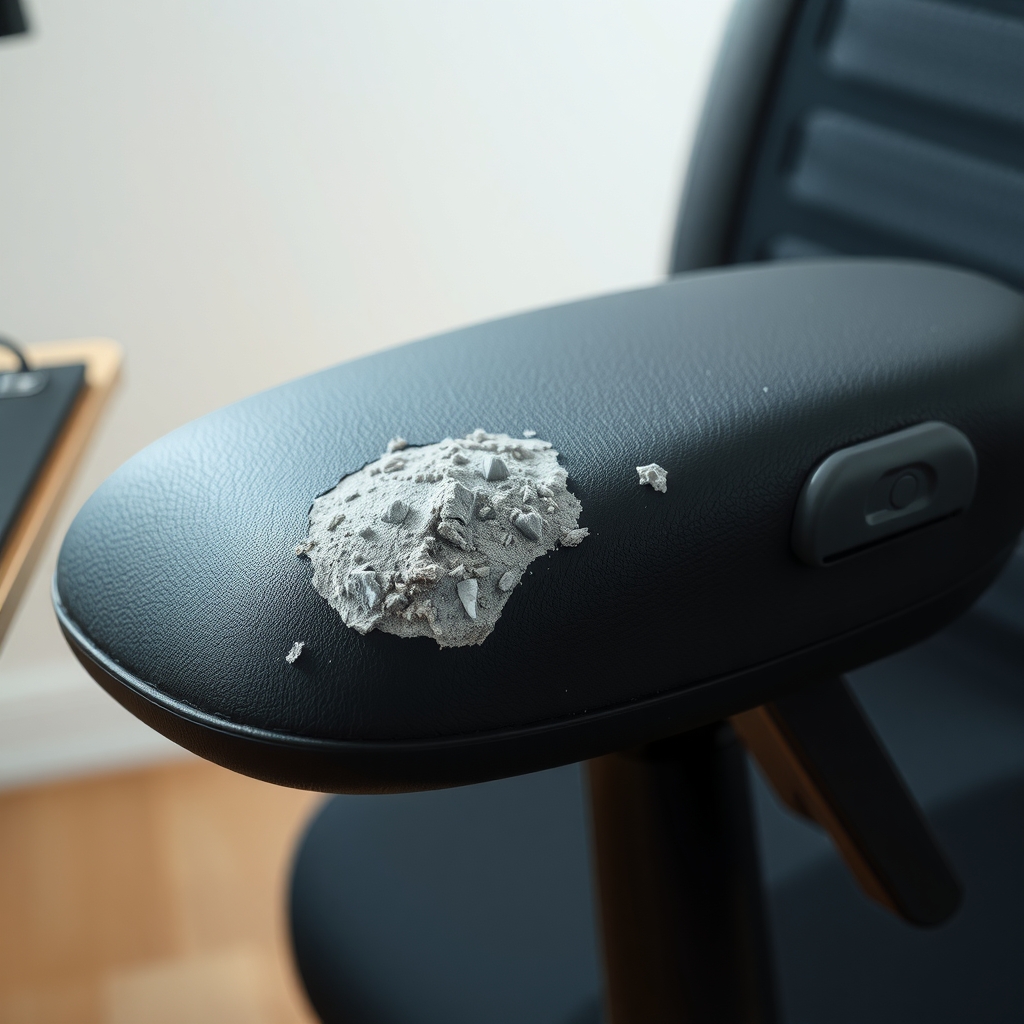
Flaking skin and crumbling foam mean the pad is worn out, not the arm. A wrap buys time; a new pair of pads that matches your screw holes ends it.
By Jamilur Rahman Updated November 5, 2026 · 6 min read
- Time
- 20 min
- Cost
- Under $20
- Difficulty
- Easy
In this guide
Quick answer
Armrest foam falls apart because the skin on the pad dries, cracks and flakes with age and use, and the foam underneath then crumbles. You can peel off the loose skin and wrap the pad for a while, but the pad itself is worn out. The lasting fix is a new pair of pads: unscrew the old ones from underneath, measure the length, width and distance between the screw holes, and fit pads that match.
Free fix vs. permanent fix
Peel, trim and wrap the pad
- Peel away the loose skin and vacuum the crumbs
- Smooth any rough edge with fine sandpaper
- Wrap the pad in a soft cloth sleeve and tape it underneath
- Replace the pad as soon as the foam itself starts to crumble
How long it lasts: A few weeks to a few months. The foam and skin keep breaking down, and the flakes come back.
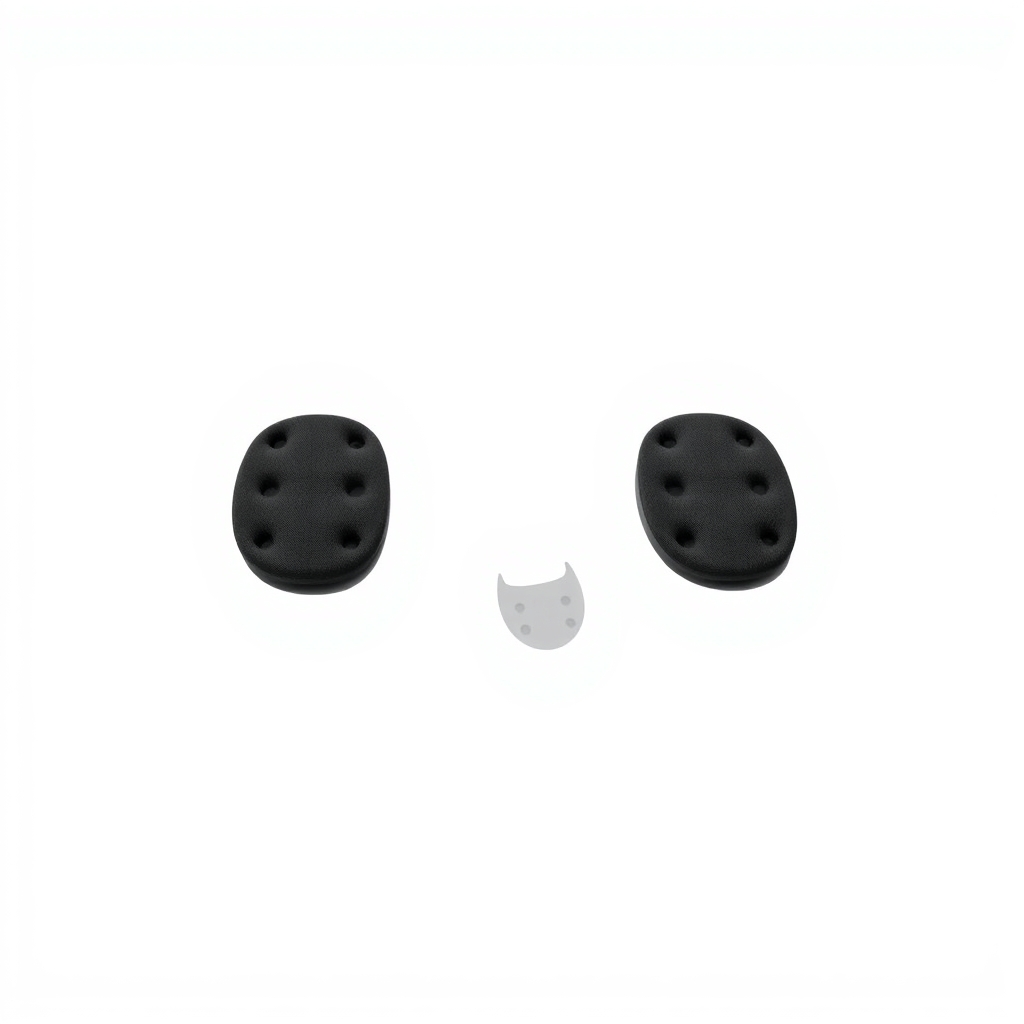
Replacement armrest pads that match your chair
The arm is fine; only the pad is worn. Pads are made to be replaced, and most attach with two screws from underneath, so the swap takes minutes. When the length, width and screw-hole spacing match, you get a pad that sits flat and firm instead of a patch that peels again.
What to get: Replacement office chair armrest pads (pair)
How long it lasts: Years. A new pad has fresh skin and foam, and it screws to the same arm.
As an Amazon Associate I earn from qualifying purchases.
What you'll need
-
Phillips screwdriver
Most pads sit on two screws from underneath
You have it -
Tape measure or ruler
Measure the pad length, width and hole spacing
You have it -
Cloth and tape
For the quick wrap
You have it - Our pick Illustration
Replacement armrest pads
A matching pair; check length, width and screw spacing
- Illustration
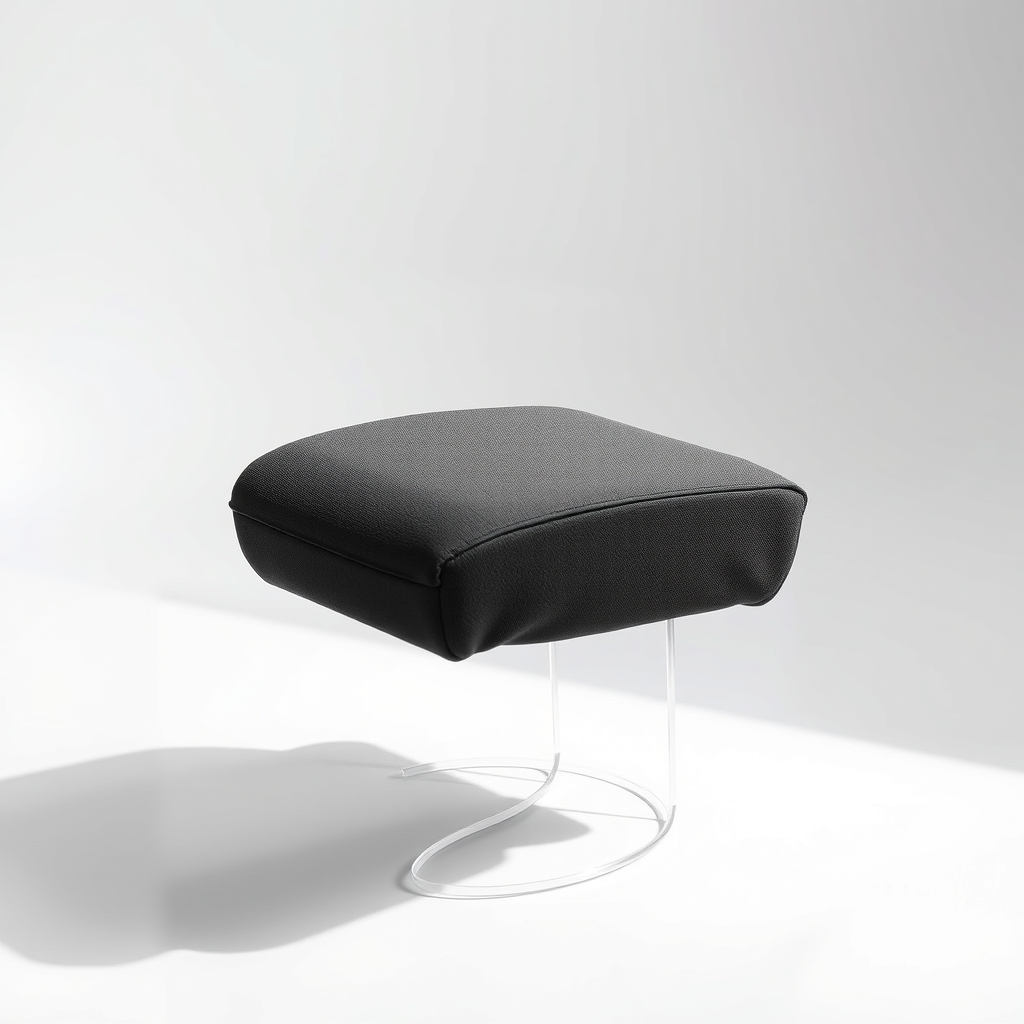
Slip-on armrest covers
For a pad that is rough but still firm
- Illustration
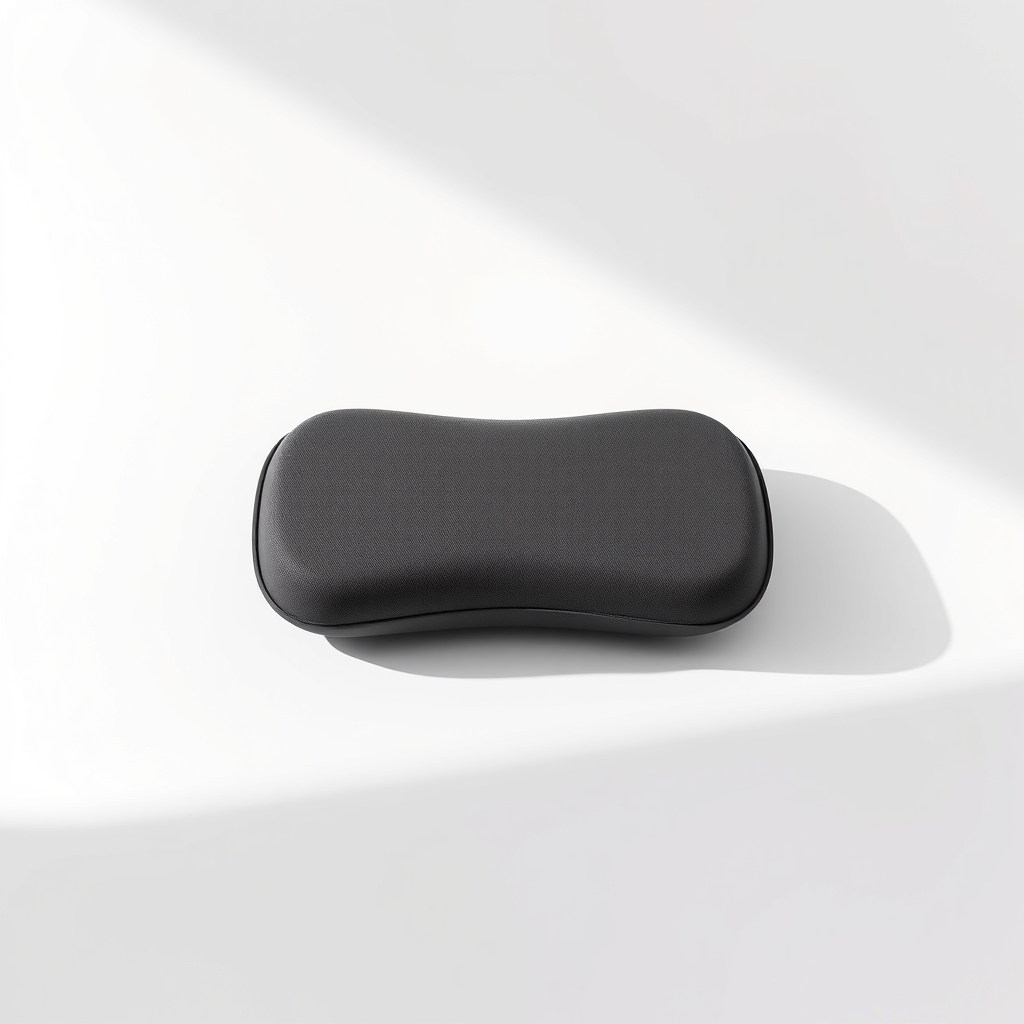
Gel or memory-foam armrest pads
For long sitting hours
Why it happens
Skin that breaks down with age
Many pads use a polyurethane skin over foam. Sweat, hand oils, sunlight and age break it down, and it cracks, peels and flakes off.
Foam that crumbles under it
Once the skin splits, the foam is exposed and turns to dust and crumbs. It cannot be glued back together.
Constant friction and weight
Your forearms rest on the same spot for hours, so wear concentrates at the front and sides of the pad.
A thin pad from the start
Thin skin and low-density foam wear out faster. If your pad failed within a year or two, look for a thicker, denser one next time.
Try this first (free)
Do these in order, starting with the simplest.
-
Stop the mess
Peel off the flaking skin, brush away the crumbs and vacuum the arm and floor. Foam dust gets on desks and clothes, so work over a sheet or outside.
-
Check how the pad attaches
Tool used: Phillips screwdriverTip the chair back or lay it on its side. Look under each arm for two screws holding the pad to the arm plate. Some pads clip on or use a single screw.
-
Measure the old pad
Tool used: Tape measure or rulerMeasure the length, the width and the distance between the two screw holes, center to center. Write the numbers down, and note the chair's model number if you can find it.
-
Wrap it for now
Tool used: Cloth and tapeIf you need to keep working, wrap the pad in cloth and tape it underneath. It is a stopgap, not a repair.
-
Fit the new pads
Tool used: Replacement armrest padsRemove the screws, lift off the old pad, line up the new pad's holes and drive the screws in until snug. Do not over-tighten, since a stripped hole makes the pad wobble.
IllustrationCheck price on AmazonTool for this step
Replacement armrest pads · A matching pair; check length, width and screw spacing
-
Test both arms
Sit, press down on each arm and check for wobble, then tighten if needed. Replace the pair together so they match.
When free fixes aren't enough
A wrap hides the problem without fixing it. The foam under the cloth is still turning to dust, and loose skin works its way through. If the pad flakes, the foam is exposed or the pad has gone flat, replace it. If your chair has a brand name, search its model number for an exact-fit pad and save the guessing. If the arm plate itself is cracked, or the screws will not hold, a new pad will not cure it, and you need a new arm. If the chair is old and several parts have failed, a new chair may cost less than parts.
Buy the fix
Still stuck after the free fixes? These are the products we would look at.
| Pick | Product | Fixes | Who it's for | Buy |
|---|---|---|---|---|
| Best pick | Replacement office chair armrest pads (pair) | crumbling foam and peeling skin on armrests | Anyone whose pad is flaking or flat, and whose arm plate is sound. | Check price |
| Budget pick | Slip-on armrest covers | a rough or sticky pad that is still firm underneath | Someone whose pad is worn at the surface but not crumbling. | Check price |
| Upgrade pick | Gel or memory-foam armrest pads | a worn pad plus sore forearms and elbows | People who sit for long hours and want more cushion than the standard pad. | Check price |
Replacement office chair armrest pads (pair)
Fixes: crumbling foam and peeling skin on armrests
Look for: A length and width that match your old pad; A screw-hole spacing that matches, or slotted holes that allow a range; Dense foam with a thick, durable cover; Sold as a pair with screws included.
- Who it's for
- Anyone whose pad is flaking or flat, and whose arm plate is sound.
- Honest downside
- The pad is glued on or part of a molded arm, or the arm is cracked. Check how yours attaches before you buy.
Slip-on armrest covers
Fixes: a rough or sticky pad that is still firm underneath
Look for: A stretch fit for your pad's size; A non-slip lining so it stays put; Washable fabric.
- Who it's for
- Someone whose pad is worn at the surface but not crumbling.
- Honest downside
- The foam is crumbling. A cover just hides it, so replace the pad.
Gel or memory-foam armrest pads
Fixes: a worn pad plus sore forearms and elbows
Look for: The same footprint and screw spacing as your old pad; A soft-touch cover that wipes clean; Gel or memory foam firm enough not to flatten quickly.
- Who it's for
- People who sit for long hours and want more cushion than the standard pad.
- Honest downside
- You like a firm arm, or a thicker pad would raise your arms higher than your desk allows.
As an Amazon Associate I earn from qualifying purchases. We don't show prices because they change, so use the button to see today's price.
How we picked: How we picked: this page is based on office-chair repair guides, replacement-part instructions from chair makers, and what owners report about fit and durability in reviews. We do not test products by hand.
Three measurements before you buy
- Length and width of the pad: measure the top surface at its longest and widest points.
- Hole spacing: measure from the center of one screw hole to the center of the other.
- How it attaches: two screws from underneath is the most common, but some pads clip on.
What to skip
Glue, duct tape and spray-on rubber coatings
Glue and duct tape peel off, leave sticky residue and collect lint. Spray-on rubber coatings can feel tacky and wear off. They hide the problem for a few weeks, but the foam underneath keeps breaking down, and you still end up buying pads.
Frequently asked questions
Can I repair crumbling armrest foam?
How do I find replacement armrest pads that fit?
Are armrest pads universal?
How long do armrest pads last?
Related problems
As an Amazon Associate I earn from qualifying purchases. Affiliate disclosure