Pillow Too Soft? Firmer Options for a Flat, Sinking Pillow
A soft pillow flattens under your head and bends your neck. Prop it up free tonight, then choose a firmer fill and height to match how you sleep.
By Jamilur Rahman Updated November 5, 2026 · 6 min read
- Time
- 10 min
- Cost
- $20-$50
- Difficulty
- Easy
In this guide
Quick answer
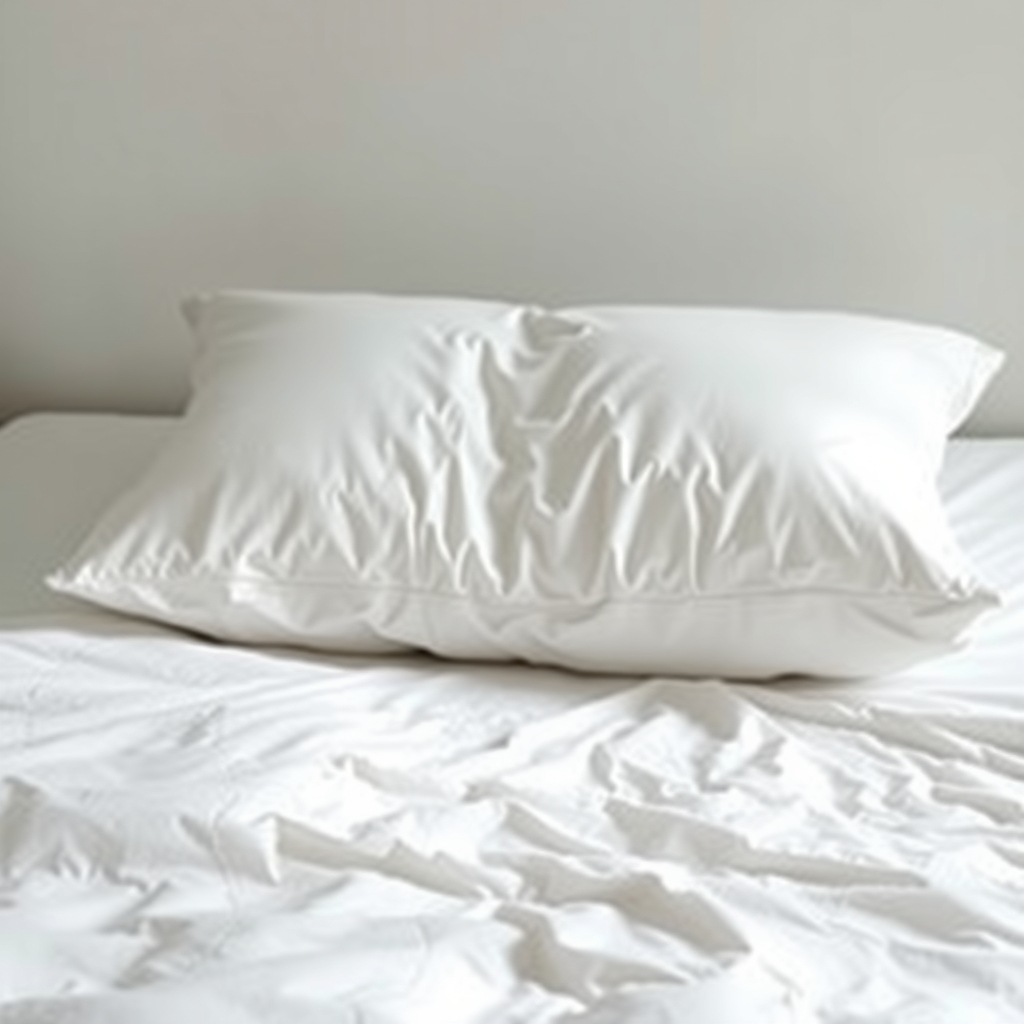
A pillow too soft sinks under your head and tilts your neck out of line, so you wake up stiff or squashed against the mattress. Fluffing it and propping it up with a folded towel helps for a night or two. A firm supportive pillow at the right height for your sleep position is the fix that holds, because the fill pushes back instead of flattening.
Free fix vs. permanent fix
Fluff it and prop it with a towel
- Tumble on low heat with dryer balls for 10 to 15 minutes
- Fold a towel to raise the pillow
- Check the pillow by folding it in half
- Stomach sleepers: do not go firmer
How long it lasts: A night or two. Soft fill flattens again within hours.
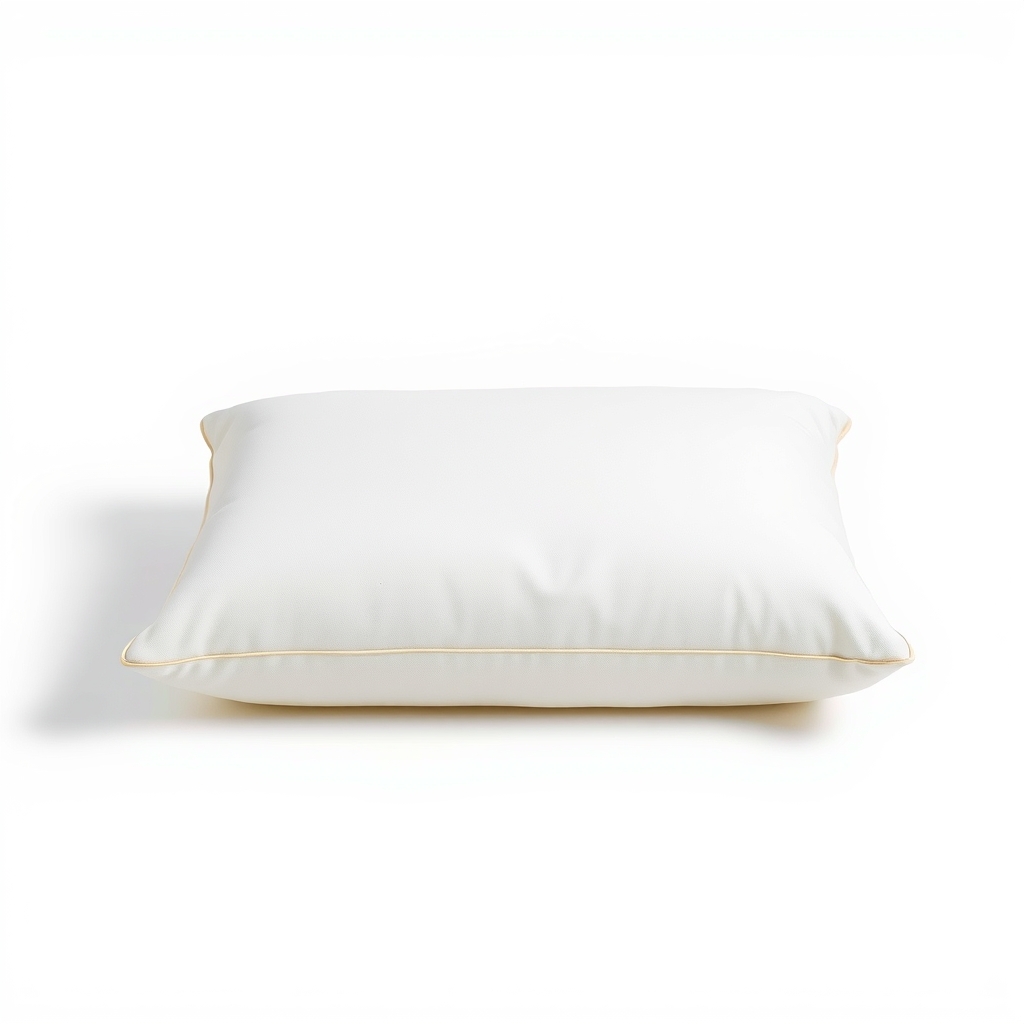
A firm supportive pillow at the right height
A soft fill compresses under the weight of your head. A firm fill pushes back and keeps your neck level with your spine. Matching the height to your sleep position keeps it that way.
What to get: Firm supportive pillow (latex or firm foam)
How long it lasts: Years. Latex, firm foam and dense fill hold their shape night after night.
As an Amazon Associate I earn from qualifying purchases.
What you'll need
-
Dryer balls or tennis balls
Break up clumps and re-spread the fill
You have it -
Tape measure
To measure the gap between your shoulder and neck
You have it -
Folded bath towel
Slide it under the pillow to add height
Free - Our pick Illustration
Firm supportive pillow
Choose the loft from your measurement
- Illustration
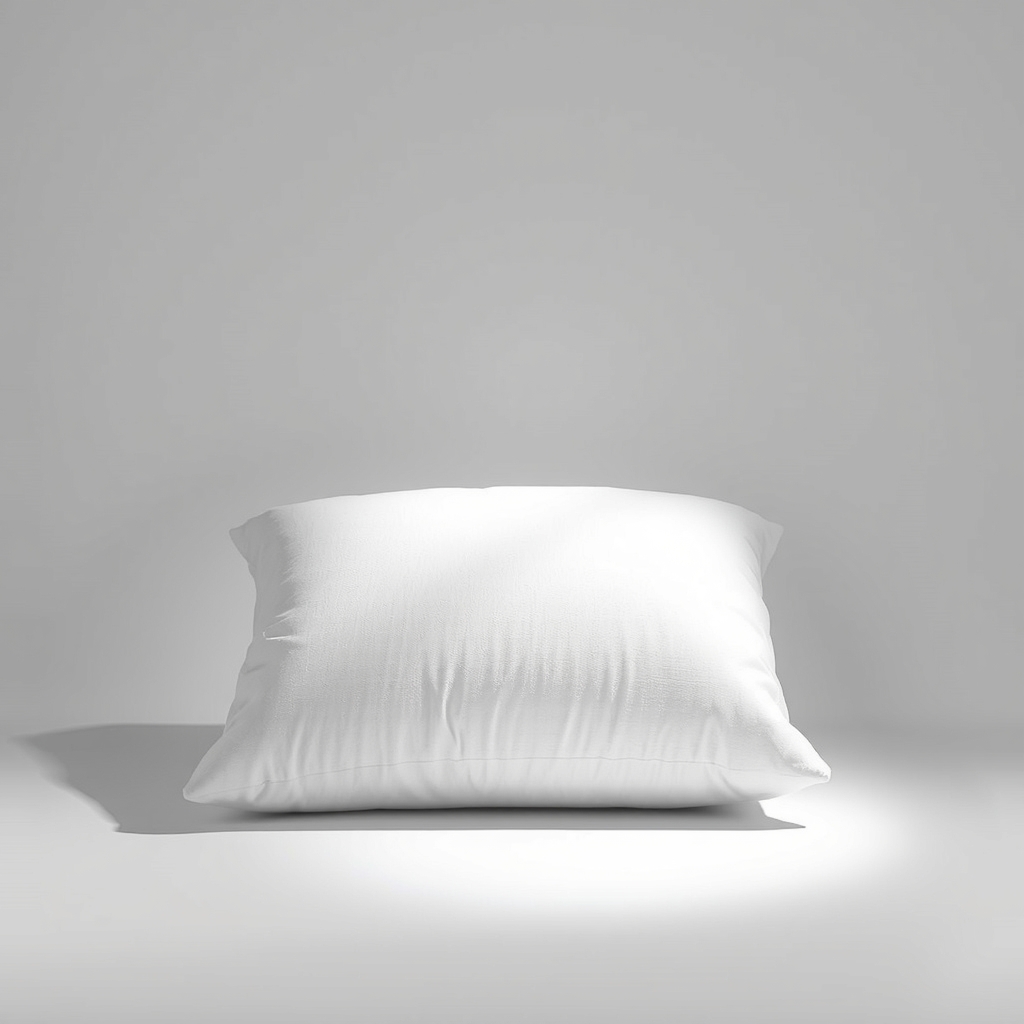
Firm-fill fiber pillow
A low-cost swap for a flat pillow
- Illustration
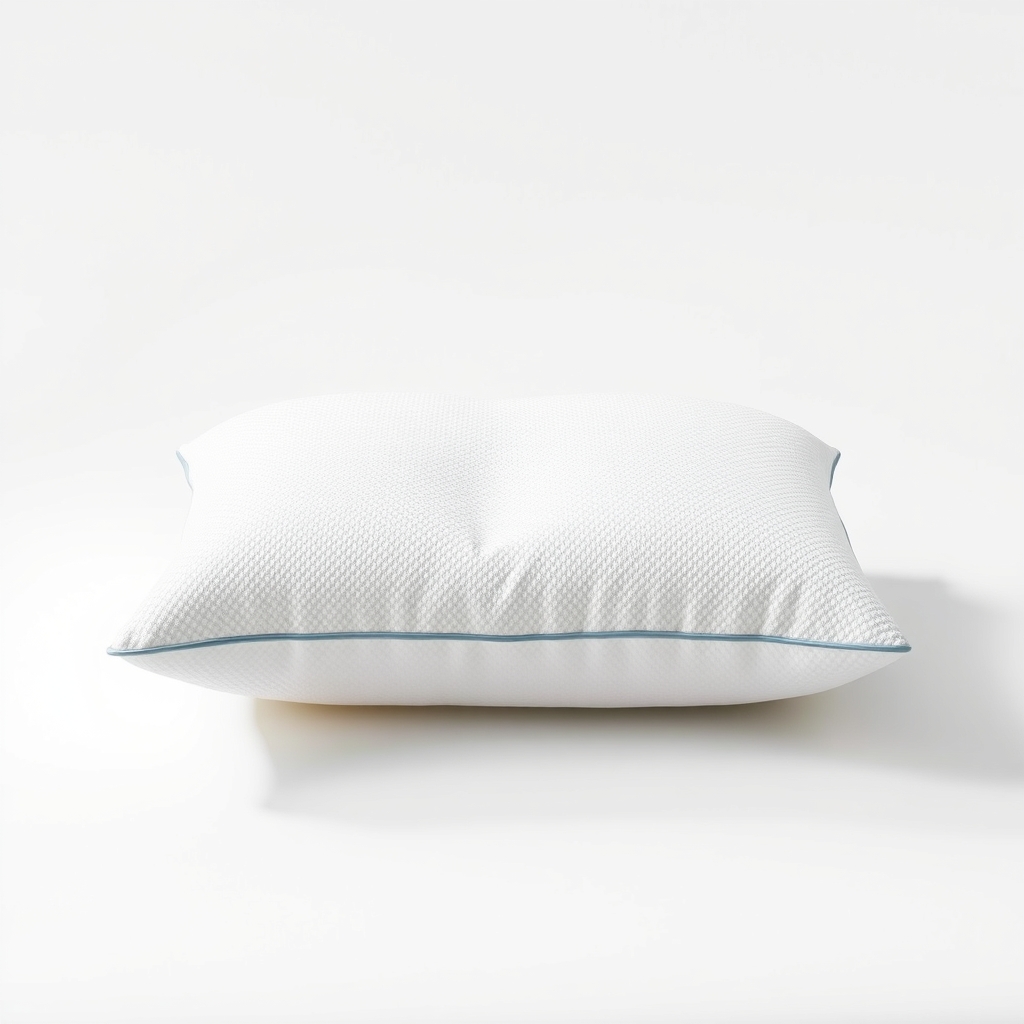
Adjustable-fill pillow
Add or remove fill to get the height right
Why it happens
Low-density fill
Loose polyester fiber and soft down compress fast under your head and do not spring back.
An old pillow
Fiber pillows commonly go flat after a year or two. Body weight and moisture break down the fill.
The wrong height for how you sleep
Side sleepers need a pillow that fills the gap between ear and shoulder. A soft one collapses into that gap.
Washing that clumped the fill
Washing and drying a pillow badly leaves it lumpy in some places and flat in others.
Try this first (free)
Do these in order, starting with the simplest.
-
Fluff and re-spread the fill
Tool used: Dryer balls or tennis ballsPunch and shake the pillow, then tumble it on low heat with two dryer balls for 10 to 15 minutes. Check the care label first. Loose fill moves back into the corners.
-
Measure the gap to fill
Tool used: Tape measureLie on your side and measure from the tip of your shoulder to the side of your neck. For many side sleepers that is roughly 4 to 6 inches. Your pillow should fill it so your head stays level.
-
Prop it up with a folded towel
Tool used: Folded bath towelFold a bath towel to about 1 to 2 inches thick and slide it under the pillow. Adjust until your nose lines up with the middle of your chest.
-
Check your sleep position
Stomach sleepers are often better off with a thin, soft pillow, and a firm one can strain the neck. Go firmer if you sleep on your side or back.
-
Test the pillow's age
Fold it in half and let go. If it stays folded or springs back slowly, the fill has given out.
-
Buy the loft you measured
Tool used: Firm supportive pillowPick a pillow whose listed loft in inches matches your gap, and with a fill that springs back, not loose fiber.
IllustrationCheck price on AmazonTool for this step
Firm supportive pillow · Choose the loft from your measurement
When free fixes aren't enough
Fluffing and towels work for a night or two, but a soft fill collapses again as soon as your head lies on it. If the pillow does not spring back when you fold it, if you wake with a stiff neck, or if you keep stacking two pillows to get enough height, the fill is too soft. A firmer pillow made of latex, dense foam, buckwheat or tightly packed fiber holds its shape. If neck pain, numbness or tingling in your arms continues after you change your pillow, talk to your doctor.
Buy the fix
Still stuck after the free fixes? These are the products we would look at.
| Pick | Product | Fixes | Who it's for | Buy |
|---|---|---|---|---|
| Best pick | Firm supportive pillow (latex or firm foam) | a head and neck that sink into a pillow that is too soft | Side and back sleepers who wake with a stiff neck or a flattened pillow. | Check price |
| Budget pick | Firm-fill fiber pillow (gusseted) | a flat pillow at the lowest cost | Anyone who wants an affordable swap, or a pillow for a guest bed. | Check price |
| Upgrade pick | Adjustable-fill pillow (shredded foam you can add or remove) | a pillow that is too soft when no single height fits | People between heights, or anyone who changes sleep position. | Check price |
Firm supportive pillow (latex or firm foam)
Fixes: a head and neck that sink into a pillow that is too soft
Look for: A loft in inches that matches your shoulder-to-neck gap; A fill that springs back, such as latex or dense foam; A removable, washable cover; A return window or sleep trial.
- Who it's for
- Side and back sleepers who wake with a stiff neck or a flattened pillow.
- Honest downside
- You sleep on your stomach. A firm pillow strains the neck, so choose a thin, soft one.
Firm-fill fiber pillow (gusseted)
Fixes: a flat pillow at the lowest cost
Look for: Dense polyester or microfiber fill listed as firm; A gusset or side panel that holds loft; Machine washable.
- Who it's for
- Anyone who wants an affordable swap, or a pillow for a guest bed.
- Honest downside
- You want it to last for years or you sleep hot. Fiber flattens sooner than latex or foam.
Adjustable-fill pillow (shredded foam you can add or remove)
Fixes: a pillow that is too soft when no single height fits
Look for: A zippered inner liner so you can add or remove fill; Spare fill included; A cooling or breathable cover; A washable cover.
- Who it's for
- People between heights, or anyone who changes sleep position.
- Honest downside
- You dislike the slightly crunchy feel of shredded foam, or want the lowest price.
As an Amazon Associate I earn from qualifying purchases. We don't show prices because they change, so use the button to see today's price.
How we picked: How we picked: this page is based on sleep-position pillow guidance, pillow fill descriptions from makers and what people report in owner reviews of firm pillows. We do not test products by hand.
Pick the loft by sleep position
- Side sleeper: higher loft, often around 4 to 6 inches, and firm enough to fill the gap between ear and shoulder.
- Back sleeper: medium loft and medium-firm support under the head and neck.
- Stomach sleeper: low loft and soft. A firm pillow can strain the neck.
These are starting points. If you still wake with a sore neck after a week, adjust the height.
What to skip
Stacked soft pillows and vague marketing words
Stacking two soft pillows makes a tall, wobbly pile that shifts all night. Skip listings that say plush or luxury without giving a loft or fill. Look for loft in inches and the fill type, and choose from those.
Frequently asked questions
How do I know if my pillow is too soft?
Does a firmer pillow help with neck pain?
What is the best firm pillow fill?
Is a soft pillow ever the right choice?
Why does my pillow go flat so fast?
Related problems
 Free fix inside
Bedroom & Sleep · Pillow Firmness
Pillow Too Firm? Softer Pillows That Still Hold Their Shape
Read the fix Free fix inside
Bedroom & Sleep · Pillow
Pillow Keeps Going Flat? Fluff It Now, Replace It Smartly
Read the fix Free fix inside
Bedroom & Sleep · Pillow Height
Pillow Too High? Adjustable Pillows That Let You Fix It
Read the fix Free fix inside
Bedroom & Sleep · Pillow Height
Pillow Not High Enough? Boost the Loft Without Buying a New Bed
Read the fixAs an Amazon Associate I earn from qualifying purchases. Affiliate disclosure