Mattress Too Soft? Firm It Up Without Replacing the Bed
A soft mattress lets your hips sink and your back sag. Check the base first, then add a firm topper that lifts you back into line.
By Jamilur Rahman Updated November 5, 2026 · 7 min read
- Time
- 30 min
- Cost
- $50-$150
- Difficulty
- Easy
In this guide
Quick answer
A mattress feels too soft when it is worn, when the base under it does not support it, when a soft layer sits on top, or when it is just softer than your body needs. Rotate it, check the slats and try a board under it first. If your hips still sink, a firm topper adds a dense layer on top, but it will not rescue a bed with a deep dip.
Free fix vs. permanent fix
Rotate it and check the base
- Rotate the mattress head to foot
- Check slat gaps and the center support
- Try one night with the mattress on the floor
- Take off any plush pad or featherbed
How long it lasts: Helps if the base or a soft top layer is the cause. It cannot firm a mattress that has simply lost its support.
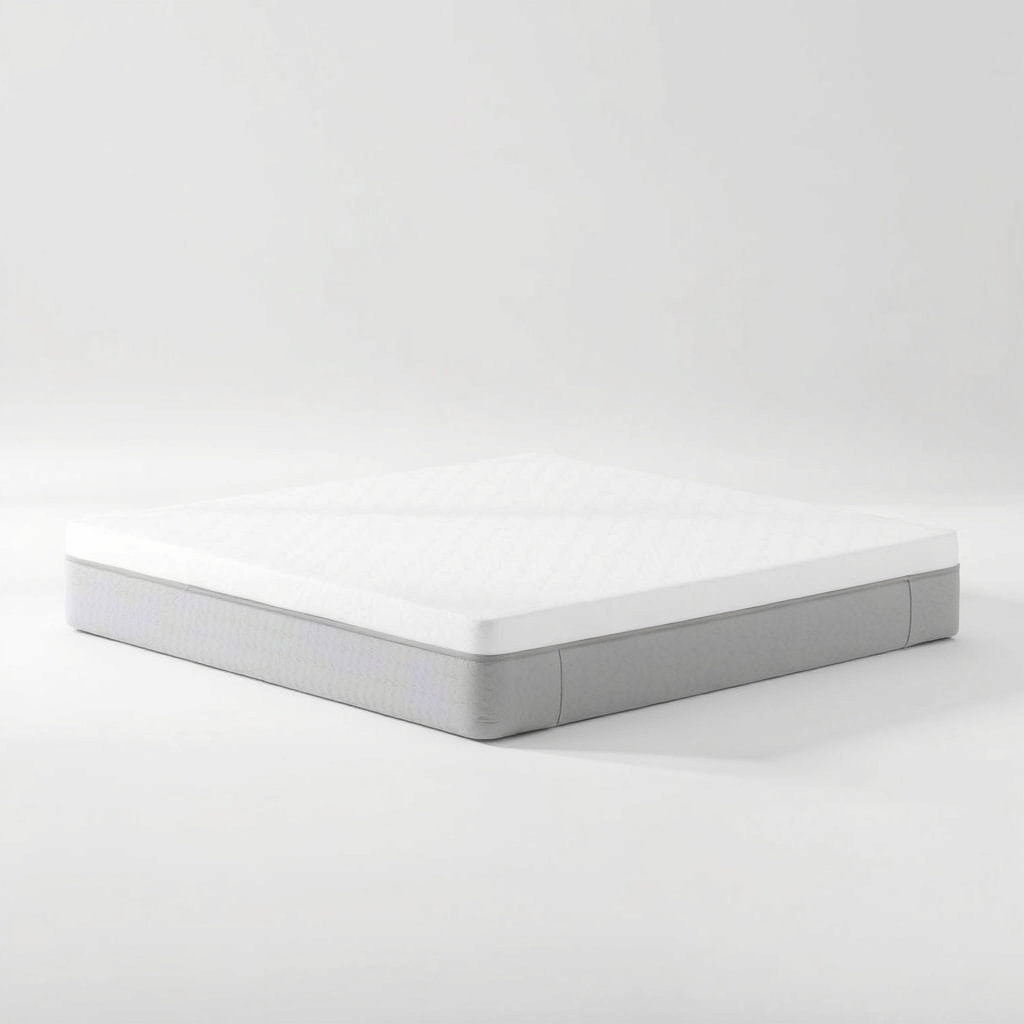
A firm, high-density foam topper
A firm layer spreads your weight over a wider area, so your hips stop sinking. It lifts you above the soft layer instead of through it. It will not repair a mattress with a deep body dip, since the topper follows the dip.
What to get: Firm high-density foam mattress topper, 2 to 3 inches
How long it lasts: Several years if the foam is dense. Check the listed density, since low-density foam softens and flattens sooner.
As an Amazon Associate I earn from qualifying purchases.
What you'll need
-
Tape measure
Checks slat gaps and the mattress depth
You have it - Illustration
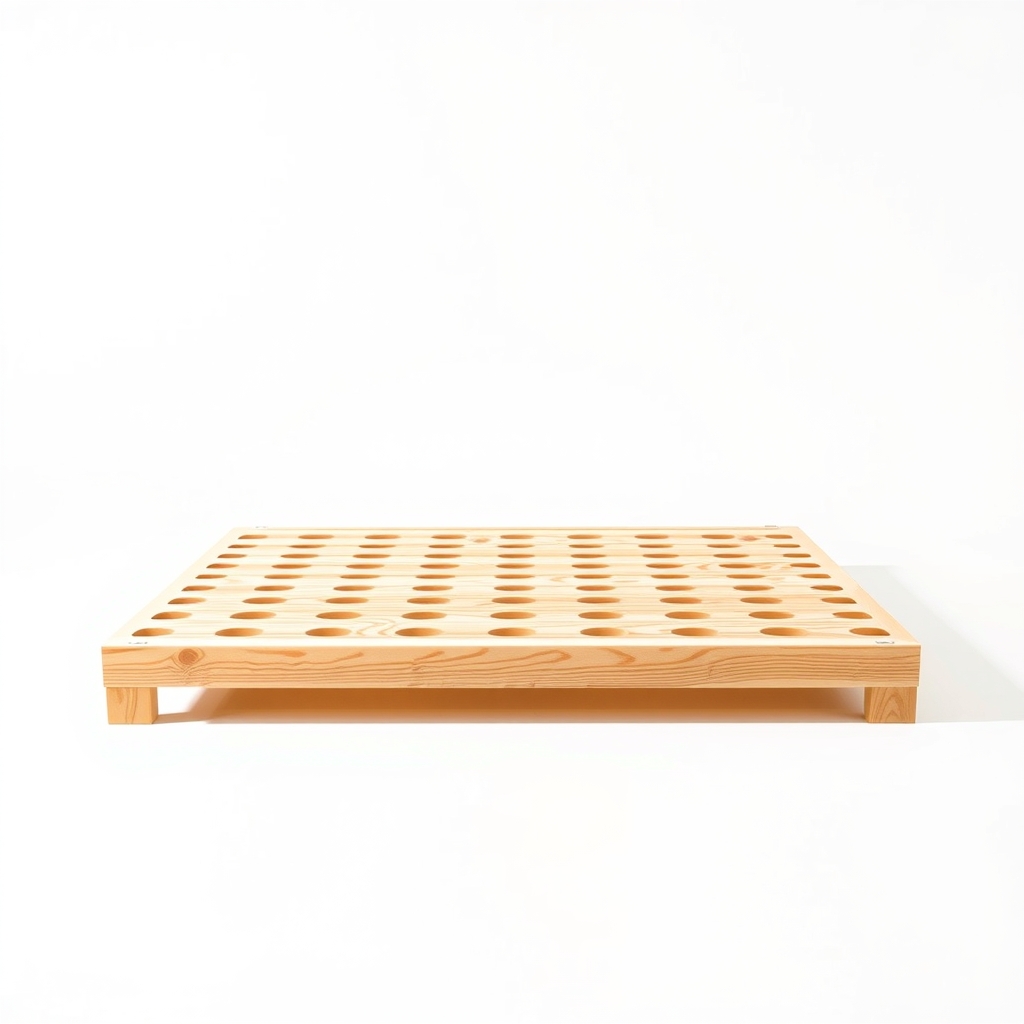
Bunkie board or plywood sheet
Gives the mattress a flat, solid base over wide slats
- Our pick Illustration
Firm high-density foam topper
Firms the sleeping surface when the base is fine
- Illustration
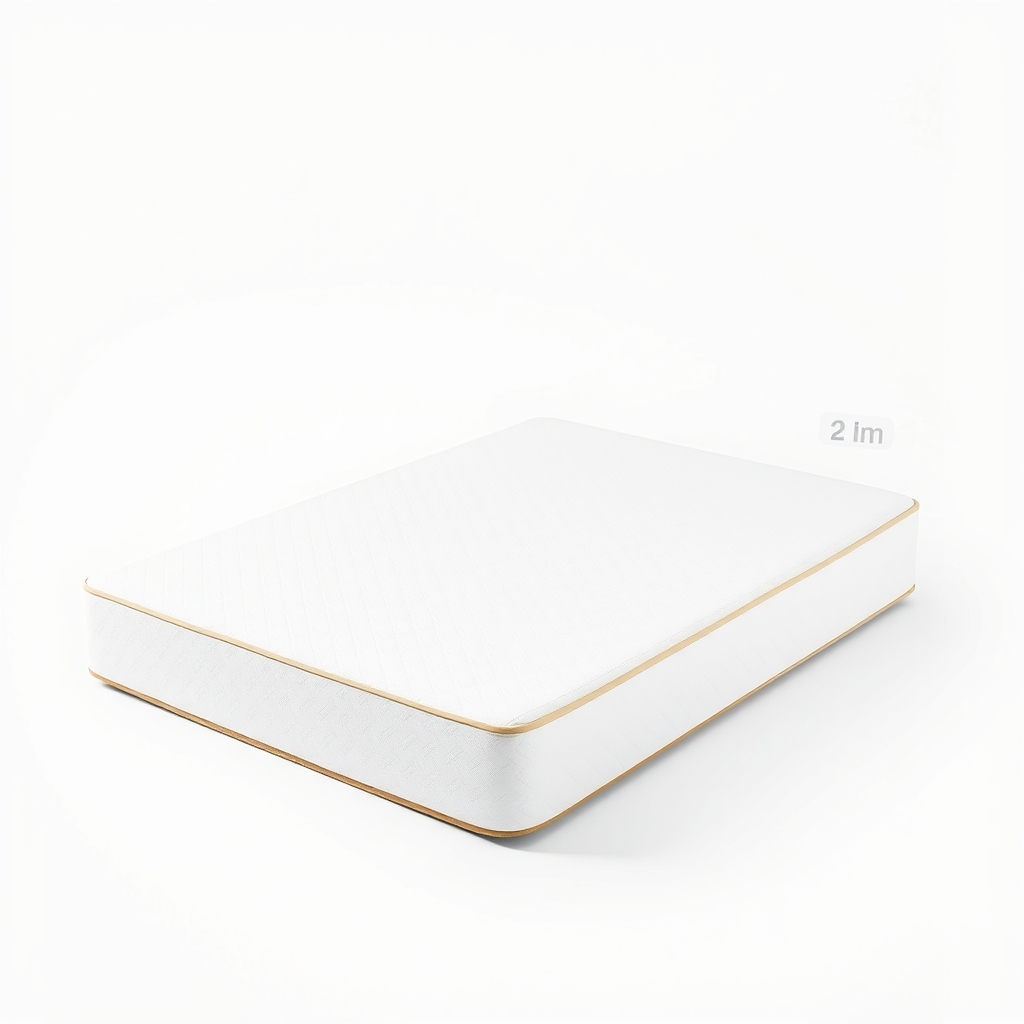
Firm latex topper
A springier, longer-lasting firm layer for more money
Why it happens
A worn mattress
Foam and coils compress over years. A bed that felt fine at 3 years can feel soft at 8 or 10. Many warranties count a visible dip of around 1 to 1.5 inches as a defect, so check yours.
A base that does not support it
Wide slat gaps, a missing center support leg or a bowed box spring let the mattress sag in the middle. That feels soft and uneven.
A soft layer on top
A pillow top, plush topper or featherbed adds give. On a soft mattress it lets you sink straight through to the base.
A bed softer than your body needs
Heavier sleepers sink deeper into the same mattress. A bed that suits a lighter person can feel soft to someone much heavier, or to a back or stomach sleeper who needs a flatter surface.
Try this first (free)
Do these in order, starting with the simplest.
-
1. Rotate the mattress head to foot
Most mattresses can rotate, but a few are one-sided and should not be flipped, so check the care label. Rotating spreads wear and can ease a hollow you sleep in. Repeat every 3 to 6 months.
-
2. Check the base
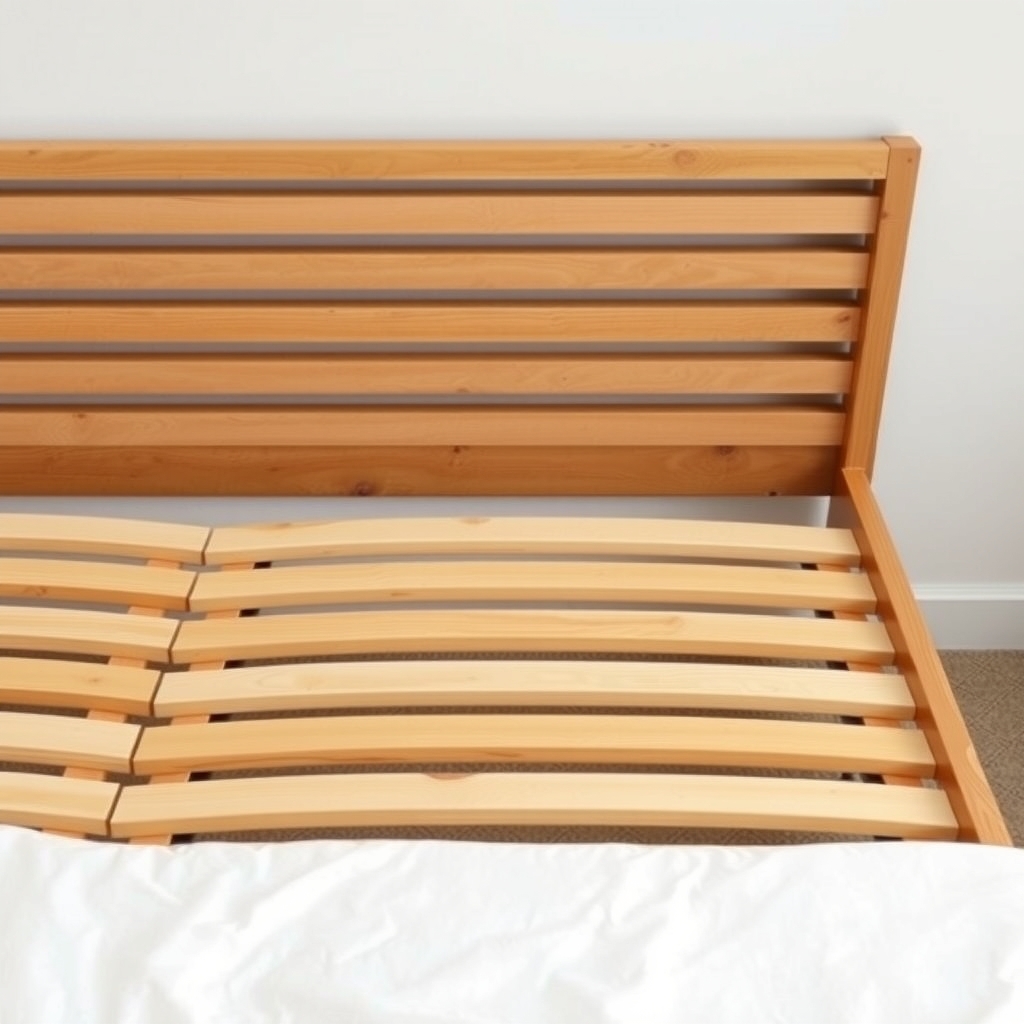
Tool used: Tape measureMeasure the gaps between slats and keep them under about 3 inches. On queen and larger frames, make sure a center support leg touches the floor.
-
3. Try the floor test for one night
Put the mattress on a clean, dry floor for one night. If it feels firmer, the base is the problem. Put it back on the frame the next day and let the floor air out.
-
4. Take off soft layers
Remove any plush pad, featherbed or pillow-top cover for a week. A soft layer on a soft bed makes both feel worse.
-
5. Add a solid board under the mattress
Tool used: Bunkie board or plywood sheetA bunkie board or a 3/4-inch plywood sheet spreads weight over wide slats and fixes sag that comes from a weak base. It costs less than a topper. Lift the mattress now and then so air can reach the underside.
IllustrationCheck price on AmazonTool for this step
Bunkie board or plywood sheet · Gives the mattress a flat, solid base over wide slats
When free fixes aren't enough
If the base is solid, the mattress has no dip and it still feels like you sink too far, the bed is softer than your body wants. A firm, high-density topper adds a dense layer on top so your hips stop sinking. It does not suit a bed with a dip deeper than about an inch, because the topper sags into it. That bed needs a warranty claim or a replacement. Check the firmness rating in the listing, since a soft topper makes the problem worse.
Buy the fix
Still stuck after the free fixes? These are the products we would look at.
| Pick | Product | Fixes | Who it's for | Buy |
|---|---|---|---|---|
| Best pick | Firm high-density foam mattress topper, 2 to 3 inches | hips and shoulders sinking into a soft bed | Back and stomach sleepers, heavier sleepers and anyone whose hips sink on a soft bed. | Check price |
| Budget pick | Bunkie board for mattress support | a mattress sagging over wide slats or a weak base | Anyone with wide slat gaps or a sagging base, since it costs less than a topper. | Check price |
| Upgrade pick | Firm latex mattress topper, 2 to 3 inches | a soft bed, for people who want a springy firm surface that lasts | Hot sleepers and heavier sleepers who want a firm layer that holds its shape. | Check price |
Firm high-density foam mattress topper, 2 to 3 inches
Fixes: hips and shoulders sinking into a soft bed
Look for: Labeled firm, with a stated density and a high density number for the foam type; 2 to 3 inches thick; A non-slip bottom or straps; A removable cover.
- Who it's for
- Back and stomach sleepers, heavier sleepers and anyone whose hips sink on a soft bed.
- Honest downside
- Your mattress has a dip deeper than an inch, because the topper will follow the dip. Also skip it if you sleep hot, since dense foam traps heat.
Bunkie board for mattress support
Fixes: a mattress sagging over wide slats or a weak base
Look for: A size that matches your mattress; A solid, flat surface with no gaps; A low profile of about 1 to 3 inches.
- Who it's for
- Anyone with wide slat gaps or a sagging base, since it costs less than a topper.
- Honest downside
- You already have a solid platform with no gaps. A board will not change a soft mattress.
Firm latex mattress topper, 2 to 3 inches
Fixes: a soft bed, for people who want a springy firm surface that lasts
Look for: A firm rating, not medium or soft; Pinhole ventilation to sleep cooler; A zippered cotton or wool cover.
- Who it's for
- Hot sleepers and heavier sleepers who want a firm layer that holds its shape.
- Honest downside
- You have a latex allergy or a tight budget. Latex is also heavy to move.
As an Amazon Associate I earn from qualifying purchases. We don't show prices because they change, so use the button to see today's price.
How we picked: How we picked: this page is based on mattress care and warranty guidance, sleep health advice on firmness, and what owners report in topper and support-board reviews. We do not test products by hand.
Soft or sagging? Tell them apart
- Soft: the whole bed gives under your weight, but it springs back and has no visible dip. A firm topper or board can help.
- Sagging: a visible hollow where you sleep. That is wear. Check your warranty before adding anything.
- Uneven: the middle is lower than the sides. Check the slats and the center support first.
Firmness by sleeping position
Back and stomach sleepers usually do best on a firm surface that keeps the hips level. Side sleepers need some give at the shoulders and hips, so a medium-firm topper is safer than a very firm one. Do not go from too soft to too hard.
What to skip
What to skip: soft toppers and egg-crate pads
Toppers labeled plush, pillow-top or extra soft add to a soft bed. Egg-crate foam is too thin to firm a mattress and flattens quickly. Read the firmness rating in the listing, not just the thickness.
Frequently asked questions
Why does my mattress topper feel too soft?
Can a topper fix a sagging mattress?
Is it safe to put plywood under a mattress?
How long should I test a firm topper?
Related problems
As an Amazon Associate I earn from qualifying purchases. Affiliate disclosure