Toilet Too Low? A Raised Seat Fixes It Without a New Toilet
A low toilet is hard on knees, hips and backs. A raised seat adds 2 to 6 inches in minutes, with no plumber and no new toilet.
By Jamilur Rahman Updated November 5, 2026 · 7 min read
- Time
- 20 min
- Cost
- $20-$50
- Difficulty
- Easy
In this guide
Quick answer
If your toilet is too low, a raised toilet seat is the cheap fix. It sits on the bowl and lifts the seat by about 2 to 6 inches, so sitting down and standing up take less effort. A standard toilet seat sits near 15 inches, while a comfort-height one is closer to 17 to 19. Measure your bowl, choose a seat that locks on, and no new toilet is needed.
Free fix vs. permanent fix
Measure and set up a safe routine
- Measure the seat height and the bowl shape
- Keep the floor around the toilet dry and clear
- Use a sturdy counter or wall rail for support while you lower down
- Do not use pillows or stacked towels on the seat
How long it lasts: A stopgap only. Free steps make a low toilet safer to use, but they do not raise the seat.
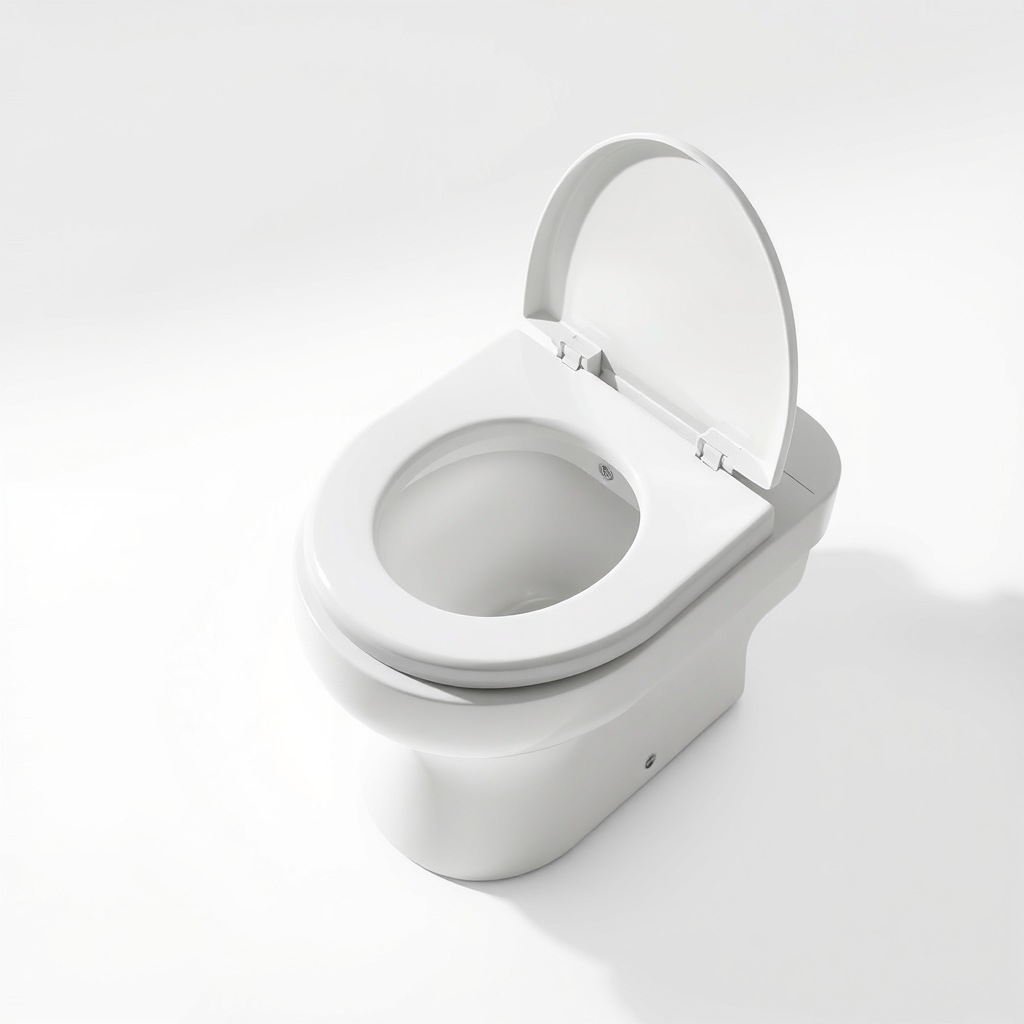
A locking raised toilet seat
The seat sits on top of the bowl and lifts you 2 to 6 inches, which shortens the distance you have to lower yourself and push up. It costs far less than replacing the toilet, and you can take it out if you ever need to.
What to get: Raised toilet seat with lid
How long it lasts: Years. It stays put and gives a steady, higher seat every day.
As an Amazon Associate I earn from qualifying purchases.
What you'll need
-
Tape measure
Measures the seat height and the bowl length
You have it -
Screwdriver and adjustable pliers
For taking off the old seat bolts
You have it - Our pick Illustration
Raised toilet seat
Choose the height and bowl shape, round or elongated
- Illustration
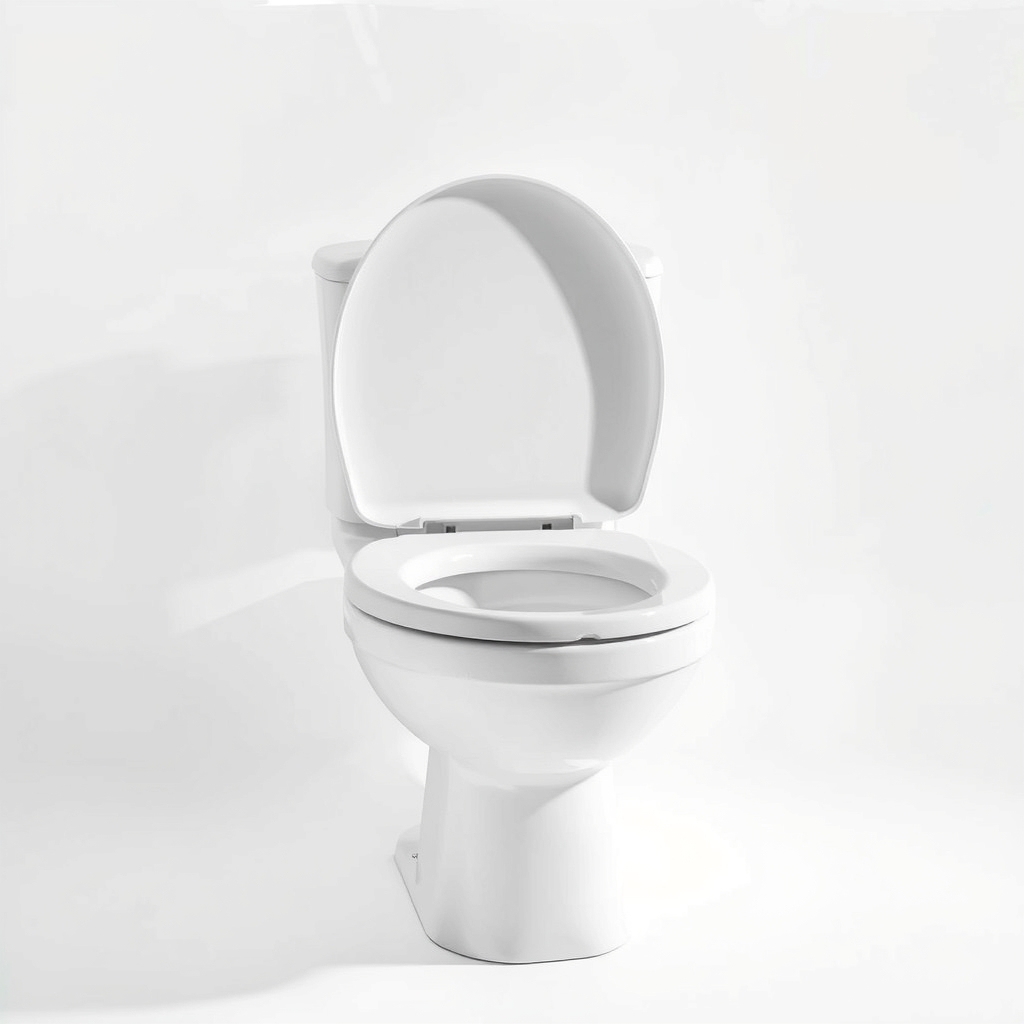
Clamp-on raised toilet seat
A no-tools option that locks onto the bowl
- Illustration
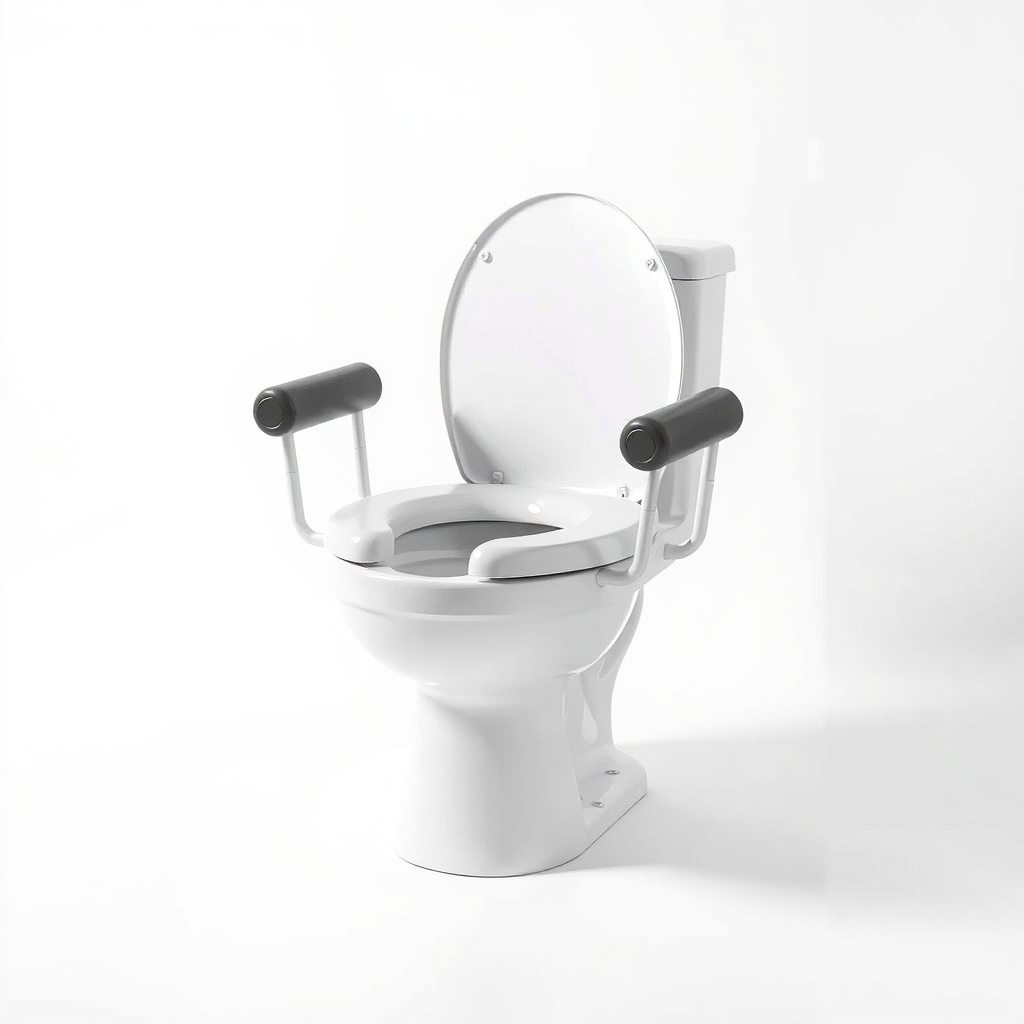
Raised toilet seat with arms
Adds hand grips for pushing up
Why it happens
A standard-height toilet
Most older toilets have a seat near 15 inches off the floor, about the height of a low chair. Many adults today prefer a seat 17 to 19 inches high.
Stiff knees, hips or back
A low seat needs a deep bend. For people with joint pain, a recent surgery or reduced leg strength, that bend gets harder.
A tall person on a short toilet
Taller users have longer legs, so the seat feels even lower. Knees end up above the hips, which makes standing up hard work.
Standing up with no support
Without a rail or arms nearby, you have to push up from the seat or the tank. That is hard on wrists, and it is a fall risk.
Try this first (free)
Do these in order, starting with the simplest.
-
1. Measure the seat height
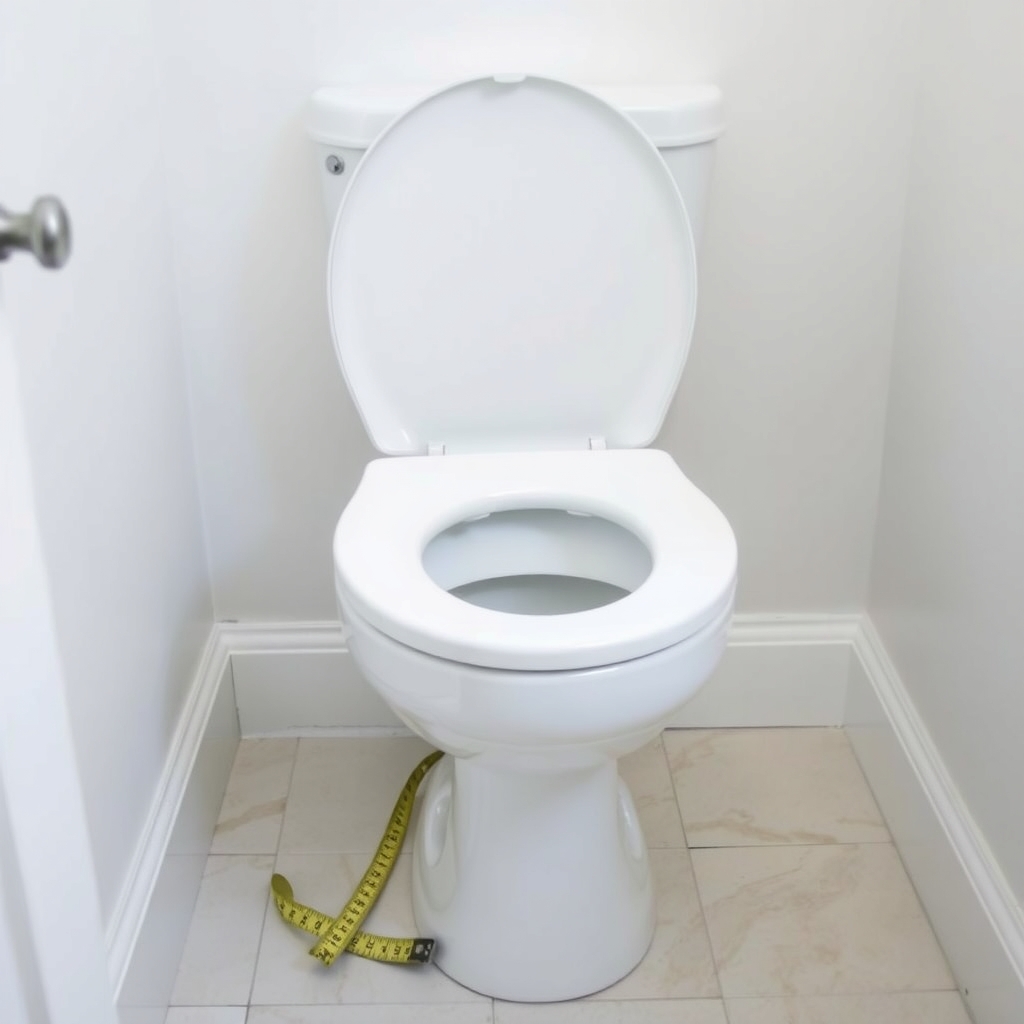
Tool used: Tape measureMeasure from the floor to the top of the seat. Compare it with the 17 to 19 inches of a comfort-height toilet. The gap tells you how much to add, usually 2 to 4 inches.
-
2. Check the bowl shape and bolt spacing
Measure from the bolt holes to the front edge of the bowl. About 16.5 inches is a round bowl, and about 18.5 inches is elongated. Most seats bolt to holes 5.5 inches apart, so check yours matches.
-
3. Remove the old seat
Tool used: Screwdriver and adjustable pliersFlip up the bolt caps, hold the nut under the rim with pliers if it spins, and unscrew the bolts. Lift the seat off. Wipe the bowl rim clean.
-
4. Fit the raised seat
Tool used: Raised toilet seatFollow the instructions for your type. Bolt-on seats take new bolts through the same holes, and clamp-on seats lock on with a lever or knob. Snug it down and center it on the bowl.
IllustrationCheck price on AmazonTool for this step
Raised toilet seat · Choose the height and bowl shape, round or elongated
-
5. Test it with your full weight
Sit down, stand up and shift side to side. It should not slide, tilt or creak. Check the lock again after a few days of use, since seats can loosen.
When free fixes aren't enough
Free steps cannot add height, so if the toilet is too low for you now, you need the seat. If you have trouble standing up even with a raised seat, have had falls, or are recovering from surgery, talk to your doctor or an occupational therapist. A seat with arms, a safety frame or a taller toilet may suit you better. If you want a permanent change and have the budget, a comfort-height toilet is the plumbing fix, but the raised seat costs much less.
Buy the fix
Still stuck after the free fixes? These are the products we would look at.
| Pick | Product | Fixes | Who it's for | Buy |
|---|---|---|---|---|
| Best pick | Raised toilet seat with lid | a toilet that is too low to sit on and stand up from comfortably | Anyone who wants a firm, lasting height boost for a low toilet. | Check price |
| Budget pick | Clamp-on raised toilet seat | a low toilet, with no tools or bolts, and easy to remove for travel | Anyone who rents, wants a seat they can move, or needs a quick fix. | Check price |
| Upgrade pick | Raised toilet seat with padded arms | pushing up from a low seat when you need a hand grip | Anyone who needs support to stand up and has no wall rail close by. | Check price |
Raised toilet seat with lid
Fixes: a toilet that is too low to sit on and stand up from comfortably
Look for: A height that suits you, in the 2 to 6 inch range; The right shape for your bowl, round or elongated; A secure bolt-on or locking attachment; A weight rating at or above the user's weight.
- Who it's for
- Anyone who wants a firm, lasting height boost for a low toilet.
- Honest downside
- You have not measured your bowl yet. Measure round or elongated before you buy.
Clamp-on raised toilet seat
Fixes: a low toilet, with no tools or bolts, and easy to remove for travel
Look for: A lock that grips the bowl firmly; Matching round or elongated shape; A weight rating above the heaviest user.
- Who it's for
- Anyone who rents, wants a seat they can move, or needs a quick fix.
- Honest downside
- The user shifts weight a lot or is near the rating. A bolt-on seat is steadier.
Raised toilet seat with padded arms
Fixes: pushing up from a low seat when you need a hand grip
Look for: Sturdy arms that do not flex when you push up; Arms wide enough, but not wider than the space around your toilet; A weight rating above the user's weight.
- Who it's for
- Anyone who needs support to stand up and has no wall rail close by.
- Honest downside
- Your bathroom is tight and the arms will not fit. Measure the space first.
As an Amazon Associate I earn from qualifying purchases. We don't show prices because they change, so use the button to see today's price.
How we picked: How we picked: this page is based on toilet height and seat sizing guidance, accessibility advice, product instructions from raised seat makers, and the problems and fixes people report in owner reviews. We do not test products by hand.
Round or elongated: measure first
Measure from the center of the bolt holes to the front edge of the bowl. About 16.5 inches means round, and about 18.5 inches means elongated. A round seat on an elongated bowl leaves a gap at the front, and an elongated seat will overhang a round bowl.
Get medical advice when it matters
A raised seat helps with a low toilet, but it does not treat pain or weakness. If standing up has become suddenly harder, or you have had falls, ask a doctor or an occupational therapist. They can suggest a grab bar, a safety frame or other aids for your bathroom.
What to skip
Cushions, folded towels and foam pads
They slide, compress and can tip you off the seat. They also hold moisture. A purpose-built raised seat locks on and carries a stated weight, so skip the home-made stack.
Frequently asked questions
How high should a toilet seat be?
Why is my toilet too low to the ground?
Do I need a new toilet if mine is too low?
Is a raised toilet seat safe?
Related problems
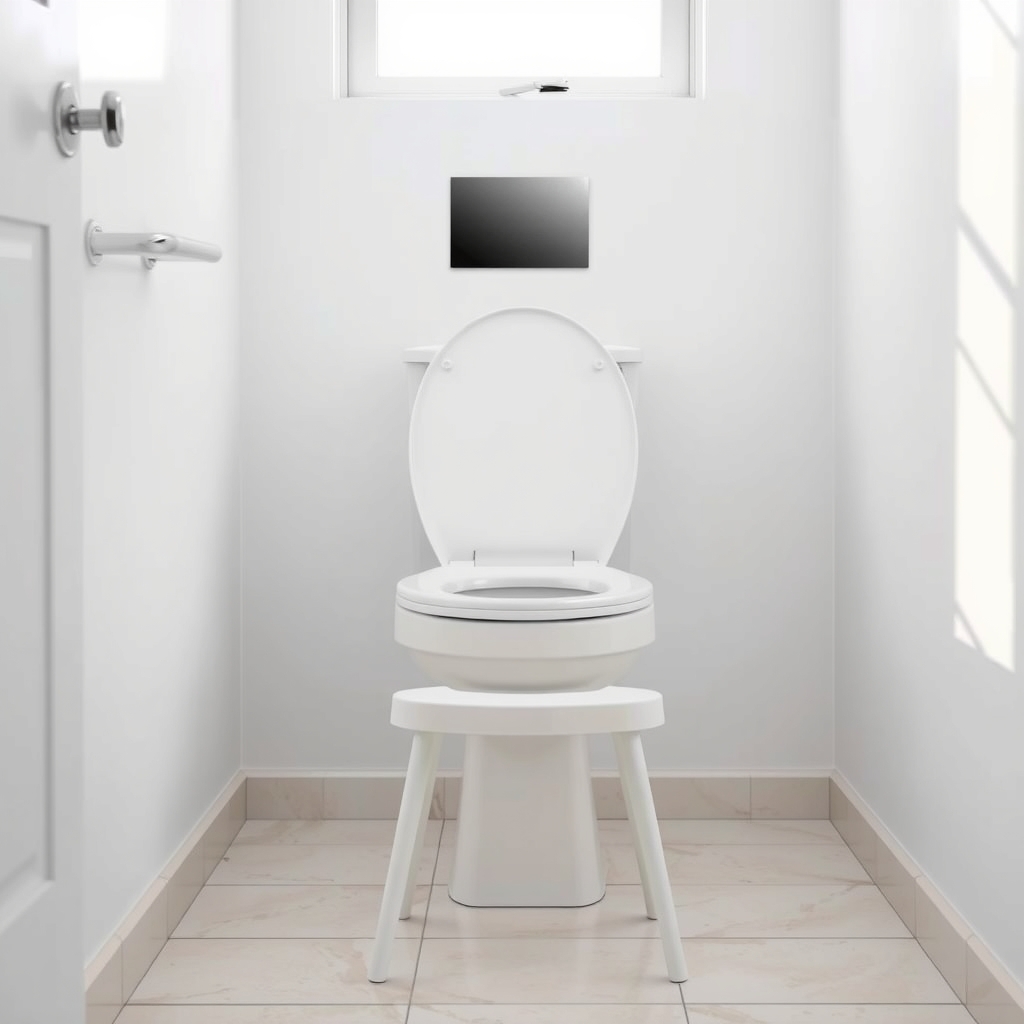 Free fix inside
Bathroom · Toilet Bowl
Toilet Too High? A Footstool Fixes the Reach and the Posture
Read the fix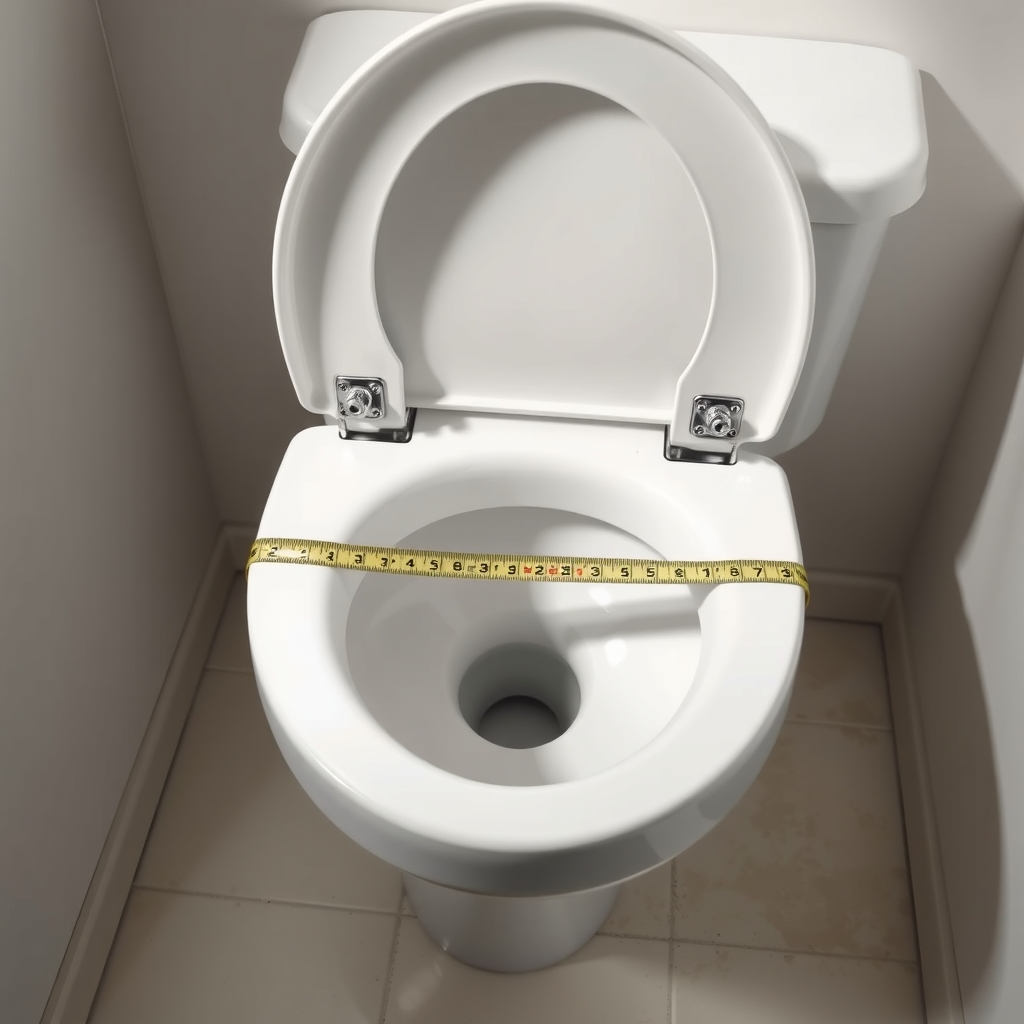 Free fix inside
Bathroom · Toilet Seat
Toilet Seat Too Small for the Bowl? Round vs Elongated: Measure First
Read the fix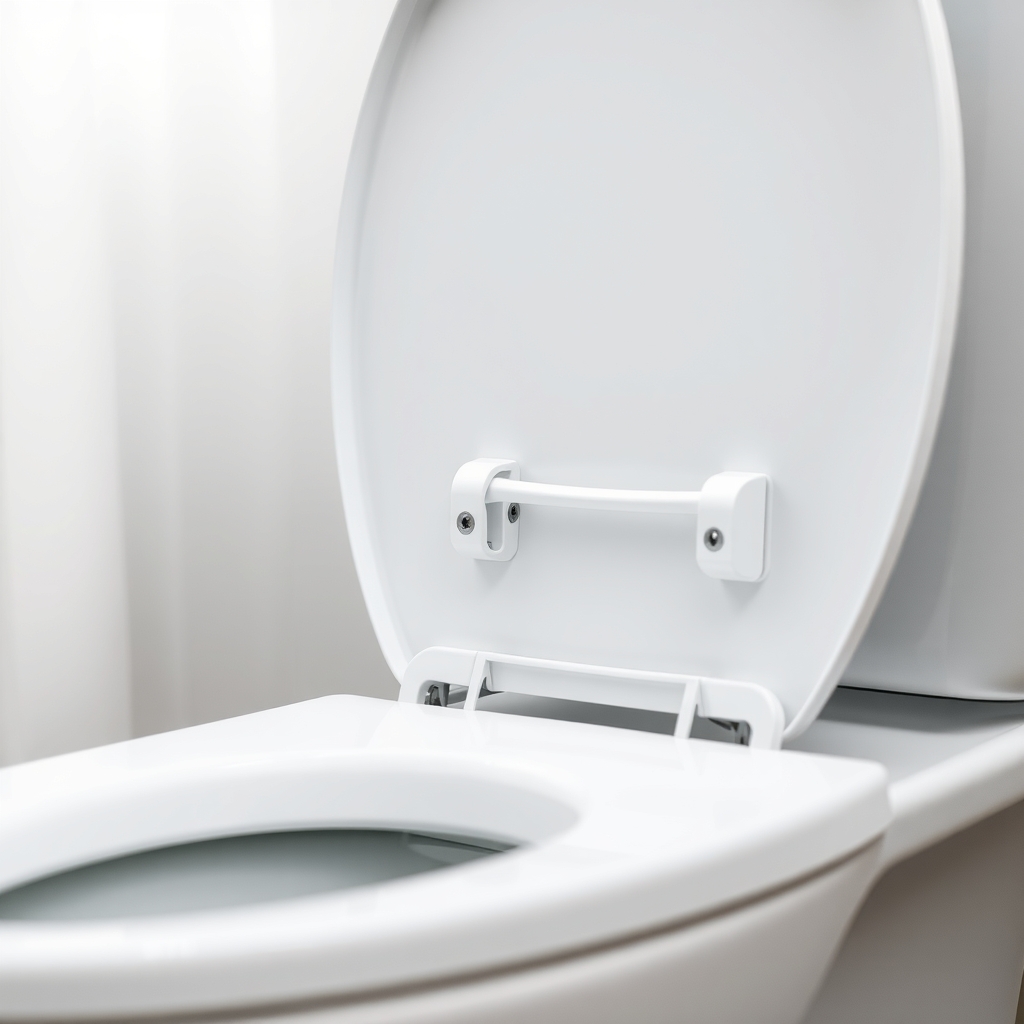 Free fix inside
Bathroom · Toilet Seat
Toilet Seat Keeps Coming Loose? The Fix That Finally Holds
Read the fix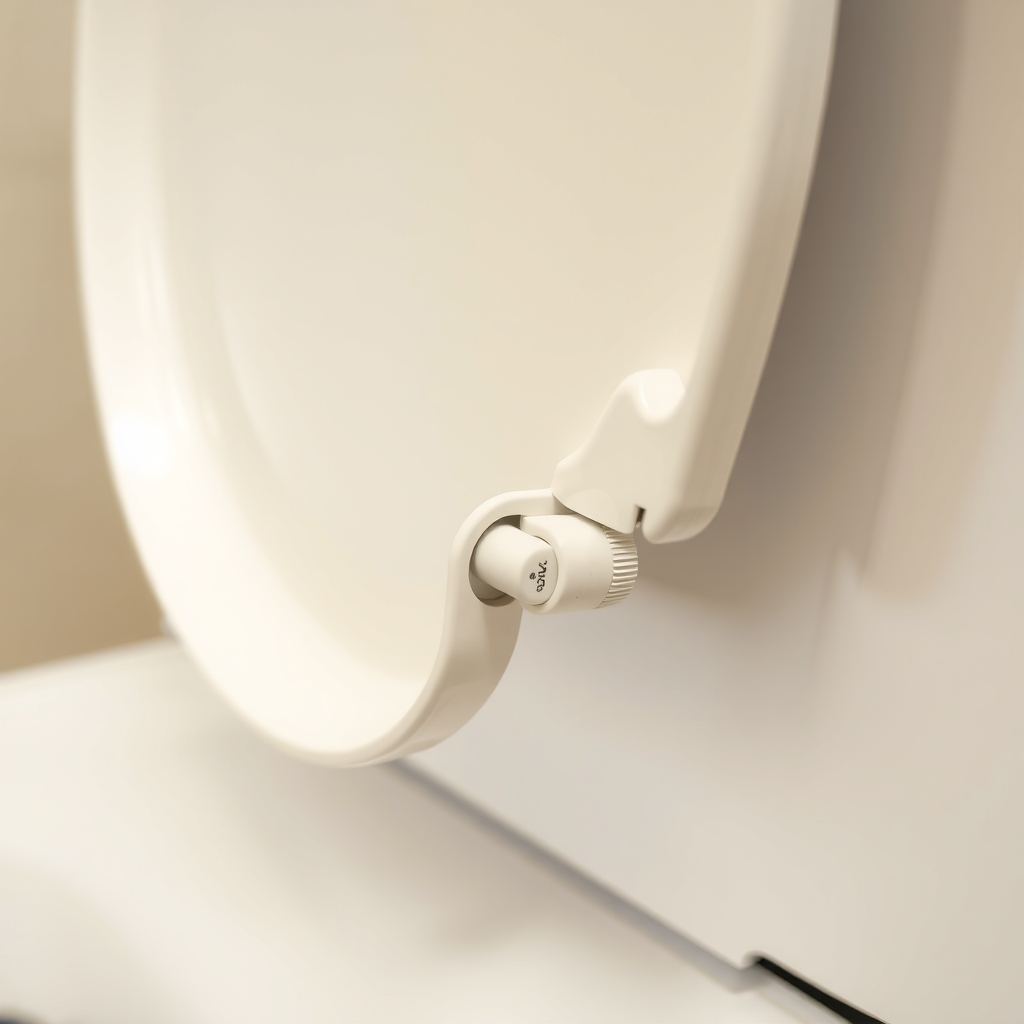 Free fix inside
Bathroom · Toilet Seat
Toilet Seat Keeps Breaking? The Best Heavy-Duty Seats for Daily Use
Read the fixAs an Amazon Associate I earn from qualifying purchases. Affiliate disclosure