Toilet Seat Not Plastic? Wood and Molded-Wood Options Compared
Molded wood feels warmer than plastic and handles steam better than solid wood. Measure your bowl first, then pick the finish and hinge you want.
By Jamilur Rahman Updated November 5, 2026 · 6 min read
- Time
- 20 min
- Cost
- $20-$50
- Difficulty
- Easy
In this guide
Quick answer
If you want a toilet seat that is not plastic, you have two choices: molded wood, a wood-composite core under a hard glossy finish, or solid wood with a stain or lacquer. Molded wood is the better default for most bathrooms because it feels warmer than plastic, takes a soft-close hinge and copes with steam better than solid lumber. There is no free way to change the material, but measuring first means you buy the right shape once.
Free fix vs. permanent fix
Measure and check what you already have
- Measure the bolt holes to the front rim, then the width
- Check bolt spacing, usually about 5.5 inches
- Note the color of your bowl for a match
- Make sure the bathroom fan works so wood is not left in steam
How long it lasts: Saves you a return. It cannot change the material, so the seat stays plastic until you swap it.
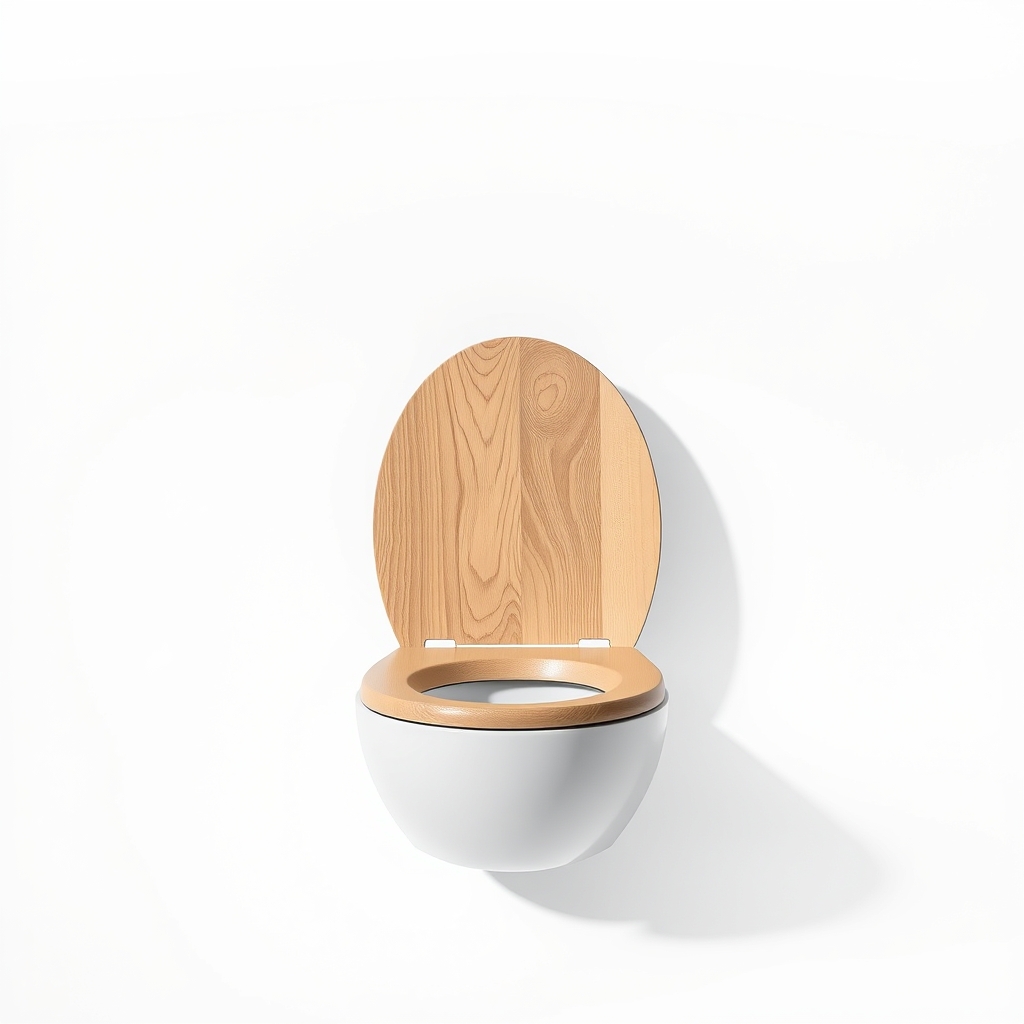
A molded wood soft-close toilet seat
Molded wood gives the solid, warm feel of wood without the swelling and finish wear of solid lumber. A soft-close hinge ends the slam. It is the swap that fixes both the plastic feel and the noise.
What to get: Molded wood soft-close toilet seat
How long it lasts: Years with a gentle cleaner. The hard finish seals the core, so it handles daily humidity in a ventilated room.
As an Amazon Associate I earn from qualifying purchases.
What you'll need
-
Tape measure
Length, width and bolt spacing
You have it -
Screwdriver
To open the hinge covers and remove the old seat
You have it -
Mild dish soap and a soft cloth
Gentle care that keeps the finish intact
You have it - Our pick Illustration
Molded wood soft-close toilet seat
The best default for most bathrooms
- Illustration
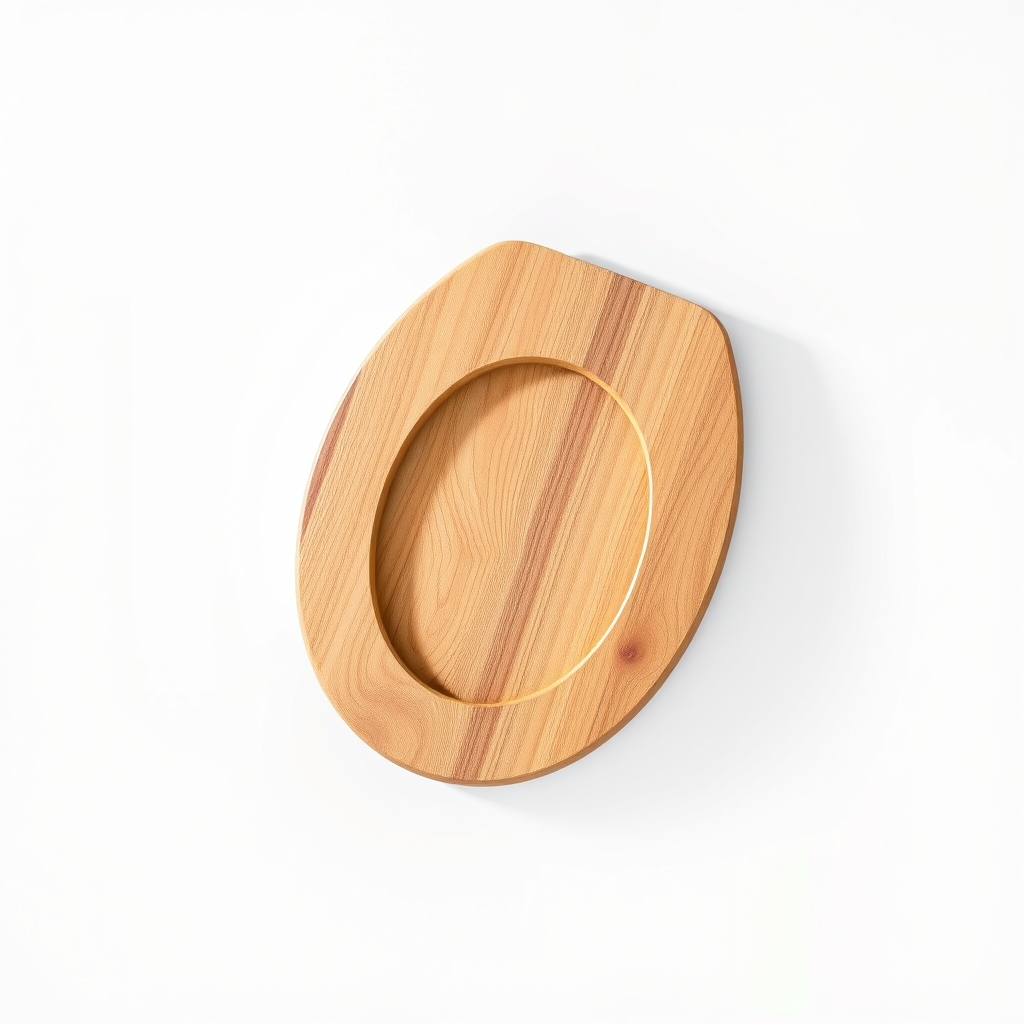
Basic molded wood toilet seat
Lowest-cost wood option, no soft-close
- Illustration
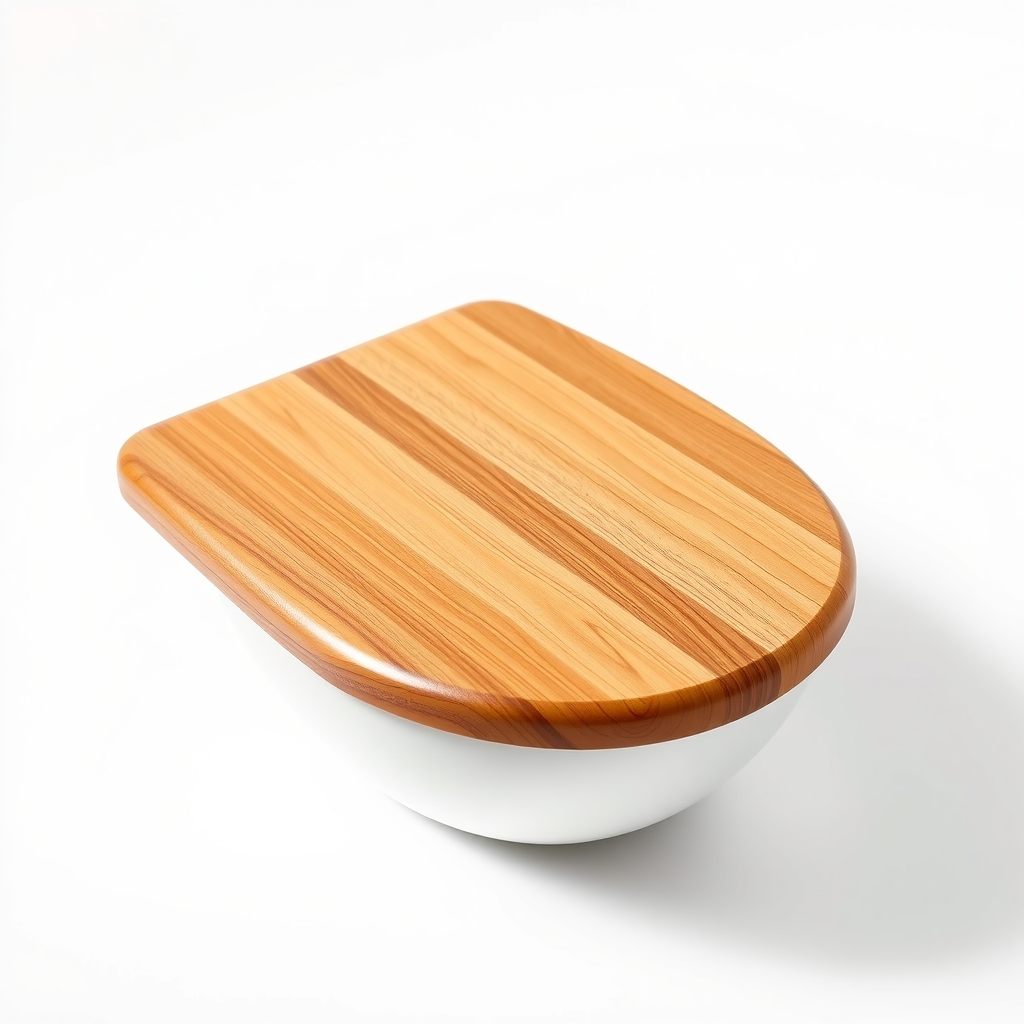
Solid wood toilet seat
For real wood grain in a well-ventilated bathroom
Why it happens
Plastic feels cold and slick
Many people find a plastic seat cold to sit on in the morning, and some like the weight and warmth of wood instead.
Thin plastic cracks and yellows
Light plastic seats can flex, crack at the hinge posts and yellow over time from cleaners and sunlight.
A look that does not fit
Some buyers want a natural or darker finish, or simply a seat made of something other than plastic.
Try this first (free)
Do these in order, starting with the simplest.
-
Measure the bowl
Tool used: Tape measureLift the lid and seat. Measure from the center of the hinge bolt holes to the front rim. About 16.5 inches is round and about 18.5 inches is elongated. Measure the width and the bolt spacing too.
-
Check how your seat attaches
Tool used: ScrewdriverOpen the hinge covers with a screwdriver. Most seats have two bolts that pass through the bowl and tighten with nuts underneath. Look underneath too, since a few use a bottom-mount design. Pick a new seat made for the same style.
-
Choose the finish
Molded wood comes in white, bone and black, plus wood-look colors. Match the shade to your bowl, since seats and bowls rarely match exactly. Solid wood comes in natural and stained finishes.
-
Buy the right material for your room
Tool used: Molded wood soft-close toilet seatIf the bathroom is steamy or the fan is weak, choose molded wood. In a dry, well-ventilated bathroom, solid wood is fine.
IllustrationCheck price on AmazonTool for this step
Molded wood soft-close toilet seat · The best default for most bathrooms
-
Care for it gently
Tool used: Mild dish soap and a soft clothWipe with mild dish soap and a soft cloth, then dry it. Skip bleach and abrasive pads, which dull the finish and let moisture in.
When free fixes aren't enough
There is no do-it-yourself way to turn a plastic seat into a wood one. If yours is cracked, stained or flexing, or the cold surface bothers you, a wood seat is the swap. Check that your bathroom has a working fan. Solid wood in a steamy room with no ventilation can swell and its finish can chip. Molded wood handles that better but is not immune. Wipe up standing water, and replace the seat if the finish chips deep enough to expose the core.
Buy the fix
Still stuck after the free fixes? These are the products we would look at.
| Pick | Product | Fixes | Who it's for | Buy |
|---|---|---|---|---|
| Best pick | Molded wood soft-close toilet seat | a cold, cracking plastic seat, without the care demands of solid wood | Most households, including bathrooms with steam, because the finish is more forgiving. | Check price |
| Budget pick | Basic molded wood toilet seat (no soft-close) | a plastic seat you want to swap for wood, at the lowest price | Rentals, guest bathrooms and one-time buyers. | Check price |
| Upgrade pick | Solid wood toilet seat with a natural or stained finish | a plastic seat that clashes with a natural look | Anyone who wants real wood grain and keeps the bathroom well ventilated. | Check price |
Molded wood soft-close toilet seat
Fixes: a cold, cracking plastic seat, without the care demands of solid wood
Look for: Shape and length that match your bowl, round or elongated; A slow-close hinge; A quick-release or easy-clean hinge; A hard, even finish with no gaps at the edges.
- Who it's for
- Most households, including bathrooms with steam, because the finish is more forgiving.
- Honest downside
- You want real wood grain. Molded wood is a composite with a finish over the top.
Basic molded wood toilet seat (no soft-close)
Fixes: a plastic seat you want to swap for wood, at the lowest price
Look for: The correct bowl shape and length; Sturdy metal or thick plastic hinges; A smooth finish with no gaps.
- Who it's for
- Rentals, guest bathrooms and one-time buyers.
- Honest downside
- A slamming lid bothers your household. A soft-close hinge costs a little more and ends it.
Solid wood toilet seat with a natural or stained finish
Fixes: a plastic seat that clashes with a natural look
Look for: Real hardwood with a sealed finish; A soft-close hinge; Stainless or brass hinges that resist rust; Round or elongated to match your bowl.
- Who it's for
- Anyone who wants real wood grain and keeps the bathroom well ventilated.
- Honest downside
- Your bathroom is steamy and the fan is weak. Solid wood can swell, so choose molded wood.
As an Amazon Associate I earn from qualifying purchases. We don't show prices because they change, so use the button to see today's price.
How we picked: How we picked: this page is based on toilet seat material guides, care instructions from seat makers and what people report in owner reviews of wood and molded-wood seats. We do not test products by hand.
Molded wood vs solid wood vs plastic
- Molded wood: wood-composite core with a hard finish. Warmer than plastic, handles steam well and usually costs a little more than plastic.
- Solid wood: real lumber with lacquer or stain. Beautiful grain, but it needs a ventilated room and gentle care. Usually the highest price.
- Plastic: light, low-cost and easy to wipe. Can flex, crack or yellow, and feels cooler.
What to skip
Wood-look plastic and harsh cleaners
Some seats that look like wood are plastic with a wood-grain print, and padded cushion seats stain and crack. Read the material line in the listing: it should say molded wood or solid wood. Skip bleach and abrasive scrubbing pads, which strip the finish.
Frequently asked questions
What is a molded wood toilet seat made of?
Is a wooden toilet seat better than plastic?
How do I clean a wood toilet seat?
Will a wood seat fit my toilet?
Do wood toilet seats come with soft-close hinges?
Related problems
 Free fix inside
Bathroom · Toilet Seat
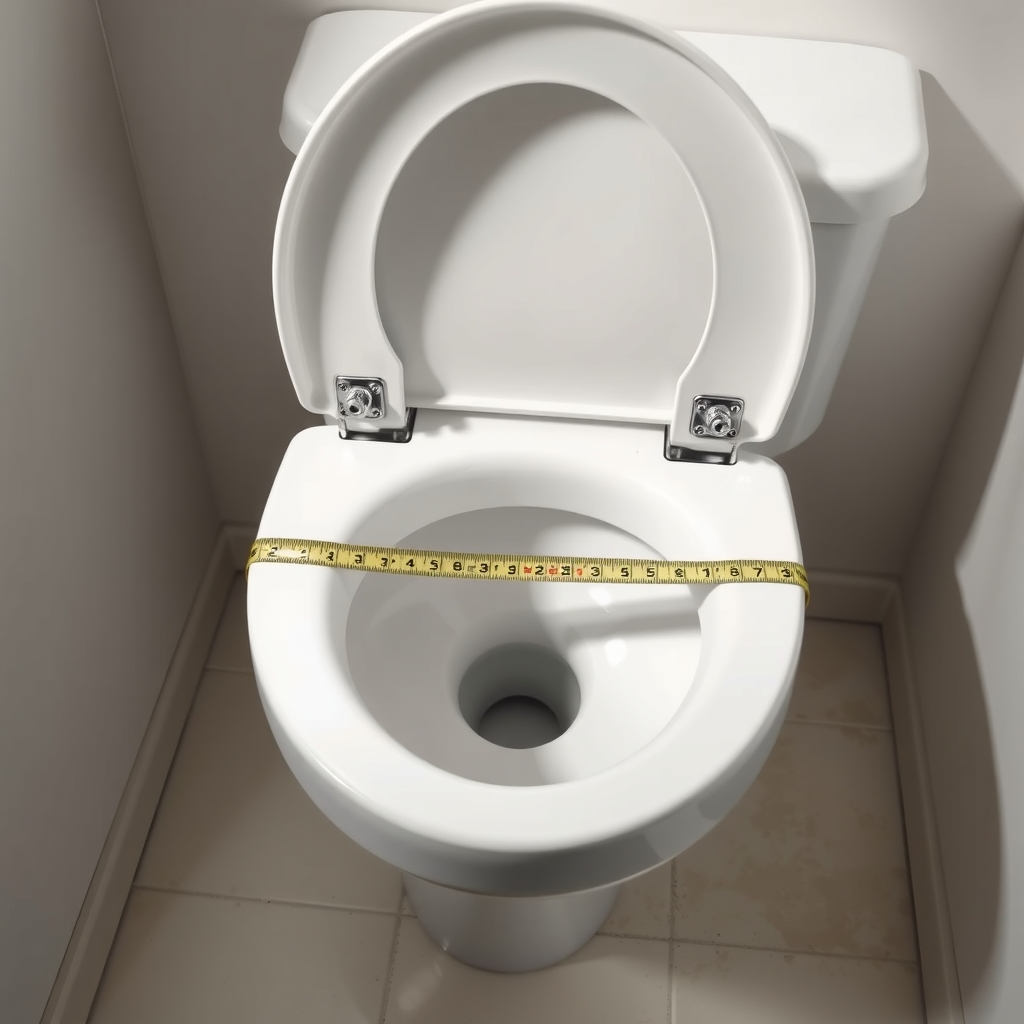
Toilet Seat Too Small for the Bowl? Round vs Elongated: Measure First
Read the fix Free fix inside
Bathroom · Toilet Seat
Toilet Seat Slamming Down? A Soft-Close Seat Ends the Bang
Read the fix Free fix inside
Bathroom · Toilet Seat
Toilet Seat Keeps Breaking? The Best Heavy-Duty Seats for Daily Use
Read the fix Free fix inside
Bathroom · Toilet Seat
Toilet Seat Keeps Coming Loose? The Fix That Finally Holds
Read the fixAs an Amazon Associate I earn from qualifying purchases. Affiliate disclosure