Bathroom Tiles Too Slippery? The Bath Rug That Grips Wet Floors
Soap film on glossy glaze turns wet tile into a slide. Clean and dry the floor, then add a rubber-backed rug exactly where your wet feet land.
By Jamilur Rahman Updated November 5, 2026 · 6 min read
- Time
- 20 min
- Cost
- Under $20
- Difficulty
- Easy
In this guide
Quick answer
Bathroom tile gets slippery from soap and body-oil film sitting on a smooth glaze, and from water that stays on the floor. Scrub the film off, dry the floor after showers and stop stepping onto bare wet tile. Put a rubber-backed bath rug where your wet feet land. It grips the floor and soaks up water, and that is the fix that lasts.
Free fix vs. permanent fix
Clean off the film and dry the floor
- Scrub soap and oil film off with dish soap and hot water
- Towel or squeegee the floor dry after showers
- Keep bath oil and body butter off the floor
- Wipe up drips right away
How long it lasts: It helps a lot, but only while the floor stays clean and dry. Glossy tile is slick again the moment it gets wet.
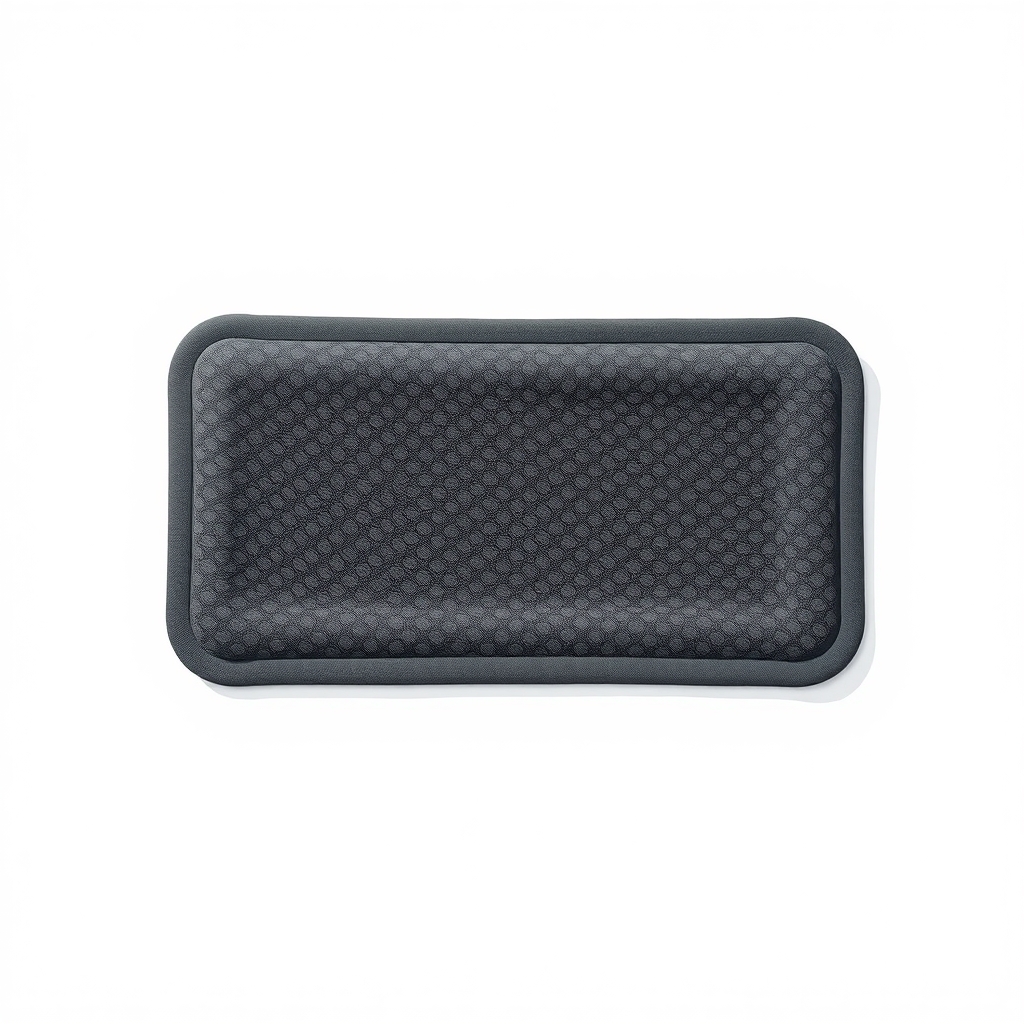
A rubber-backed non-slip bath rug
Cleaning removes the film but cannot change how smooth the glaze is. A rubber-backed rug adds a gripping surface right where you step out, and it soaks up the water your feet bring.
What to get: Rubber-backed non-slip bath rug
How long it lasts: Years, as long as you wash it and let it dry. The rubber backing grips the tile and the top absorbs drips.
As an Amazon Associate I earn from qualifying purchases.
What you'll need
-
Dish soap and a soft scrub brush
Cuts body-oil film and gets into grout lines
You have it -
Old towel or microfiber mop
To dry the floor after showers
You have it - Our pick Illustration
Rubber-backed non-slip bath rug
Goes just outside the tub or shower
- Illustration
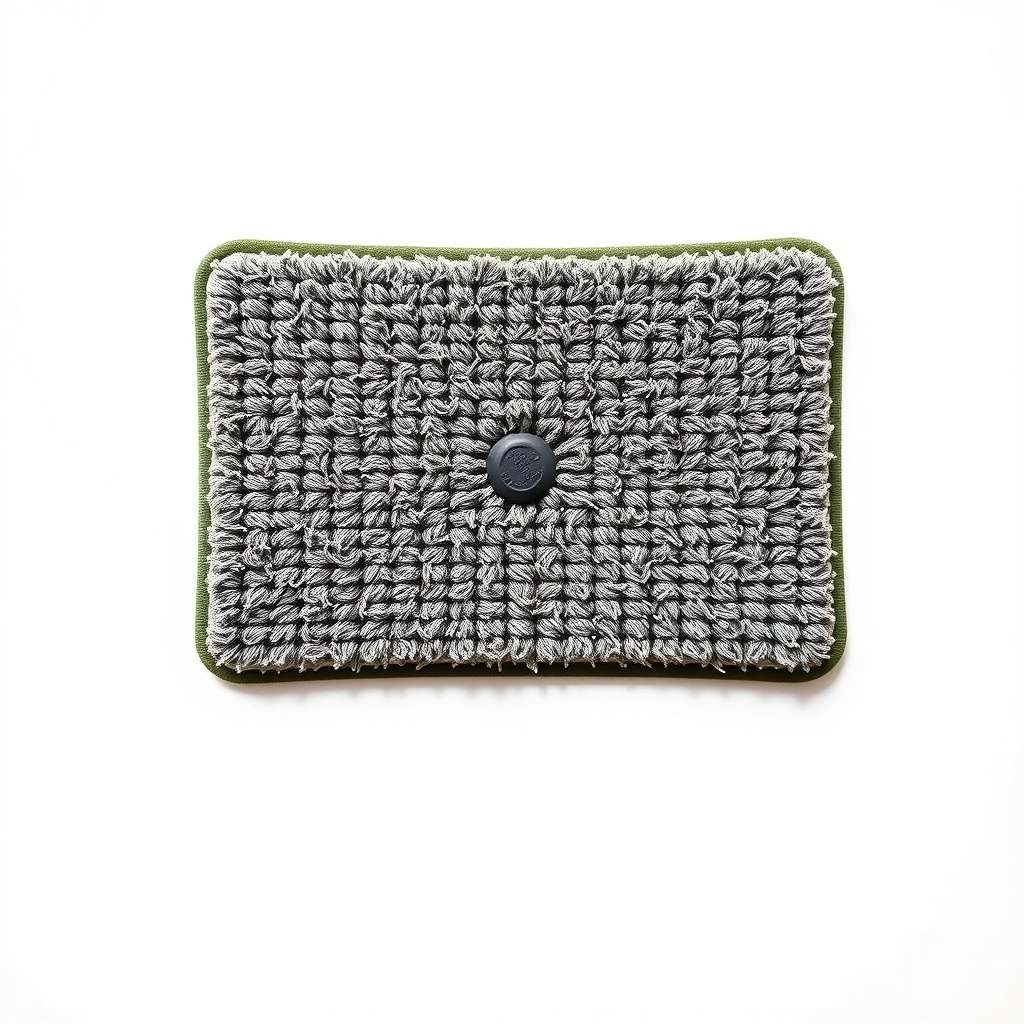
Rug gripper pad
Stops a rug you already own from sliding
Why it happens
Soap and body-oil film
Soap scum, body wash and lotion leave a thin film on the floor. Dry, you barely notice it. Wet, it turns smooth tile into a slick surface.
Glossy glazed tile
Polished or glazed tile has a very smooth finish. It looks nice, but your feet have little to hold when it is wet. Cleaning cannot add grip the tile never had.
Water that never gets dried off
A wet floor stays slick for as long as it stays wet. A bathroom with weak ventilation and no mat leaves water sitting where you stand.
Polish or wax residue
Floor polish and some wax-based cleaners leave a glossy layer. That is one more smooth coating on top of the tile.
Try this first (free)
Do these in order, starting with the simplest.
-
Scrub the floor with dish soap and hot water
Tool used: Dish soap and a soft scrub brushDish soap cuts through body-oil film. Scrub with a soft brush, especially the spot just outside the shower. Rinse with clean water until it no longer feels slick under your hand.
-
Rinse twice and dry completely
Tool used: Old towel or microfiber mopLeftover cleaner leaves its own film, so rinse twice. Then dry the floor with a towel or microfiber mop.
-
Make a 30-second drying habit
Tool used: Old towel or microfiber mopAfter each shower, wipe the floor where you stepped. A dry floor is not slippery, and this takes under a minute.
-
Stop adding film
Keep oils, body butter and conditioner away from the floor, and wipe up drips from the shower. Skip wax-based or polish cleaners on bathroom tile.
-
Add a rubber-backed rug where your wet feet land
Tool used: Rubber-backed non-slip bath rugSet it just outside the tub or shower, and at the sink if you stand there barefoot. Do the push test: step on one corner and push sideways. If it moves, it will move when wet. Hang it to dry each day, or rotate two.
IllustrationCheck price on AmazonTool for this step
Rubber-backed non-slip bath rug · Goes just outside the tub or shower
When free fixes aren't enough
If the floor is clean, dry and still slippery, the tile itself is the problem, and no cleaner will add grip. That is most common with polished porcelain and glossy glazed tile. Wet floors like that are risky for older adults, young children and anyone with balance problems. A rubber-backed rug covers the spot where you step out. If a rug you own keeps sliding, a gripper pad under it is the cheaper fix. If someone in your home has fallen or feels unsteady, add a grab bar and a non-slip mat inside the tub as well.
Buy the fix
Still stuck after the free fixes? These are the products we would look at.
| Pick | Product | Fixes | Who it's for | Buy |
|---|---|---|---|---|
| Best pick | Rubber-backed non-slip bath rug | slipping on wet tile where you step out of the shower | Anyone with glossy tile and a bathroom that sees wet feet, especially homes with children or older adults. | Check price |
| Budget pick | Rug gripper pad | a bath rug you already own that slides | Someone who already likes their rug but finds it moves. | Check price |
Rubber-backed non-slip bath rug
Fixes: slipping on wet tile where you step out of the shower
Look for: A real rubber or latex backing across the whole underside, not just a printed dotted pattern; Low pile, so it is easy to dry and will not trip you; Machine washable, so mildew does not build up; Big enough for both feet with room to spare.
- Who it's for
- Anyone with glossy tile and a bathroom that sees wet feet, especially homes with children or older adults.
- Honest downside
- You have vinyl or luxury vinyl flooring. Rubber backing can stain some vinyl, so check the rug's label and your flooring maker's advice.
Rug gripper pad
Fixes: a bath rug you already own that slides
Look for: A rubber or textured pad cut slightly smaller than your rug; Grip on both the floor and the rug; A label that says it is safe for your floor.
- Who it's for
- Someone who already likes their rug but finds it moves.
- Honest downside
- The rug is thick or curls at the edges. A thick rug is a trip risk, so replace it with a low-pile one.
As an Amazon Associate I earn from qualifying purchases. We don't show prices because they change, so use the button to see today's price.
How we picked: How we picked: this page is based on bathroom slip-safety advice, tile and flooring care guides, and the problems and fixes owners report in reviews of non-slip bath rugs. We do not test products by hand.
What to check before you buy a bath rug
- Backing: rubber or latex should cover the whole underside. A smooth plastic back slides on wet tile.
- Size: big enough for both feet, so you are not stepping off the edge onto bare tile.
- Pile: low pile dries faster and does not catch your toes.
- Washing: pick one you can machine wash, and wash it often.
- Your floor: if you have vinyl, read the label about rubber backing first.
The push test
Put the rug on the clean, dry floor. Stand on one corner and push the rug sideways with your foot. If it creeps, curls or bunches, it will do worse when it is wet. Add a gripper pad, or choose a rug with a better backing.
What to skip
Floor polish and loose towels
Polish and wax-based cleaners add a glossy layer that makes bare tile even slicker. A loose towel on the floor and a rug with a smooth plastic back both slide on wet tile, and they can slide you with them.
Frequently asked questions
Why is my bathroom tile so slippery?
How do I stop tile being slippery without replacing it?
Is a rug safe on a wet bathroom floor?
What about slippery tile inside the shower?
Related problems
As an Amazon Associate I earn from qualifying purchases. Affiliate disclosure