Air Conditioner Leaking Water Inside? Clear the Drain Line First
Most indoor AC leaks come from a clogged drain line, a full pan or a tilted unit. Clear the line with vinegar, check the pan, then keep sludge from returning.
By Jamilur Rahman Updated November 5, 2026 · 7 min read
- Time
- 30 min
- Cost
- Under $20
- Difficulty
- Medium
In this guide
Quick answer
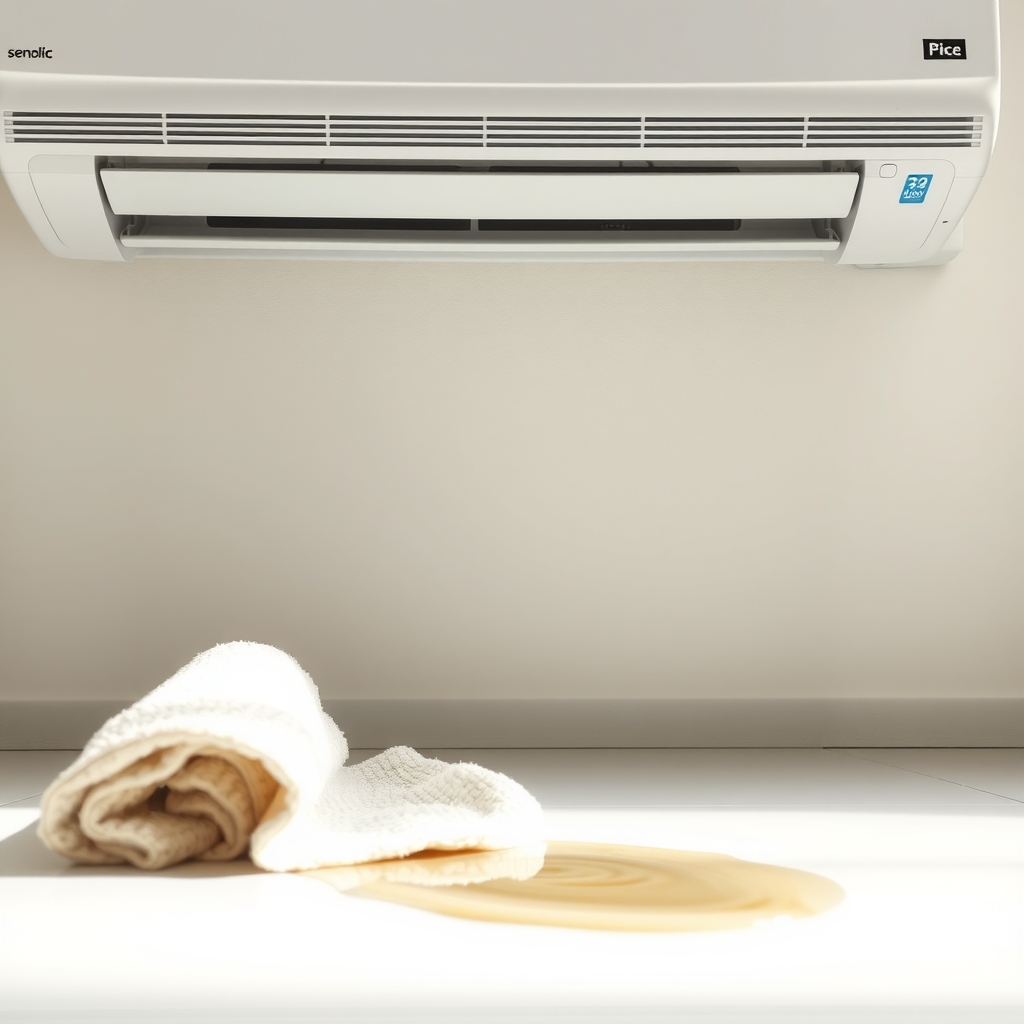
An air conditioner leaking water inside is most often a clogged condensate drain line, which backs up and spills over the drain pan. Turn the system off, clear the line with vinegar and a wet/dry vacuum, and check the filter and the unit's tilt. A drain line cleaning kit helps keep the algae sludge from building up again.
Free fix vs. permanent fix
Vinegar flush and a vacuum
- Switch the AC off at the thermostat
- Pour distilled white vinegar into the drain access port
- Suck the line clear from the outdoor end with a wet/dry vacuum
- Empty and wipe the drain pan
How long it lasts: Often a few months. Algae and sludge grow back in a warm, damp line, so a cleared line can clog again within a season.
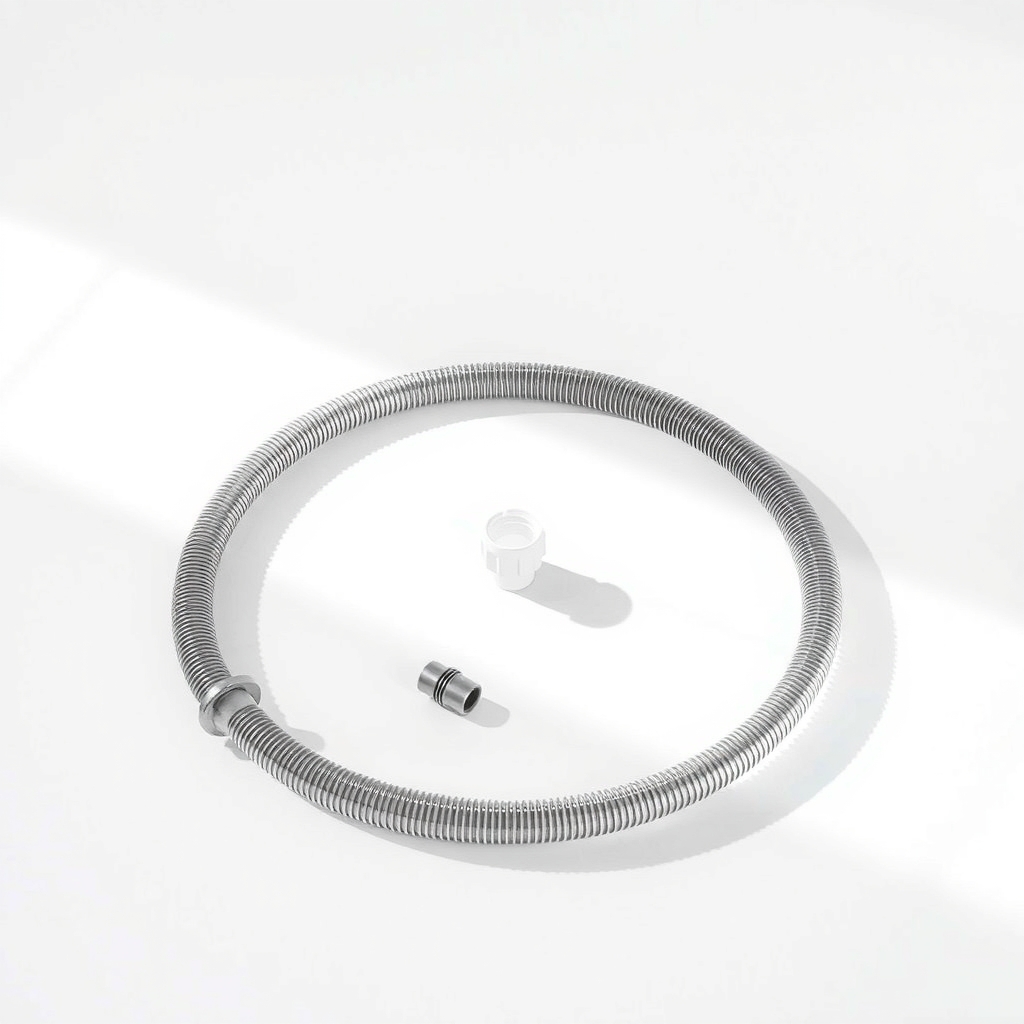
An AC condensate drain line cleaning kit
Sludge is what clogs the line. A kit with a flexible brush or vacuum adapter and drain pan tablets removes the sludge and slows its regrowth. It turns the yearly flood into a five-minute monthly job.
What to get: AC condensate drain line cleaning kit
How long it lasts: A whole cooling season when you flush the line every month or two.
As an Amazon Associate I earn from qualifying purchases.
What you'll need
-
Distilled white vinegar
To flush algae from the line
You have it -
Wet/dry vacuum
To pull the clog out from the outdoor end
You have it -
Towels and a bucket
For overflow
You have it -
Level or phone level app
Checks that a window unit tilts the right way
Free - Our pick Illustration
AC condensate drain line cleaning kit
A brush or adapter plus tablets for the monthly flush
Why it happens
A clogged condensate drain line
Moisture from the coil drips into a pan and leaves through a drain pipe, usually 3/4-inch PVC. Algae, dust and sludge build up in that pipe. When it blocks, the pan fills and overflows into the house.
A cracked or rusted drain pan
In older units, the pan can crack or rust through. Water then drips from the bottom of the unit even though the drain line is clear.
A coil that froze and is now melting
A frozen coil melts faster than the pan can drain, and the water spills over. A dirty filter is often behind the freeze.
A unit that is not level
A window unit should tilt slightly toward the outside so water runs out the back. If it tilts inward, the water drains into the room. A central air handler that is out of level pushes water to one side of the pan.
A kinked or sagging drain hose
Drain lines need a steady downhill slope. A sag or a kink holds water in the line, and it overflows at the first low spot.
Try this first (free)
Do these in order, starting with the simplest.
-
Turn the AC off
Tool used: Towels and a bucketSet the thermostat to off. If water is near wiring or the pan is overflowing, switch the system off at the breaker as well. Lay towels and a bucket under the leak.
-
Find the drain line and its access port
On central systems, look for a 3/4-inch white PVC pipe leaving the indoor unit, with a T-shaped vent and a cap. Outside, find where the line ends, usually near the outdoor unit or the foundation.
-
Clear it from the outdoor end
Tool used: Wet/dry vacuumHold the hose of a wet/dry vacuum against the outdoor end of the drain pipe and seal it with a rag or tape. Run the vacuum for a minute or two. Sludge and slime often come out.
-
Flush the line with vinegar
Tool used: Distilled white vinegarPour about a cup of distilled white vinegar into the access port, wait 30 minutes, then flush with a little water. Skip bleach, since many HVAC guides advise against it because it can corrode metal parts.
-
Check the pan, filter and tilt
Tool used: Level or phone level appWipe out the drain pan and look for cracks or rust holes. Replace a dirty filter. For a window unit, set a level on top and check that it tilts slightly toward the outside.
-
Add a monthly flush
Tool used: AC condensate drain line cleaning kitDuring the cooling season, flush the line with vinegar every month, or drop a drain pan tablet in the pan. Write the date on the thermostat or in your phone so it does not slide.
IllustrationCheck price on AmazonTool for this step
AC condensate drain line cleaning kit · A brush or adapter plus tablets for the monthly flush
When free fixes aren't enough
If water returns within days of a clean flush, or the pan is cracked, the line may be partly blocked deeper in or sagging between supports. A cleaning kit helps with sludge. It cannot fix a cracked pan, a bad slope or a leaking refrigerant line. Call a pro if you see ceiling stains, a bulging ceiling or water near the breaker panel, and turn the AC off. Ice on the coil points to a freezing problem, so treat that first. A window unit that tilts the right way and still drips indoors may have a failing pan or poor seals.
Buy the fix
Still stuck after the free fixes? These are the products we would look at.
| Pick | Product | Fixes | Who it's for | Buy |
|---|---|---|---|---|
| Best pick | AC condensate drain line cleaning kit | sludge that clogs the condensate line and floods the pan | Owners of central air, mini splits or ducted systems with an accessible drain line. | Check price |
| Budget pick | 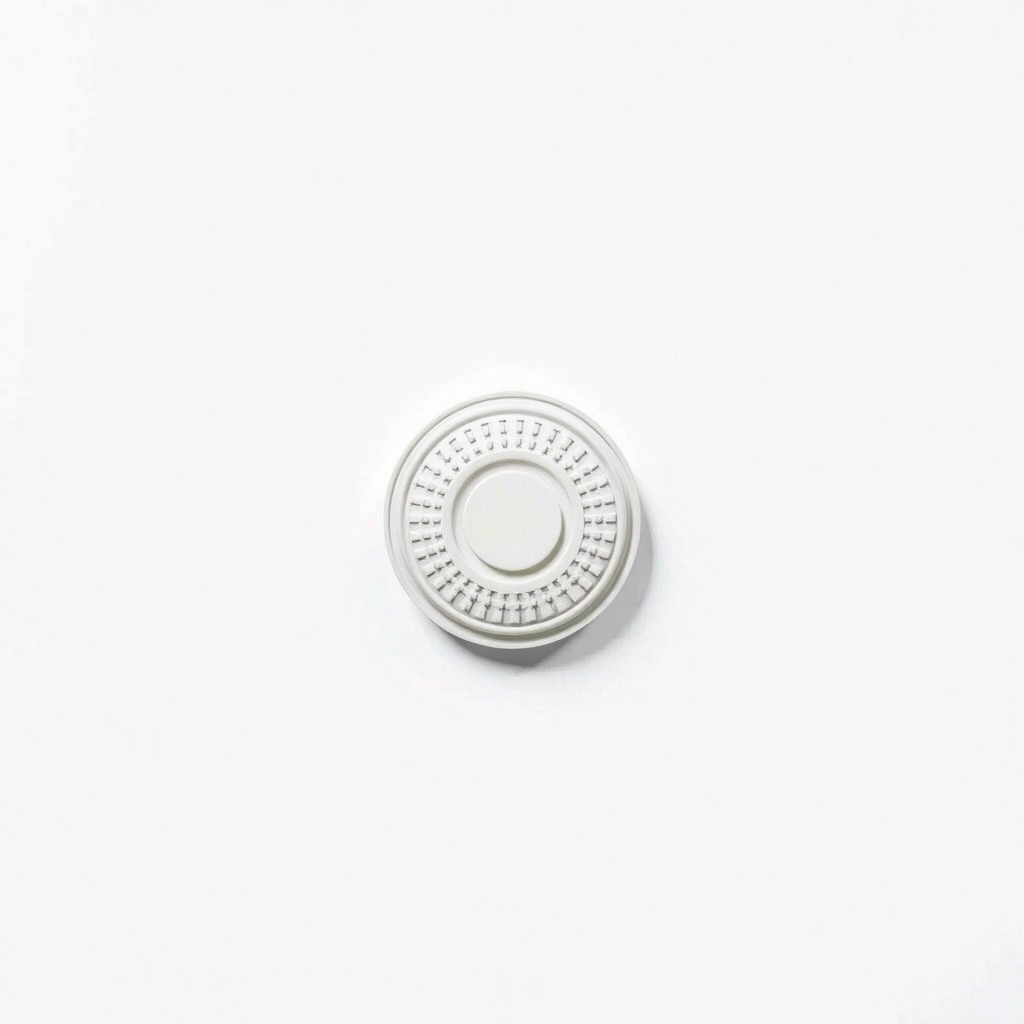 AC drain pan tablets | algae regrowth that clogs the drain over a season | Someone who has already cleared the line and wants it to stay clear. | Check price |
AC condensate drain line cleaning kit
Fixes: sludge that clogs the condensate line and floods the pan
Look for: A flexible brush or vacuum adapter that fits a 3/4-inch PVC drain; Drain pan tablets or a cleaner made for condensate lines; Clear steps for flushing the access port; Fittings that attach without tools.
- Who it's for
- Owners of central air, mini splits or ducted systems with an accessible drain line.
- Honest downside
- You have a window unit with no drain line. Use the tilt check, a drain hose and a seal check instead.
AC drain pan tablets
Fixes: algae regrowth that clogs the drain over a season
Look for: Made for air conditioner drain pans; Safe for plastic and metal pans; Slow-dissolving so one tablet lasts weeks.
- Who it's for
- Someone who has already cleared the line and wants it to stay clear.
- Honest downside
- The line is blocked now. Clear it first, since tablets do not unclog.
As an Amazon Associate I earn from qualifying purchases. We don't show prices because they change, so use the button to see today's price.
How we picked: How we picked: this page is based on HVAC maintenance guides, air conditioner owner manuals and the problems and fixes people report in owner reviews. We do not test products by hand.
Window, central or portable? Where the water comes from
- Window unit: condensation drips out the back by design. Water inside means a wrong tilt, a bad seal or a cracked pan.
- Central air: water from the indoor unit or ceiling means a clogged line or a full pan. Water outside near the outdoor unit can be normal.
- Portable unit: the tank or hose is full. Empty it, or attach a drain hose that slopes down.
What to skip
What to skip
Skip bleach and caustic drain openers in the condensate line. Strong chemicals can damage the pan and nearby metal, and they are dangerous to splash. Do not ignore a slow leak either, because weeks of damp can stain ceilings and grow mold.
Frequently asked questions
Why is my air conditioner leaking water from the bottom?
Why does my air conditioner leak water, and how do I stop it leaking inside the house or apartment?
Air conditioner spitting water or too much condensation dripping: why, and how do I fix it?
Is it normal for an air conditioner to leak water outside?
How often should I clean the AC drain line?
Related problems
 Free fix inside
Air & Temperature · Window Ac
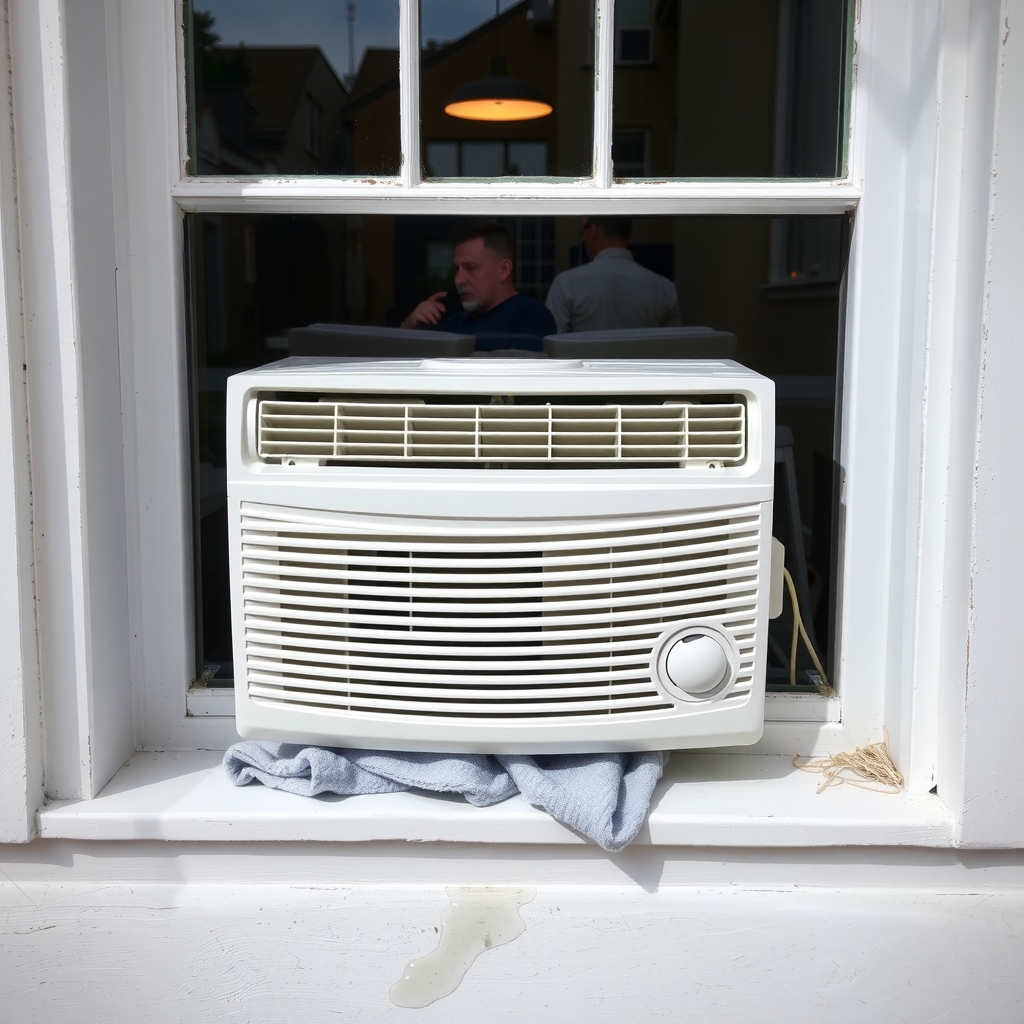
Window AC Leaking Water Inside? The Tilt Check and a Drain Hose
Read the fix Free fix inside
Air & Temperature · Window Ac
Window AC Freezing Up? Thaw It, Clean It, and Stop a Repeat
Read the fix Free fix inside
Air & Temperature · Air Conditioner
Air Conditioner Freezing Up? Thaw It Safely and Prevent a Repeat
Read the fix Free fix inside
Air & Temperature · Air Conditioner
Air Conditioner Smells Musty or Sour? Clean the Drain Pan
Read the fixAs an Amazon Associate I earn from qualifying purchases. Affiliate disclosure